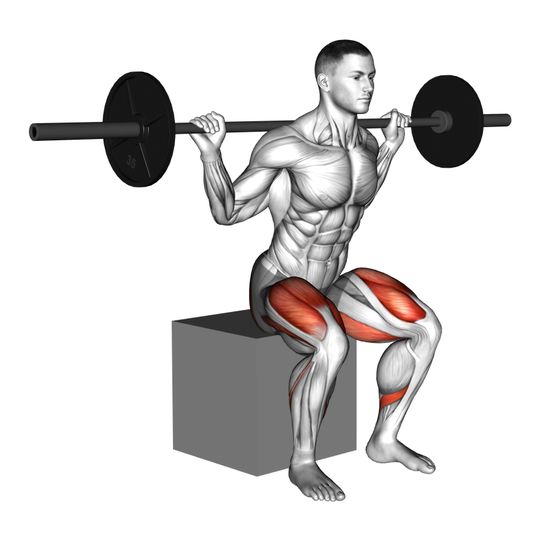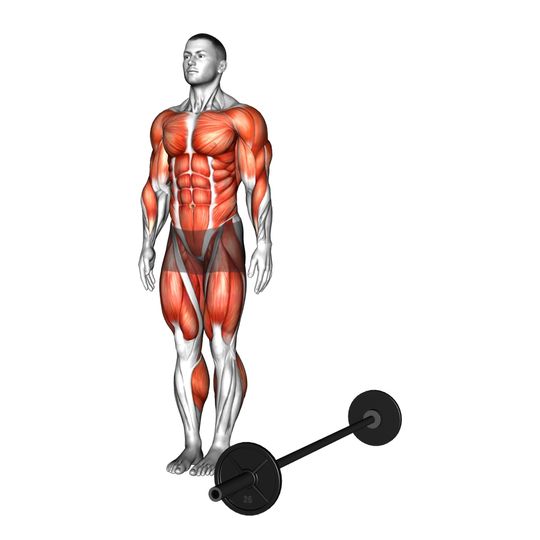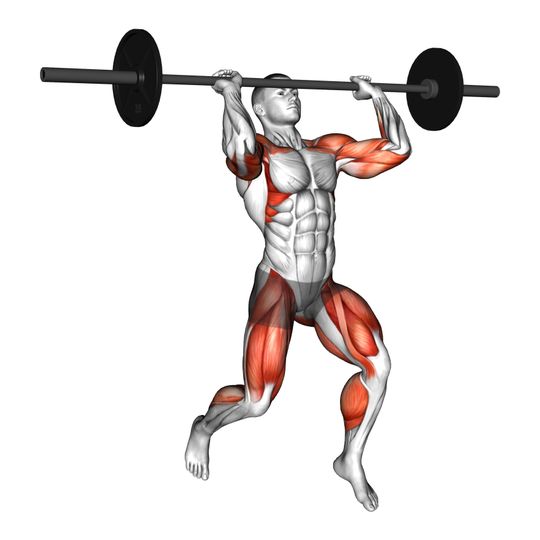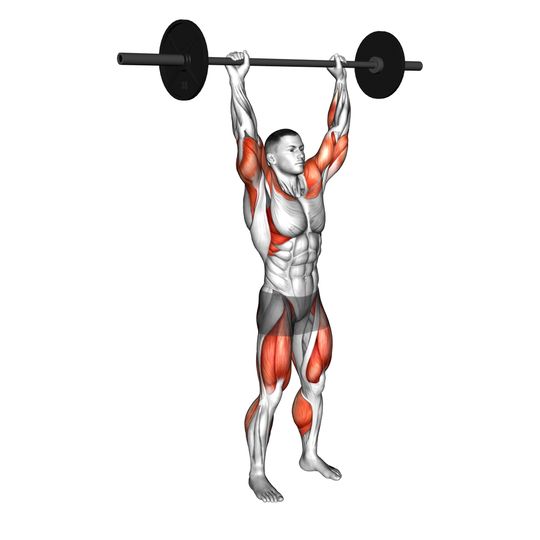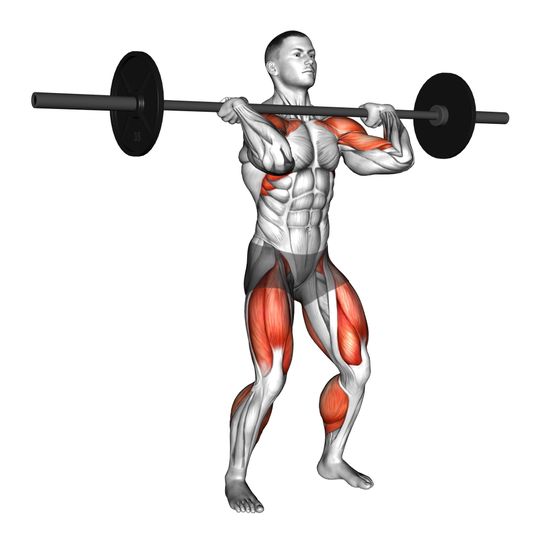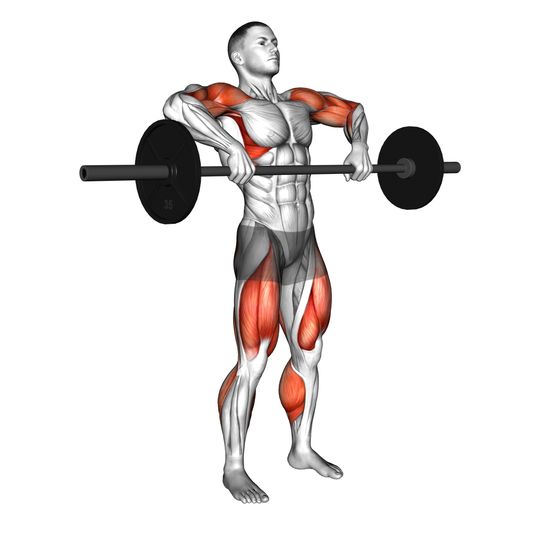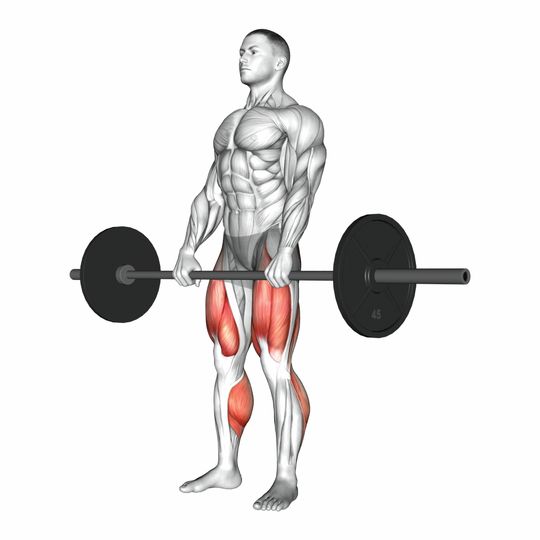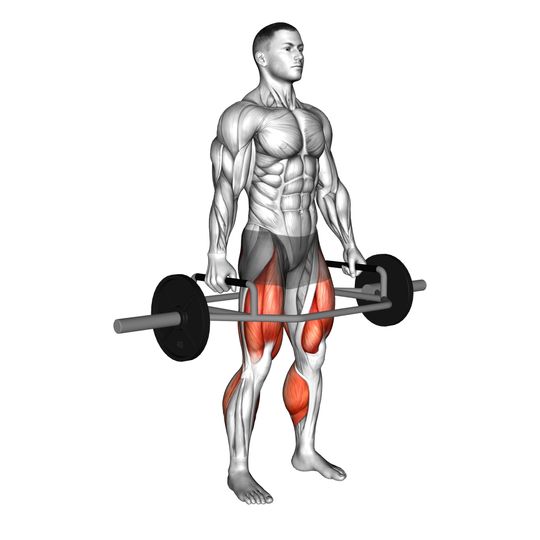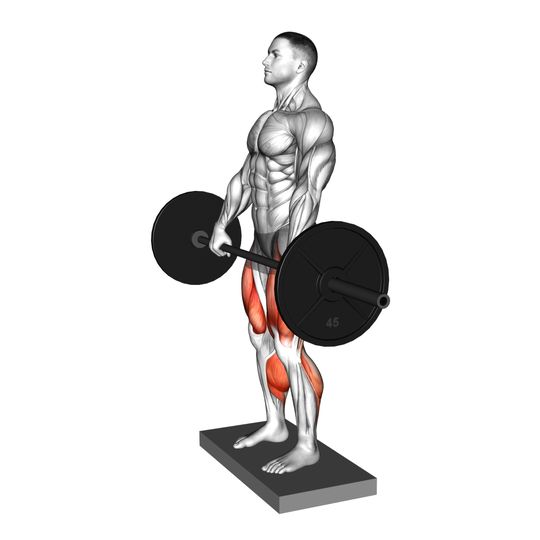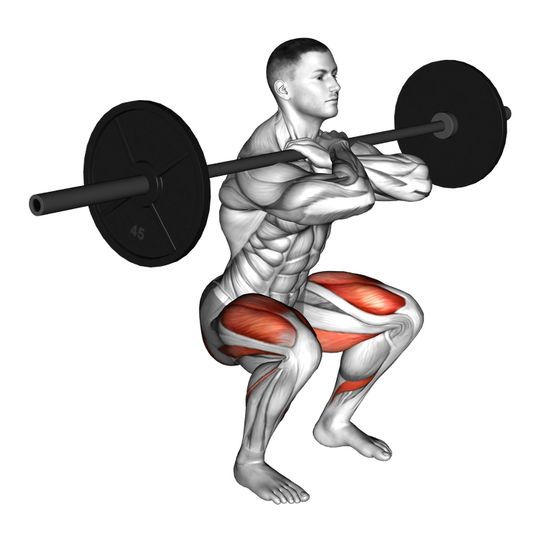


A barbell deadlift performed with a brief pause partway through the upward phase to reduce momentum and increase time under tension. It primarily works the glutes, erector spinae, and quadriceps.
How to do the Pause Deadlift#
- Stand with the bar over mid-foot, feet about hip-width, hinge at the hips and grip the bar firmly.
- Brace your core, pull your shoulder blades down, and set a neutral spine and elevated chest.
- Drive through your feet and extend hips and knees together, keeping the bar close to your legs.
- Hold the bar motionless for a short, controlled pause partway through the ascent.
- Finish by standing tall to full hip extension, then lower the bar back to the floor with control.
Muscles worked#
- Primary: Glutes (Gluteus Maximus), Hamstrings (Biceps Femoris, Semitendinosus & Semimembranosus), Lower back (Erector Spinae)
- Secondary: Quads (Quadriceps Femoris), Adductors (Adductor Magnus, Longus & Brevis (Hip Adductors)), Traps (Trapezius), Forearms (Forearm Flexors & Extensors (incl. Brachioradialis)), Upper back (Rhomboids & Middle Trapezius)
Common mistakes#
- Letting the lower back round during the lift.
- Bouncing out of the pause instead of holding still.
- Allowing the bar to drift away from the legs.
- Failing to brace the core before lifting.
How much should you deadlift?#
What the average deadlift actually is, and what counts as beginner, intermediate, advanced, or elite at your bodyweight — for men and women, in kg and lbs.