

An explosive barbell lift performed from a hanging position that brings the bar to the front rack while receiving it in a squat, working the body as a whole. It combines a powerful leg/hip drive with an upper-body catch to move and stabilize the load.
How to do the Hang Clean#
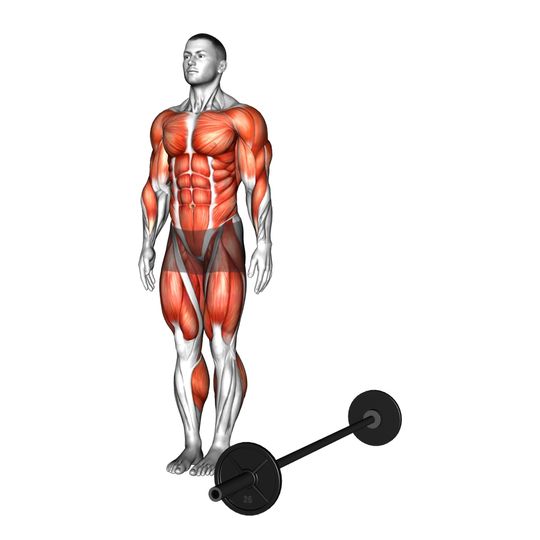
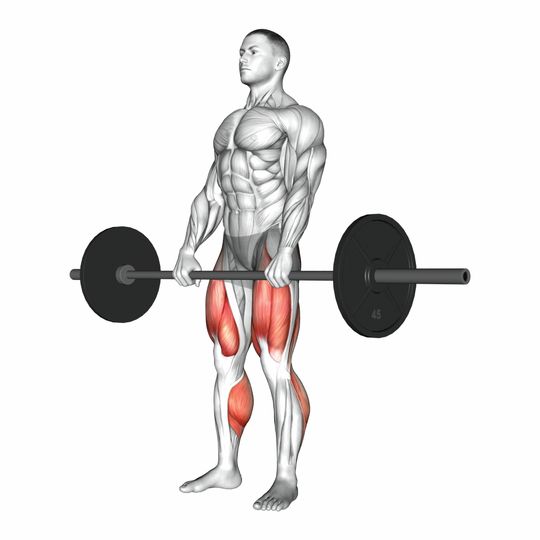
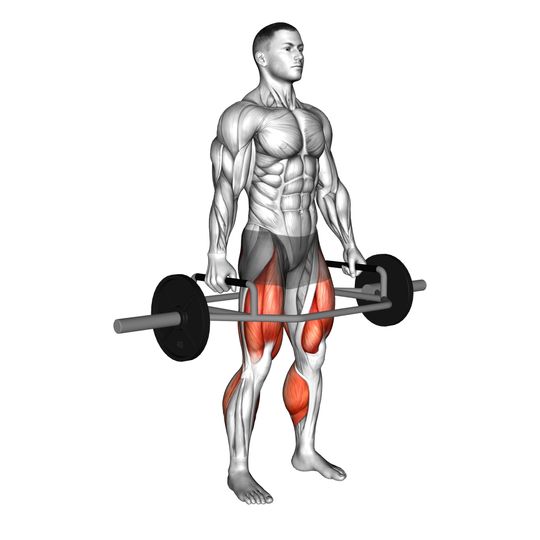
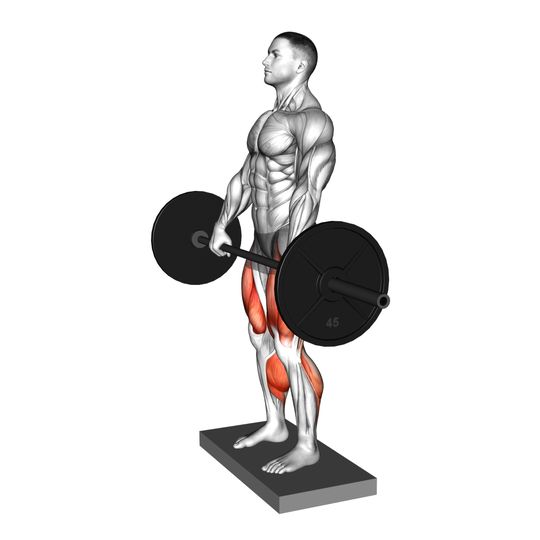
- Stand feet about hip-width with an overhand grip slightly wider than shoulder width and arms extended so the bar hangs.
- Hinge at the hips and bend the knees slightly to establish a paused hang position with your chest lifted.
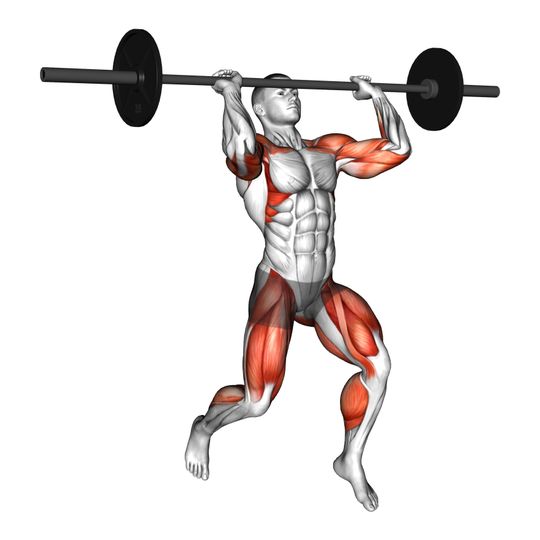
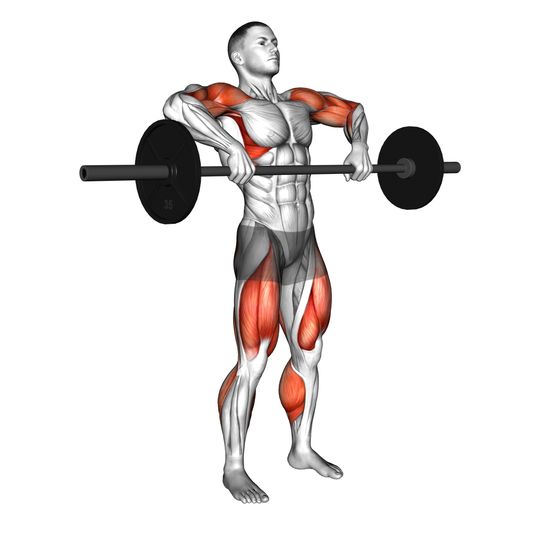
- Drive your hips and legs forcefully upward while lifting your shoulders and pulling the bar upward with straight arms.
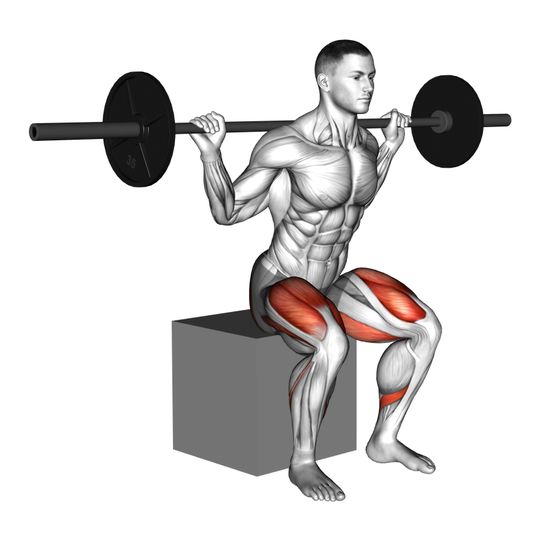
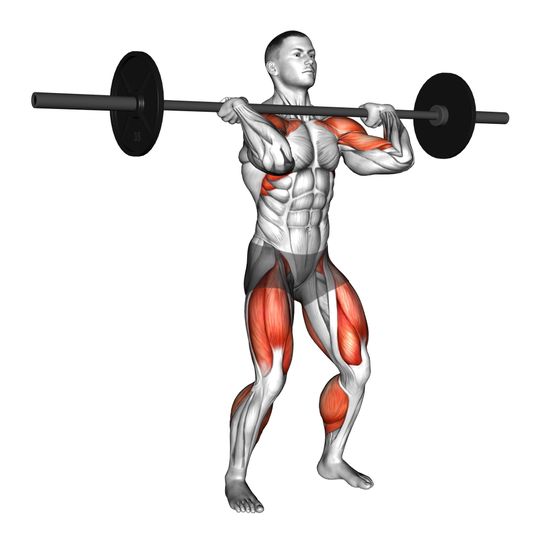
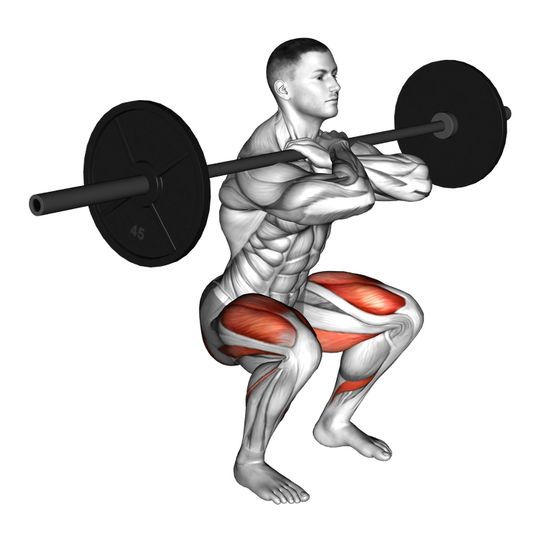
- Quickly drop your body under the bar, rotate your elbows forward and catch the bar on your front shoulders in a squat position.
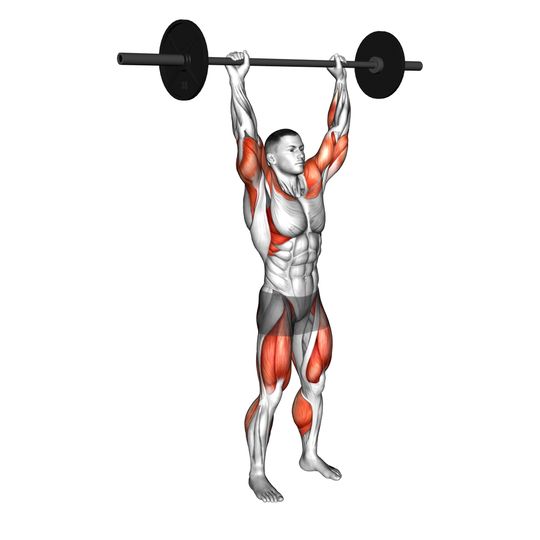
- Stand up from the squat to full extension, then lower the bar back to the hang and reset for the next rep.
Muscles worked#
The hang clean is a hip and knee extension lift first. From the hang, the glutes and hamstrings fire the hips forward while the quads drive the knees open, and that violent triple extension is what sends the bar up; the arms only guide it. The traps and upper back finish the pull with a shrug and then absorb the catch, which is why they grow noticeably in anyone who cleans regularly. The quads then take over again to stand the weight up out of the receiving squat.
Around that, the calves finish the extension onto the toes, the spinal erectors keep the back flat through the hinge, and the forearms and grip hold onto a bar that is trying to leave your hands at speed. The front delts and upper back rack the bar in the catch. Because the whole body contributes for a fraction of a second, the lift feels different from a squat or deadlift: it taxes coordination and the nervous system more than any single muscle.
- Primary: Glutes (Gluteus Maximus), Quads (Quadriceps Femoris), Traps (Trapezius)
- Secondary: Hamstrings (Biceps Femoris, Semitendinosus & Semimembranosus), Calves (Gastrocnemius & Soleus), Lower back (Erector Spinae), Upper back (Rhomboids & Middle Trapezius), Forearms (Forearm Flexors & Extensors (incl. Brachioradialis))
Common mistakes#
- Pulling the bar with the arms first instead of using leg/hip drive.
- Not getting the elbows forward under the bar when receiving the weight.
- Catching the bar on the palms or with low elbows instead of on the front shoulders.
- Standing up before securely receiving the bar in the squat.
Why it works#
The hang clean teaches you to produce force fast, which slow lifts cannot. Rate of force development is what separates a strong athlete from a powerful one, and cleaning from the hang trains the second pull and the catch without the technical demands of pulling from the floor, so most athletes learn it in weeks rather than months.
It is also the most practical Olympic lift variation for a general gym. The start position from the hang is easy to hit consistently, the range is short enough to do for reps without form falling apart, and the load lands on the traps, upper back, and legs at once. If you have room to drop a bar, it is a full lower body power session in three or four working sets.
Sets, reps and setup#
Four to six sets of 2-4 reps with two to three minutes of rest, done first in the session while you are fresh. Keep the reps low; power drops off fast and sets of eight teach you to grind, which is the opposite of the point. Work at 60-80 percent of your best clean.
- Setup
- Grip the bar a thumb outside the legs with a hook grip, stand tall, then push the hips back so the bar slides to just above the knees with the shoulders in front of it. From there, stand up hard and fast, let the hips finish before the shrug, and pull yourself under the bar into a quarter squat with the elbows whipping through. Catch the bar on the shoulders, not the wrists.
- Progression
- Start from a high hang with the bar at mid-thigh and a light load until the timing of hips then shrug then elbows is automatic. Move to the knee-height hang as the catch gets cleaner, add 2.5 to 5 kilograms when every rep of a session is caught in the same position, and only then think about pulling from the floor.
Variations#
- Power Clean Starts from the floor and catches high, adding the first pull off the ground and more setup demands.
- Barbell Clean The full lift from the floor received in a deep front squat, the version contested in weightlifting.
- Clean Pull The pull and shrug without the catch, so you can load the extension heavier than you can rack.
- Hang Snatch The same hang start with a wide grip and the bar caught overhead in one motion, faster and more mobility hungry.
- Clean and Jerk Adds the overhead jerk after the clean, turning it into a complete full body lift.
Hang clean vs power clean#
The power clean starts on the floor, so it includes the first pull, which is the slow, positional part of the lift where most beginners round their back or pull early with the arms. The hang clean skips that entirely and lets you rehearse the explosive second pull and the catch over and over, which is why coaches teach it first.
The trade-off is load. Starting from the floor lets you build momentum and typically lift ten to fifteen percent more, and it trains the leg drive off the ground that matters for sprinting and jumping. Learn the hang clean first, then add power cleans once your catch is consistent.
Common questions#
What muscles does the hang clean work?
The glutes, hamstrings, and quads produce the explosive extension that drives the bar up, and the traps and upper back finish the pull and absorb the catch. The calves, lower back, forearms, and front delts all contribute to holding position and racking the bar.
What is the difference between a hang clean and a power clean?
A hang clean starts with the bar hanging at the knees or thighs instead of on the floor, so it removes the first pull and isolates the fast part of the lift. A power clean starts from the floor and is caught in a quarter squat.
How heavy should hang cleans be?
Most work should sit between 60 and 80 percent of your best clean, for sets of two to four reps. If the bar is slow or you are catching it low and grinding it up, the weight is too heavy for the purpose.
Should I use a hook grip for hang cleans?
Yes. Wrapping the fingers over the thumb stops the bar from spinning out of your hands as you shrug, and it removes the temptation to squeeze and pull with the arms. It hurts for a couple of weeks, then stops.
Why do my wrists hurt after hang cleans?
The bar is landing on your hands instead of your shoulders. Loosen the grip as you catch, let the fingers open, and drive the elbows up and through so the bar sits on the front delts with the hands just holding it in place.
Are hang cleans good for building muscle?
They build traps, upper back, and thick legs indirectly, but the sets are short and stop far from failure, so they are not an efficient hypertrophy tool. Use them for power and pair them with squats and rows for size.