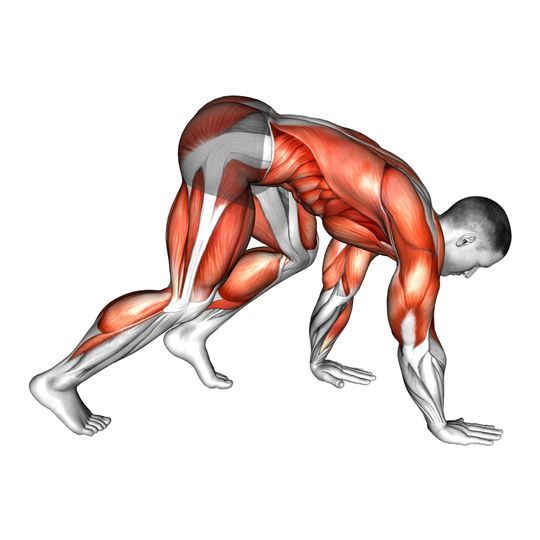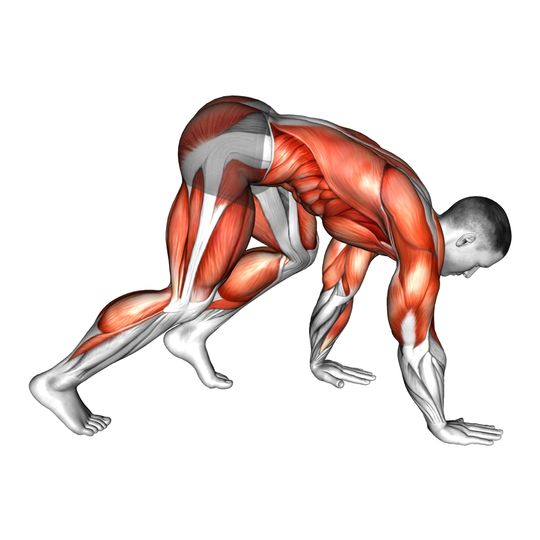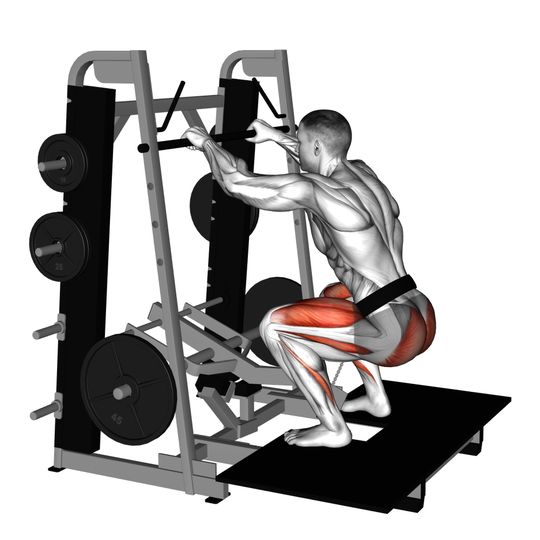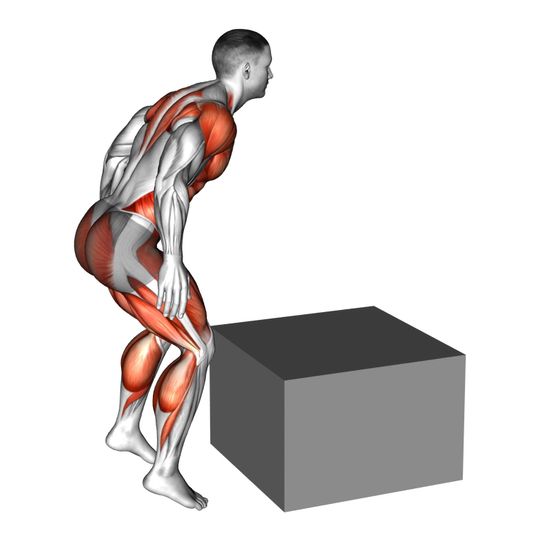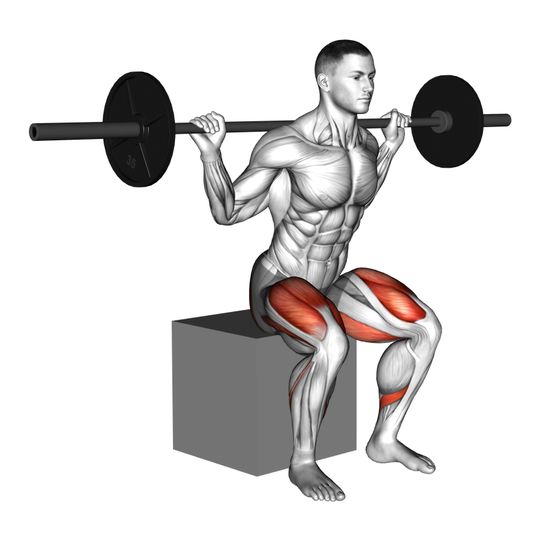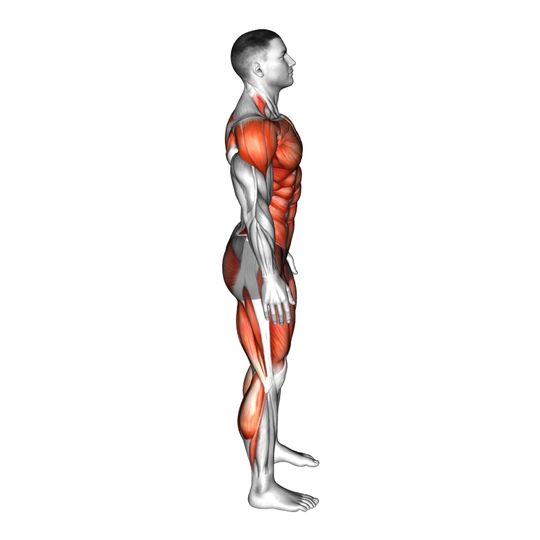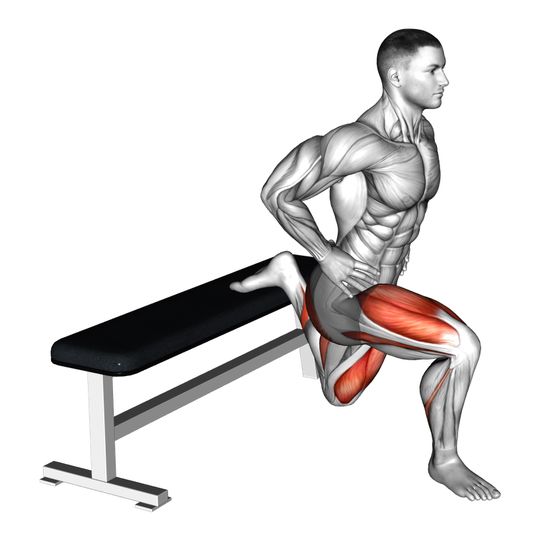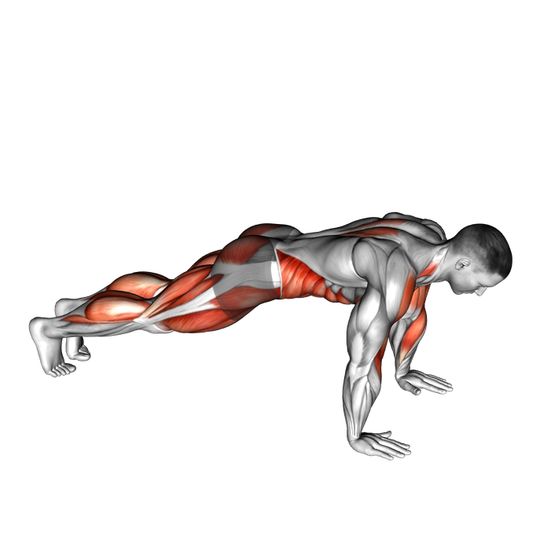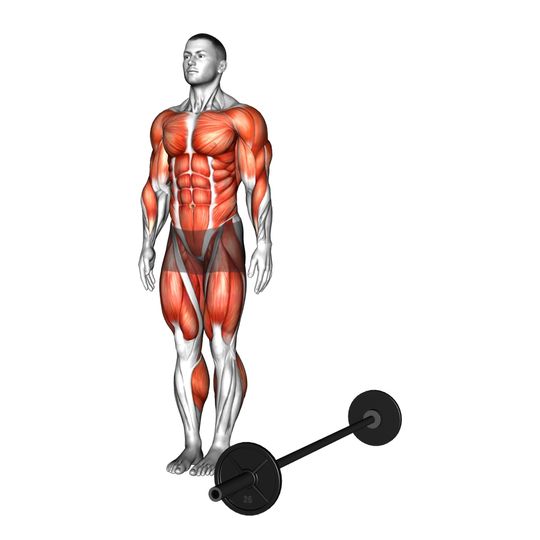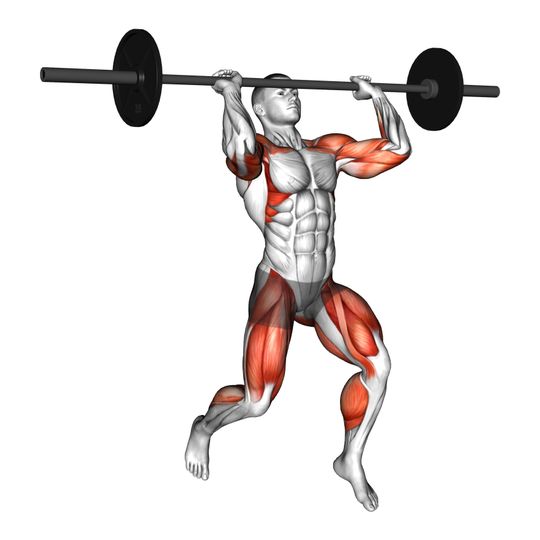


A wide-stance squat variation performed with feet turned outward that primarily loads the quadriceps while involving the hips and thighs. The movement lowers the hips by bending the knees and hips, then returns to standing.
How to do the Sumo Squat#
- Stand with your feet wider than shoulder width and angle your toes slightly outward.
- Brace your core and keep your chest up as you push your hips back to begin the descent.
- Bend at the knees and hips, driving your knees outward to track over your toes as you lower until your thighs are about parallel to the floor.
- Keep your weight through the heels and midfoot throughout the movement.
- Drive through the heels to extend hips and knees and return to the starting position with control.
Muscles worked#
The sumo squat is a wide-stance squat, and the wide stance with turned-out feet is what changes the muscle balance. The quads still extend the knee and the glutes still extend the hip, but the inner thighs — the adductor group, especially the adductor magnus — get pulled into a long, stretched position at the bottom and have to work hard to bring the legs back together as you stand.
The glutes, particularly the gluteus medius on the outside of the hip, work harder than in a normal squat because they have to keep the knees pushed out over the toes. The hamstrings assist at the hip, the calves stabilise the ankles, and the abs brace to keep the torso tall. It feels like a squat in the quads with a distinct pull along the inside of the thighs that a narrow stance never produces.
Common mistakes#
- Allowing the knees to collapse inward.
- Shifting weight onto the toes or lifting the heels.
- Rounding or excessively leaning the torso forward.
Why it works#
It trains the adductors and outer glutes in a way most leg programs skip. Narrow-stance squats, leg presses and lunges hit the quads and the gluteus maximus but leave the inner thighs and hip stabilisers under-worked. The sumo stance loads them as part of a compound lift, which is more useful than isolating them and makes the hips stronger in every other squat and deadlift.
It is also a comfortable squat for a lot of people. The wide stance and turned-out feet give the hips room, so lifters with long femurs or tight ankles often reach depth more easily than in a narrow stance, and the torso stays more upright. With a dumbbell or kettlebell held between the legs it is a productive home exercise that needs nothing but floor space.
Sets, reps and setup#
Three to four sets of 10-15 reps with 60-90 seconds of rest, once or twice a week. Bodyweight sets of 15-20 with a pause at the bottom work well for beginners; once you add a dumbbell or kettlebell, drop to 10-12 and focus on depth.
- Setup
- Feet one and a half times shoulder-width apart, toes turned out around 30-45 degrees. Chest up, hands together in front or holding a weight between the legs. Push the knees out over the toes and sit straight down until the thighs are at least parallel, keeping the whole foot planted. Drive up through the heels and squeeze the glutes and inner thighs at the top.
- Progression
- Hold a dumbbell or kettlebell with both hands hanging between your legs once bodyweight sets of 20 are easy, and add weight when every set reaches the top of the range with full depth. When the heaviest dumbbell stops being a challenge, add a three-second lowering phase and a two-second pause in the bottom, or move to a barbell sumo squat.
Variations#
- Dumbbell Sumo Squat A dumbbell held between the legs, which is the simplest way to load the wide stance.
- Kettlebell Sumo Squat Kettlebell by the horns, sitting lower between the legs and easier to hold for long sets.
- Barbell Sumo Squat The same stance under a bar, for heavy loading once dumbbells run out.
- Cossack Squat Shifts the weight from side to side, stretching one adductor while loading the other leg.
- Goblet Squat The narrow-stance counterpart, with more quad emphasis and less adductor work.
Sumo squat vs regular squat#
The sumo squat shifts work from the quads toward the adductors and outer glutes. The wide stance and turned-out feet stretch the inner thighs and force the hips to hold the knees out, so you get a compound movement that trains the muscles a normal squat leaves alone. It also lets many people squat deeper with a more upright torso.
The regular squat loads the quads through a longer knee range and is easier to load heavy with a barbell, which makes it the better main lift for strength and overall leg size. Neither replaces the other; a sensible program squats narrow for the quads and adds sumo squats or a similar wide-stance movement to cover the inner thighs and hips.
Common questions#
What muscles does the sumo squat work?
The quads and glutes are the main movers, with the adductors of the inner thigh doing far more work than in a normal squat because of the wide, turned-out stance. The gluteus medius holds the knees out, and the hamstrings, calves and core assist.
Is the sumo squat good for inner thighs?
Yes, it is one of the best compound exercises for the adductors. The wide stance stretches them at the bottom and makes them work to pull the legs together on the way up, which is exactly the stimulus they need to grow stronger.
How wide should my feet be for a sumo squat?
Roughly one and a half times shoulder-width, with the toes turned out 30-45 degrees. Wide enough that you feel the inner thighs stretch at the bottom, but not so wide that your knees cannot stay in line with your toes.
How many sumo squats should I do?
Three to four sets of 10-15 reps once or twice a week. Bodyweight sets of 15-20 are fine to start; add a dumbbell or kettlebell when they stop being hard and drop to 10-12 reps.
Sumo squat vs sumo deadlift: what is the difference?
Both use a wide stance, but the sumo squat is a squat with the weight held at the chest or between the legs and the torso upright, while the sumo deadlift pulls a barbell from the floor with more hip hinge. The squat is more quad and adductor; the deadlift is more glute, hamstring and back.