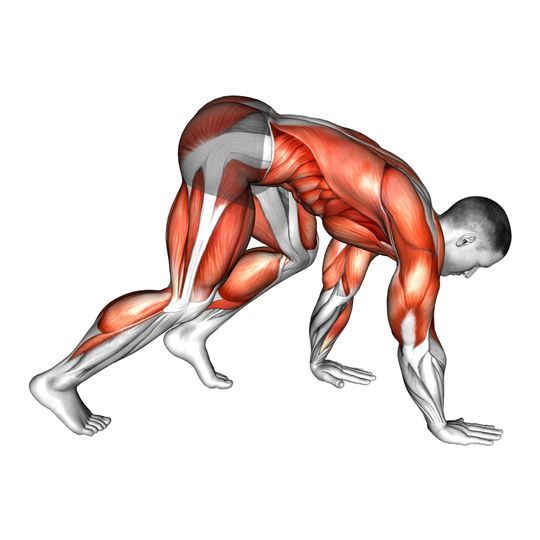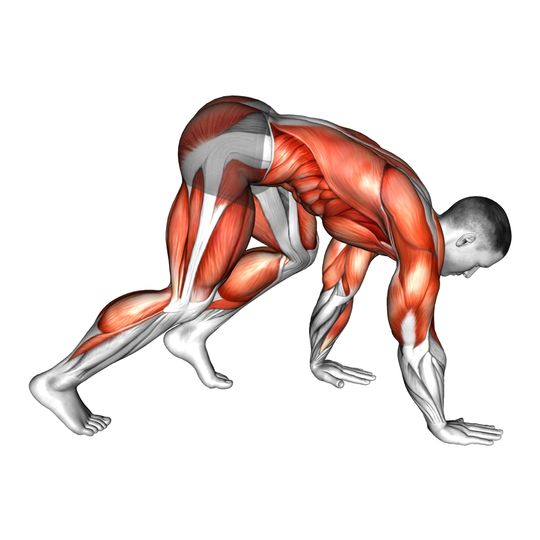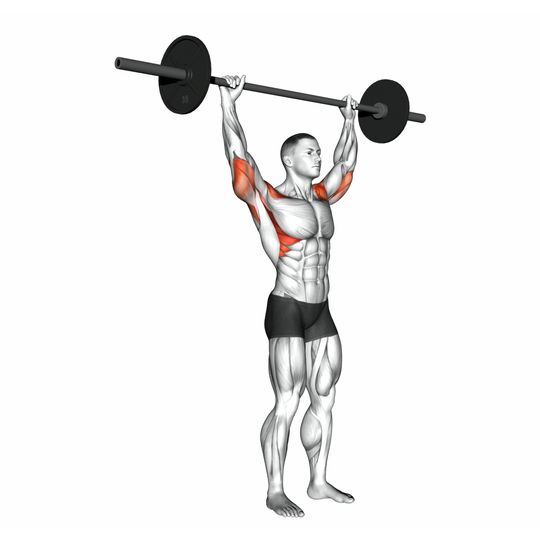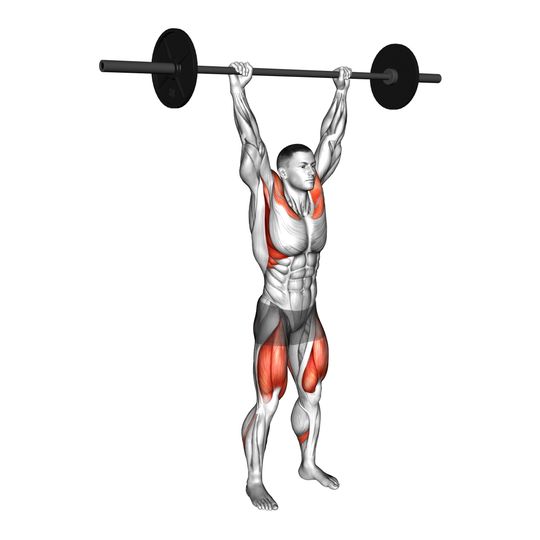


Hold an inverted vertical balance with your head and forearms on the floor, using your shoulders and core to maintain alignment.
How to do the Headstand#
- Kneel and place the crown of your head on the mat with your forearms planted to create a stable base.
- Press your forearms into the floor and actively drive through the shoulders to relieve pressure from the neck.
- Engage your core and glutes, then lift one leg at a time and bring both legs into a straight vertical line overhead.
- Maintain a straight line from head through hips, breathe steadily, and hold the position for the desired duration.
- Lower one leg at a time with control and return to a kneeling position to finish.
Muscles worked#
- Primary: Front delts (Anterior Deltoid), Side delts (Lateral Deltoid), Traps (Trapezius)
- Secondary: Abs (Rectus Abdominis), Triceps (Triceps Brachii), Neck (Sternocleidomastoid & Splenius), Upper back (Rhomboids & Middle Trapezius)
Common mistakes#
- Putting excessive weight on the head instead of pressing through the forearms and shoulders.
- Allowing the shoulders to collapse and losing shoulder stability.
- Overarching the lower back instead of keeping the spine aligned.
- Kicking up forcefully and losing control when coming into the position.