

The leg extension is the only common gym movement that trains knee extension with the hip out of the picture entirely. Your thigh is strapped down, nothing has to balance, and the rectus femoris works at a length no squat pattern reaches — which is why it feels so specific and why it is so hard to replace exactly.
Every substitute makes one of two trades. Bodyweight movements like sissy squats and reverse Nordics keep the hips extended and the knees travelling, so the quads stay isolated, but you cannot dial the load. Squat patterns restore the loading and give up the isolation, because the glutes and adductors start helping the moment the hips bend.
Every leg extension alternative, and what it changes#
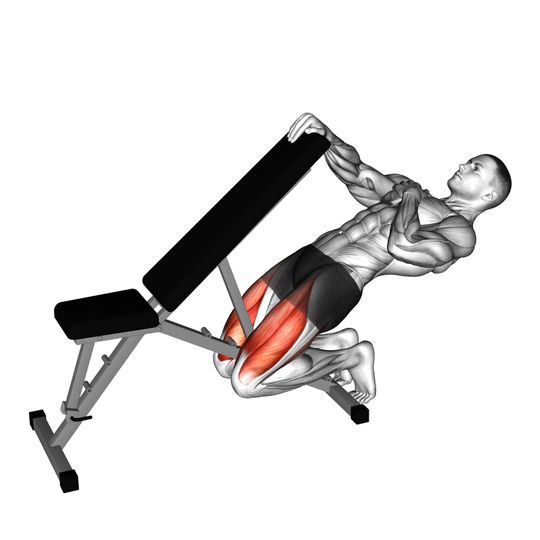
1. Reverse Nordic Curl#
Quads
The closest thing to a leg extension without a machine. Kneeling tall and leaning back keeps the hips extended while the knees flex under load, which puts the rectus femoris under a stretch the machine cannot reach. Brutally hard at first — start with a short lean and a band or doorframe for assistance.
2. Sissy Squat#
Quads
Hips locked, knees travelling forward, heels rising: almost pure knee extension against your bodyweight. It loads the quads in the stretched position rather than the contracted one, so it complements a leg extension more than it copies it. Build up slowly, because the knees take the full brunt.
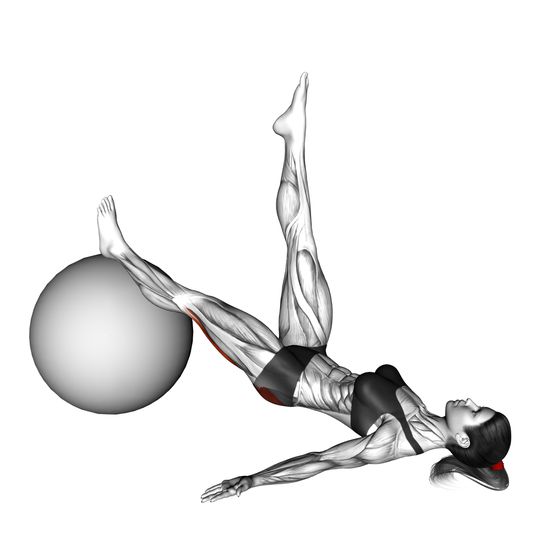
3. Stability Ball Single Leg Extension#
Stability ballQuads
One leg at a time against a stability ball or any rolling support, which keeps the isolation and lets a weaker side catch up. Low load by nature, so use it for long sets and slow eccentrics rather than trying to make it heavy.
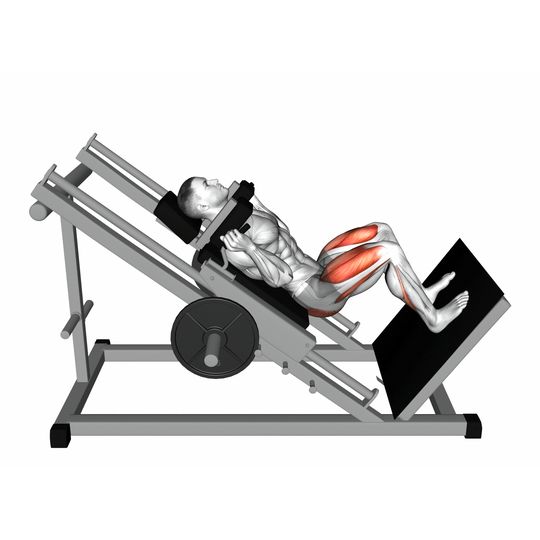
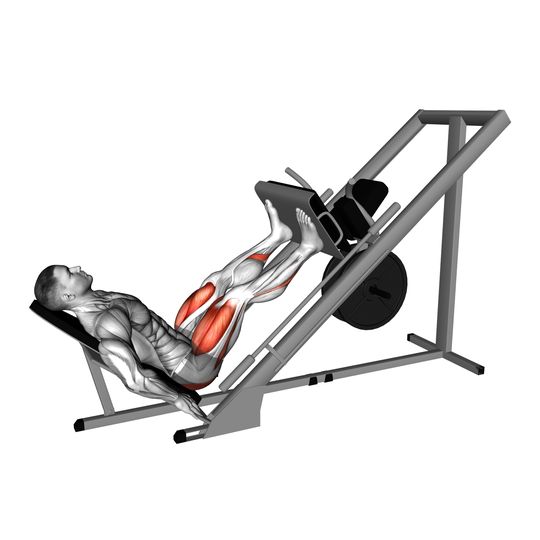
4. Hack Squat#
MachineQuads
The most quad-dominant loaded pattern in most gyms. The supported back and forward foot placement mean the knees travel a long way and the quads take almost everything, so it covers the leg extension’s job with far more weight — at the cost of the glutes joining in.
5. Leg Press#
MachineQuadsGlutes
Move your feet low on the platform, keep the range deep, and the leg press becomes a heavy knee-extension movement with a supported spine. Not isolation, but it is the easiest way to keep loading the quads hard when the extension machine is occupied.
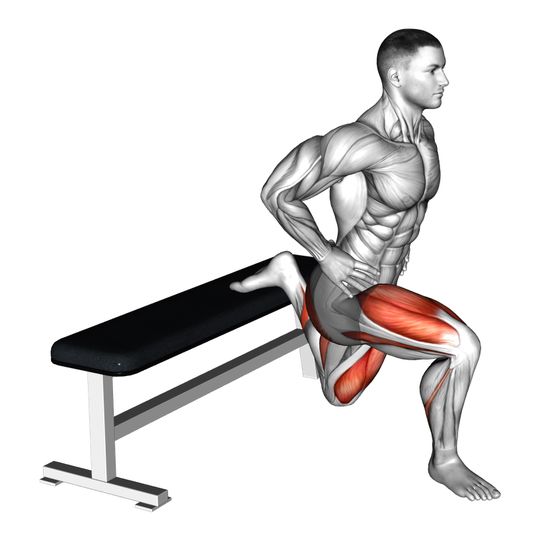
6. Dumbbell Bulgarian Split Squat#
DumbbellBenchQuadsGlutes
A short stance and an upright torso turn a Bulgarian split squat into a quad movement, and one leg working alone means light dumbbells produce a hard set. It also trains the same rectus femoris in a lengthened rear-leg position, which the leg extension never does.
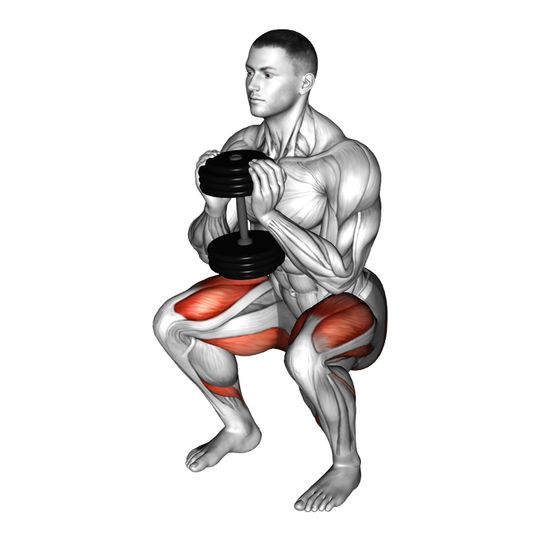
7. Goblet Squat#
DumbbellQuadsGlutes
A dumbbell at the chest keeps you upright and drives the knees forward, and elevating the heels a couple of centimetres pushes the emphasis further onto the quads. Easy to learn, easy to progress, and it needs a single piece of equipment.
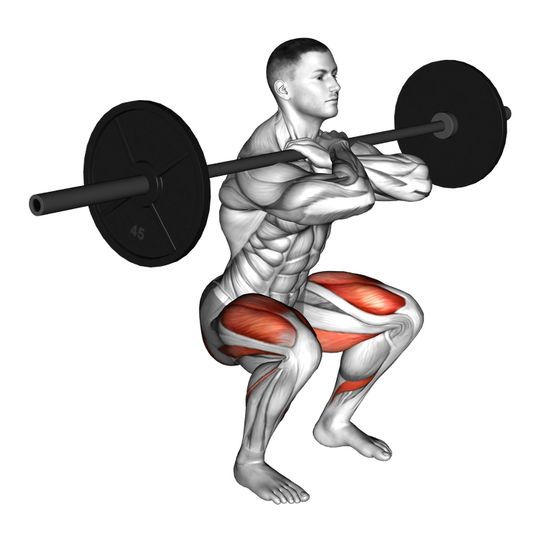
8. Barbell Front Squat#
BarbellQuadsGlutes
The most quad-biased thing a barbell does. A front-racked bar forces an upright torso and long knee travel, so the quads lead and the hips assist. Your upper back and wrists usually decide when the set ends, which is the trade for the loading a bar gives you.
9. Wall Sit#
Quads
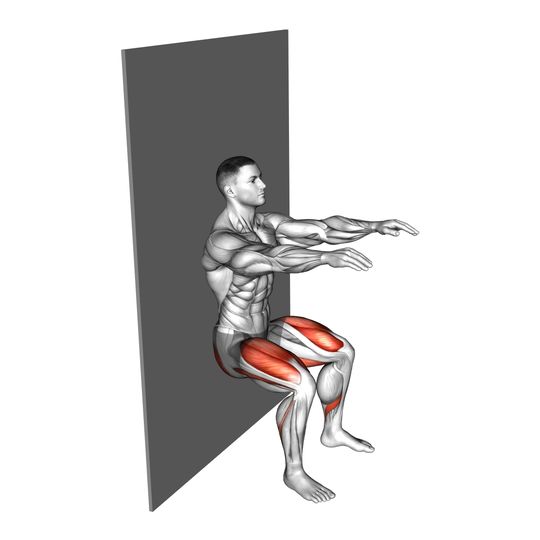
A static hold at ninety degrees, which loads the quads isometrically with nothing but a wall. It builds tolerance to sustained tension and works as a finisher when your legs are already cooked — thirty to ninety seconds is plenty, and adding a plate on the thighs scales it.
How to choose, by what you have#
The same shortlist, filtered by the equipment actually in front of you. Each row names the one to start with.
At home, no equipment#
Start with Sissy Squat
Bodyweight can isolate the quads if you keep the hips extended and let the knees travel. Hold a doorframe and do slow sissy squats, then finish with a wall sit. Reverse Nordic curls are the harder and more effective option once your knees tolerate them — start with a tiny lean and add range weekly.
Dumbbells only#
Start with Dumbbell Bulgarian Split Squat
Dumbbells cannot strap your thigh down, so trade isolation for leverage. Bulgarian split squats with a short stance and a vertical shin put a hard set on one quad with moderate weight; heel-elevated goblet squats are the two-legged version if balance is the problem.
Barbell and rack#
Start with Barbell Front Squat
Front squats are the quad answer with a bar. Keep the torso upright, let the knees travel past the toes, and elevate the heels slightly if your ankles limit the depth. Add slow sissy squats afterwards to cover the isolation the bar cannot give you.
Full gym#
Start with Hack Squat
A hack squat is the closest heavy substitute, and a pendulum squat is better still if your gym has one. Failing both, put your feet low and narrow on the leg press and go deep — the lower the feet, the more the knees travel and the more the quads take.
Frequently asked questions#
What is the best leg extension alternative?
A reverse Nordic curl, if you only care about matching the movement — it is the one substitute that keeps the hips extended while the knees do all the work. If you care about matching the load instead, a hack squat is the answer, because it puts far more weight through the quads than any extension machine.
Can I build quads without a leg extension machine?
Easily. Squat patterns build most of the quad mass most people carry, and the leg extension mainly adds a stretched-position stimulus for the rectus femoris. Hack squats, front squats, and deep split squats cover the bulk; sissy squats and reverse Nordics cover the rest.
Are leg extensions bad for your knees?
For healthy knees, no — the shear forces are well within what the joint handles, and they are used in rehab for exactly that reason. What does cause trouble is jumping straight to heavy loads with a violent lockout. Control the last third of the range and the machine and its alternatives are both fine.
How do I replace leg extensions at home?
Use bodyweight movements that keep the hips straight. Sissy squats with a hand on a doorframe, reverse Nordic curls from a tall kneel, and wall sits between sets cover the pattern. All three load the quads without any hip contribution, and all three scale by slowing down rather than adding weight.
Do squats make leg extensions unnecessary?
Not entirely. Squats train the vastus muscles hard, but the rectus femoris crosses the hip as well, and it works far less in a squat than in a movement where the hip stays extended. That gap is what a leg extension, a reverse Nordic, or a sissy squat fills.