

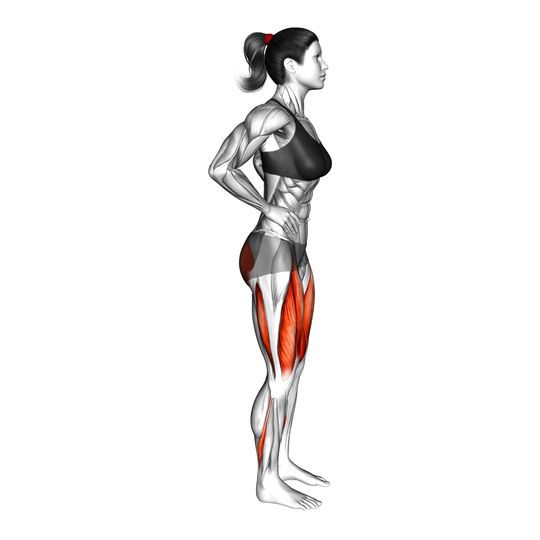
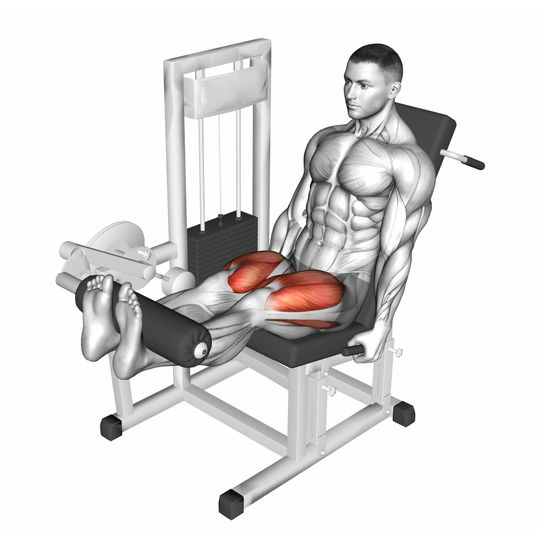
The leg press is a bilateral knee-dominant press: your back is supported, your spine carries almost nothing, and the quads and glutes take a load you could never hold on your shoulders. That combination is what you are actually replacing — not the machine itself.
So a good substitute has to keep two of the three: heavy loading, a knee-dominant path, and a supported torso. Machines keep all three. Barbell squats keep the load and the pattern but hand the spine the bill. Split squats keep the pattern and drop the load requirement to almost nothing, which is why they work at home.
Every leg press alternative, and what it changes#
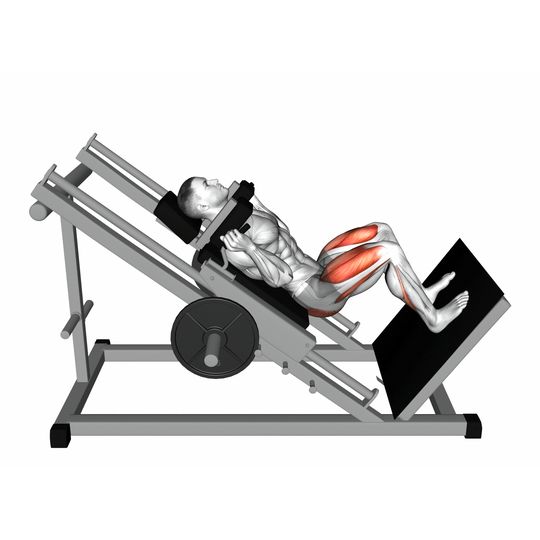
1. Hack Squat#
MachineQuads
The closest match in the building. Same guided knee-dominant press, same back support, same ability to load heavy without stabilising the weight — the only real difference is that your torso is upright and your body travels instead of the sled, which puts a little more stretch on the quads at the bottom.
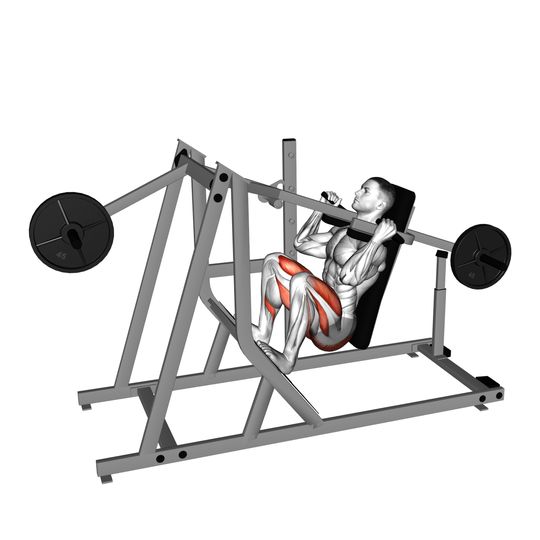
2. Pendulum Squat#
MachineQuadsGlutes
An arced path that keeps tension on the quads through the whole range instead of letting you rest at the top. Back supported, knees loaded, hips only lightly involved — if your gym has one, it is the most quad-biased heavy option here.
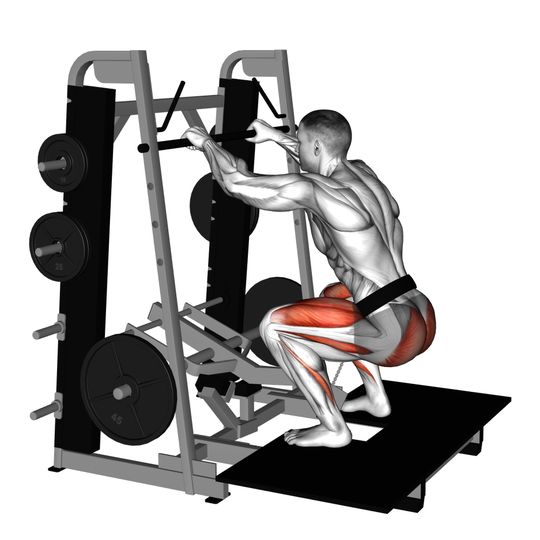
3. Belt Squat#
MachineQuadsGlutes
Loads the hips through a belt rather than the shoulders, so the quads and glutes get squat-level weight with zero spinal compression. This is the substitute to reach for when you chose the leg press specifically to spare your back.
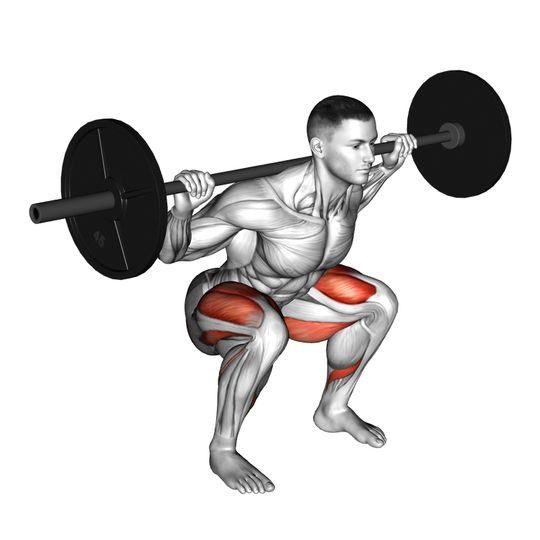
4. Barbell Squat#
BarbellQuadsGlutes
The free-weight parent of the pattern: same quads and glutes, deeper range, far more total muscle involved. The trade is that your spine, core, and upper back now limit the set, so expect to load much less and feel much more.
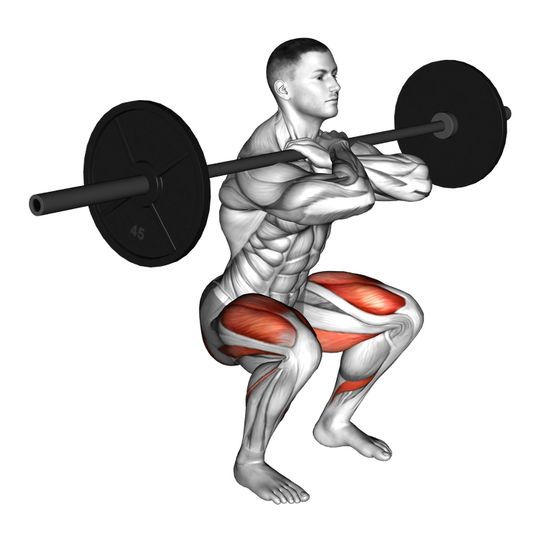
5. Barbell Front Squat#
BarbellQuadsGlutes
Holding the bar in front forces an upright torso, which shifts the work toward the quads and away from the hips — the closest a barbell gets to the leg press strength curve. Wrist and upper-back tolerance is usually the limiter, not the legs.
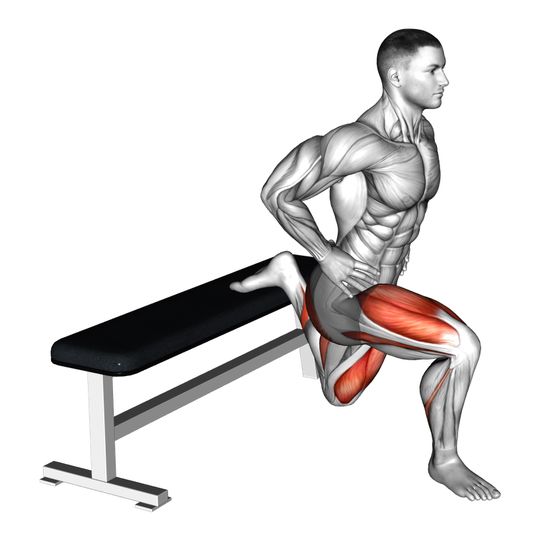
6. Dumbbell Bulgarian Split Squat#
DumbbellBenchQuadsGlutes
One leg at a time means each quad and glute gets a hard set from a fraction of the load, and the rear-leg position adds a stretch the leg press never gives you. Brutal per-rep, and the best answer when the heaviest dumbbells available are light.
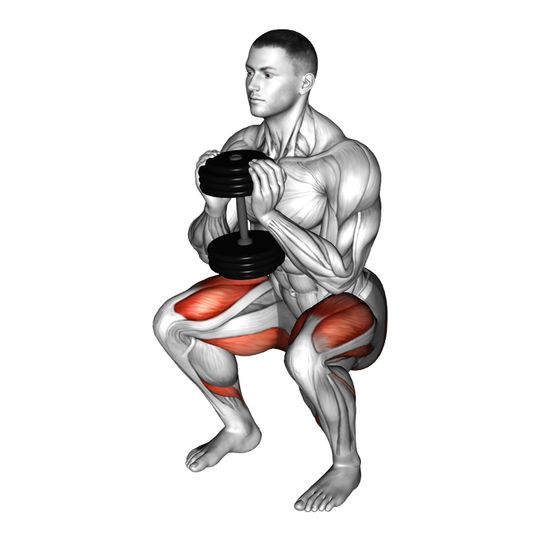
7. Goblet Squat#
DumbbellQuadsGlutes
A single dumbbell held at the chest keeps the torso upright and the knees driving forward, so the quads take the load the way they do on the press. Easy to learn, easy to load progressively, and it needs one piece of equipment.
8. Split Squat#
QuadsGlutes
No equipment at all, and still a genuine quad and glute set once you slow the descent and add reps. Use it as the home stand-in: the pattern survives, and you can bias the quads by keeping the front shin more vertical and the stance shorter.
9. Leg Extension#
MachineQuads
If the leg press was your main quad driver rather than a general leg movement, this isolates exactly that — knee extension with no hip contribution and no stabilising demand. Pair it with any hip-dominant lift to cover what the press also gave you.
How to choose, by what you have#
The same shortlist, filtered by the equipment actually in front of you. Each row names the one to start with.
At home, no equipment#
Start with Split Squat
With nothing but the floor, go unilateral and slow. Split squats on each leg for 12–20 controlled reps produce a real quad stimulus, and a backpack or a pair of water jugs adds the load back when bodyweight stops being hard.
Dumbbells only#
Start with Dumbbell Bulgarian Split Squat
Dumbbells run out of weight long before your legs do, so use a variation that needs less of it. Bulgarian split squats put a hard set on one leg with a load you can actually hold; goblet squats are the gentler entry point if balance is the problem.
Barbell and rack#
Start with Barbell Squat
A barbell replaces the load but not the back support. Back squats give you the most total leg work; front squats sit closer to the leg press feel by keeping you upright and quad-dominant. Expect a much lighter number on the bar than on the sled.
Full gym#
Start with Hack Squat
In a full gym you never have to leave the pattern. Hack squat first, pendulum squat if there is one, belt squat if your back needs sparing — all three keep the supported torso and the heavy knee-dominant press intact.
Frequently asked questions#
What is the closest alternative to the leg press?
The hack squat. It keeps everything that makes the leg press useful — a guided path, a supported torso, and heavy quad-dominant loading — and only changes whether you or the sled does the travelling. A pendulum squat is an equally close match if your gym has one.
Can I replace the leg press with squats?
Yes, but understand what changes. Squats train the same quads and glutes through a longer range and recruit far more supporting muscle, so they build more overall. They also load your spine and depend on core and upper-back strength, which means a lighter absolute weight and more fatigue per set.
How do I replace the leg press at home without machines?
Use single-leg work and control the tempo. Split squats and Bulgarian split squats produce hard quad and glute sets from bodyweight or a light dumbbell, because one leg is doing what two used to. Three seconds down and a pause at the bottom does more than adding reps.
Is the leg press or the hack squat better for quads?
The hack squat, marginally. The upright torso and the deeper knee travel put the quads under more stretch at the bottom, and the load sits closer to the pattern of a squat. The leg press wins on how little it asks of everything else, which matters more on a heavy leg day than the difference between the two.
How much weight should I use on a leg press alternative?
Ignore the number and match the effort. Leg press loads are inflated by the machine angle and the back support, so every alternative here will use dramatically less weight for the same difficulty. Pick a load that leaves one or two reps in the tank and track it from there.