


The reverse pec deck trains one thing: horizontal shoulder abduction, the rear delt pulling your arm backward and out to the side. The chest pad does everything else — it stops you swinging, keeps your lower back out of the set, and lets a muscle that responds badly to heavy weight get a long, strict, high-rep set instead.
So a substitute has to keep the arc and keep the cheating out. Cables hold tension through the whole range and let you pick the angle. Dumbbells work well as long as something supports your torso, because gravity only resists at the top of the arc. Bands and wide-grip rows arrive from a different direction, with more upper back mixed into the same job.
Every reverse pec deck alternative, and what it changes#
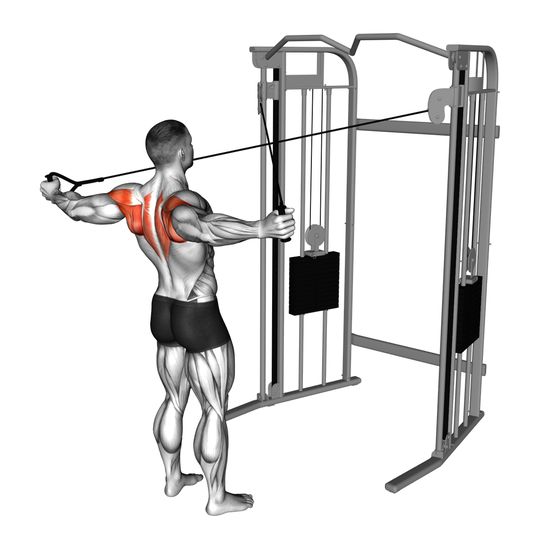
1. Cable Rear Delt Fly#
CableRear delts
Two pulleys set at shoulder height and crossed in front of you reproduce the machine almost exactly, with one advantage: cable tension does not vanish at the start of the rep, so the rear delt is loaded from the stretched position onward. Let your hands finish wide rather than dragging them behind your back.
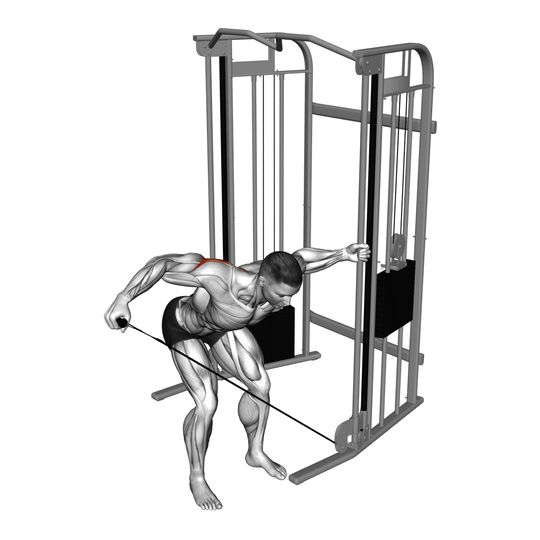
2. Single Arm Cable Reverse Fly#
CableRear delts
One arm at a time roughly doubles the range you can cover — the working hand starts fully across the body and finishes well behind the shoulder line. The rear delt is small and easy to bully out of a rep by the stronger side, and this is the version that stops that happening.
3. Dumbbell Chest Supported Reverse Fly#
DumbbellBenchRear deltsUpper back
Chest down on an incline bench, this is the closest dumbbell match there is: the pad replaces the machine pad, your lower back does nothing, and the only way to move the weight is with the rear delt. Small dumbbells and high reps work far better here than trying to load it.
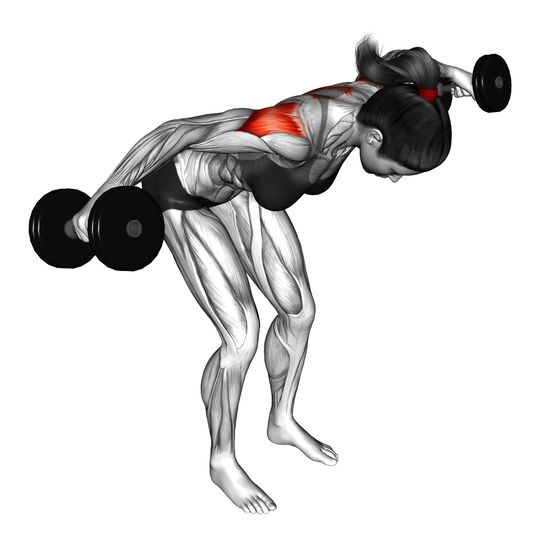
4. Dumbbell Rear Delt Fly#
DumbbellRear delts
The standing bent-over version, which needs no bench and works anywhere. Holding the hinge is usually what ends the set rather than the delts, and the temptation to jerk the weight up with the torso never goes away — hinge until your chest is close to parallel and stop each rep when the arms reach the plane of your back.
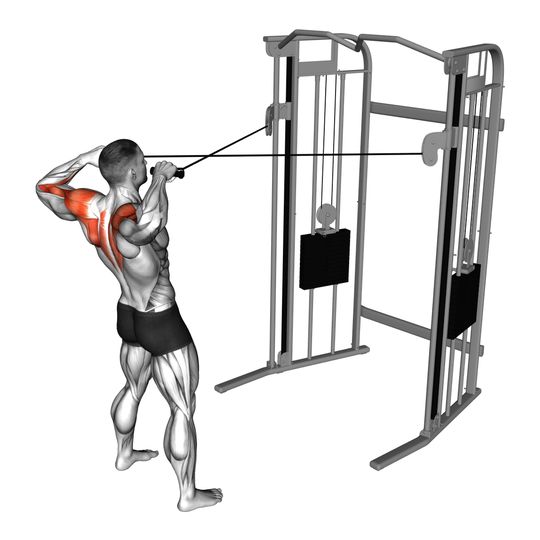
5. Face Pull#
CableRear delts
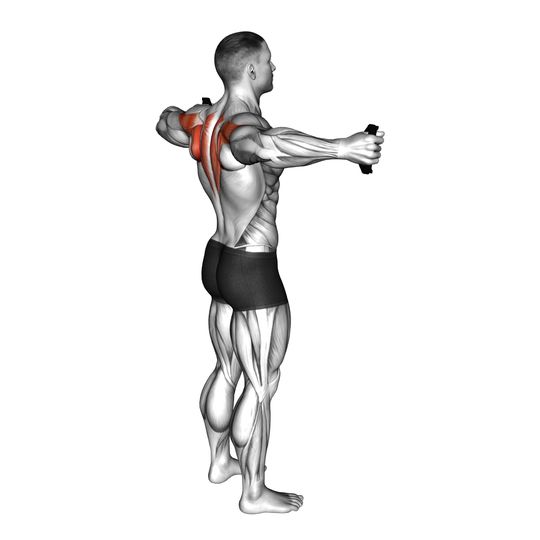
A rope pulled to eye level with the elbows high combines rear delt abduction with external rotation, which is the shoulder-health argument for it. Same muscle, slightly different line, and you can use noticeably more weight than on any fly — so it is the pick when the light dumbbells are all gone.
6. Band Pullaparts#
Resistance bandRear deltsUpper back
A band held at arm’s length and pulled apart is the same movement with resistance that peaks exactly where the rear delts are shortest. It costs almost nothing, fits in a bag, and tolerates the very high rep counts this muscle likes — thirty per set is normal here, not excessive.
7. Wide Grip Seated Cable Row#
CableUpper backLats
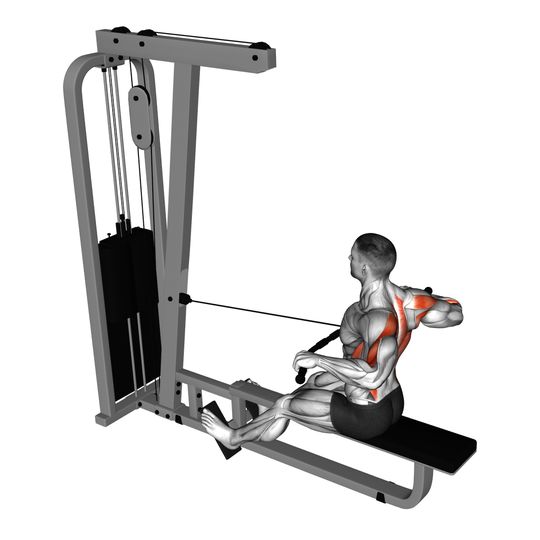
A wide grip pulled toward the collarbone with the elbows flared turns a row into rear delt and mid-trap work. It is not isolation, but it loads much heavier than a fly and trains the same elbow path, which makes it the practical answer when the only free station is a cable row.
8. Barbell Bent Over Row#
BarbellUpper backLats
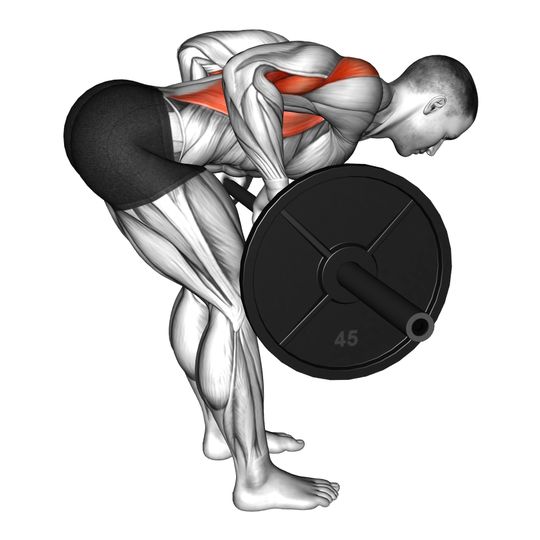
Row wide and high — hands outside shoulder width, bar to the sternum, elbows travelling out rather than back — and a barbell row becomes a rear delt movement instead of a lat one. Heavier than anything else on this list, and the reason plenty of lifters who never touch a fly still have rear delts.
9. Prone Y Raise#
TrapsUpper backRear delts
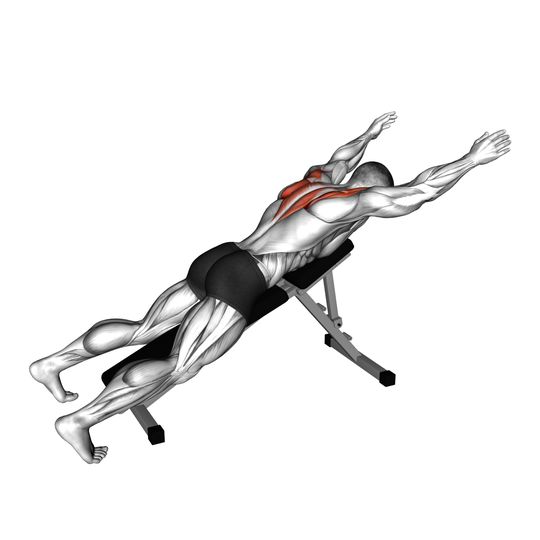
Face down on the floor with your arms overhead in a Y, lifting a few inches is enough to light up the rear delts and lower traps. Nothing to buy and nothing to set up, and the position makes momentum impossible — which is exactly why the reps feel so much harder than they look.
How to choose, by what you have#
The same shortlist, filtered by the equipment actually in front of you. Each row names the one to start with.
At home, no equipment#
Start with Band Pullaparts
One band covers this completely. Pull-aparts at chest height give you the standard angle, and starting wider with the band at forehead height gets you close to a face pull. With no band at all, prone Y raises and floor reverse flyes still produce a hard set — the range is short, so pay for it with reps and a pause at the top.
Dumbbells only#
Start with Dumbbell Chest Supported Reverse Fly
Get your chest on something. An incline bench at around thirty degrees removes the hinge, the momentum, and the lower-back fatigue in one move, which turns the lightest pair in the rack into a genuinely hard set. Without a bench, hinge over and keep the reps slow rather than heavy.
Barbell and rack#
Start with Barbell Bent Over Row
A barbell cannot isolate a rear delt, so bias a row toward it instead. Take a grip wider than shoulder width, pull to the sternum rather than the hips, and let the elbows travel out to the sides. Expect to use roughly half your usual row weight — the elbow path is the point, not the number.
Full gym#
Start with Cable Rear Delt Fly
Work along the cable rack. Two pulleys at shoulder height crossed in front of you is the closest match, single-arm reverse flyes give you the most range, and face pulls let you load heavier when the small plates are all taken. A wide-grip seated row covers the same elbow path if every pulley is busy.
Frequently asked questions#
What is the best reverse pec deck alternative?
A cable reverse fly. It trains the same horizontal abduction the machine isolates, keeps tension on the rear delt from the stretched position all the way to the finish, and lets you set the pulley height to match your shoulders. A chest-supported dumbbell reverse fly is the closest free-weight version.
How do I train rear delts at home without a machine?
Band pull-aparts, and a lot of them. The band peaks in tension exactly where the rear delts are shortest, and the muscle tolerates rep ranges of twenty to thirty better than almost anything else you train. Add prone Y raises on the floor for the overhead angle and you have the machine covered.
Are face pulls a good replacement for the reverse pec deck?
Yes, and they add something the machine does not. A face pull is horizontal abduction plus external rotation, so it trains the rear delts alongside the small rotators that keep the shoulder tracking properly. It also loads heavier than a fly, which makes it easier to progress week to week.
Do rows train rear delts as well as reverse flyes do?
Only if you change how you row. Pulling to the hips with the elbows tucked is a lat movement. Pulling to the sternum with a wide grip and the elbows flared out puts the rear delts in charge, and because a row handles far more weight than a fly, it is often the better long-term driver of growth.
How heavy should reverse pec deck alternatives be?
Much lighter than feels sensible. The rear delt has a tiny moment arm and no help available, so anything heavy enough to require a swing is training your hips instead. Pick a weight you can control for fifteen to twenty-five reps, pause briefly at the end of each one, and progress by adding reps first.
About the exercise you are replacing#
Machine Reverse Fly — form, muscles worked, and common mistakes →