


The seated cable row is the most forgiving horizontal pull in the building. You are seated, your feet are braced, the cable pulls in a straight line at a constant tension, and the weight goes up five pounds at a time. Nothing about the setup limits the set except your back.
That is what a replacement has to protect. Machine rows keep all of it and only change the handle. Chest-supported rows keep the strict positioning and swap constant cable tension for plate loading. Free-weight rows hand the bracing back to your hips and lower back, which raises the ceiling on load and lowers the number of hard sets you can do before fatigue decides for you.
Every seated cable row alternative, and what it changes#
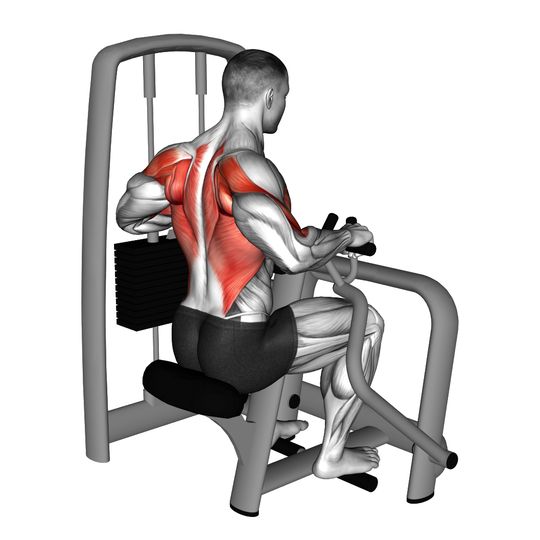
1. Seated Machine Row#
MachineUpper backLats
A plate- or pin-loaded seated row with a chest pad. Same seated position, same pull direction, and the pad means your torso genuinely cannot swing — the strictest version of this movement, and usually free when the cable station is not.
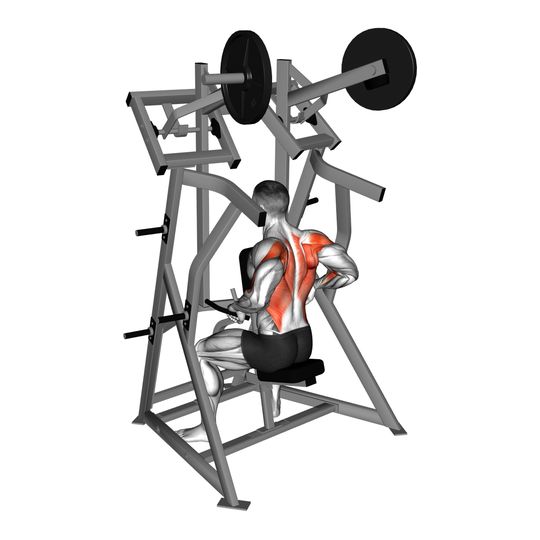
2. Iso-Lateral Low Row#
MachineLatsUpper back
A chest-supported machine row with independent arms, so the stronger side cannot quietly take over and each shoulder blade travels through its own full range. The fixed path makes taking a set to failure safe, which is hard to do with a bar in your hands.
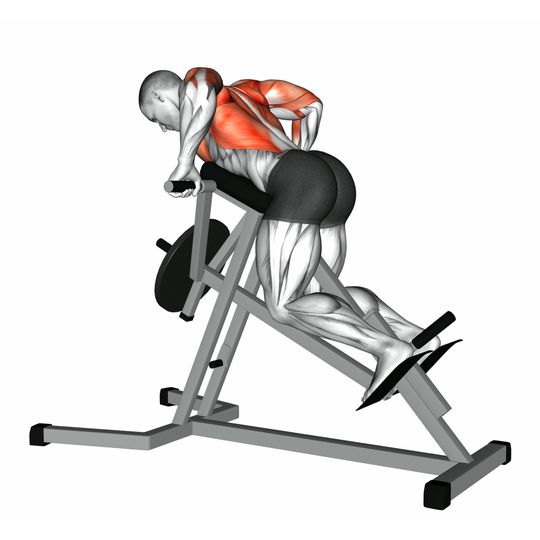
3. Chest Supported T-Bar Row#
MachineLatsUpper back
The heaviest chest-supported option in most gyms. The pad removes the lower back from the equation and the neutral handles keep the elbows close, so it trains the lats and mid-back the way a V-grip cable row does with far more available weight.
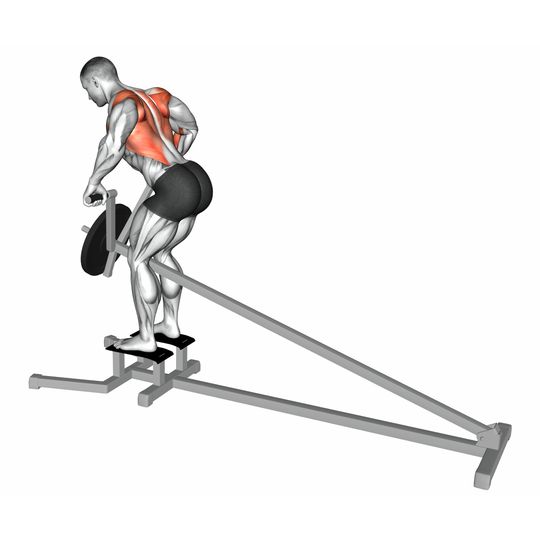
4. T Bar Row#
MachineUpper backLats
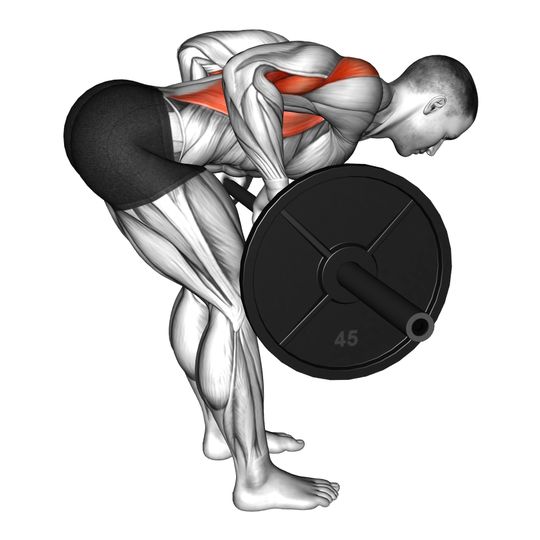
An anchored bar rowed from a hinged stance, with the same neutral grip and elbow path as a close-grip cable row. You give up the seat and take on holding the hinge, which is the trade for being able to load it heavily.
5. Barbell Bent Over Row#
BarbellUpper backLats
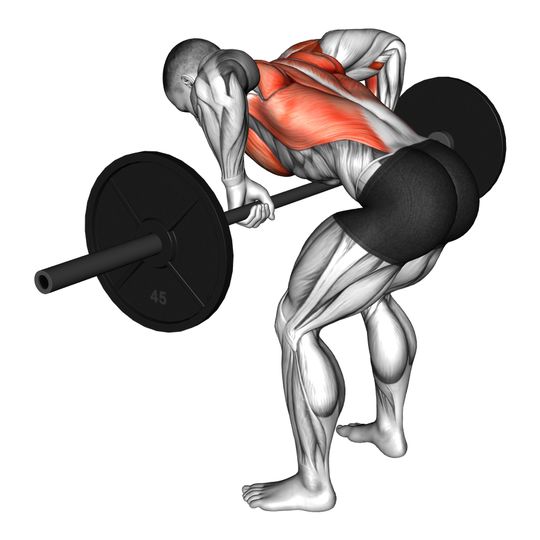
The free-weight standard. Same horizontal pull and the same target muscles, with your hamstrings, glutes, and spinal erectors holding position for the whole set. It builds more total strength than any seated row and costs far more recovery per set.
6. Pendlay Row#
BarbellUpper backLats
A barbell row reset on the floor between reps, which removes the eccentric and forces a strict flat-backed position. Each rep starts from a dead stop, so momentum is impossible and the mid-back has to produce the pull from nothing.
7. One Arm Dumbbell Row#
DumbbellBenchLatsUpper back
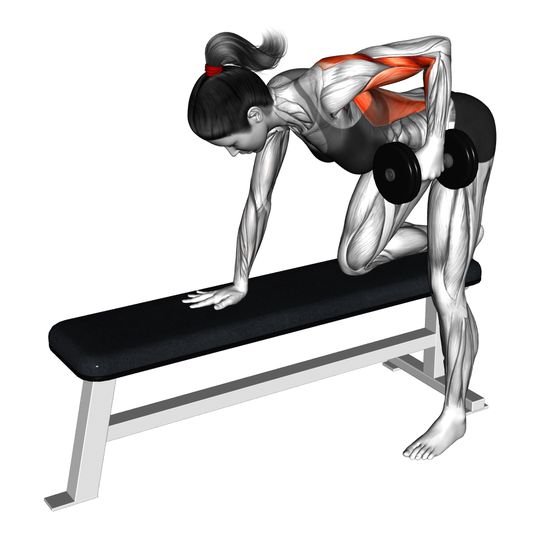
A hand and knee braced on a bench takes most of the load off the spine while the working side rows through a long range with a neutral grip. One dumbbell is enough, and each side gets its own honest set — the closest home approximation of a cable row’s feel.
8. Dumbbell Incline Row#
DumbbellBenchUpper backLats
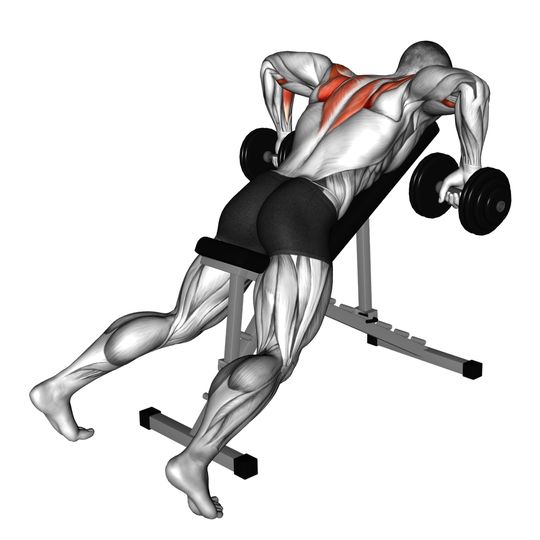
Chest down on an incline bench with a dumbbell in each hand: chest support, neutral grip, no hinge to hold, and no way to cheat with the hips. Effectively the dumbbell version of a chest-supported machine row.
9. Inverted Row#
Other equipmentUpper backLats
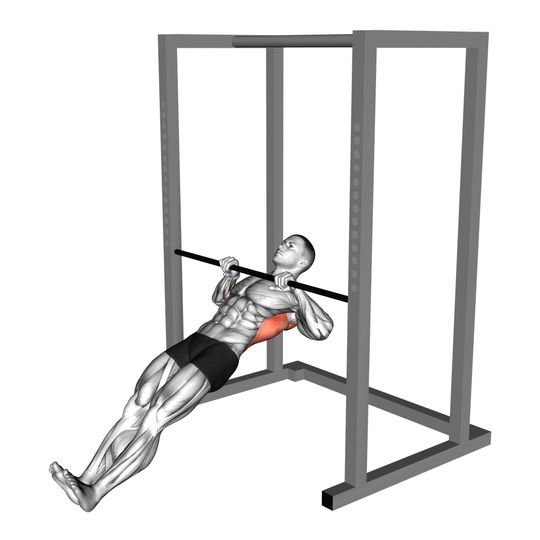
Bodyweight horizontal pulling with the difficulty set by your body angle rather than by a stack. It scales down further than any weighted row and up further than most people expect once the feet go on a bench, which makes it the reliable home substitute.
How to choose, by what you have#
The same shortlist, filtered by the equipment actually in front of you. Each row names the one to start with.
At home, no equipment#
Start with Inverted Row
Anything you can lie under works — a low bar, a sturdy table, rings, or a broom across two chairs. Set the difficulty with your body angle: walk the feet in to make it easier, elevate them on a chair to make it harder. Pull the chest to the bar and pause there for a second on every rep.
Dumbbells only#
Start with One Arm Dumbbell Row
A single dumbbell and a bench cover the pattern completely. Brace one hand and knee, let the shoulder blade travel at both ends of the rep, and row toward the hip rather than straight up. With two dumbbells and an adjustable bench, an incline row is the stricter option.
Barbell and rack#
Start with Barbell Bent Over Row
Bent-over rows are the direct answer, and Pendlay rows are the strict one if your torso tends to rise during a set. Keep the torso close to parallel, pull to the lower ribs, and use meaningfully less weight than your cable stack suggests — the seat was doing more work than you think.
Full gym#
Start with Seated Machine Row
Stay chest-supported. A seated machine row is the closest swap, an iso-lateral low row fixes side-to-side differences, and a chest-supported T-bar row gives you the most load. All three keep the lower back out of the set, which is the main reason to row seated in the first place.
Frequently asked questions#
What is the best seated cable row alternative?
A chest-supported machine row. It keeps the seated position, the strict torso, and the smooth loading, and only changes the handle and the resistance source. If you want the same movement with more weight available, a chest-supported T-bar row is the next step up.
Can barbell rows replace seated cable rows?
They train the same muscles, but they are a harder exercise to recover from. Holding a hinged position loads your hamstrings and lower back for the whole set, so fatigue arrives sooner and your back is rarely the thing that fails. Most people benefit from keeping one of each in the week.
How do I replace the seated cable row at home?
Inverted rows under a table or a low bar, plus single-arm dumbbell rows if you own a dumbbell. Inverted rows scale by body angle rather than by weight, so they stay useful at every strength level, and a slow pull with a pause at the chest gets close to the tension a cable provides.
Does the handle change what a seated row trains?
It changes the emphasis, not the exercise. A close neutral V-grip pulled to the navel keeps the elbows tucked and biases the lats. A wide bar pulled to the sternum with flared elbows shifts work to the rhomboids, mid-traps, and rear delts. Rotating between them over a training block covers both.
Why does my lower back round on seated row alternatives?
Usually because the weight is pulling your torso forward faster than your hips can resist it. On seated rows, keep a soft knee bend and stop letting the stack drag you past vertical. On free-weight rows, drop the load, brace before the first rep, and stop the set when the position starts to change.
About the exercise you are replacing#
Seated Cable Row — form, muscles worked, and common mistakes →