


Jim Wendler's 5/3/1 is the program people graduate into when adding weight every session stops working. Four main lifts — squat, bench, deadlift, overhead press — trained once a week each, with a four-week wave of intensity, a hard amrap on the last set, and enough assistance work to keep the rest of the body honest. This guide is the complete template: training max, the weekly percentages, a full four-day routine you can log in Gript, and the rules that keep it from turning into an easy hobby.
How 5/3/1 is built#
Everything hangs off a training max: 90% of your true one-rep max, not 100%. Percentages are taken from that number so the prescribed sets are repeatable on a bad week. Estimate the 1RM from a recent hard set with the one-rep max calculator, multiply by 0.9, and write that down as the training max for each lift. If you have to grind the third set of week one, the training max is too high — lower it 5% and start the cycle again.
The four-week wave is always the same. Weeks 1–3 get heavier; week 4 is a deload. The last set of weeks 1–3 is an amrap: hit the prescribed reps, then keep going while the bar speed is honest. That amrap is the progression — not jumping the training max every Monday.
| Week | Set 1 | Set 2 | Set 3 (amrap) |
|---|---|---|---|
| 1 — 5s | 65% × 5 | 75% × 5 | 85% × 5+ |
| 2 — 3s | 70% × 3 | 80% × 3 | 90% × 3+ |
| 3 — 5/3/1 | 75% × 5 | 85% × 3 | 95% × 1+ |
| 4 — deload | 40% × 5 | 50% × 5 | 60% × 5 |
Percentages are of the training max. After a full cycle, if the amraps were strong — more than a couple of extra reps on week 3 — add 2.5 kg to the upper-body training maxes and 5 kg to squat and deadlift, then run the four weeks again. If week 3 was an ugly single, do not add anything. The program rewards patience and punishes inflating the max to look busy.
The four-day routine#
Classic 5/3/1 is four days: overhead press, deadlift, bench, squat, with a rest day between the two heavier lower-body sessions. Each day is the main lift through the week's percentages, then First Set Last — FSL — at the first working-set weight, then two assistance movements. Rest 3–5 minutes on the main work and 1–2 minutes on assistance. Warm up to the first working set; the warm-up calculator lays out the jumps from the empty bar.
- MonPress
- TueDeadlift
- ThuBench
- FriSquat
Day 1 — Press
 5/3/1 + 5×5 FSL
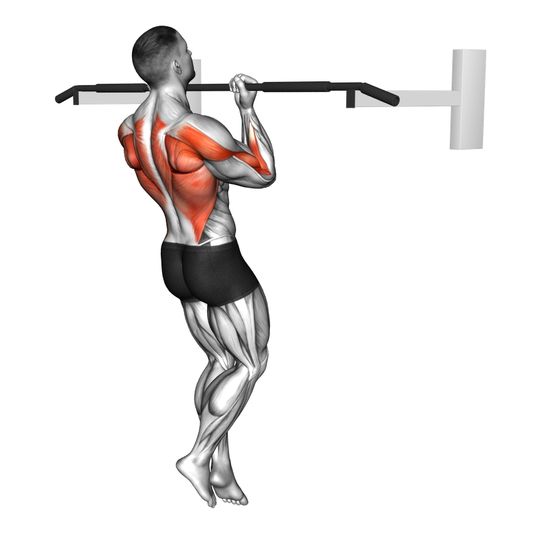 5 × 8–12
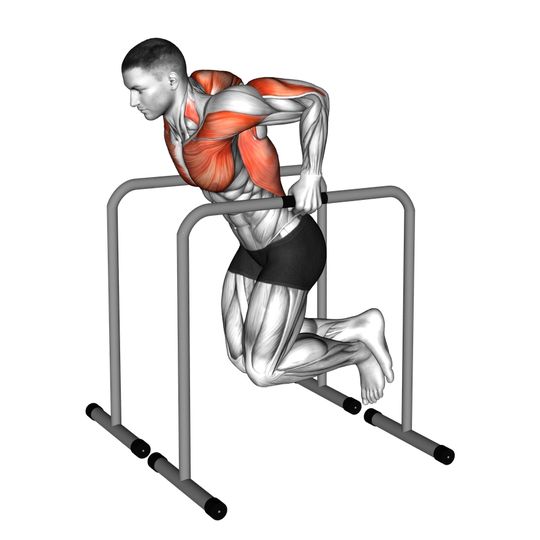 5 × 8–12
Day 2 — Deadlift
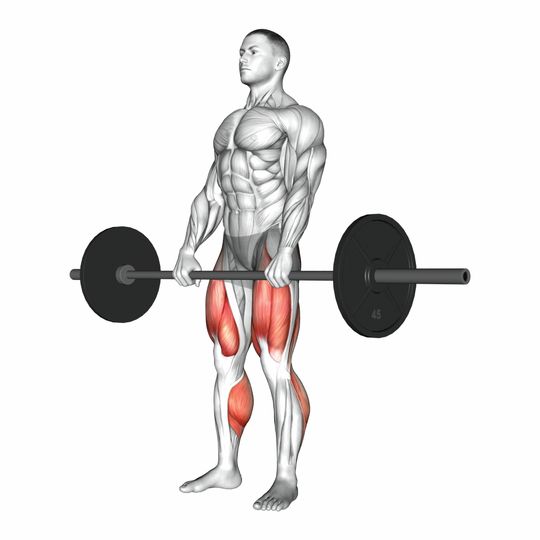 5/3/1 + 3×5 FSL
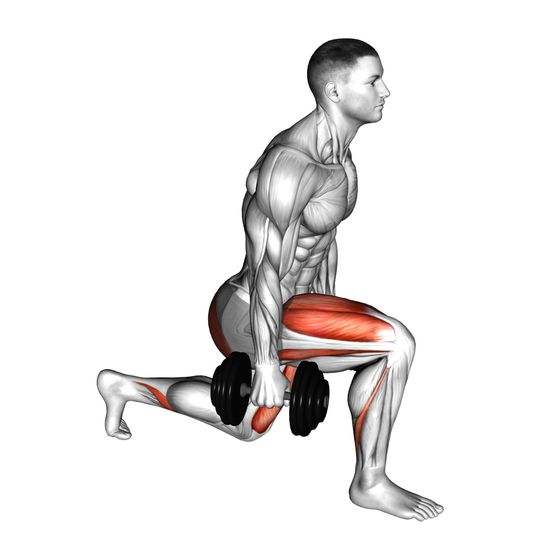 4 × 8–12 per leg
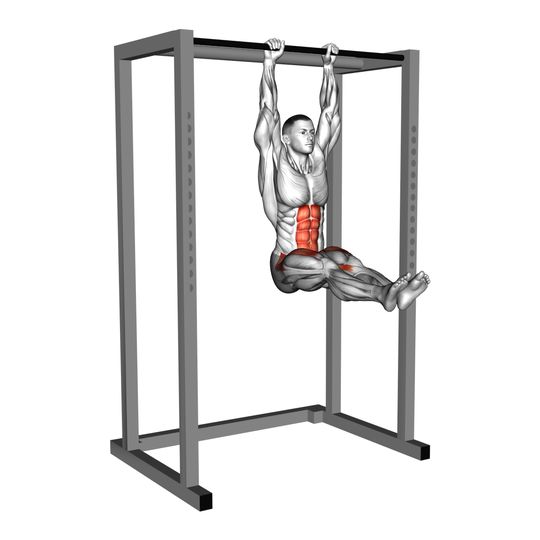 5 × 10–15
Day 3 — Bench
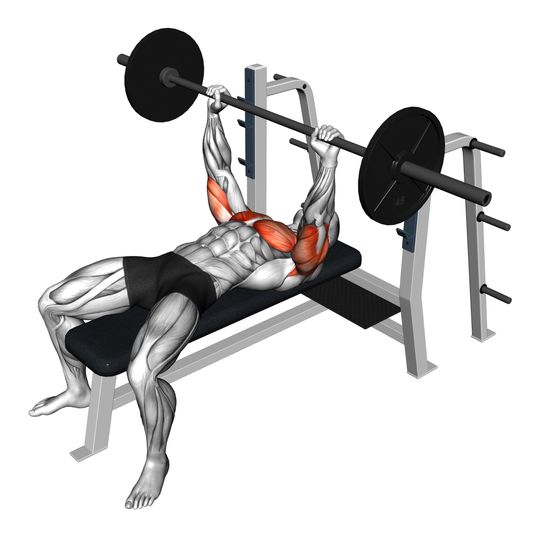 5/3/1 + 5×5 FSL
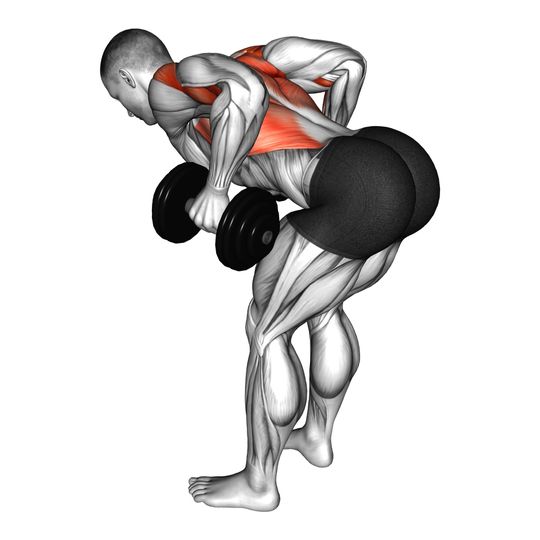 5 × 8–12
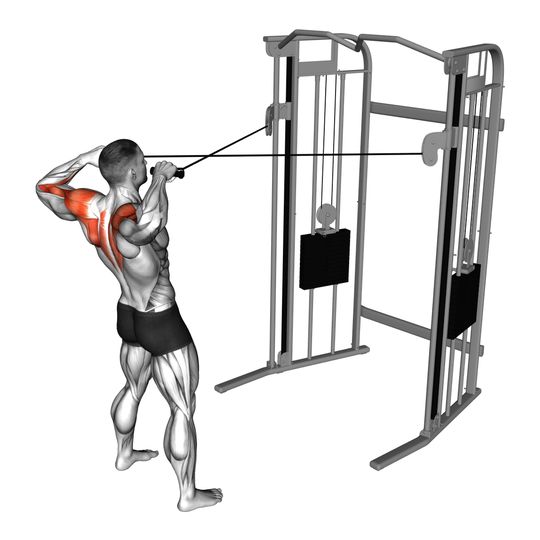 5 × 15–20
Day 4 — Squat
 5/3/1 + 5×5 FSL
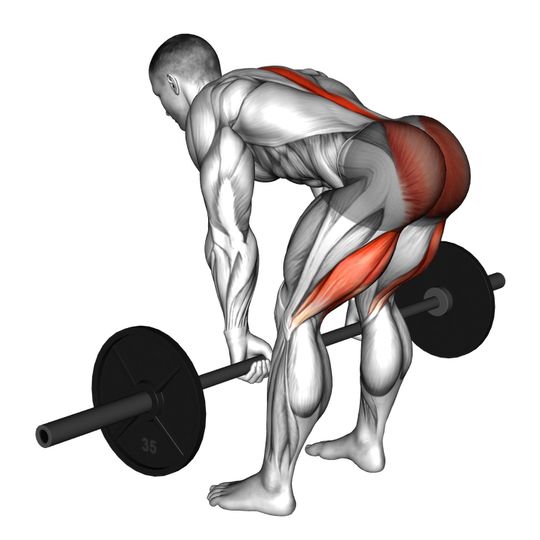 4 × 8–12
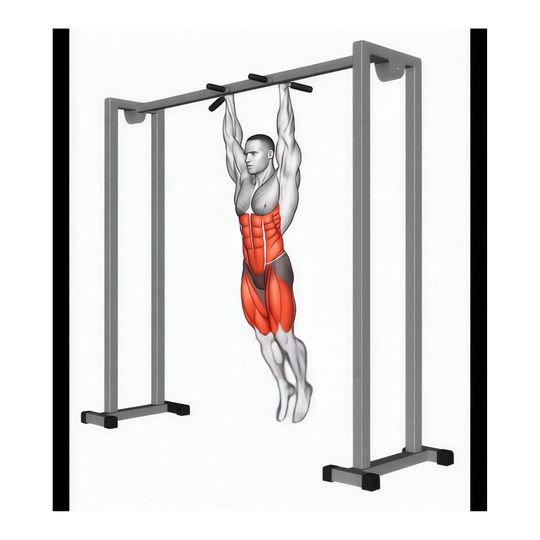 5 × 10–15
FSL means five sets of five (three sets of five on deadlift) at the same weight as set 1 of the main work — 65%, 70%, or 75% depending on the week. Skip FSL on the deload week. The assistance is not a second program: chin-ups and dips on press day, a single-leg movement and abs on deadlift day, a row and rear-delt work on bench day, a hinge and abs on squat day. If a session runs past 75 minutes, cut an assistance set, not a rest on the main lift.
Set the four days up as separate routines in Gript — here is how — and put the week-1 / week-2 / week-3 percentages in the notes or as separate routines so you are not recalculating plates in the rack. The percentage chart and the plate calculator do the arithmetic.
Who it suits — and who should wait#
5/3/1 is for lifters who have already run out of linear progression. If you can still add 2.5 kg to the squat most sessions on a 5×5, stay there. 5/3/1 will not beat a program that still adds weight twice a week; it exists because that eventually stops. You also need to know approximate maxes, be willing to take an amrap seriously, and recover from four sessions that include a heavy hinge and a heavy squat in the same week.
It is a poor first program, and it is a poor match for anyone who wants a different main lift every session or a six-day body-part split. The whole point is practising the same four lifts, every week, for a long time. If that sounds boring, it is working.
Assistance, BBB, and the other templates#
The four-day layout above is 5/3/1 + FSL, which is the version most intermediates should run first. Wendler's other famous template is Boring But Big: after the main 5/3/1 sets, do 5×10 of the same lift at about 50% of the training max. BBB builds more muscle and more fatigue. Run FSL until the amraps are consistently strong, then try BBB on press and bench only if you want extra upper-body volume.
Three-day and two-day versions exist — rotate the four lifts across whatever days you have, and keep the same weekly percentages. Do not drop the amrap to “save energy” for accessories. The amrap is the program.
How to progress, and when to stop a cycle#
Progress is the training-max bump after a clean cycle, plus whatever the assistance does under double progression — add reps in the range, then add weight. Track the main-lift amraps: a week-3 squat that goes 95% × 4 when last cycle was × 2 is real progress even if the training max has not jumped yet.
End a cycle early only if the third set of week 1 is already a grind. That means the training max was optimistic. Drop it 5–10%, deload, and start week 1 again. Do not invent extra volume to rescue a max you should not have used. If several cycles in a row produce no extra reps on the amraps, read the gym plateau guide before you add a fifth day — the usual problem is the training max, the effort on set 3, or recovery, not a missing lift.
5/3/1 rewards a log. Write the training maxes down, run the wave, take the last set honestly, and add the smallest plate when the amraps have earned it. That is the entire method, and it is why people are still running this program a decade later.