


Powerbuilding is what most experienced lifters end up doing whether they call it that or not: train the squat, bench, deadlift and overhead press like a powerlifter, then train everything else like a bodybuilder. Heavy percentage work first, hypertrophy accessories after, in the same session. This guide explains why that combination works and gives you a complete four-day program with a progression scheme you can run for months.
What powerbuilding actually is#
Powerlifting programs are built around a small number of lifts trained at high intensity, because the goal is a one-rep max. Bodybuilding programs are built around volume spread across every muscle, because the goal is size. The two are not opposed — they are the same adaptation viewed from different ends.
Powerbuilding puts them in the same session, in the order that makes both work:
- Main lift first: 3–5 sets in the 3–6 rep range at a prescribed percentage or RPE, when you are fresh and technique is best. This is the strength stimulus and the part that gets logged obsessively.
- Secondary compound: a variation of the main lift or a close relative, in the 6–10 rep range. It adds volume to the same pattern at a lower cost than another heavy set.
- Hypertrophy accessories: 8–20 rep work on machines, cables and dumbbells for the muscles the main lifts under-serve — delts, arms, upper back, hamstrings, calves.
The reason it works better than alternating strength and size blocks is that muscle and strength feed each other continuously. A bigger quad has more potential force; a stronger squat means your 10-rep sets use more weight, which makes them a better hypertrophy stimulus. Splitting them into separate phases means half the year is spent neglecting one.
Who powerbuilding suits#
Intermediates and above. You need to know roughly what your one rep maxes are, be able to work in percentages of them, and have the technical consistency to make a set of five at 82% look like a set of five at 82%. If you are still adding weight to the bar every session on a program like 5×5, keep doing that — linear progression is the fastest thing available and powerbuilding will not beat it until it runs out.
It also assumes you want both outcomes. If you only care about a competition total, a dedicated powerlifting program with more specificity will serve you better. If you only care about size, a push pull legs split or PHUL will give you more accessory volume per week.
The 4-day powerbuilding program#
Four days on an upper/lower structure, each day led by one main lift. Every muscle is trained twice a week and each of the four main lifts gets one heavy exposure plus one lighter variation.
| Day | Session |
|---|---|
| Monday | Lower — squat focus |
| Tuesday | Upper — bench focus |
| Wednesday | Rest |
| Thursday | Lower — deadlift focus |
| Friday | Upper — overhead press focus |
| Saturday | Rest |
| Sunday | Rest |
Percentages below refer to your current one rep max — estimate it from a recent heavy set with the one rep max calculator rather than testing a true max, and look up the loads for each percentage in the one rep max percentage chart. Rest 3–5 minutes on main lifts, 2–3 minutes on secondary compounds, and 60–90 seconds on accessories. Warm up to the main lift with progressively heavier singles and triples using the warm-up calculator.
Day 1 – Lower, squat focus
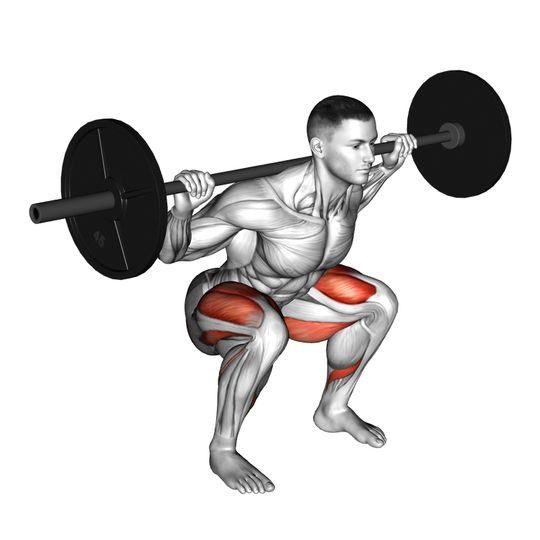 4 × 4 @ 80–85% (RPE 7–8)
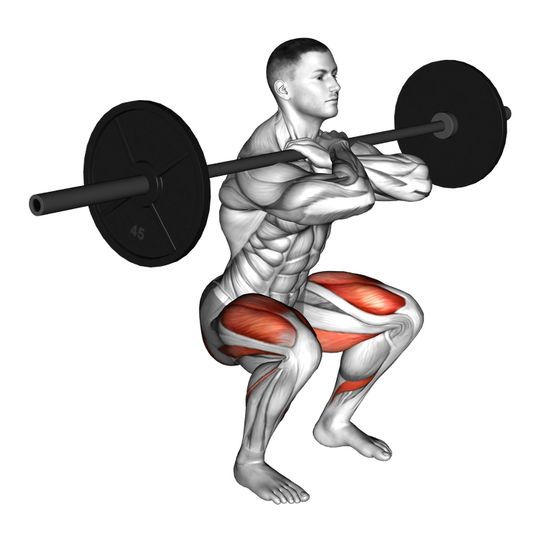 3 × 6–8 @ 65–70%
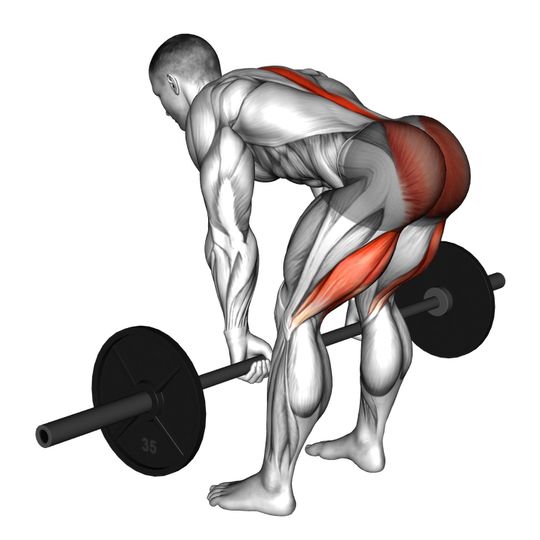 3 × 8–10
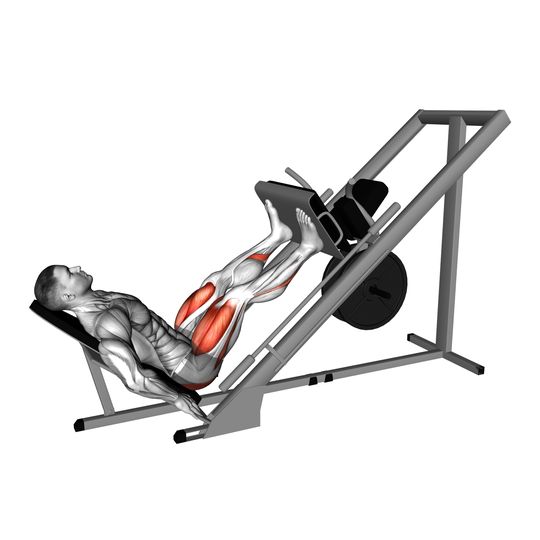 3 × 12–15
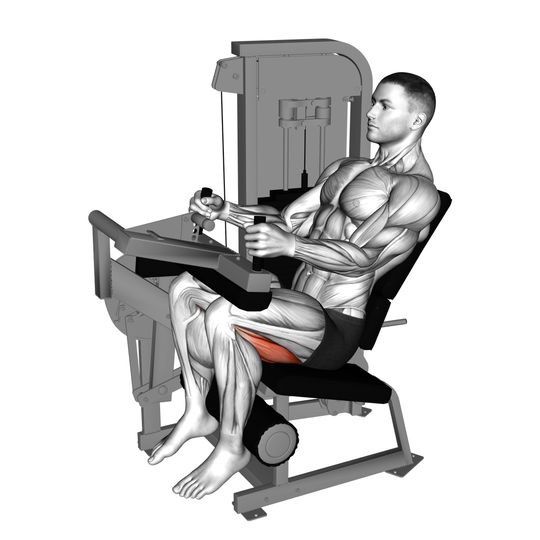 3 × 12–15
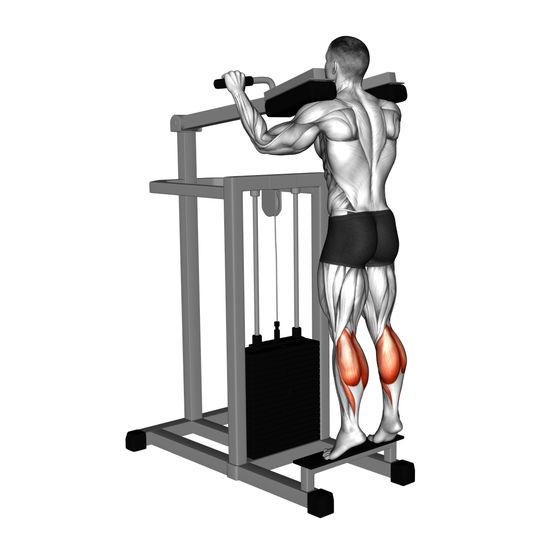 4 × 10–15
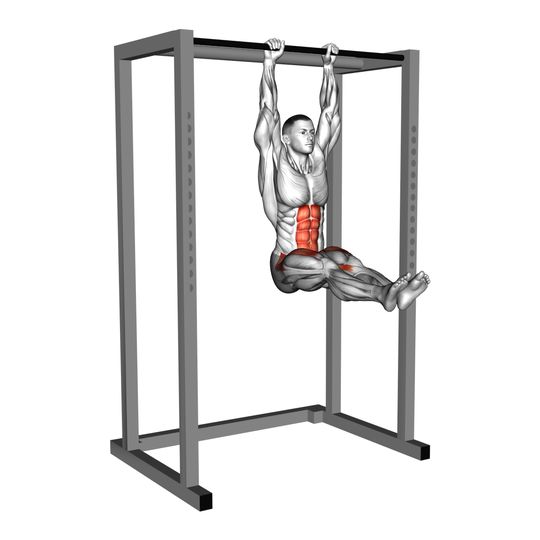 3 × 10–15
Day 2 – Upper, bench focus
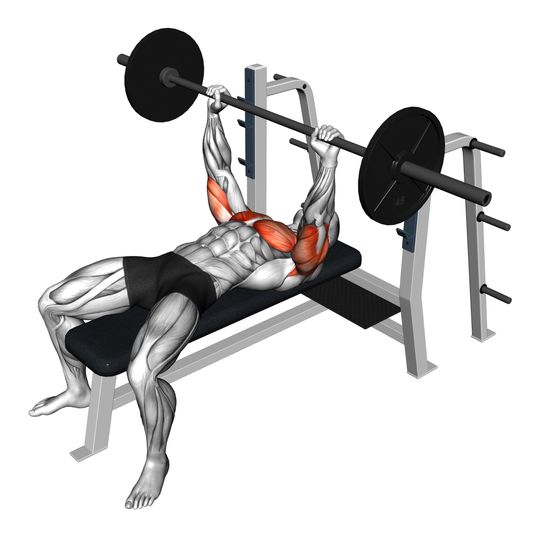 4 × 4 @ 80–85% (RPE 7–8)
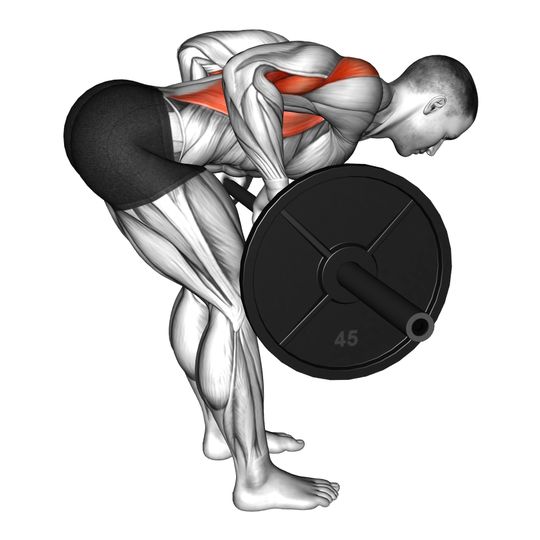 4 × 6–8
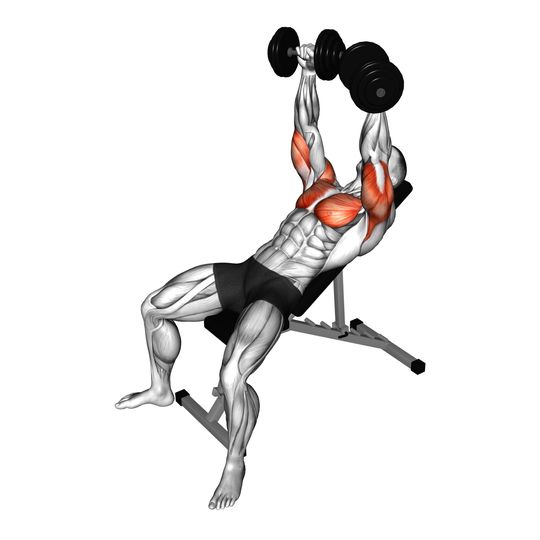 3 × 8–12
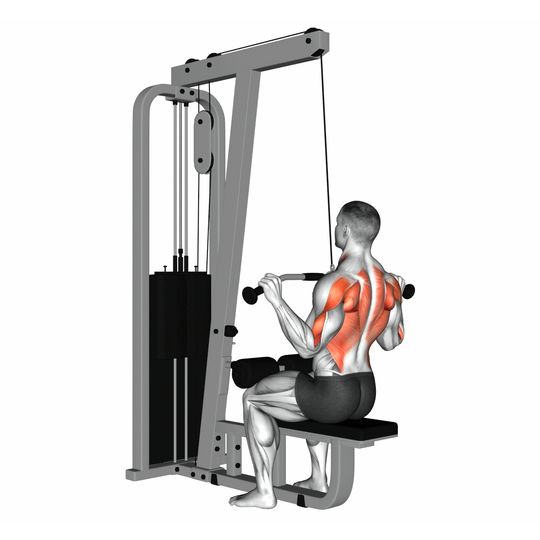 3 × 10–12
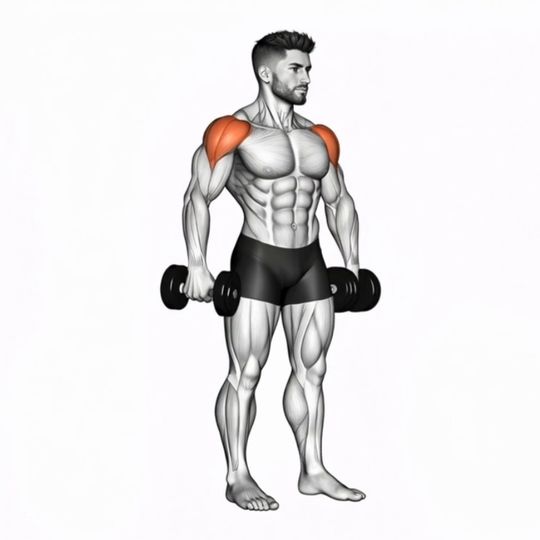 3 × 12–20
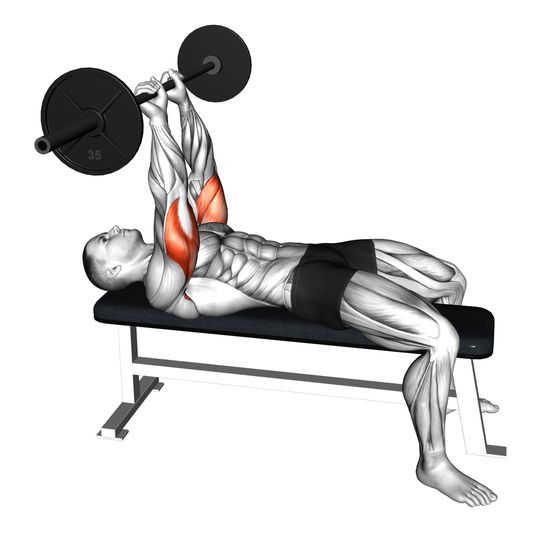 3 × 10–12
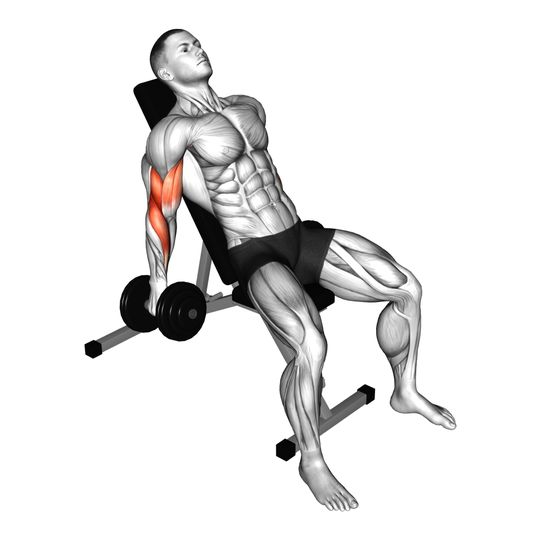 3 × 10–15
Day 3 – Lower, deadlift focus
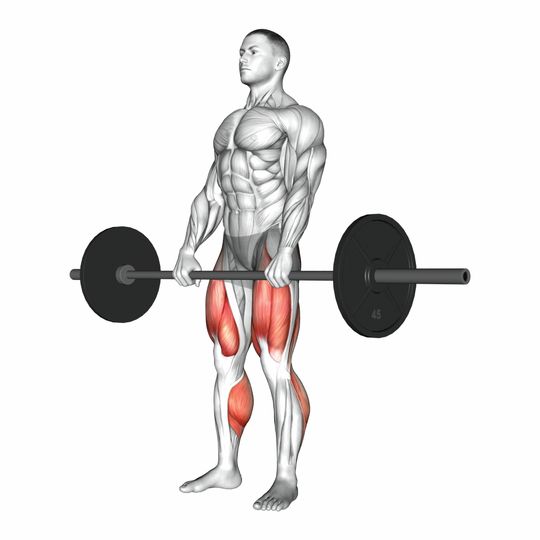 4 × 3 @ 80–85% (RPE 7–8)
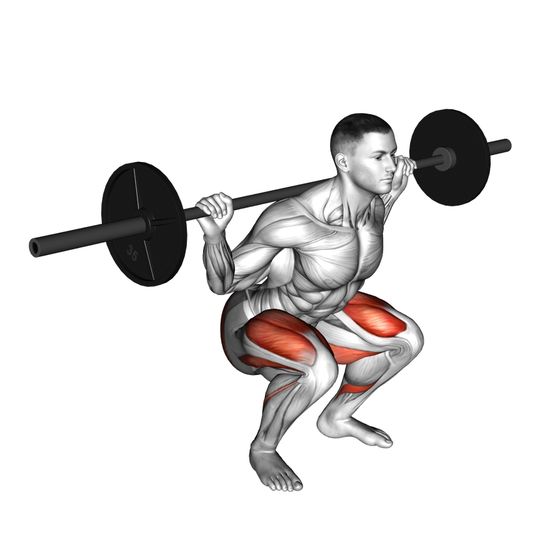 3 × 5 @ 65–70%
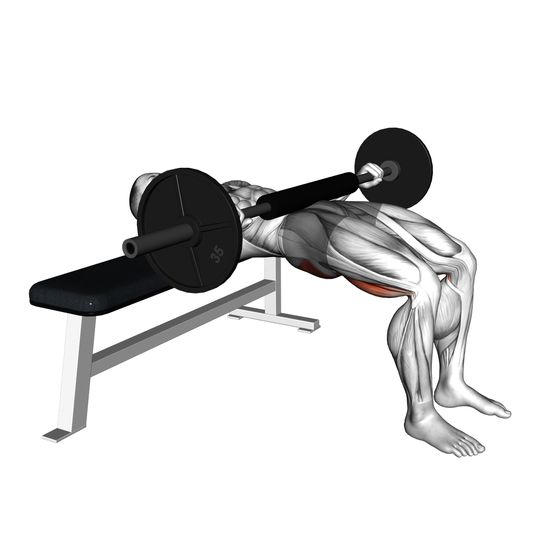 3 × 8–12
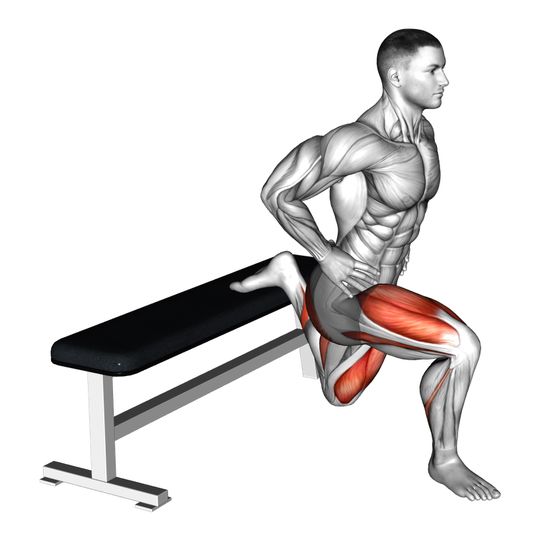 3 × 8–10 per leg
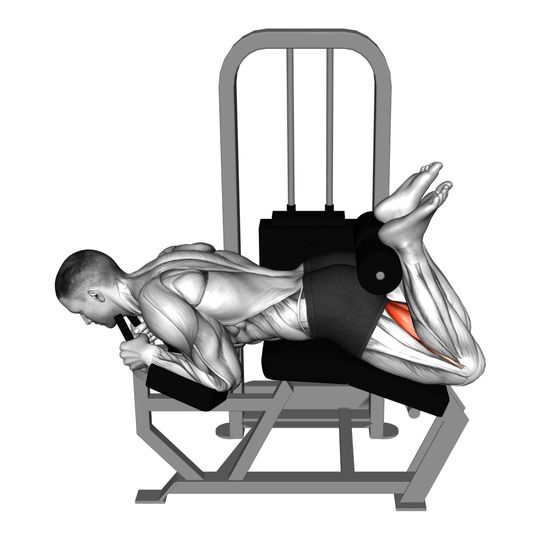 3 × 12–15
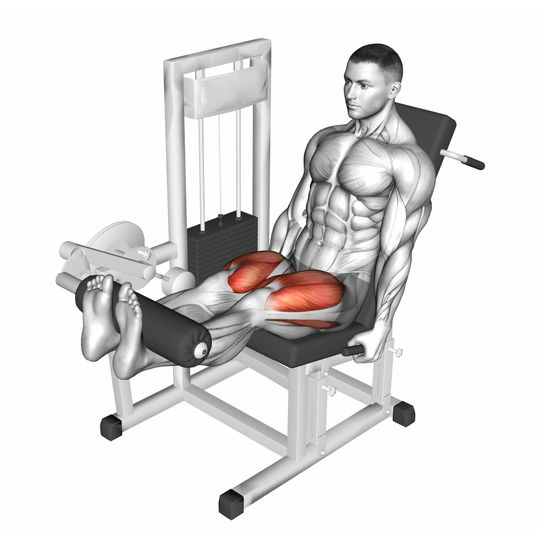 3 × 15–20
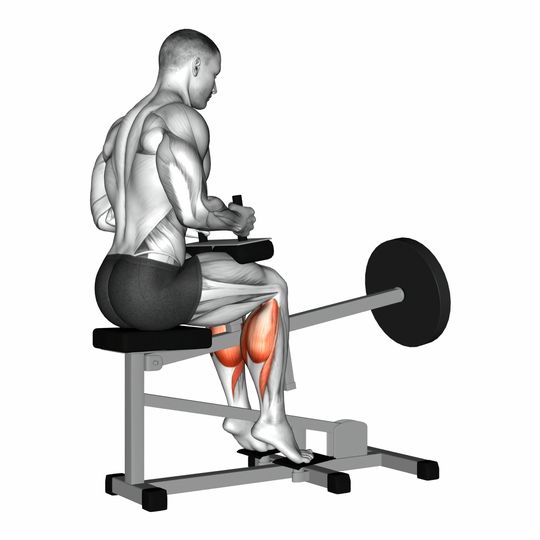 4 × 12–20
Day 4 – Upper, overhead press focus
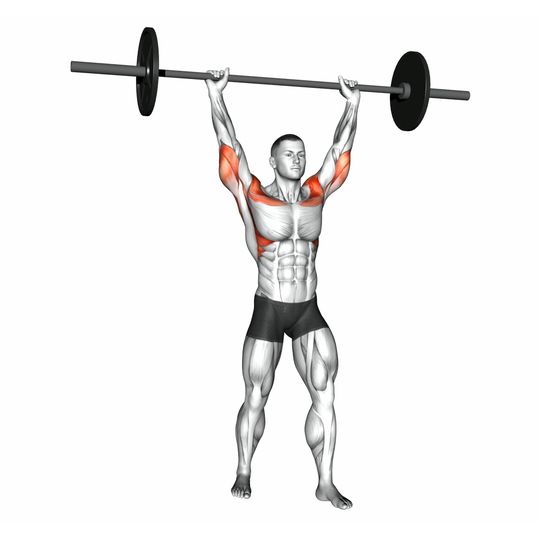 4 × 5 @ 75–80% (RPE 7–8)
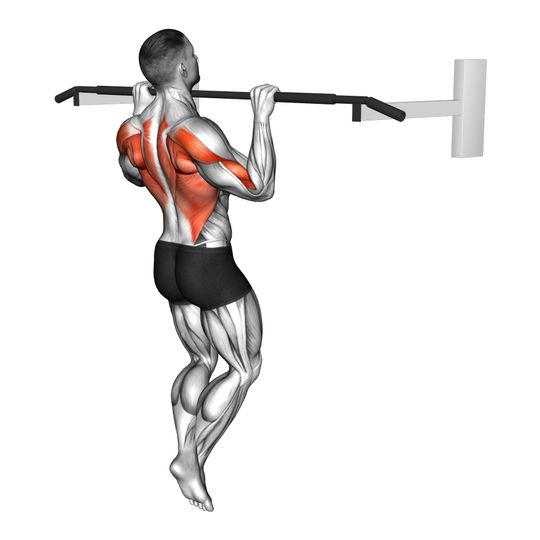 4 × 6–10
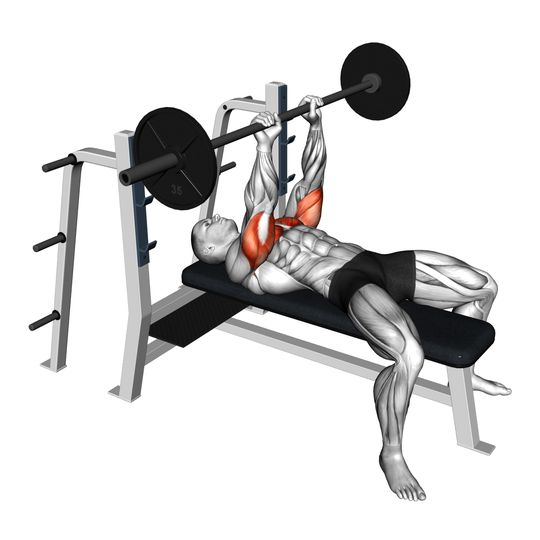 3 × 6–8 @ 65–70%
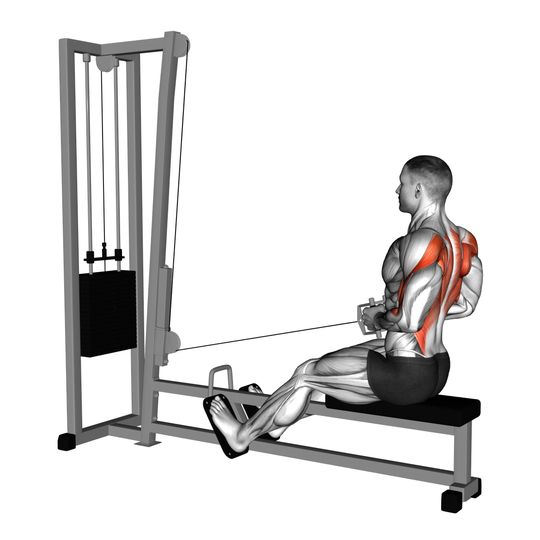 3 × 10–15
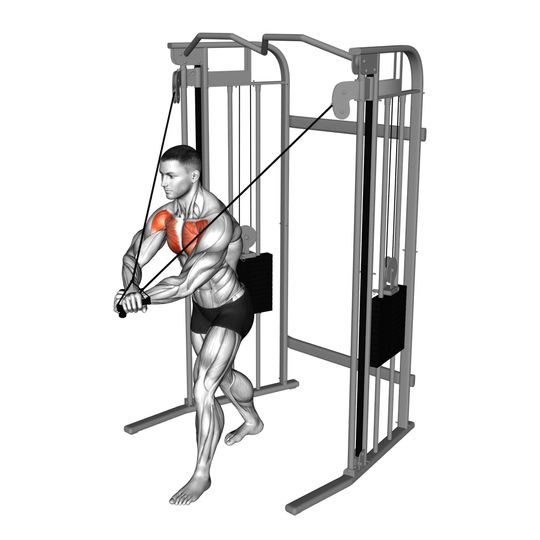 3 × 12–15
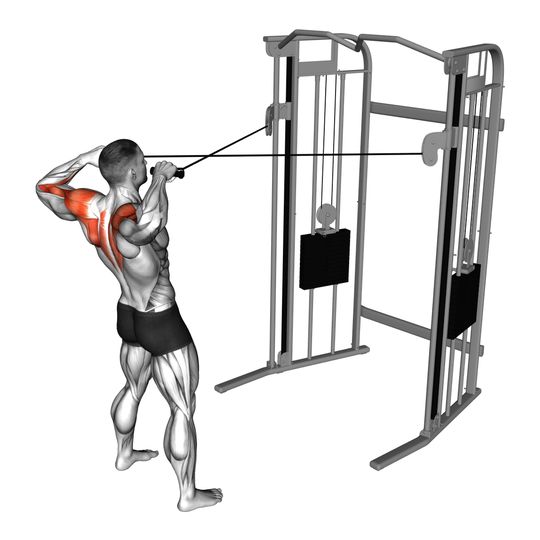 3 × 15–20
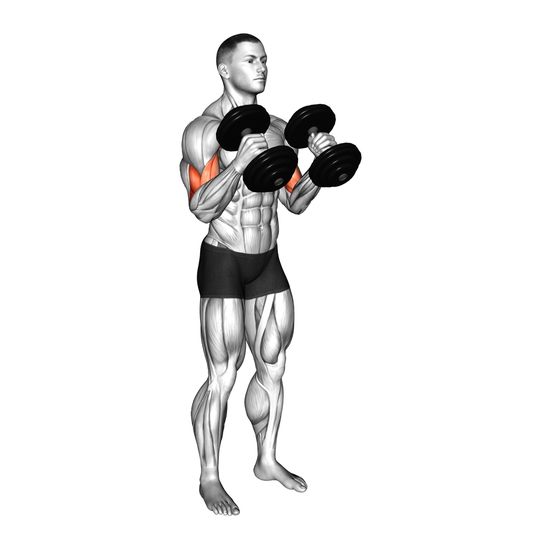 3 × 12–15
Save the four days as separate routines in Gript — here is how — so the heavy percentage work and the accessory work each keep their own history instead of blurring into one number.
The progression scheme#
The main lifts and the accessories progress by different methods, and mixing them up is the most common way powerbuilding programs stall.
Main lifts: a 4-week wave#
Run intensity up over three weeks, then deload, then restart the wave with a new one rep max based on what week 3 told you. Percentages are of your current estimated max.
| Week | Squat / bench / deadlift | Overhead press | Target RPE |
|---|---|---|---|
| 1 | 4 × 4 @ 80% | 4 × 5 @ 75% | 7 |
| 2 | 4 × 4 @ 82.5% | 4 × 5 @ 77.5% | 8 |
| 3 | 3 × 3 @ 87.5%, then 1 × 4–6 AMRAP @ 80% | 3 × 4 @ 82.5%, then 1 AMRAP @ 75% | 9 |
| 4 (deload) | 3 × 3 @ 65% | 3 × 4 @ 65% | 5 |
The AMRAP set in week 3 is the whole point of the wave. Take the last set to 1–2 reps short of failure, count the reps, and feed weight and reps into the one rep max calculator. That estimate becomes the base for the next wave's percentages. Six reps at 80% means a bigger max than four reps at 80%, and the program adjusts itself accordingly — no guessing, no ego, no stalled cycles repeating forever.
If percentages feel restrictive, run the same wave on RPE instead: RPE 7 in week 1, RPE 8 in week 2, RPE 9 in week 3. The RPE calculator converts between the two so you can start from percentages and switch to effort-based loading when your judgement is calibrated.
Secondary compounds and accessories: double progression#
Everything after the main lift uses double progression. Each exercise has a rep range; add reps at a fixed weight until you hit the top of the range on every set, then add weight and restart at the bottom. A lat pulldown at 3 × 10 becomes 3 × 11, 3 × 12, then up a plate and back to 3 × 10.
Accessories do not follow the deload week — keep them at normal weight and cut the set count by about a third. The deload is there to let the heavy work recover, not to stop training. Gript's progression suggestions handle the double progression arithmetic per routine, and the progressive overload guide covers what to do when an accessory stalls for three sessions.
How to run it long term#
Three waves — twelve weeks — is one block. At the end of it you will have three data points per main lift on the same AMRAP protocol, which is enough to know whether the program is working. If the estimated maxes went up, start the next block from the new numbers and rotate the secondary compounds: swap front squat for pause squat, close-grip bench for incline, Romanian deadlift for good mornings. Keep the main four lifts the same.
If a main lift did not move across three waves, the fix is almost never more sets. Check the obvious things first: are you eating in at least a small surplus, sleeping seven hours, and actually hitting the prescribed RPE rather than going harder because it felt good? After that, cut the accessory volume on that day by a third for a block and see whether the main lift moves.
Common mistakes#
- Turning main-lift sets into max attempts: 4 × 4 at RPE 7–8 means four reps you could have made five or six with. Grinding week 1 means week 3 has nowhere to go.
- Too many accessories: seven exercises is the ceiling for a 75-minute session. If you are running past 90 minutes, the heavy work at the start is not getting the recovery it needs. Audit weekly hard sets per muscle with the training volume calculator.
- Skipping the deload: week 4 is what makes week 3 of the next wave possible. Lifters who skip it get two good waves and then a month of stalling.
- Basing percentages on an old or aspirational max: if your working sets feel like RPE 9.5 in week 1, your max is set too high. Recalculate from a real AMRAP set.
- Adding a fifth day: four days is chosen deliberately. The heavy work needs the rest days more than the accessories need another session.
Powerbuilding is not a compromise between strength and size — it is the recognition that chasing both at once is more efficient than alternating. Run the main lifts on percentages, the accessories on double progression, take the deload, and let the AMRAP sets tell you what your maxes really are. If four days is more than your week allows, the 4-day split guide and PHUL are the closest alternatives, and PHAT is the five-day version of the same idea.