


PHUL — Power Hypertrophy Upper Lower — is a four-day program that gives you two heavy days and two higher-rep days on the same upper/lower structure. You train strength on Monday and Tuesday, then chase size on Thursday and Friday, with every muscle worked twice a week. It is one of the few intermediate templates that does not force you to choose between getting stronger and getting bigger. This guide covers the logic, the classic template, and how to run it for months without stalling.
What PHUL is#
PHUL takes the upper lower split and assigns a different job to each pair of days:
- Power days: the main compounds in the 3–5 rep range with long rests. Heavy loads train the nervous system, tendon stiffness, and technique under weight — the things that make you strong.
- Hypertrophy days: the same movement patterns in the 8–15 rep range with shorter rests and more isolation work. Moderate loads and higher volume drive the mechanical tension and metabolic stress that make muscle.
The pairing works because the two stimuli reinforce each other. A bigger muscle has more potential to be strong; a stronger lifter can use heavier loads on their 10-rep sets, which raises the quality of every hypertrophy session. Splitting the week this way also spreads fatigue sensibly — heavy triples on Thursday after heavy triples on Monday would grind most lifters down inside a month.
The PHUL weekly schedule#
| Day | Session |
|---|---|
| Monday | Upper power |
| Tuesday | Lower power |
| Wednesday | Rest |
| Thursday | Upper hypertrophy |
| Friday | Lower hypertrophy |
| Saturday | Rest |
| Sunday | Rest |
The rest day in the middle matters. It sits between the two hardest sessions of the week and the two longest ones. If your week does not allow Monday–Tuesday–Thursday–Friday, keep the order and shift the days: any layout with a break after the two power sessions works.
The classic PHUL template#
Rest 3–5 minutes between sets on power days and 60–120 seconds on hypertrophy days. Power sets should stay 1–2 reps in reserve — grinding a 3-rep max every Monday is how PHUL runs stale. Hypertrophy sets can run closer to failure, especially the isolation work.
Day 1 – Upper power
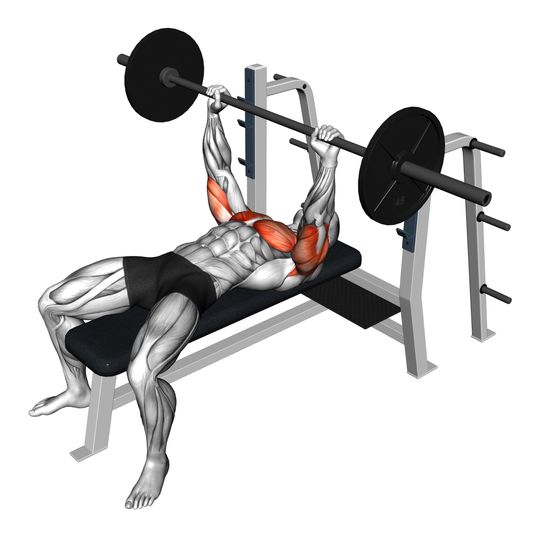 4 × 3–5
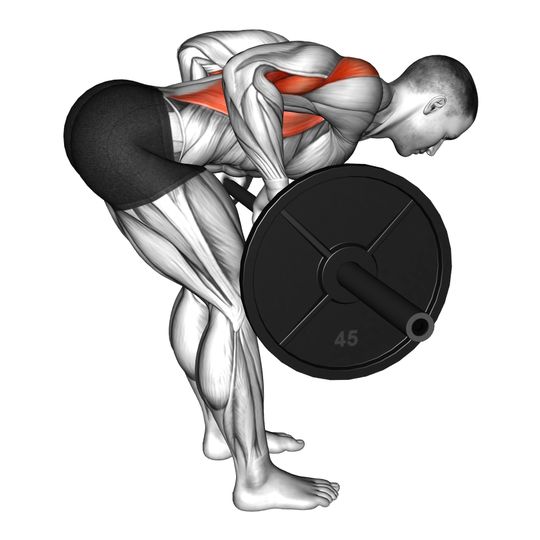 4 × 3–5
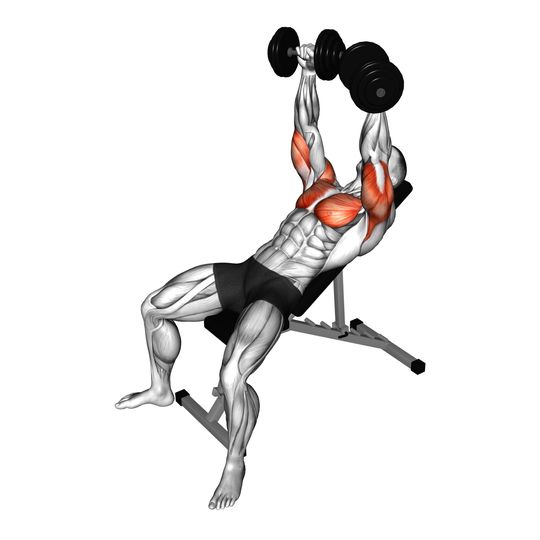 3 × 6–10
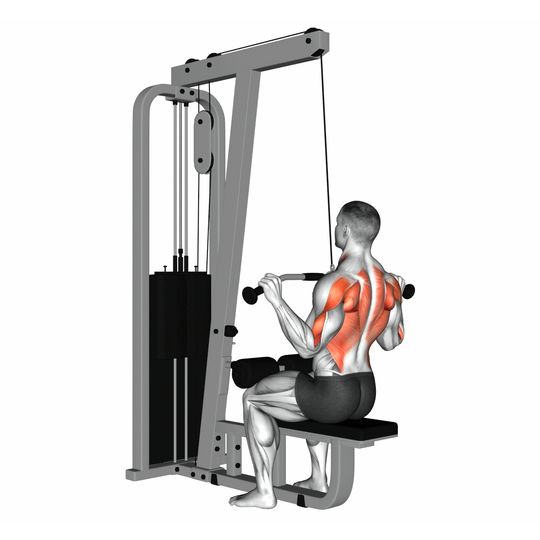 3 × 6–10
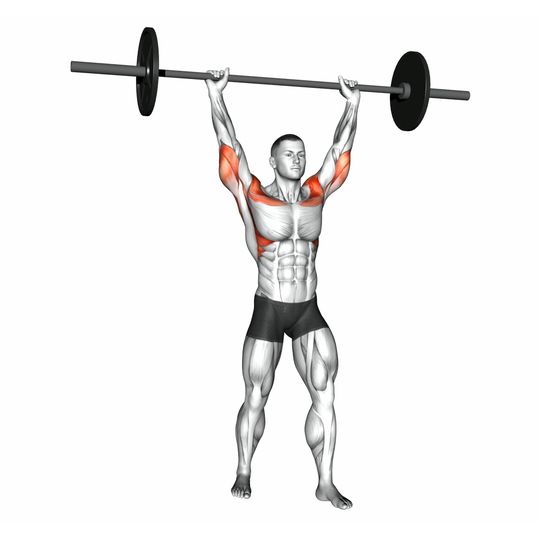 3 × 5–8
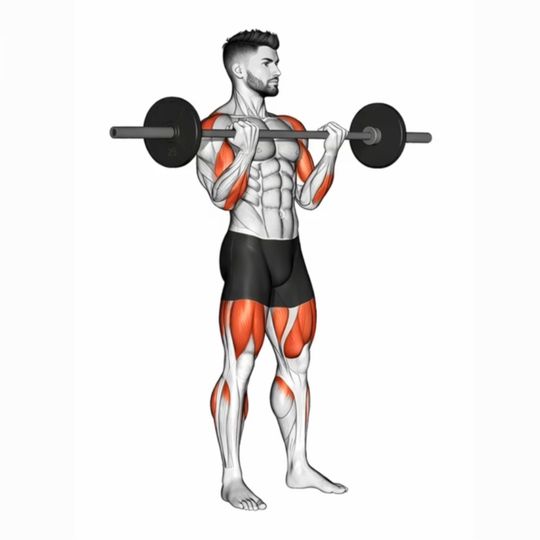 3 × 6–10
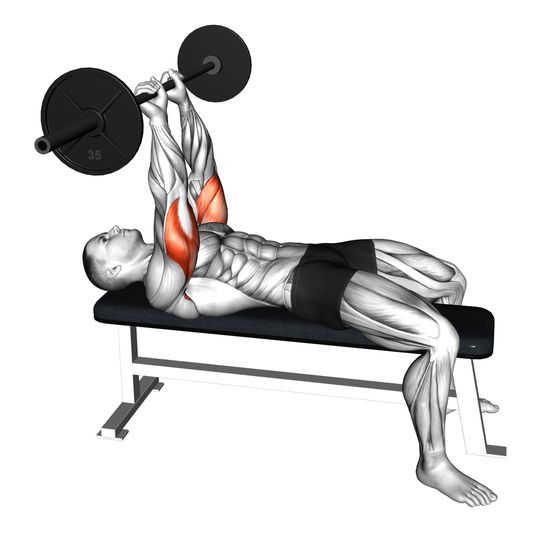 3 × 6–10
Day 2 – Lower power
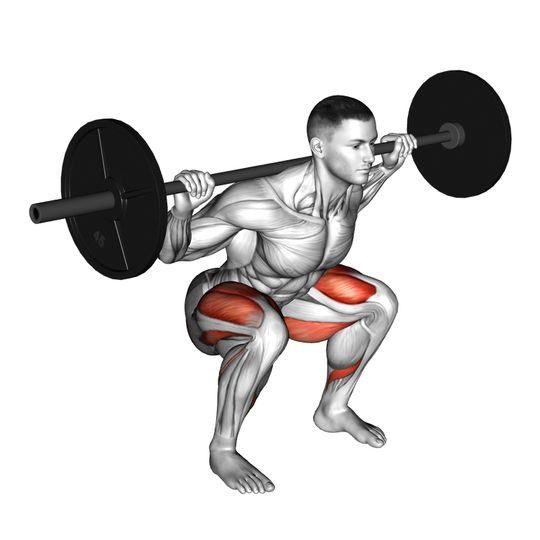 4 × 3–5
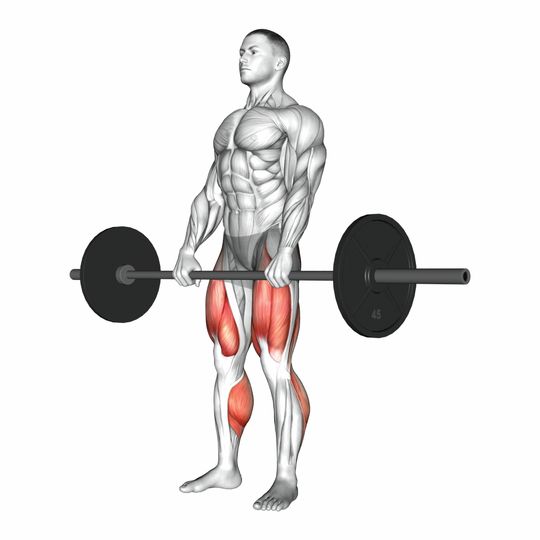 3 × 3–5
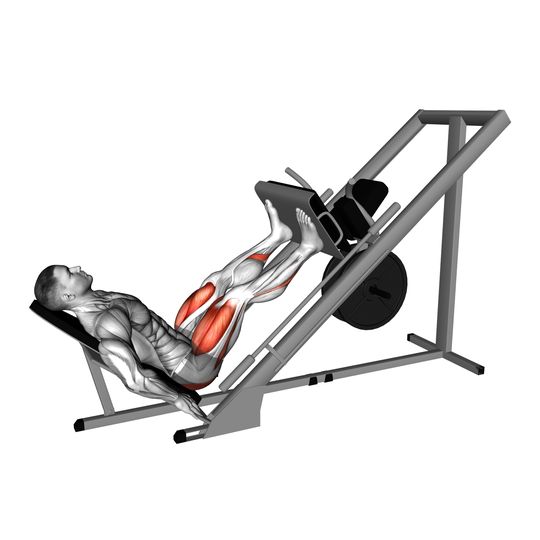 4 × 10–15
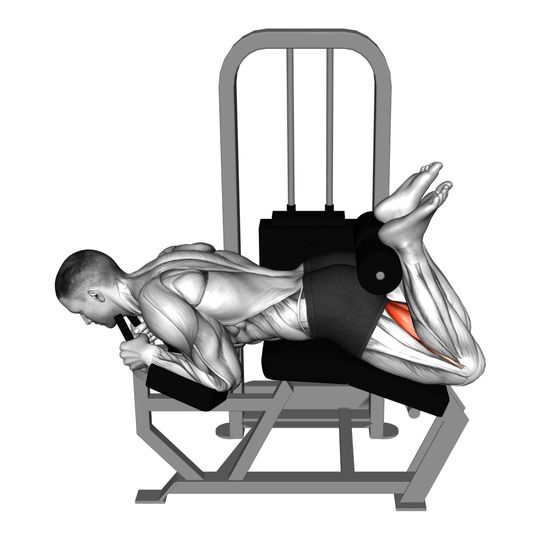 4 × 6–10
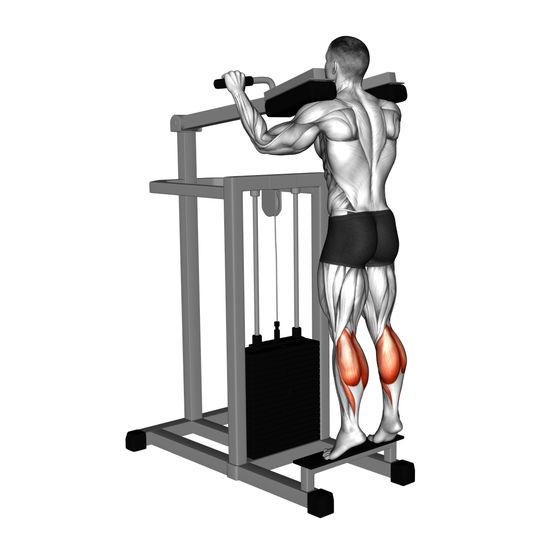 4 × 6–10
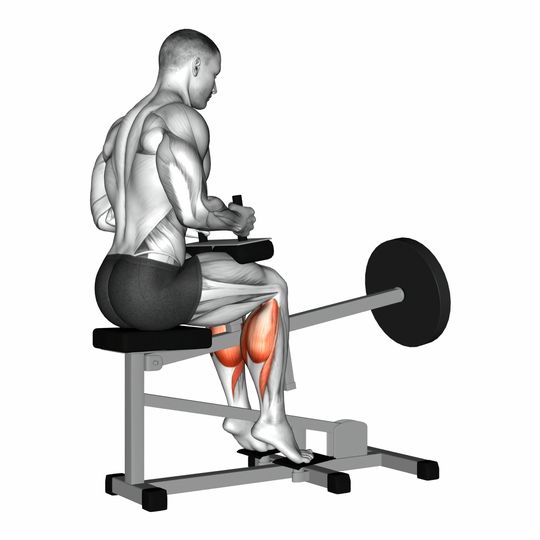 3 × 10–15
Day 3 – Upper hypertrophy
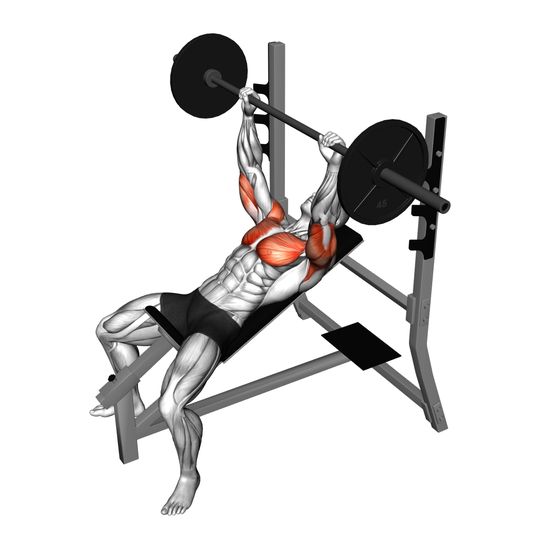 4 × 8–12
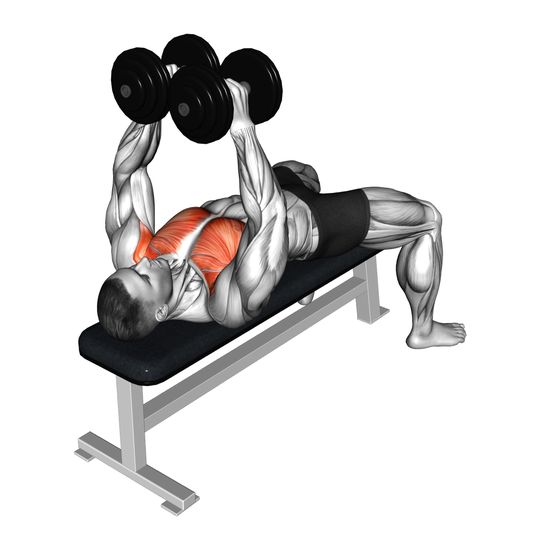 3 × 10–15
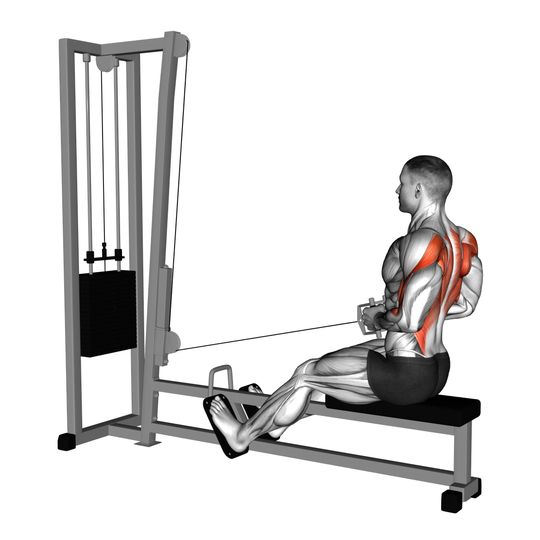 4 × 8–12
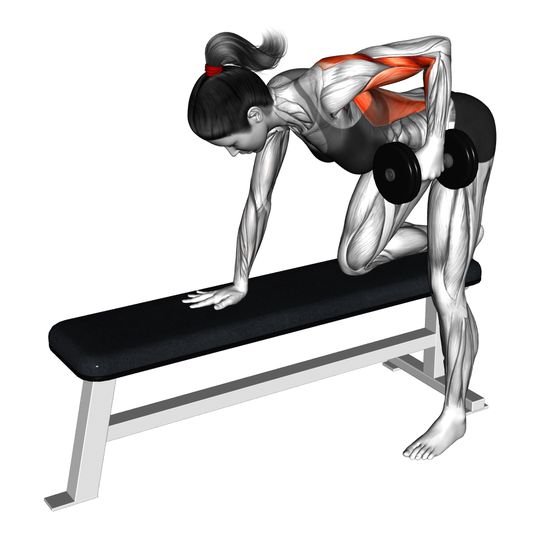 3 × 8–12
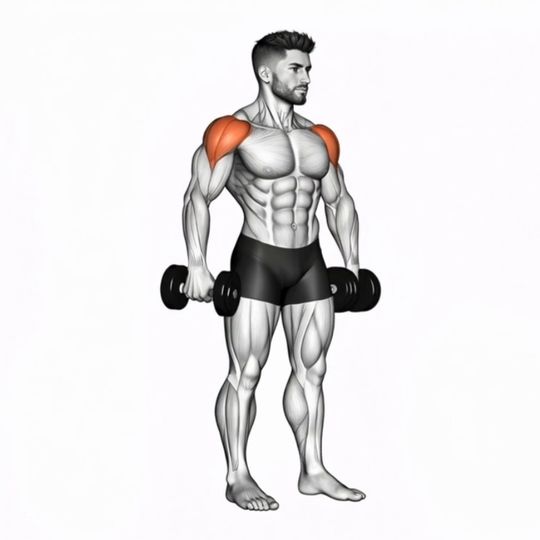 4 × 12–20
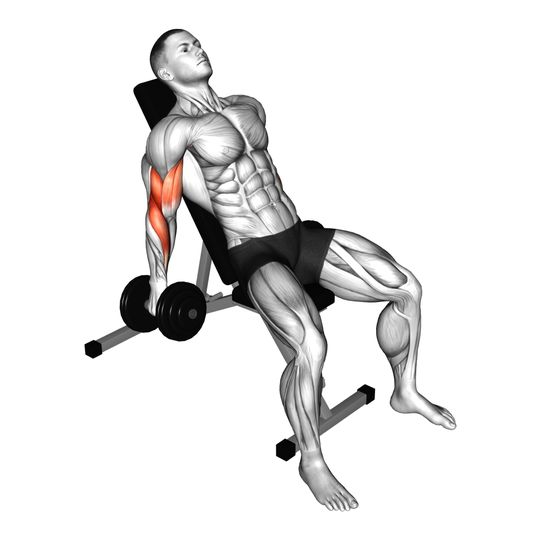 3 × 10–15
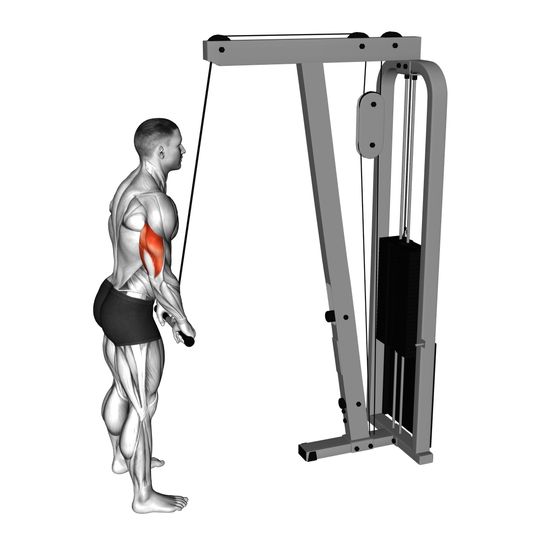 3 × 10–15
Day 4 – Lower hypertrophy
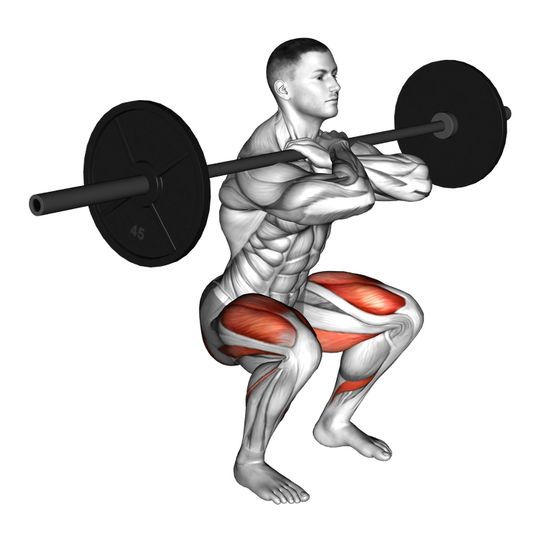 4 × 8–12
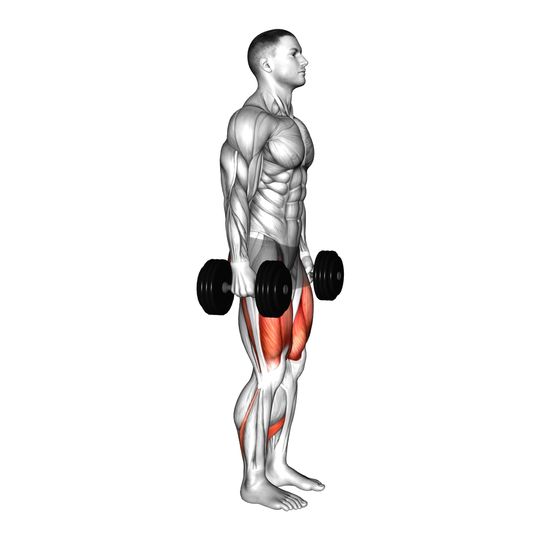 3 × 10–12 per leg
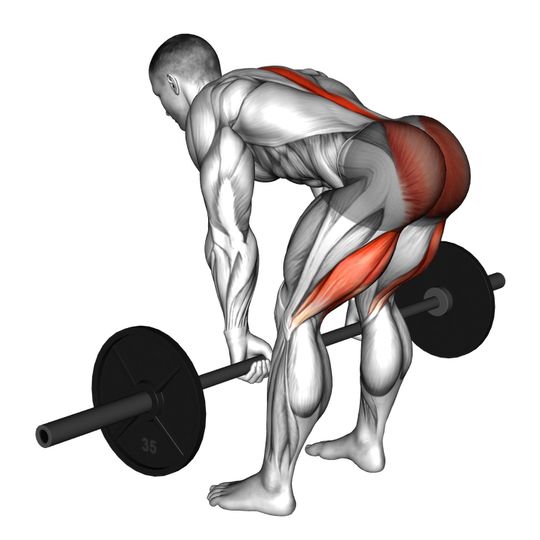 3 × 8–12
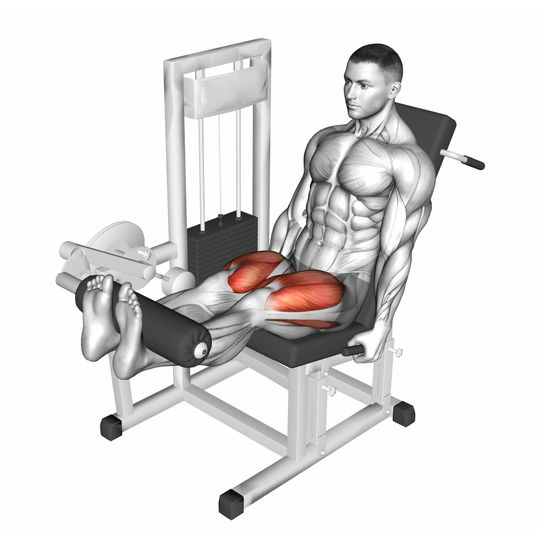 3 × 12–20
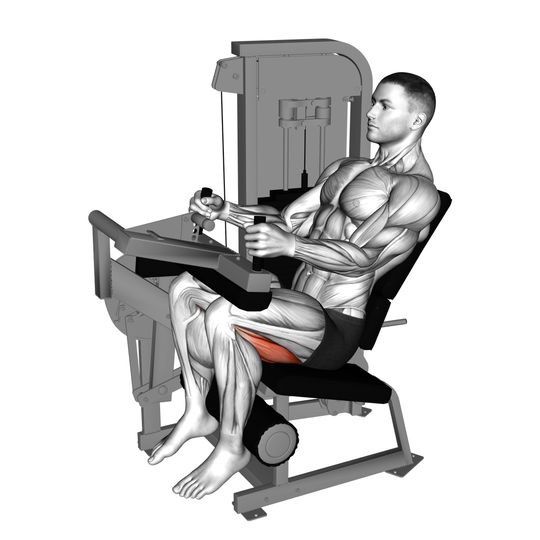 3 × 12–20
- 4 × 12–20
Save the four days as separate routines in Gript — here is how — so the power and hypertrophy versions of each lift keep their own history instead of blurring into one number.
How to progress on PHUL#
The two day types progress differently, and mixing the methods is the most common way lifters stall.
- Power days: add weight when you hit the top of the range on every set. Squatting 4 × 3 becomes 4 × 4, then 4 × 5, then you add 5 kg and drop back to 4 × 3. Upper body lifts climb in 2.5 kg jumps and lower body in 5 kg; the plate calculator tells you what to load for the small increments.
- Hypertrophy days: the same double progression, just at the other end of the rep spectrum — 8 × 3 sets becomes 12 × 3 sets, then add weight and restart at 8. Progress here is slower and noisier, so judge it monthly rather than weekly.
When a power lift stalls twice in a row, drop back 10% and build up again over three weeks rather than repeating the failed session. The progressive overload guide covers the reset in detail, and Gript's progression suggestions flag when a lift has topped out its range.
Who PHUL suits#
It is built for intermediates: lifters who have run linear progression like 5×5 to its end, want to keep adding weight to the bar, and want more size than a pure strength program delivers. Four days is also the sweet spot most people can actually hold down for a year.
Beginners do not need it — you will progress faster adding weight three times a week on a 3-day full body program. Lifters who only care about size and have six days available will get more total volume from push pull legs or PHAT, which is essentially PHUL stretched over five days with an extra hypertrophy session.
Common mistakes#
- Turning power days into max attempts: 3–5 reps means a weight you could do one or two more reps with, not a weekly test. If you are grinding every Monday, the Thursday session will be garbage.
- Going too light on hypertrophy days: 8–12 reps still means hard sets. A set of 12 that could have been 20 does nothing except make the session longer.
- Skipping the Wednesday rest: compressing PHUL into four consecutive days removes the recovery window that makes the heavy days heavy.
- Adding extra arm days: PHUL already includes direct arm work twice a week. Bolting a fifth session on top usually costs you more on the power days than it adds anywhere.
PHUL is not exotic — it is an upper lower split with a deliberate split of intensity. Run the heavy days heavy, the volume days honest, and keep the log clean; the strength and the size come along together.