


Three days a week is not the compromise option — for most lifters it is the right amount of training. Three well-planned sessions comfortably deliver 10–20 hard sets per muscle per week, the range where most muscle growth happens, with recovery to spare. This guide covers the three best ways to structure a 3-day week, complete routines for each, and how to choose between them.
What you can achieve on three days#
More than most people think. The evidence on training volume is clear that results are driven by weekly hard sets per muscle, not days in the gym — and three sessions of about an hour can cover every muscle at an effective dose. Beginners will progress at full speed on three days, and plenty of intermediate lifters never need more. Extra days mainly buy more volume, and more volume only helps once you are consistently making every set count. What three days demands in return is honesty: no filler exercises, no half-effort sets, and every workout logged in a workout tracker so progress is measured rather than guessed.
Option 1: 3-day full body#
The default recommendation, and the best structure for beginners and anyone whose priority is strength on the big lifts. Every muscle is trained three times per week, and the frequent practice makes the barbell lifts improve fast — the same logic that powers programs like 5x5. Run the workout below three times per week; if it grows stale, alternate two variants by swapping incline press for bench and front squat or leg press for back squat every other session.
Full body
 3 × 5–8
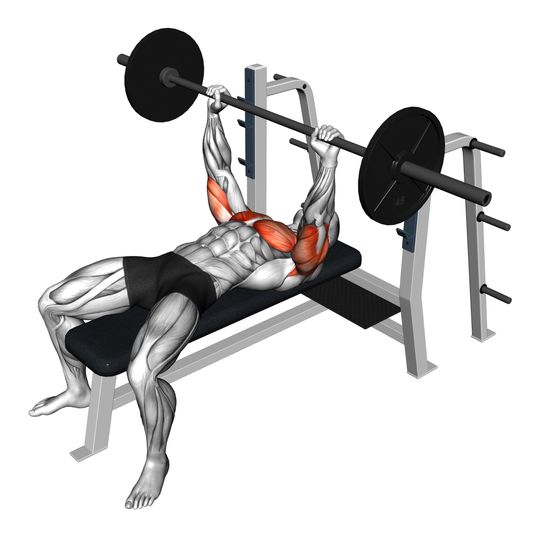 3 × 6–10
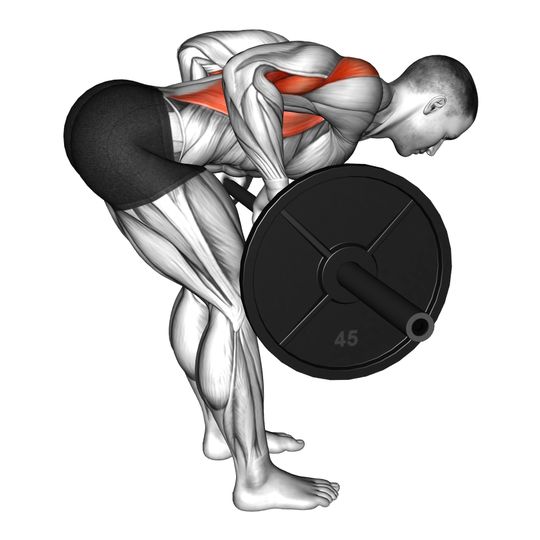 3 × 6–10
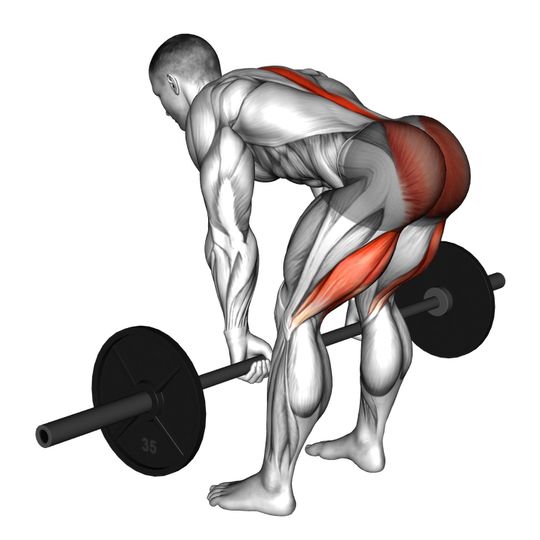 3 × 8–12
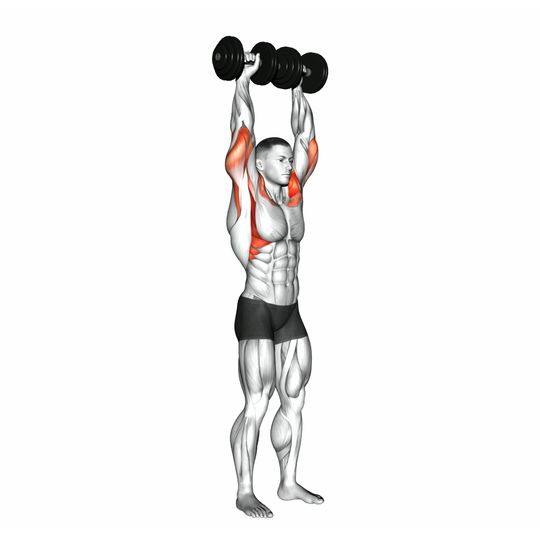 2 × 8–12
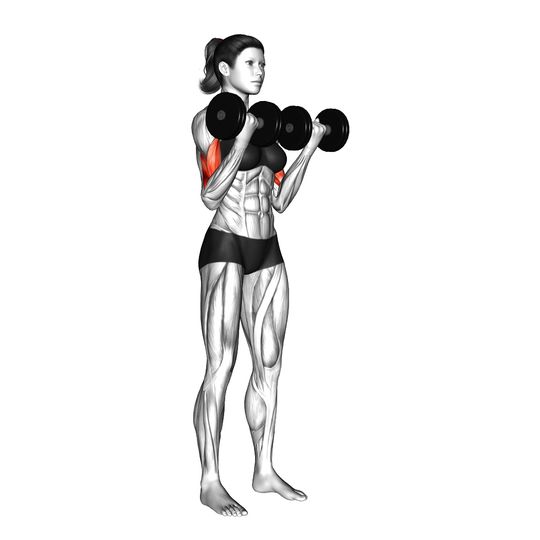 2 × 10–15
Option 2: upper / lower / full body hybrid#
A middle path that borrows from the upper lower split: one upper day, one lower day, and one full body day to top both up. Each muscle is trained twice per week, and the dedicated days leave room for more isolation work than pure full body allows. This is the strongest all-round choice for physique-focused lifters on three days.
Day 1 – Upper
- 4 × 6–10
- 4 × 6–10
- 3 × 8–12
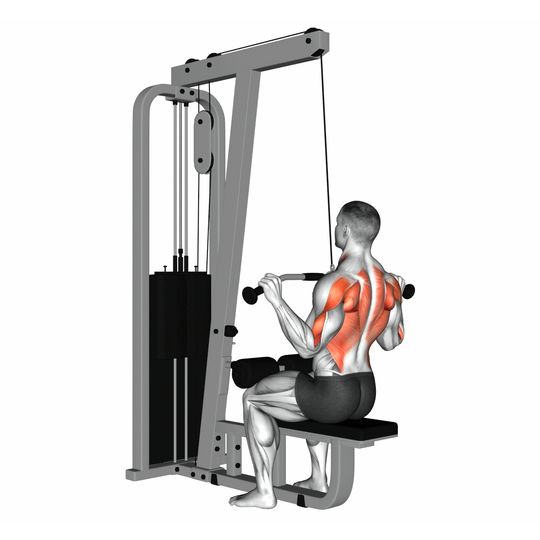 3 × 8–12
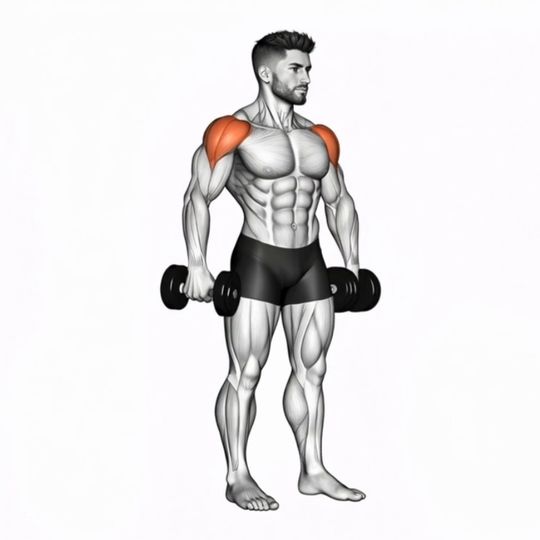 2 × 12–20
Day 2 – Lower
- 4 × 5–8
- 3 × 8–12
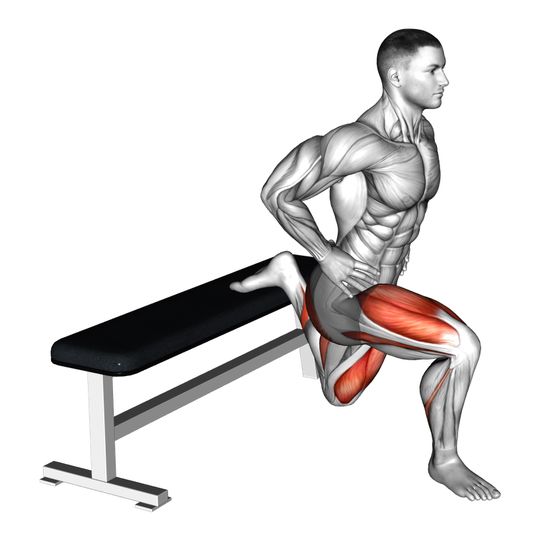 3 × 8–12 per leg
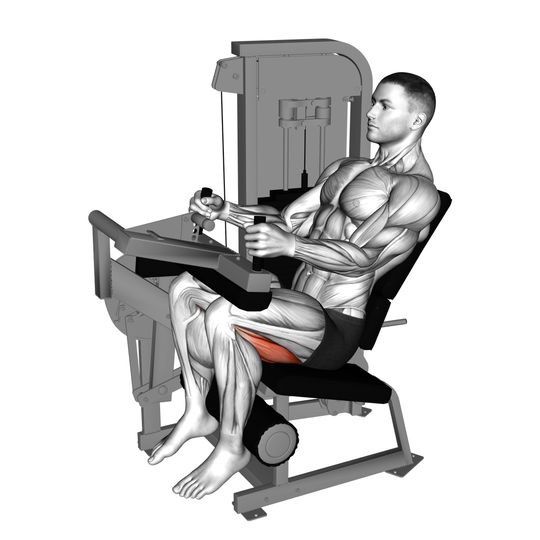 3 × 10–15
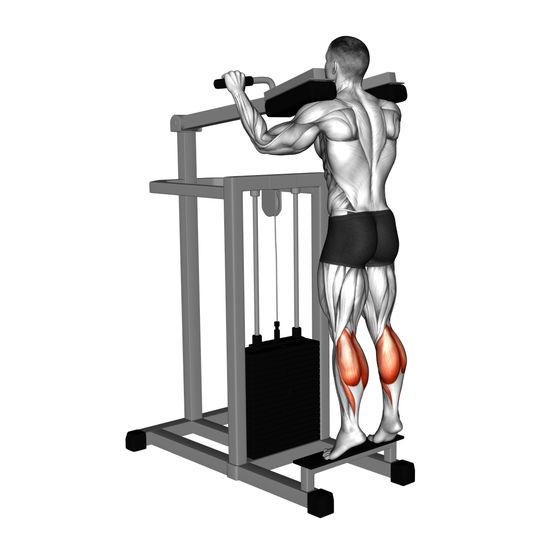 4 × 10–15
Day 3 – Full body
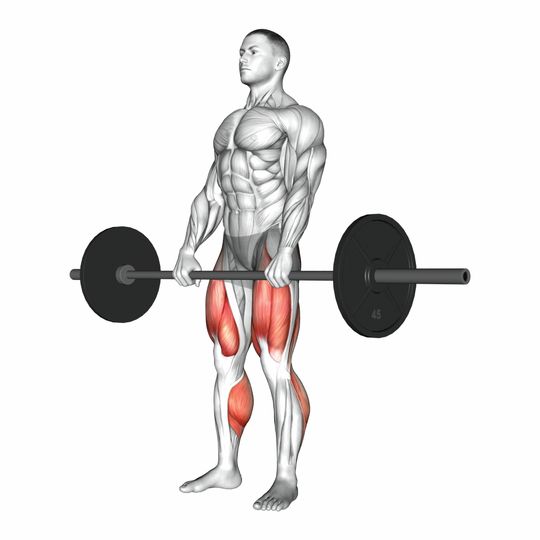 3 × 4–6
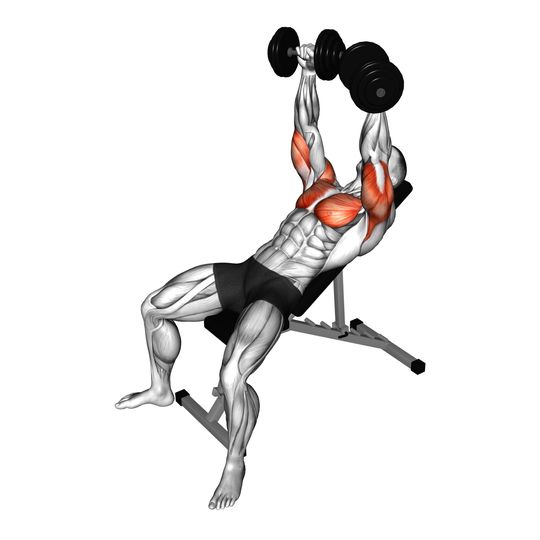 3 × 8–12
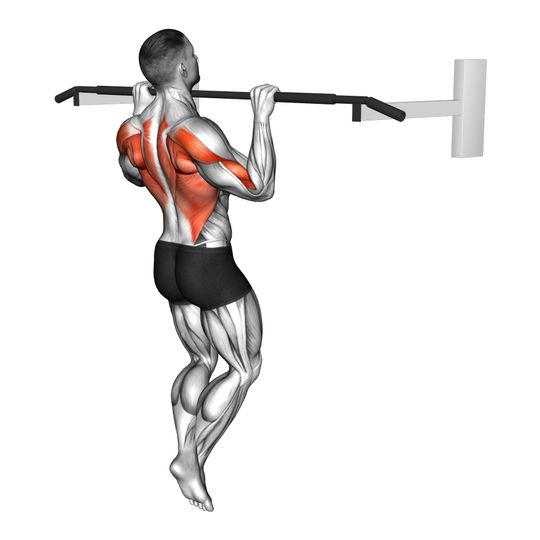 3 × 6–10
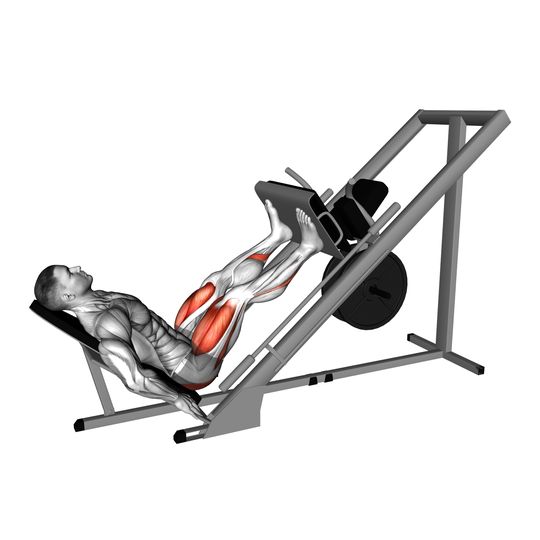 3 × 10–15
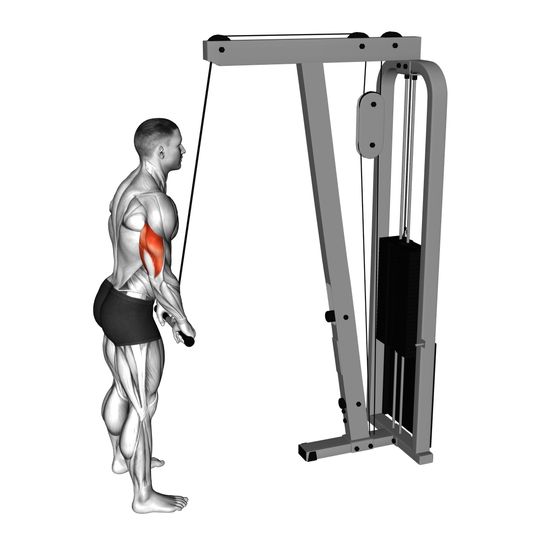 2 × 10–15
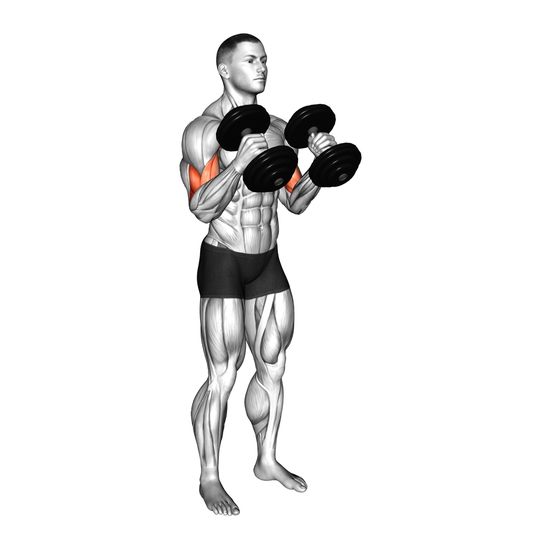 2 × 10–15
Option 3: condensed push pull legs#
The classic push pull legs split run once through per week. Be clear-eyed about the trade-off: each muscle is trained once every seven days, a lower frequency than the other two options. It still works — especially for experienced lifters who enjoy the focus of PPL sessions — but for most people on three days, options 1 and 2 will produce more.
Day 1 – Push
- 4 × 6–10
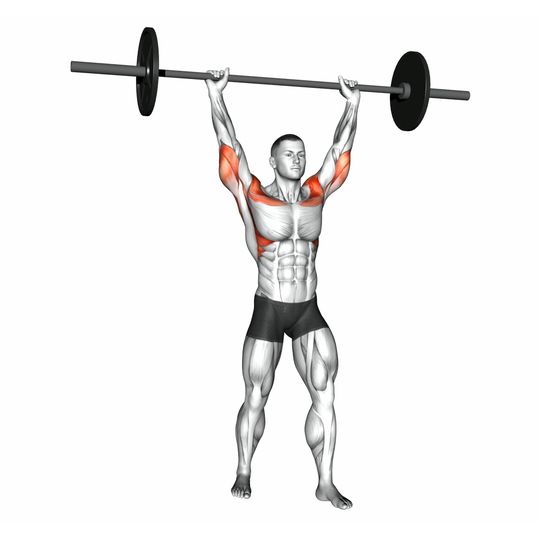 3 × 8–12
- 3 × 8–12
- 3 × 12–20
- 3 × 10–15
Day 2 – Pull
- 3 × 5–8
- 3 × 6–10
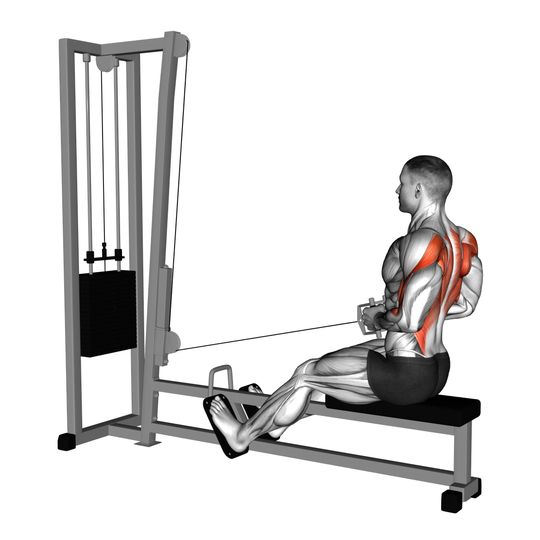 3 × 8–12
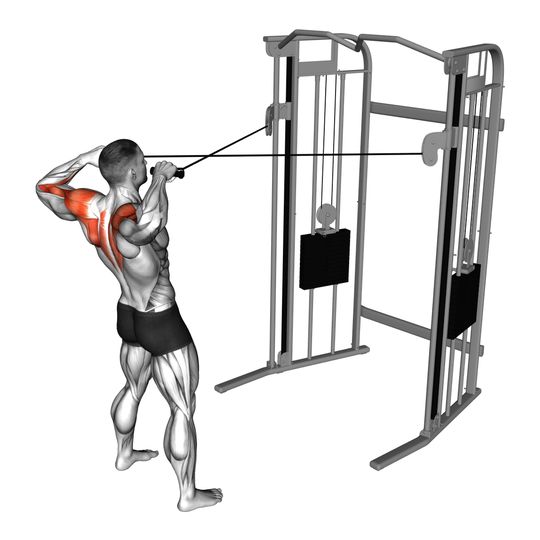 3 × 12–20
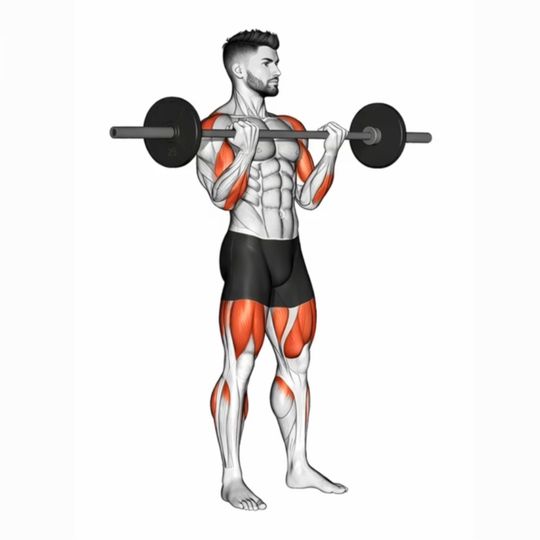 3 × 8–12
Day 3 – Legs
- 4 × 5–8
- 3 × 8–12
- 3 × 10–15
- 3 × 10–15
- 4 × 10–15
How to choose#
- New to lifting, or strength is the goal: full body. Maximum practice on the big lifts, fastest progress.
- Physique focus with some training history: the upper/lower/full hybrid. Twice-weekly frequency plus room for isolation work.
- You love PPL structure and know the frequency cost: condensed PPL. It is the weakest of the three on paper, but the best split is still the one you show up for.
Scheduling and progression#
Train on non-consecutive days — Monday, Wednesday, Friday is the classic — so every session gets at least one full rest day either side. If the calendar forces back-to-back days occasionally, the hybrid handles it best since adjacent days can hit different muscles.
Progress with double progression: pick a rep range for each lift, add reps at a fixed weight until you hit the top of the range on all sets, then add weight and drop back down. With only three sessions a week, missed progressions are expensive — build each day as a routine in Gript with this guide, and its progression suggestions will tell you when a lift is ready for more weight so no session is wasted guessing.
Three days, honest effort, and numbers that climb week over week will outperform an inconsistent six-day plan every single time.