


The upper lower split divides training into two session types — upper body and lower body — and alternates between them. It is the least glamorous split in lifting and one of the most effective: four days a week, every muscle trained twice, plenty of recovery, and a structure simple enough to run for years. This guide covers the reasoning, a complete 4-day routine, variations from two to six days, and the mistakes that quietly ruin it.
How the upper lower split works#
Upper days cover chest, back, shoulders, and arms. Lower days cover quads, hamstrings, glutes, calves, and usually core. The classic layout is four sessions per week — for example Monday, Tuesday, Thursday, Friday — with each muscle group trained twice, roughly 72 hours apart. That spacing is the quiet genius of the split: it is long enough to recover fully and short enough that you never go a week between stimulus.
Why twice-a-week frequency beats a bro split#
A traditional bro split — chest day, back day, arm day — trains each muscle once per week with a huge pile of sets. The problem is that muscle protein synthesis after a session elevates for roughly 48–72 hours, then returns to baseline. Train a muscle once weekly and it spends most of the week doing nothing.
Splitting the same weekly volume across two sessions also improves the quality of that volume. Ten hard sets for chest in one session means the last four are done by a fatigued, underperforming muscle; five sets twice a week means every set is done fresh. For most lifters, 10–20 hard sets per muscle per week split across two sessions is the reliable recipe — you can sanity-check your per-session workload with the training volume calculator.
The 4-day upper lower split is the default#
Four days is where the upper lower split lives. Two upper and two lower sessions land every muscle at two exposures a week with a rest day between each pair, sessions stay under an hour because each one only has half the body to cover, and a missed day costs one exposure rather than a whole muscle group. Monday, Tuesday, Thursday, Friday is the standard layout; Monday, Tuesday, Thursday, Saturday works just as well. The two rules that matter are that the two heaviest sessions do not land back to back more than once, and that a lower day never follows a heavy deadlift directly.
For a comparison of the 4-day upper lower split against the other four-day options — push pull legs with a fourth day and a condensed Arnold split — see the 4-day workout split guide. For every split side by side, the workout splits hub covers them all.
The complete 4-day upper lower routine#
Two upper and two lower sessions with different emphasis, so the week covers every pattern without repeating the same workout. Rest 2–5 minutes on the big compounds and 1–2 minutes on isolation work, and take most sets within 1–3 reps of failure.
- MonUpper A
- TueLower A
- ThuUpper B
- FriLower B
Upper A
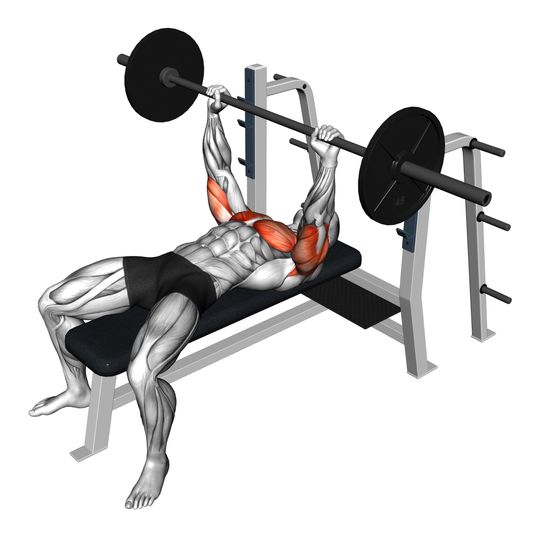 4 × 5–8
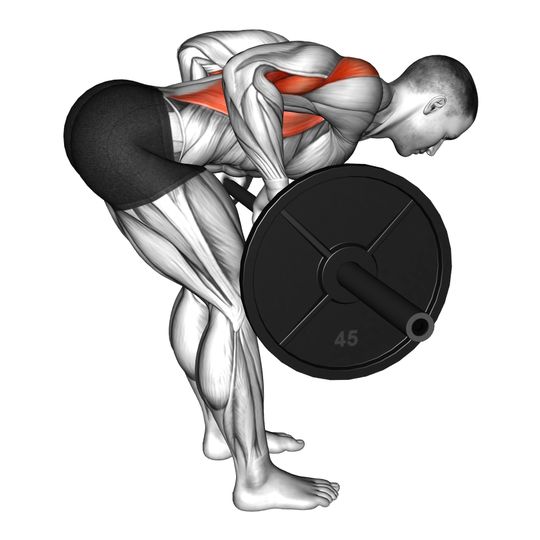 4 × 6–10
 3 × 8–12
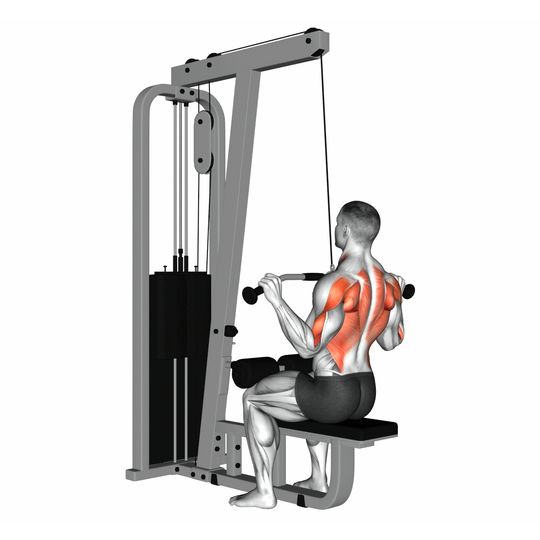 3 × 8–12
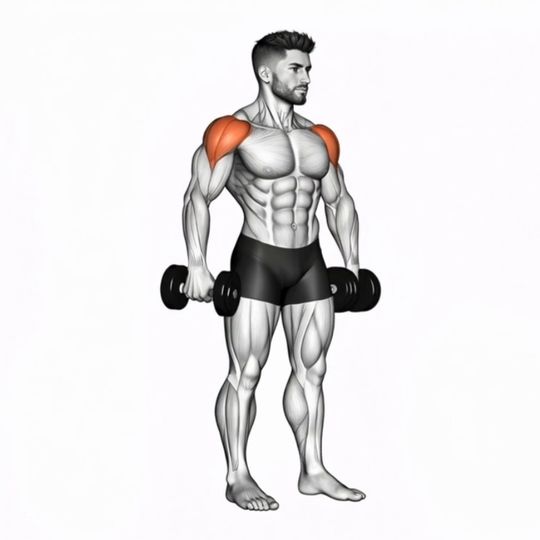 2 × 12–20
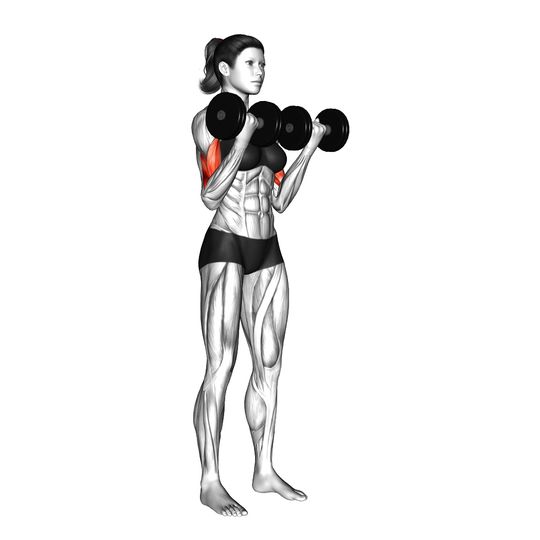 2 × 10–15
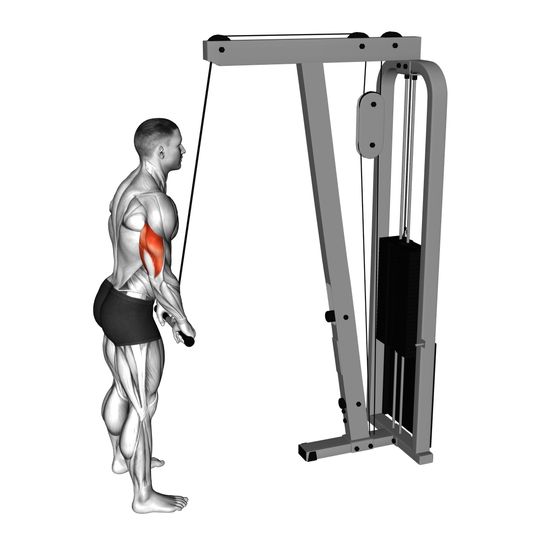 2 × 10–15
Lower A
 4 × 5–8
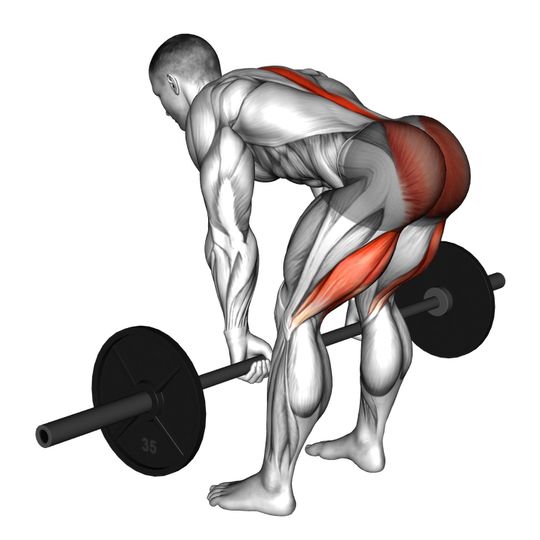 3 × 8–12
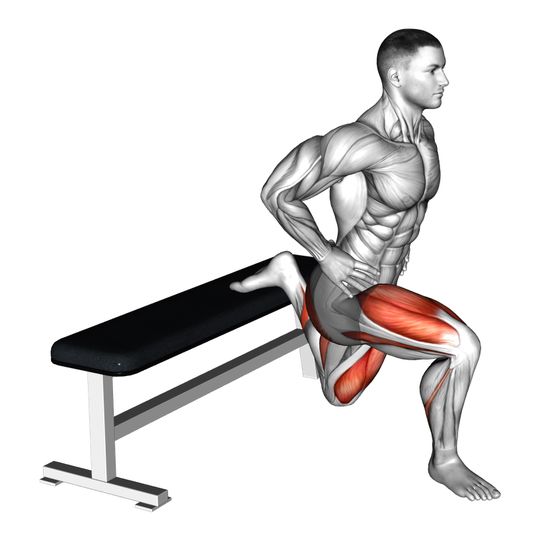 3 × 8–12 per leg
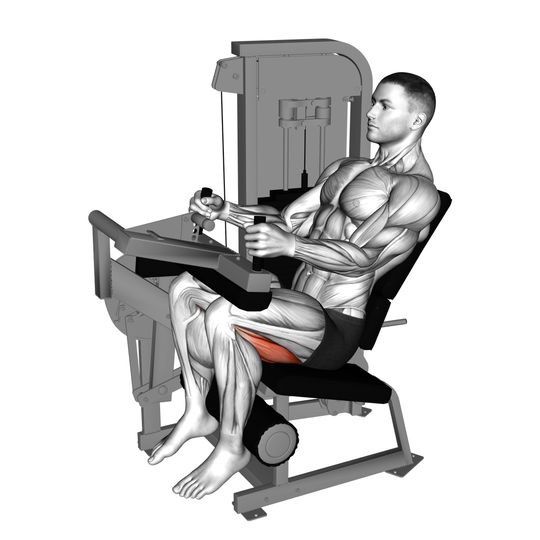 3 × 10–15
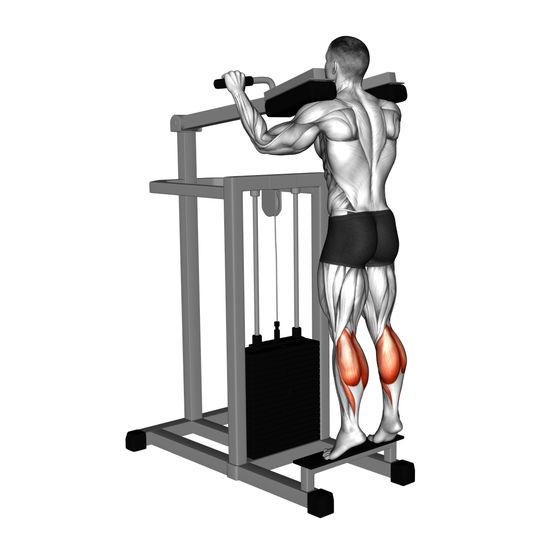 4 × 10–15
Upper B
 4 × 5–8
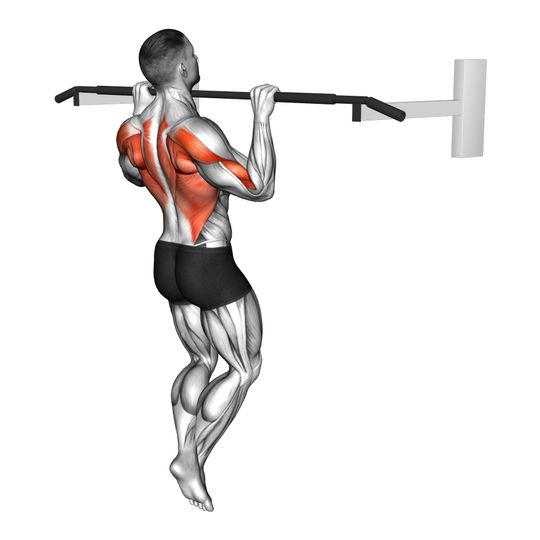 4 × 6–10
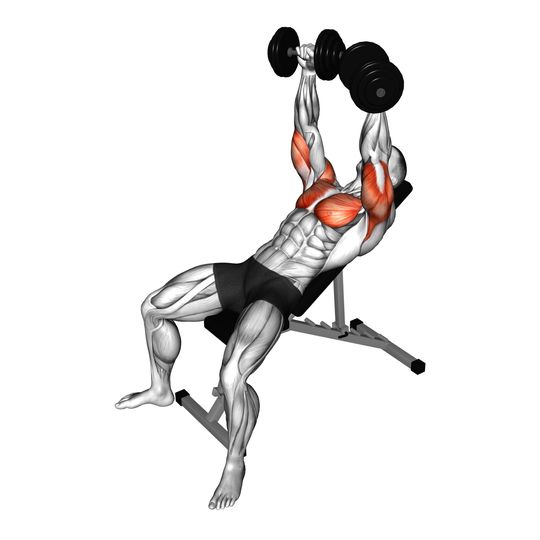 3 × 8–12
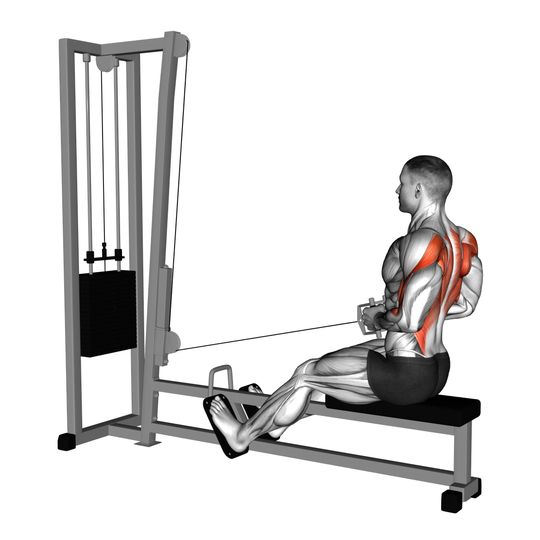 3 × 8–12
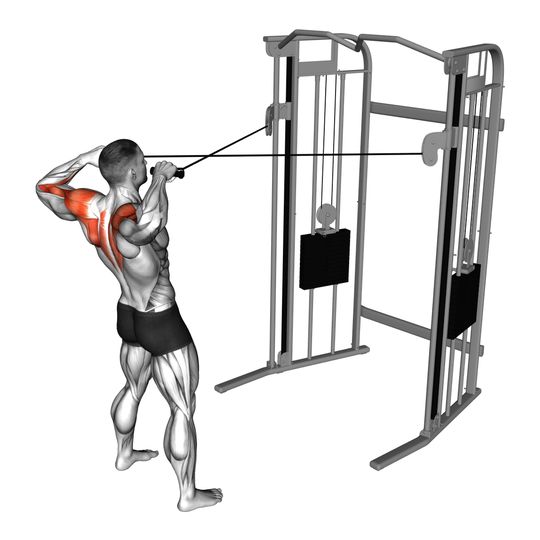 3 × 12–20
 2 × 10–15
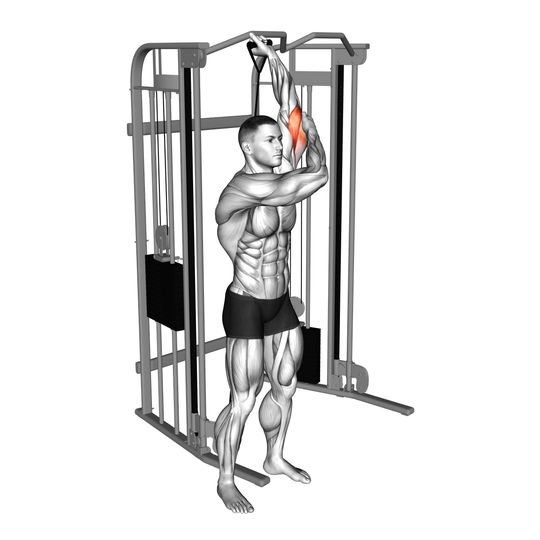 2 × 10–15
Lower B
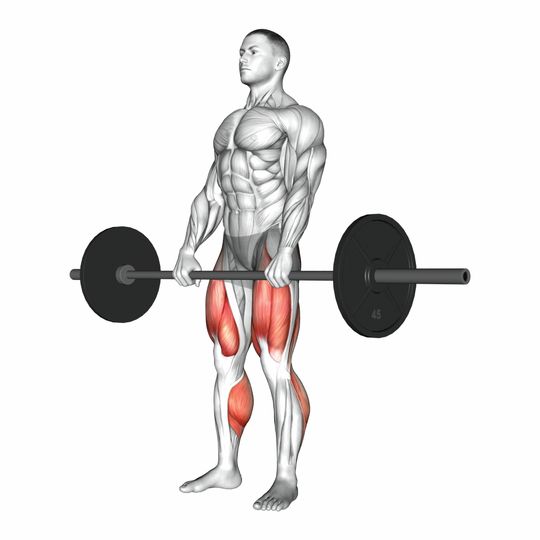 3 × 4–6
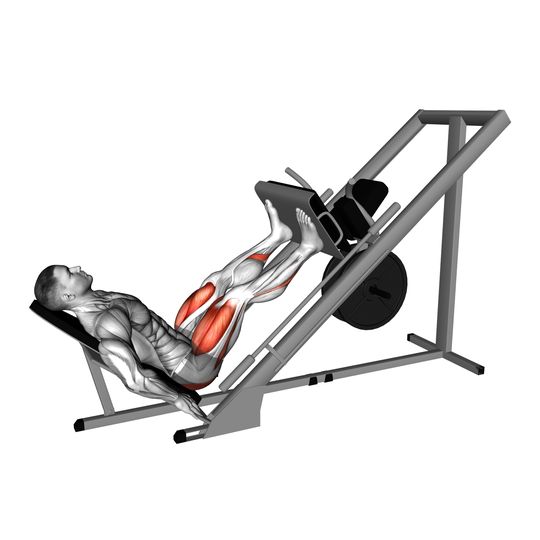 3 × 10–15
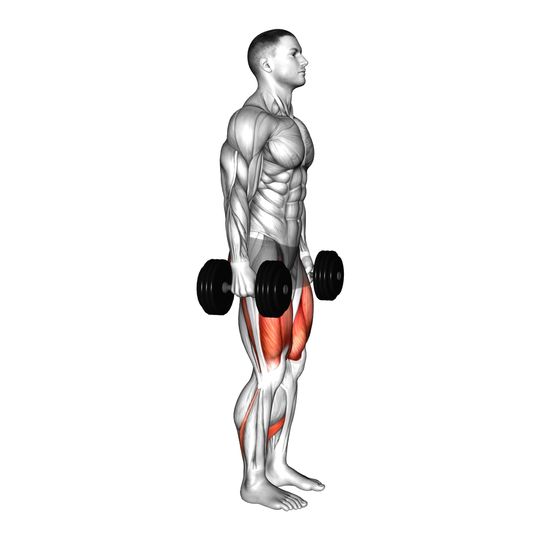 3 × 10–12 per leg
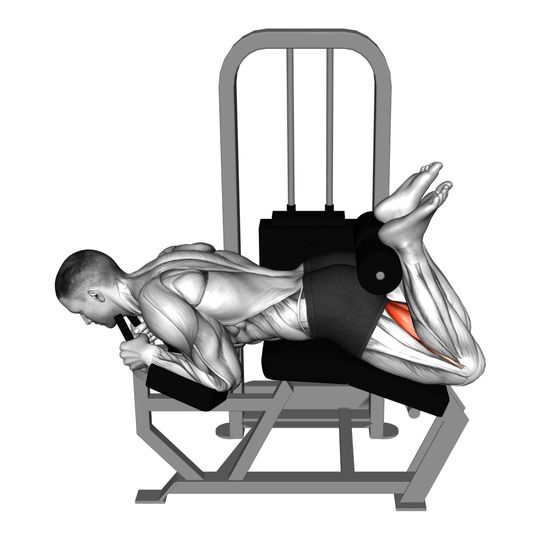 3 × 10–15
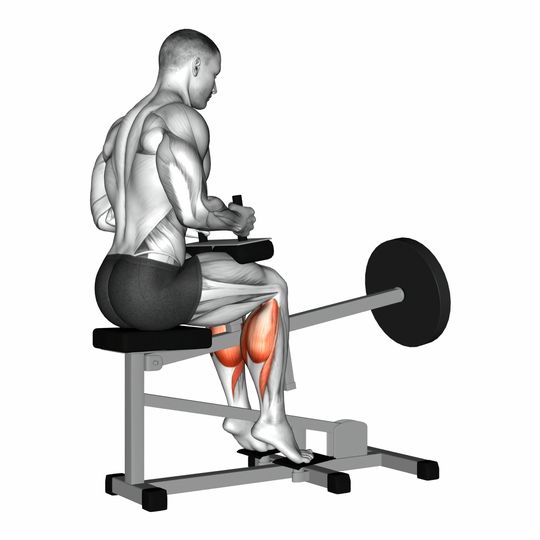 4 × 12–20
Build the four days as routines in Gript — creating a routine takes a minute per day — and set a weekly goal of four workouts so the app tracks whether the week actually happened.
What the best upper lower split looks like#
Every upper lower split shares the same skeleton, so the differences between a good one and a great one are in the details. The best version has five properties:
- Heavy and volume days, not two copies: the A sessions lead with barbell compounds in the 5–8 rep range and long rests; the B sessions use different angles, more machines and cables, and 8–20 reps. That distinction is what lets you accumulate volume without accumulating the same joint stress twice a week.
- Pressing and pulling in balance: every upper day has at least as many rowing and pulldown sets as pressing sets. Upper lower splits drift towards the bench; a muscle balance view makes the drift visible.
- One heavy pull from the floor per week: deadlift on one lower day, Romanian deadlift or hip thrust on the other. Two heavy deadlift days is the fastest way to make lower days go soft.
- Upper days capped at seven exercises: the upper session covers more muscles and always wants to grow. Seven lifts, done hard, is enough.
- Every set logged: the split works through double progression, and double progression only works if you know what you did last time.
The routine above is built to those rules. If you want more direct chest, back, and shoulder volume than four days allows, the next step is not a fifth upper lower session but a five-day hybrid: ULPPL keeps this heavy upper lower pair and adds a push pull legs rotation for volume.
2-day, 3-day, and 6-day variations#
- 2 days: one upper, one lower per week. Each muscle gets one session — a maintenance dose, but a genuinely effective one if every set is hard. Merge the A and B days, keeping the first two or three lifts of each.
- 3 days: alternate continuously — upper, lower, upper one week; lower, upper, lower the next. Each muscle lands at 1.5 sessions per week. A strong option, though a dedicated 3-day split structured around full body work is usually simpler to run.
- 6 days: three uppers and three lowers weekly. This is high frequency and high fatigue — most lifters who want six days are better served by a push pull legs split, which spreads the weekly workload across three session types instead of two.
How to progress it#
Use double progression. Every lift gets a rep range; keep the weight fixed and add reps until you hit the top of the range on all sets, then add weight and restart from the bottom. Squatting 4 × 5 at 100 kg becomes 4 × 6, 4 × 7, 4 × 8 — then 105 kg for 4 × 5. Gript's progression suggestions automate the decision, and the progressive overload guide covers what to do when reps stall.
Common mistakes#
- Upper days ballooning: upper sessions cover more muscles, so lifters keep adding exercises until the day runs past 90 minutes while lower days stay at five lifts. Cap upper days at seven exercises and let the two-session frequency carry the volume.
- Neglecting single-leg work: squats and leg presses hide left–right imbalances. Keep a split squat or lunge in every lower week — your knees and your sport will thank you.
- Letting lower days go soft: two hard lower sessions per week is the whole point of the split. If lower B keeps becoming leg press and a stretch, the split has quietly become upper-body-only.
- Ignoring the weekly totals: aim for 10–20 hard sets per muscle per week and check the distribution now and then rather than assuming it is balanced.
The upper lower split wins by being repeatable. Four focused sessions, every muscle twice a week, numbers climbing a rep at a time — it is boring in exactly the way effective training tends to be.