


Four days a week is the best trade in lifting. It is enough sessions to train every muscle twice, enough volume to grow at close to your ceiling, and few enough days that a busy week does not destroy the plan. If you can only commit to one number of training days for the next year, four is the one to pick. This guide covers the three structures worth running on four days, complete routines for each, and how to choose between them.
Why four days is the sweet spot#
Two things drive muscle growth: hard sets per muscle per week — roughly 10–20 for most lifters — and training each muscle at least twice weekly. Three days can hit both, but only just, and sessions get long. Five and six days buy more volume, but the returns shrink while the recovery and scheduling cost keeps climbing.
Four days lands in the middle: 60–75 minute sessions, every muscle trained twice, and three rest days that absorb a bad night's sleep or an unexpected work evening. It is also the frequency where the difference between a good and a great split actually matters, which is why three structures below are worth knowing rather than one.
Option 1: Upper / lower (start here)#
The upper lower split is the default recommendation for four days and it is not close. Two upper days, two lower days, every muscle twice a week, and the sessions are short enough to finish properly. The first upper and lower days lean heavy; the second pair leans toward volume, which spreads fatigue across the week instead of stacking it.
| Day | Session |
|---|---|
| Monday | Upper A (heavy) |
| Tuesday | Lower A (heavy) |
| Wednesday | Rest |
| Thursday | Upper B (volume) |
| Friday | Lower B (volume) |
| Saturday | Rest |
| Sunday | Rest |
Rest 2–4 minutes on the heavy compounds and 60–90 seconds on isolation work. Leave 1–3 reps in reserve on working sets; the last set of an isolation exercise can go to failure. The warm-up calculator lays out the jumps up to your first working weight.
Day 1 – Upper A (heavy)
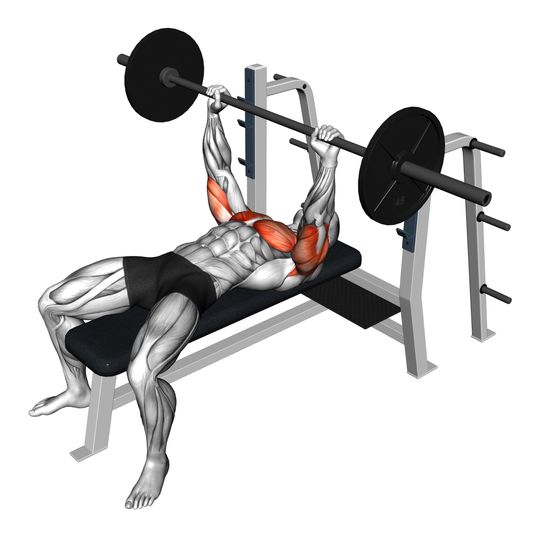 4 × 5–8
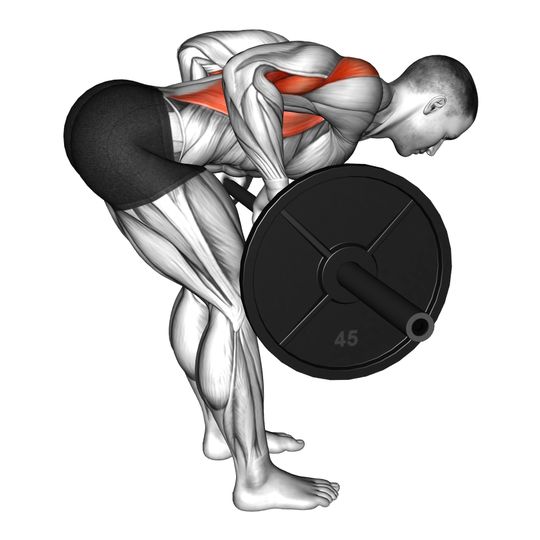 4 × 5–8
 3 × 6–10
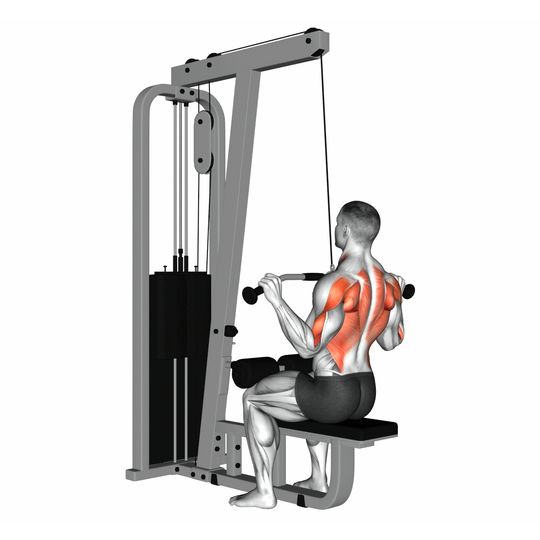 3 × 8–12
 3 × 8–12
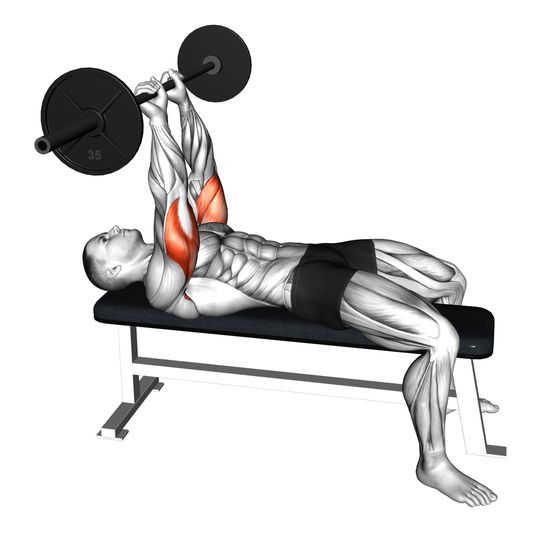 3 × 8–12
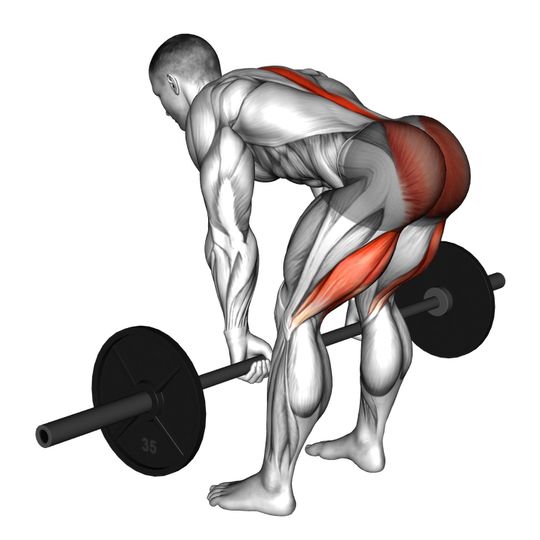
Day 2 – Lower A (heavy)
 4 × 5–8
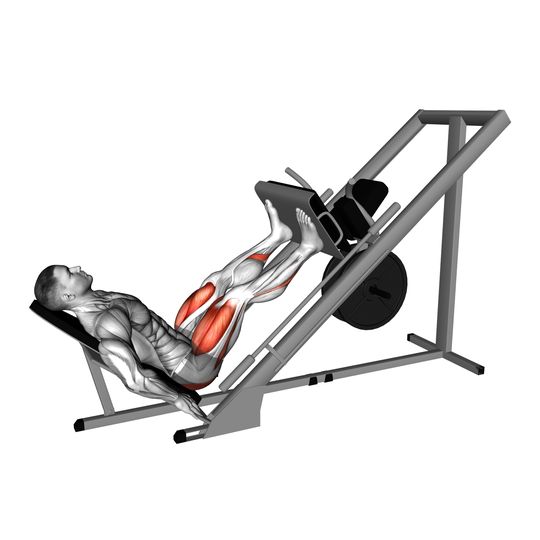
 3 × 6–10
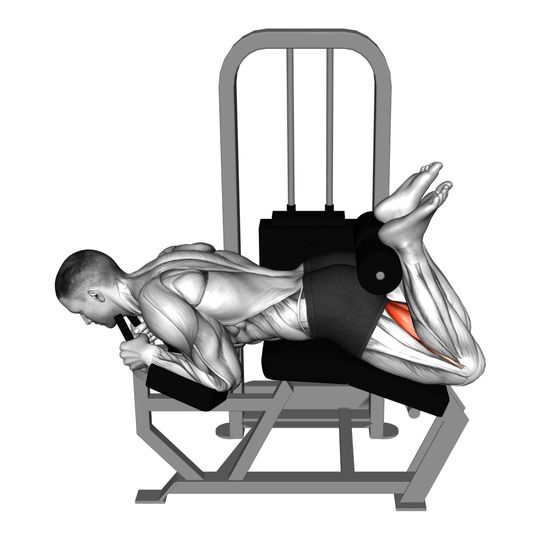
 3 × 10–15
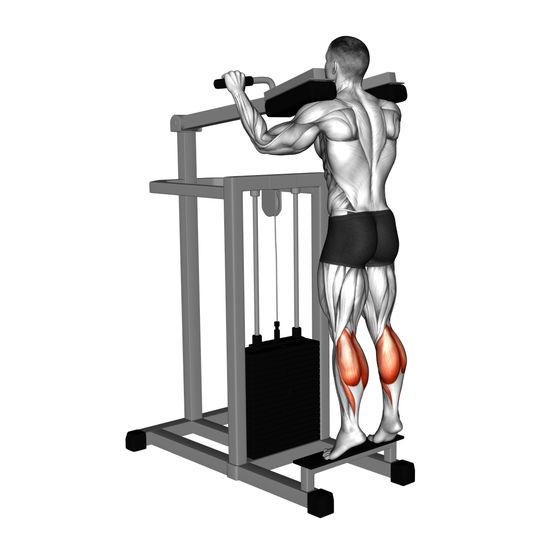
 3 × 10–15
 4 × 8–12
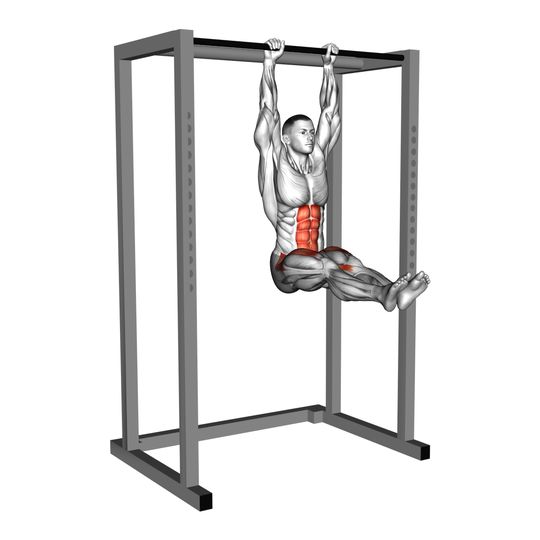 3 × 10–15
Day 3 – Upper B (volume)
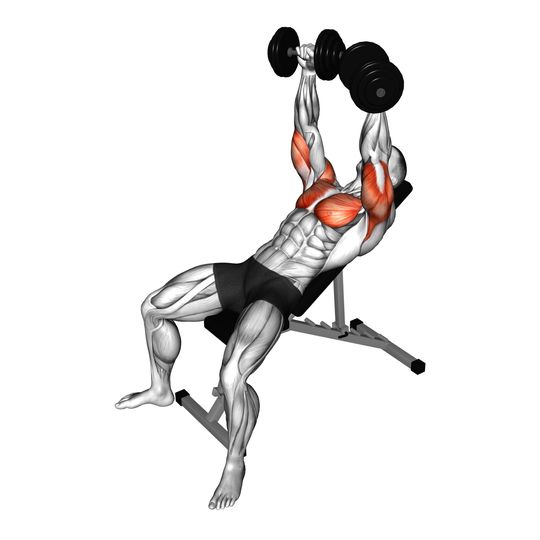 4 × 8–12
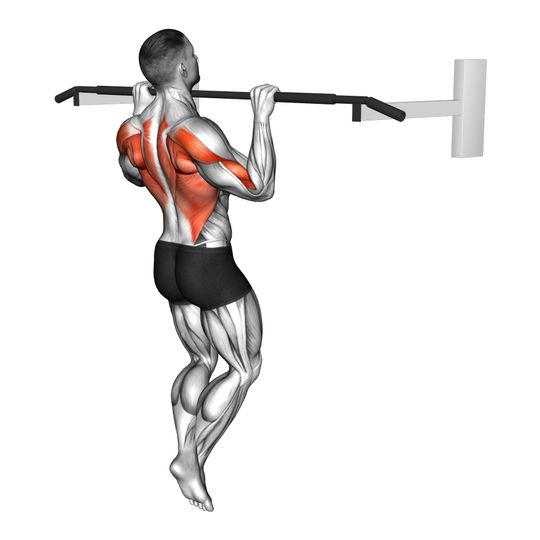 4 × 6–12
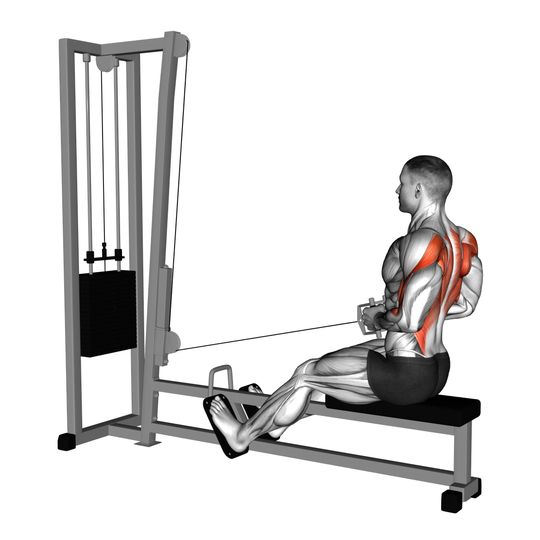 3 × 10–15
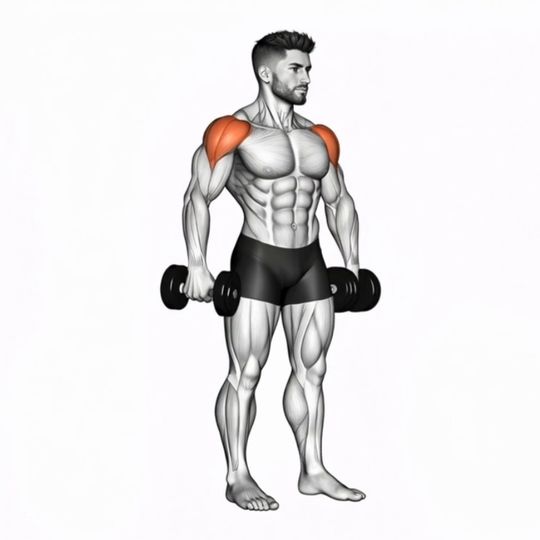 4 × 12–20
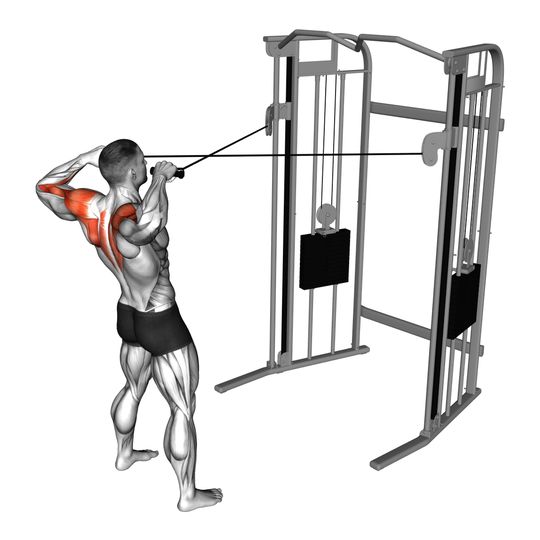 3 × 12–20
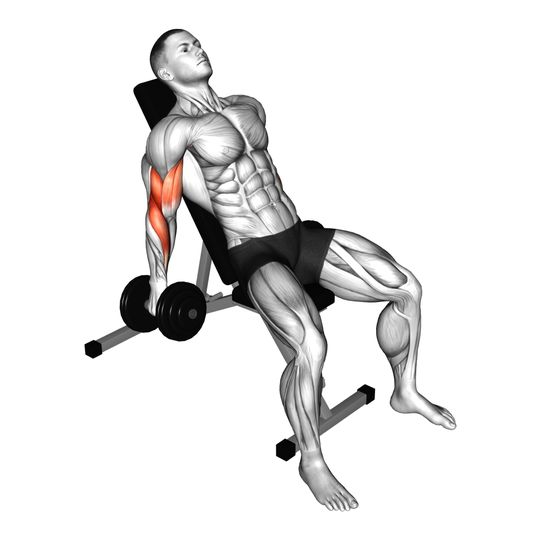 3 × 10–15
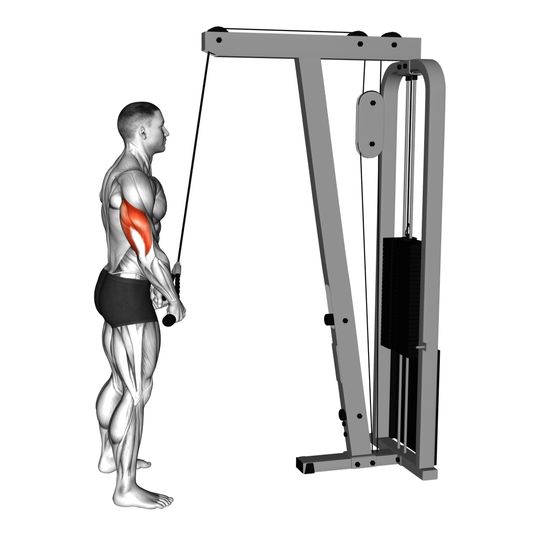 3 × 12–15
Day 4 – Lower B (volume)
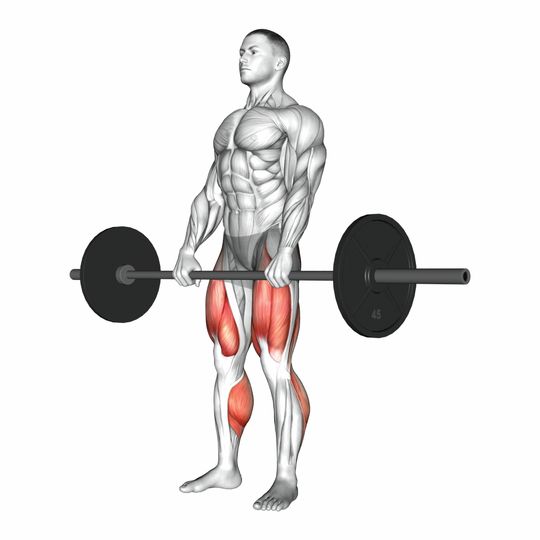 3 × 4–6
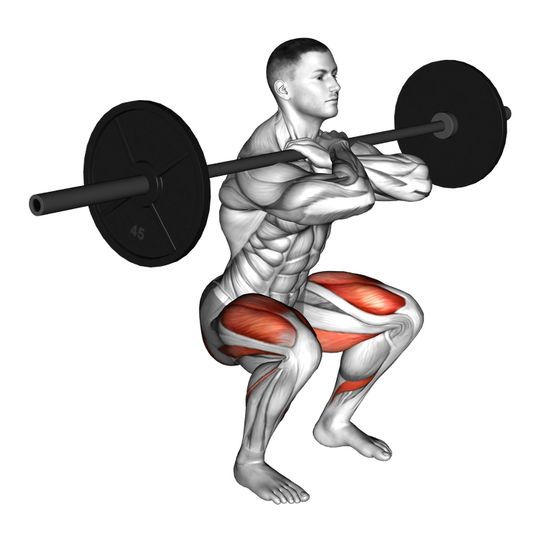 3 × 8–12
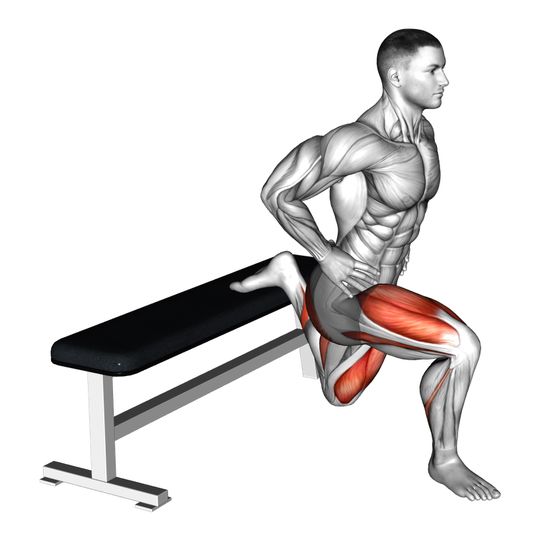 3 × 8–12 per leg
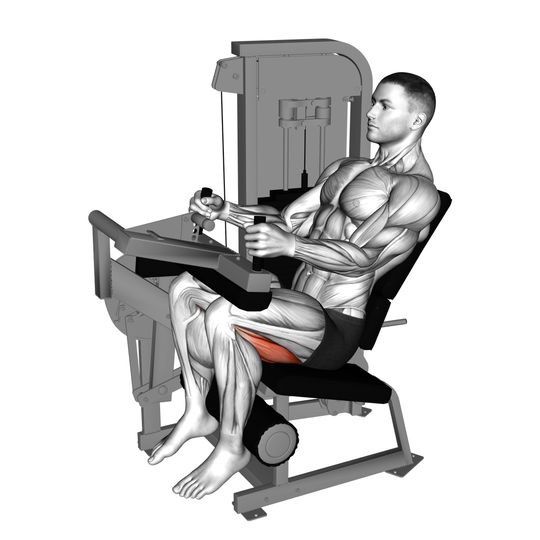 3 × 12–15
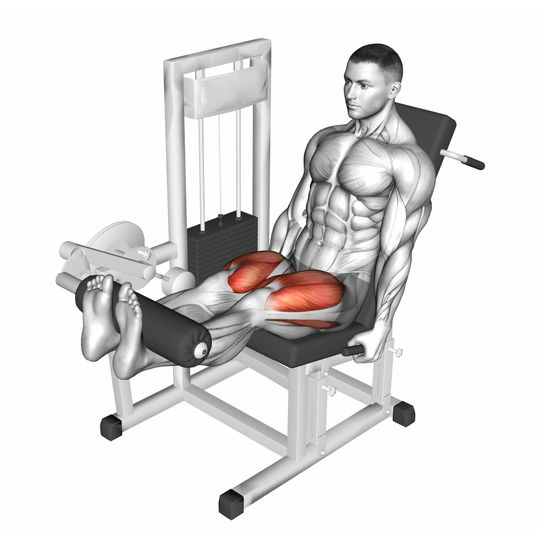 3 × 12–20
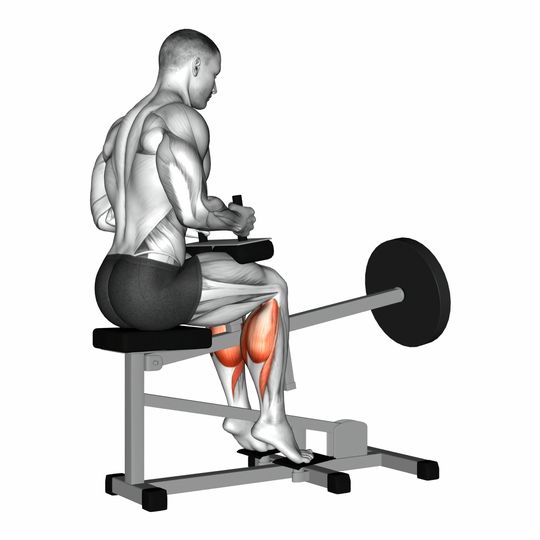 4 × 12–20
Option 2: Push pull legs + 1#
Push pull legs normally needs six days to give every muscle two sessions. On four days you run push, pull, legs, and then a fourth day that tops up whatever the first three under-served — usually an upper day, because chest, back, and shoulders each got one session while legs got a full one.
| Day | Session |
|---|---|
| Monday | Push |
| Tuesday | Pull |
| Wednesday | Rest |
| Thursday | Legs |
| Friday | Upper (top-up) |
| Saturday | Rest |
| Sunday | Rest |
This is the honest version of a common mistake. Plenty of lifters run push, pull, legs, rest, repeat on a rolling schedule and end up training each muscle roughly every fifth day — worse frequency than upper/lower for the same four sessions. Fixing the fourth day is what makes it competitive.
Day 1 – Push
- 4 × 5–8
- 3 × 6–10
- 3 × 8–12
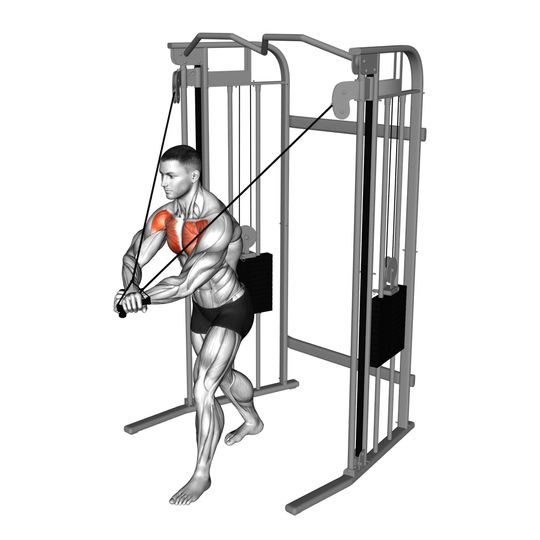 3 × 12–15
- 4 × 12–20
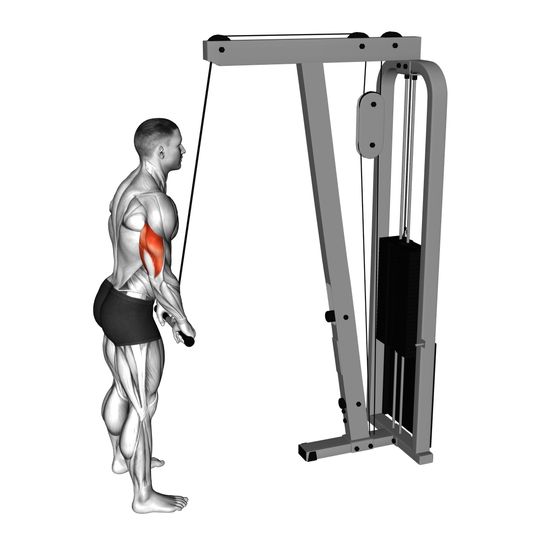 3 × 10–15
Day 2 – Pull
- 3 × 4–6
- 4 × 6–12
- 3 × 6–10
- 3 × 10–15
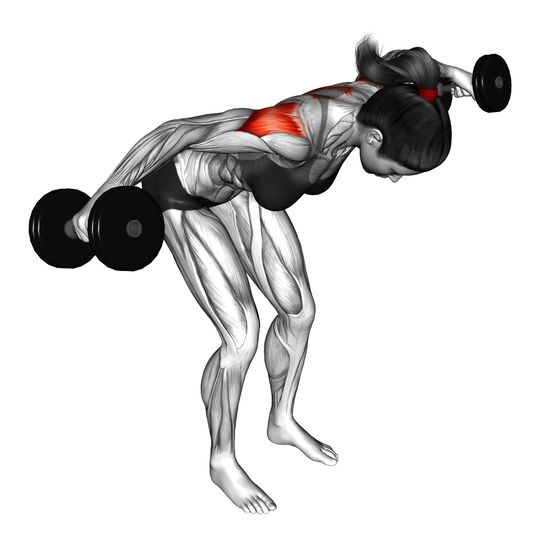 3 × 12–20
- 3 × 8–12
Day 3 – Legs
- 4 × 5–8
- 3 × 8–12
- 3 × 10–15
- 3 × 10–15
- 3 × 12–20
- 4 × 10–15
Day 4 – Upper top-up
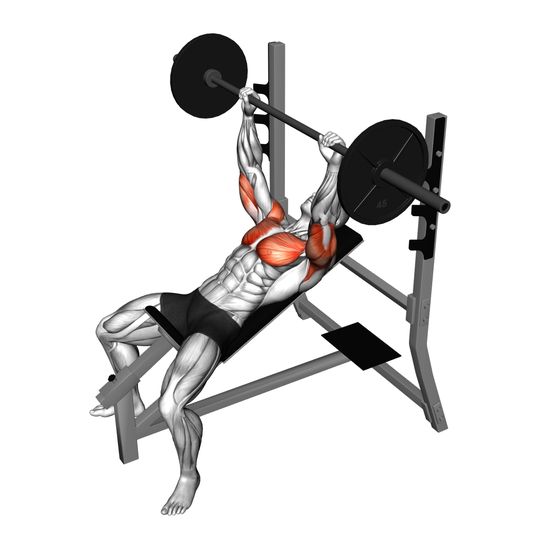 4 × 6–10
- 4 × 8–12
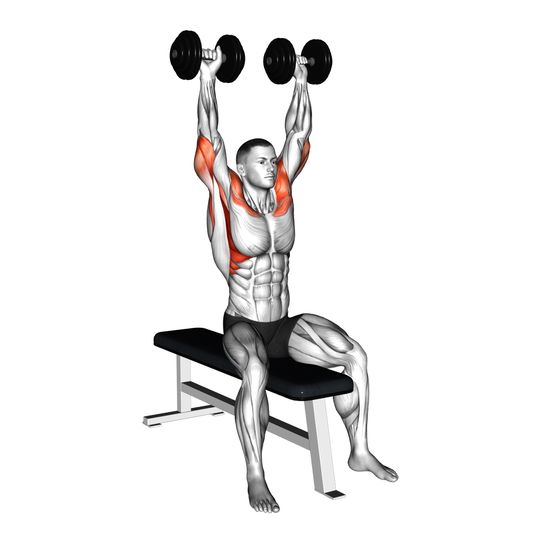 3 × 8–12
 3 × 8–12
 3 × 10–15
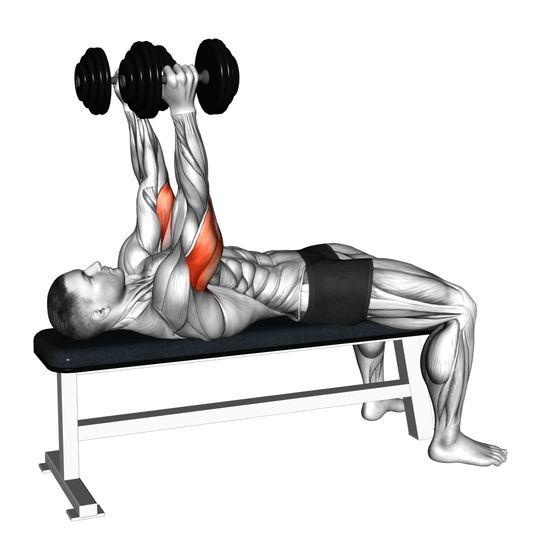 3 × 10–15
Option 3: Arnold-lite#
A four-day compression of the Arnold split: chest and back paired as antagonists, shoulders and arms together, legs on their own, and a fourth day that revisits the upper body from different angles. Every muscle gets between one and two sessions a week, with far more direct shoulder and arm volume than upper/lower delivers.
| Day | Session |
|---|---|
| Monday | Chest and back |
| Tuesday | Legs |
| Wednesday | Rest |
| Thursday | Shoulders and arms |
| Friday | Chest, back and legs (light) |
| Saturday | Rest |
| Sunday | Rest |
Pick this one if arms and shoulders are your priority and you like antagonist supersets. Skip it if your squat and deadlift numbers matter to you — one leg day plus a light top-up is thin for lower body strength.
Day 1 – Chest and back
- 4 × 6–10
- 4 × 6–10
- 3 × 8–12
- 3 × 8–12
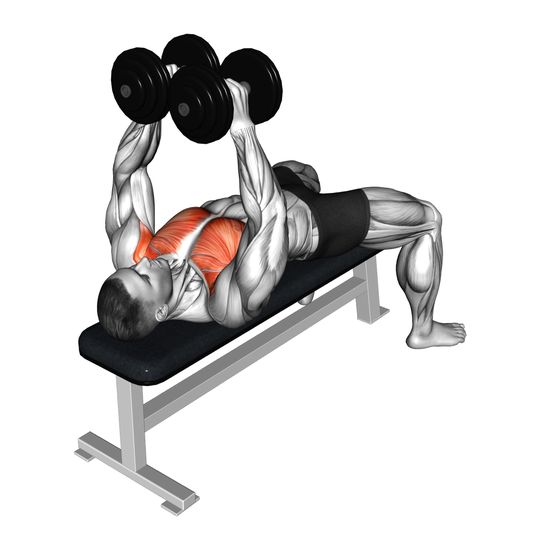 3 × 12–15
- 3 × 10–15
Day 2 – Legs
- 4 × 5–8
- 4 × 8–12
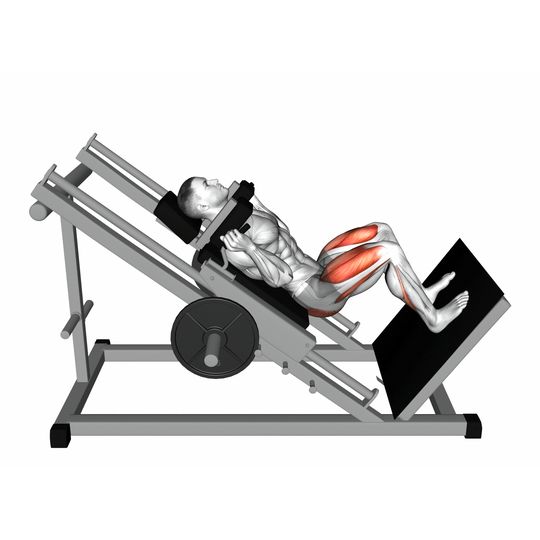 3 × 10–15
- 3 × 10–15
- 3 × 12–20
- 4 × 10–15
Day 3 – Shoulders and arms
- 4 × 6–10
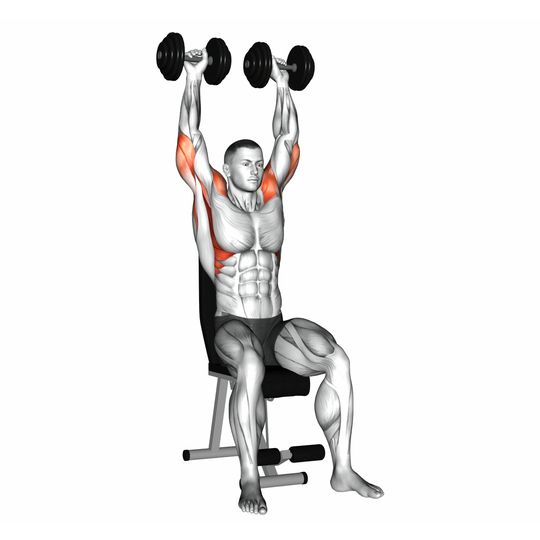 3 × 8–12
- 4 × 12–20
- 3 × 12–20
- 3 × 8–12
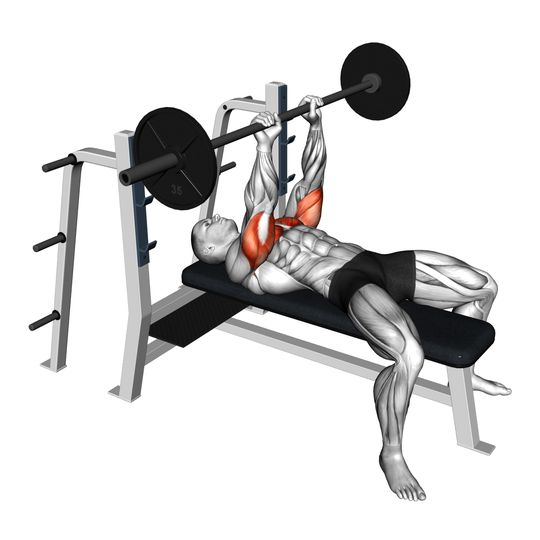 3 × 8–12
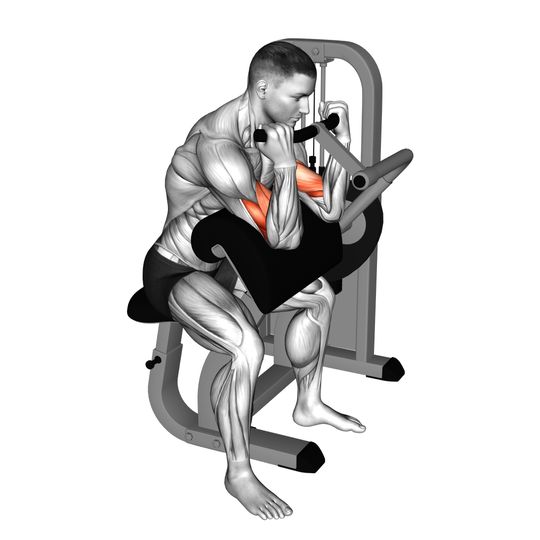 3 × 10–15
- 3 × 12–15
Day 4 – Chest, back and legs (light)
- 3 × 8–12
- 3 × 10–15
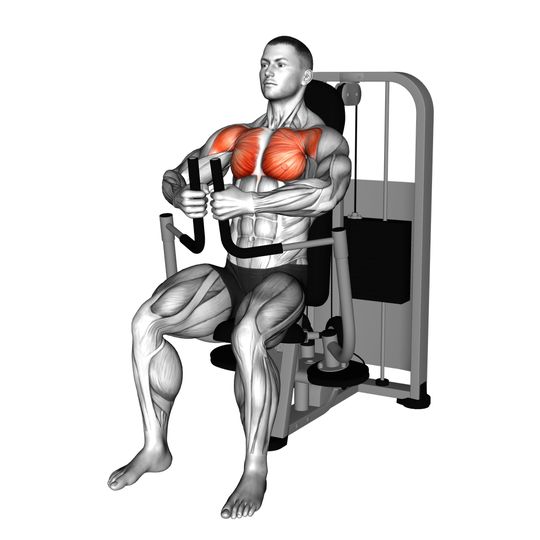 3 × 12–15
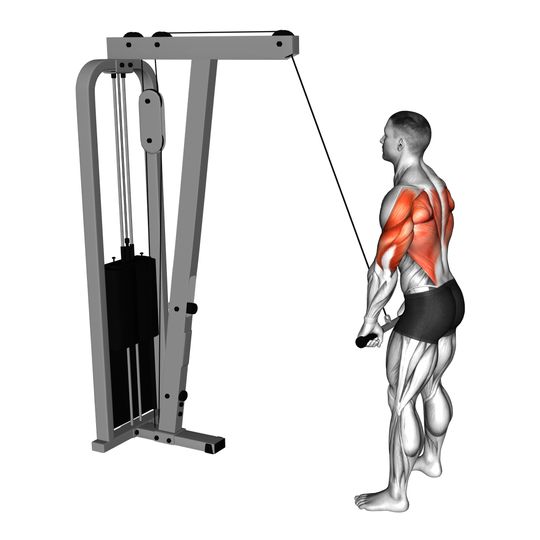 3 × 12–15
- 3 × 10–12 per leg
- 3 × 12–15
How to choose between the three#
| Split | Best for | Weakness |
|---|---|---|
| Upper / lower | Almost everyone — balanced strength and size, shortest sessions | Less direct shoulder and arm volume |
| PPL + 1 | Lifters who like movement-pattern sessions and long arm work | Fourth day needs planning |
| Arnold-lite | Arm and shoulder priority, antagonist supersets | Thin on lower body strength |
If you are undecided, run upper/lower for six months. It is the structure with the fewest ways to get it wrong, and the one most likely to still be working a year from now. Check your weekly hard sets per muscle in the training volume calculator before you switch — most lifters who feel a split is not working have a volume problem, not a structure problem.
Scheduling four days around real life#
The Monday–Tuesday / Thursday–Friday layout is the standard for a reason: two pairs of sessions with a rest day in between, and the weekend free. Two other layouts work fine:
- Monday, Tuesday, Thursday, Saturday: useful when Friday evenings are unreliable.
- Two on, one off, two on: a rolling five-day cycle rather than a weekly one. Slightly better frequency, considerably worse for planning around a calendar.
What matters is that the two heavy days are not adjacent to each other more than once, and that legs never directly follows deadlifts. Everything else is negotiable.
How to progress a 4-day split#
Use double progression. Every exercise gets a rep range; you add reps at a fixed weight until you hit the top of the range on every set, then add weight and start again at the bottom. Bench pressing 4 × 5 at 90 kg becomes 4 × 6, 4 × 7, 4 × 8 — then 95 kg for 4 × 5.
Add weight in 2.5 kg jumps on upper body lifts and 5 kg on lower body lifts, and treat the heavy and volume versions of the same lift as separate progressions. If a lift stalls three sessions in a row, drop back 10% and climb again over three weeks — the progressive overload guide covers the reset in detail. Save each day as its own routine in Gript with this guide, and its progression suggestions will flag when a lift has topped out its range. If you want percentage targets for the heavy days, work them out from the one rep max calculator.
Common mistakes#
- Running four days as a shortened six-day split: four PPL sessions on rotation is worse than four upper/lower sessions, because it costs you frequency for nothing.
- Making both upper days identical: the heavy/volume distinction is what lets you accumulate volume without accumulating fatigue. Two identical heavy days grinds most lifters down inside a month.
- Adding a fifth day when progress slows: a stalled 4-day split almost always means the loads have not moved, not that the volume is too low. Fix the progression first.
- Skipping the second lower day: it is the most commonly dropped session in every four-day plan, and it is the reason so many lifters have one good leg day and no leg development.
Four days, two upper, two lower, loads that climb month over month. It is unglamorous and it works better than almost anything else you can fit into a normal week. If four days is too many right now, the 3-day split loses less than you would expect; if you have more time and recovery, the 5-day split is the next step up.