


Five days is where splits get interesting. You have enough sessions to train everything twice a week with volume to spare, but not so many that recovery becomes the limiting factor. The catch is that five is an awkward number — it does not divide cleanly into push/pull/legs or upper/lower, so most five-day plans are hybrids. This guide covers the three that actually work, with complete routines for each.
What five days buys you#
Not more growth by itself. Muscle responds to hard sets per muscle per week — roughly 10–20 for most lifters — and a well-built four-day plan already reaches that. What the fifth day buys is room: room for a full shoulder and arm session, room for direct work on a lagging muscle, room to keep individual sessions under an hour instead of pushing 90 minutes.
That only pays off if the fifth day is planned rather than improvised. A fifth session of whatever feels appealing usually turns into more chest and biceps, which is the one thing nobody needs more of. Check where you actually stand with the training volume calculator before deciding what the extra day should contain.
Option 1: PPL + upper / lower (the best five-day split)#
Run push pull legs once, then an upper lower pair to top everything up. Every muscle gets two sessions a week, chest and back get a heavy day and a volume day, and legs get one focused session plus a secondary one. This is the structure most physique-focused lifters should run on five days.
| Day | Session |
|---|---|
| Monday | Push |
| Tuesday | Pull |
| Wednesday | Legs |
| Thursday | Rest |
| Friday | Upper |
| Saturday | Lower |
| Sunday | Rest |
Rest 2–4 minutes on compounds and 60–90 seconds on isolation work. Keep working sets 1–3 reps short of failure; the last set of an isolation exercise can go to failure. The rest day before the upper/lower pair is the load bearing part of the schedule — do not move it to Sunday.
Day 1 – Push
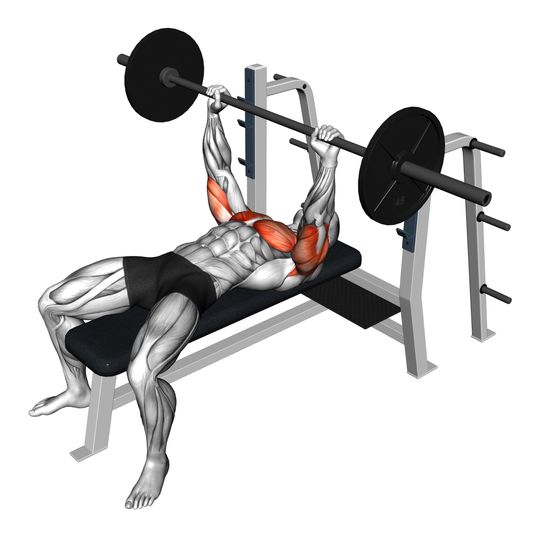 4 × 5–8
 3 × 6–10
 3 × 8–12
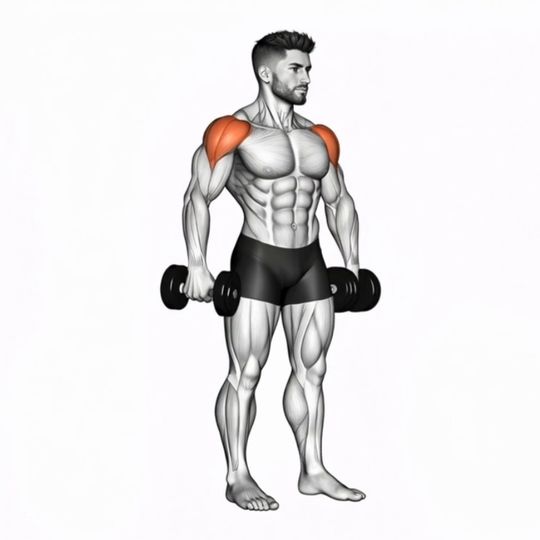 4 × 12–20
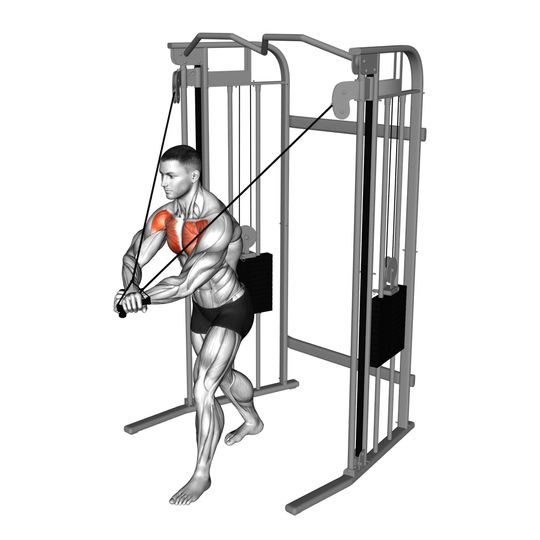 3 × 12–15
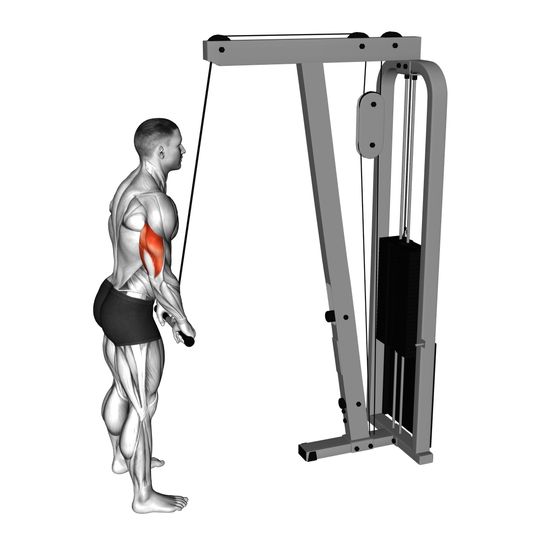 3 × 10–15
Day 2 – Pull
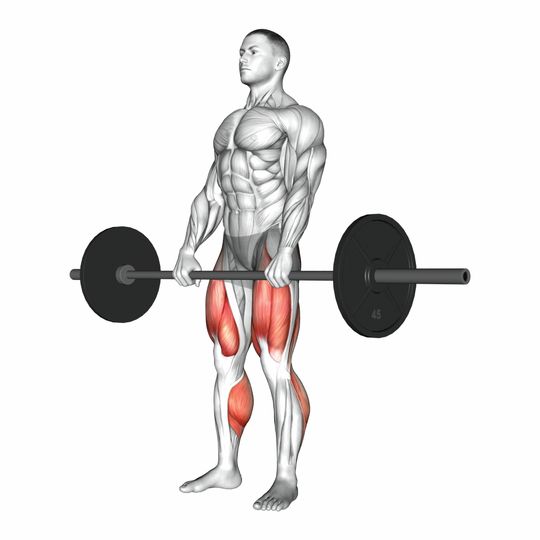 3 × 4–6
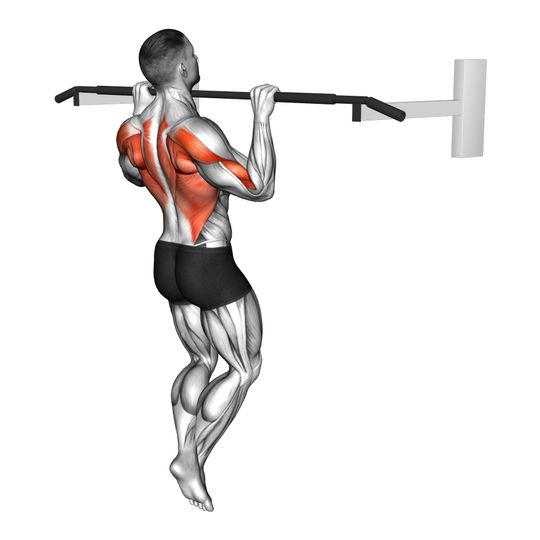 4 × 6–12
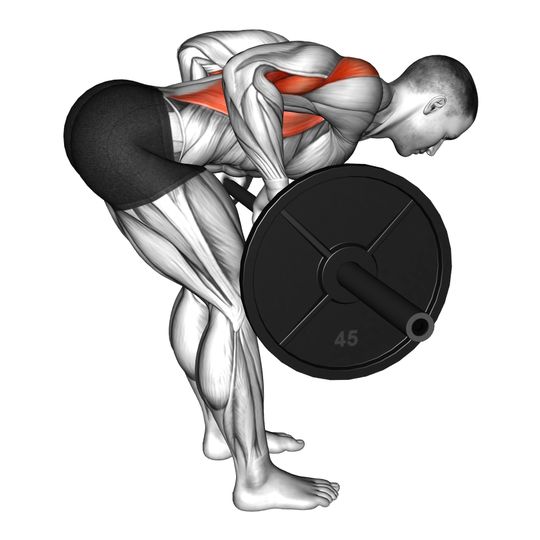 3 × 6–10
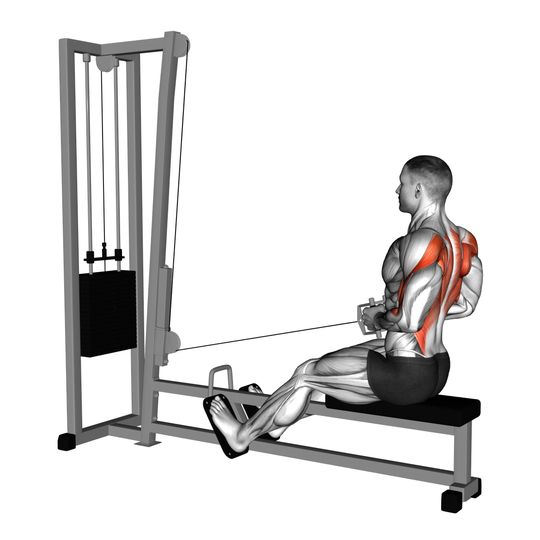 3 × 10–15
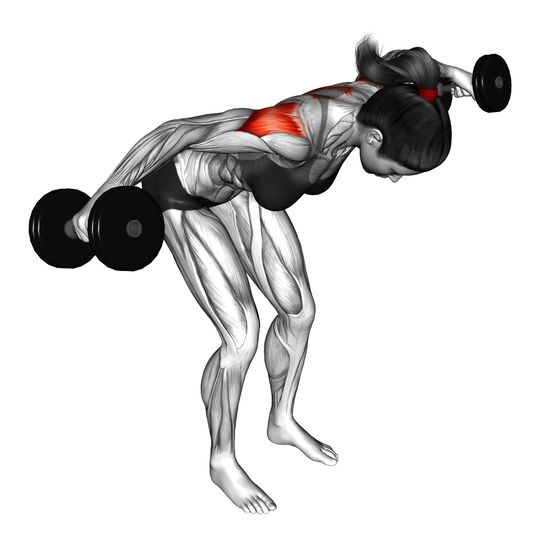 3 × 12–20
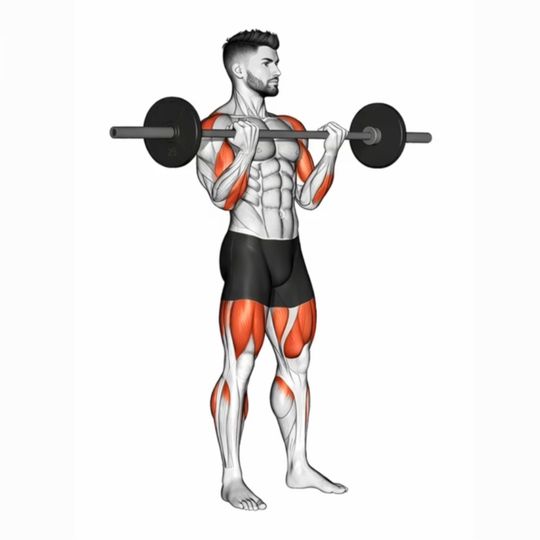 3 × 8–12
Day 3 – Legs
 4 × 5–8
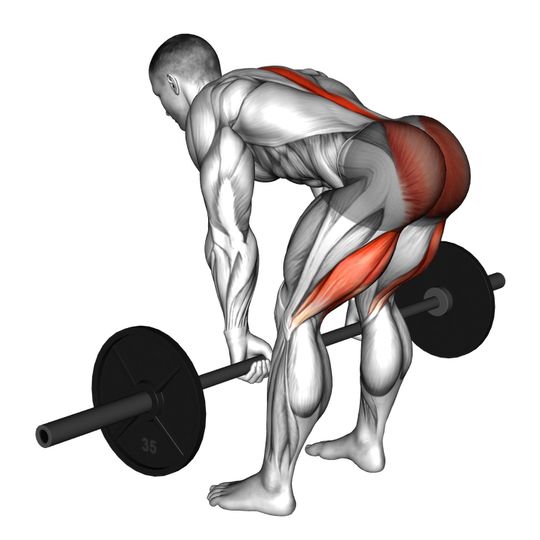 3 × 8–12
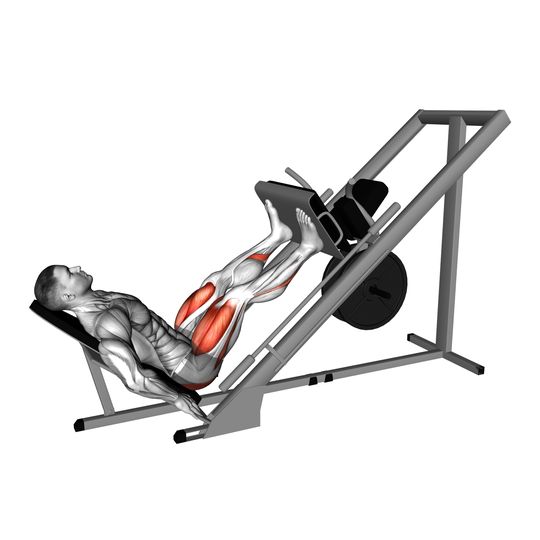 3 × 10–15
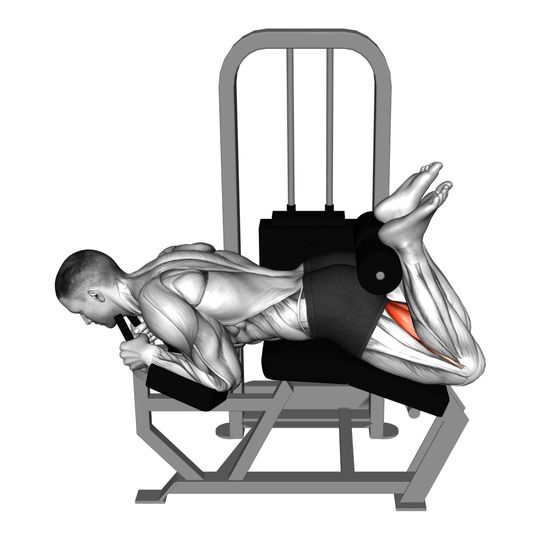 3 × 10–15
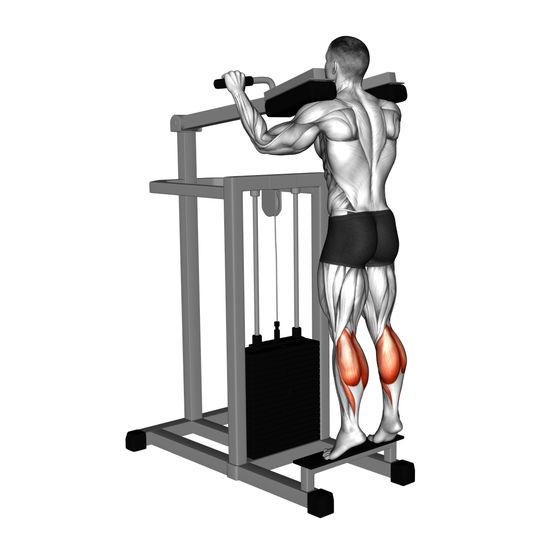 4 × 10–15
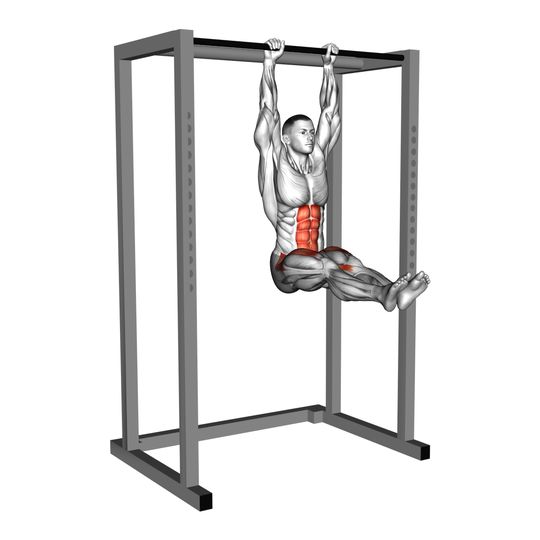 3 × 10–15
Day 4 – Upper
 4 × 8–12
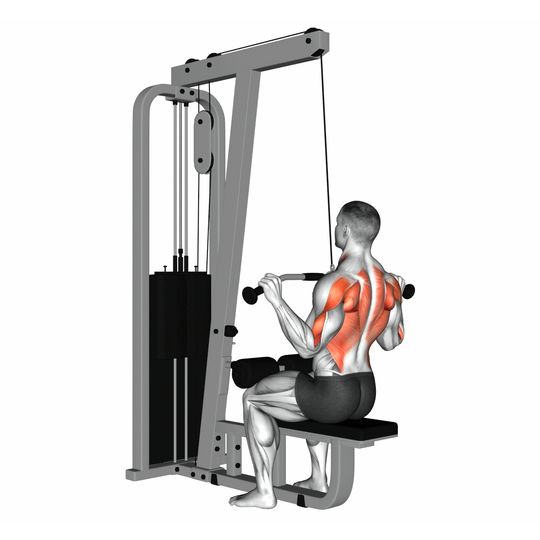 4 × 8–12
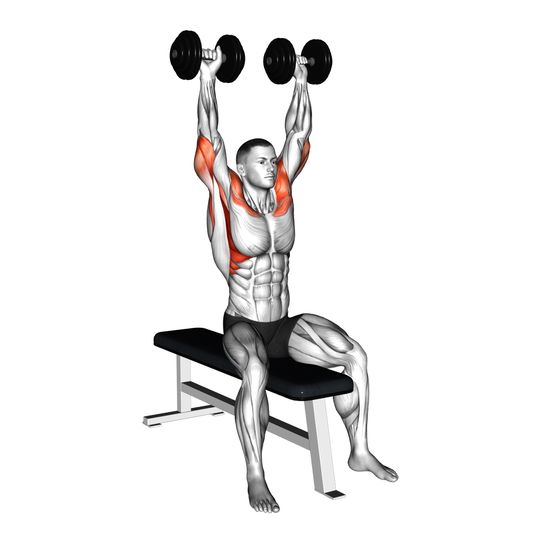 3 × 8–12
 3 × 8–12
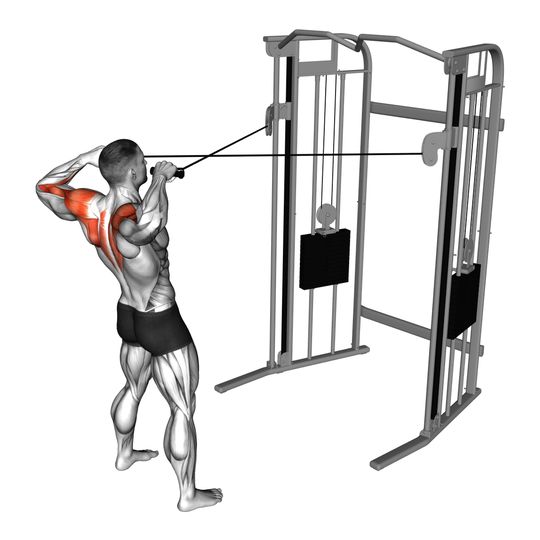 3 × 12–20
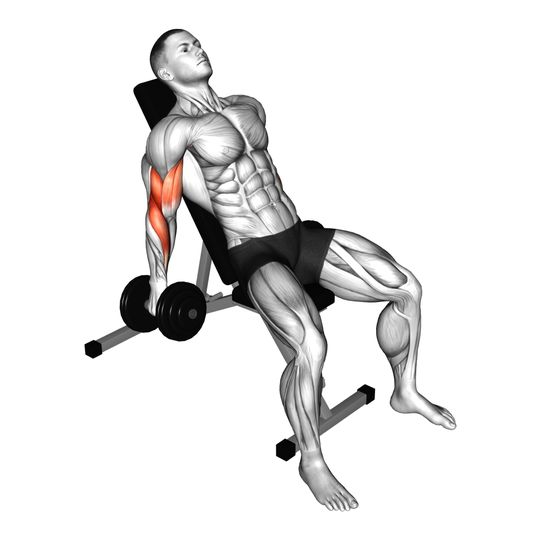 3 × 10–15
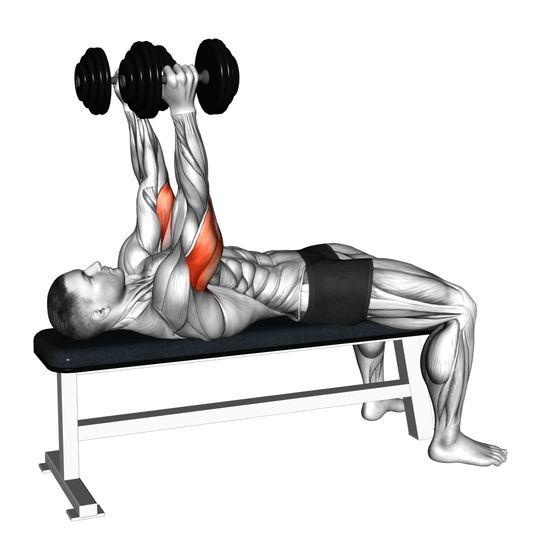 3 × 10–15
Day 5 – Lower
 4 × 6–10
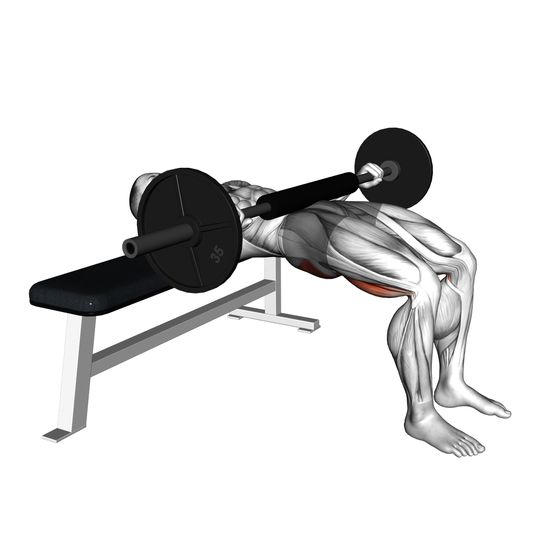 3 × 8–12
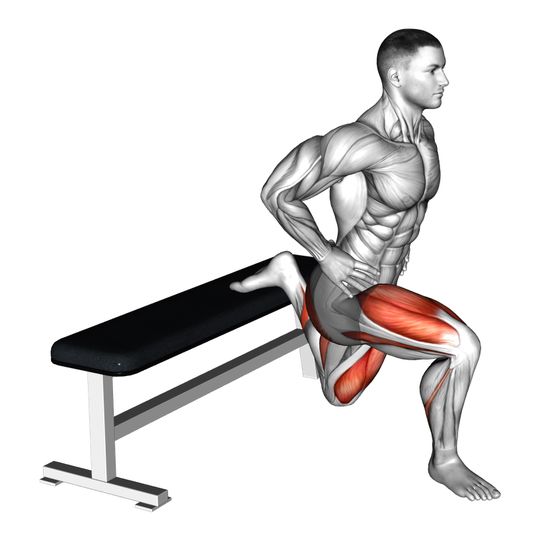 3 × 10–12 per leg
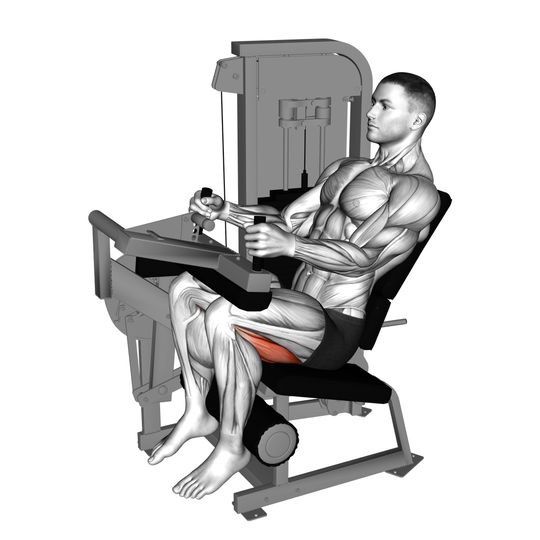 3 × 12–15
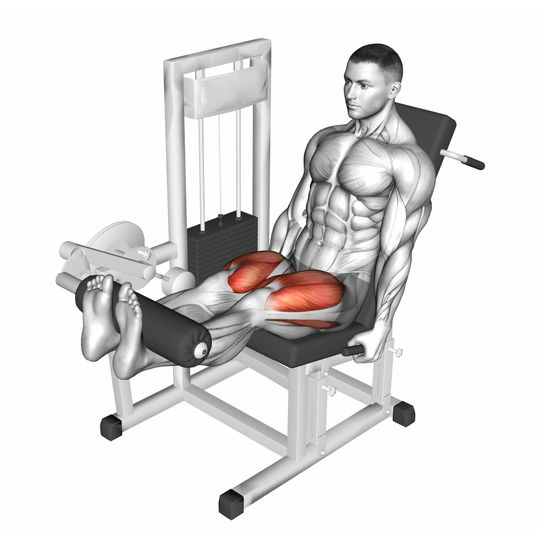 3 × 12–20
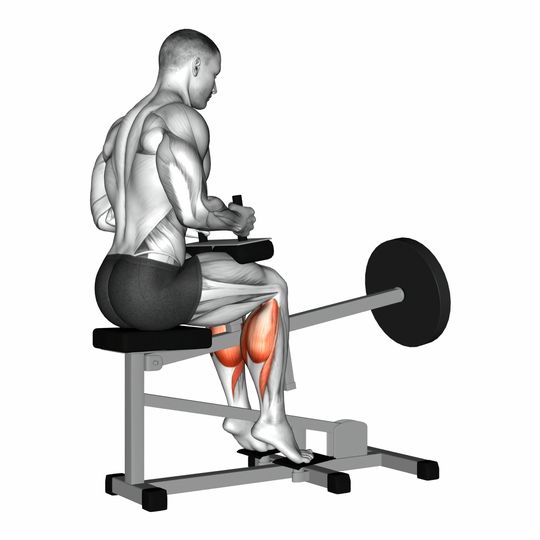 4 × 12–20
Option 2: The upgraded bro split#
The classic five-day bro split — chest, back, shoulders, legs, arms — has one real weakness: each muscle is trained once every seven days. The fix is not to abandon it, because the one-muscle focus is genuinely enjoyable and enjoyable programs get completed. The fix is to give every big muscle a small second dose somewhere else in the week.
| Day | Session |
|---|---|
| Monday | Chest (+ light back) |
| Tuesday | Back (+ light chest) |
| Wednesday | Legs |
| Thursday | Shoulders (+ light legs) |
| Friday | Arms |
| Saturday | Rest |
| Sunday | Rest |
Each session caps out at around 10–14 hard sets for the primary muscle, then adds 3–4 sets for a secondary one. That turns a once-weekly structure into something closer to 1.5 sessions per muscle per week without adding a single day.
Day 1 – Chest
- 4 × 5–8
- 4 × 8–12
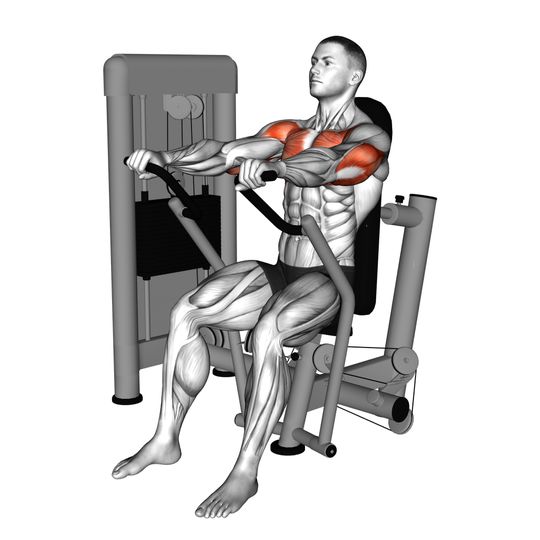 3 × 10–15
- 3 × 12–20
- 3 × 10–15
Day 2 – Back
- 3 × 4–6
- 4 × 6–12
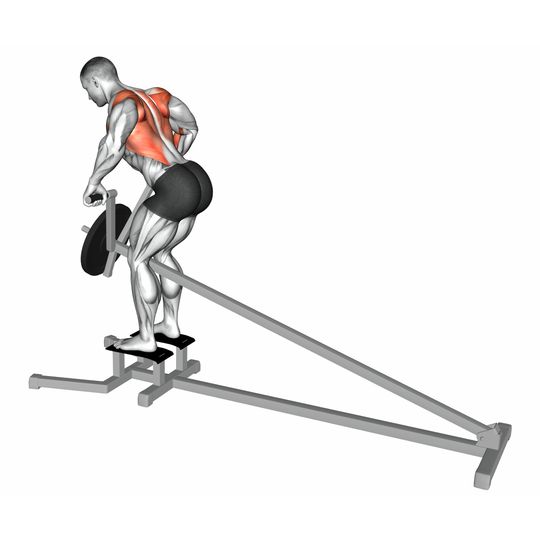 4 × 8–12
- 3 × 10–15
- 3 × 10–15
Day 3 – Legs
- 4 × 5–8
- 3 × 8–12
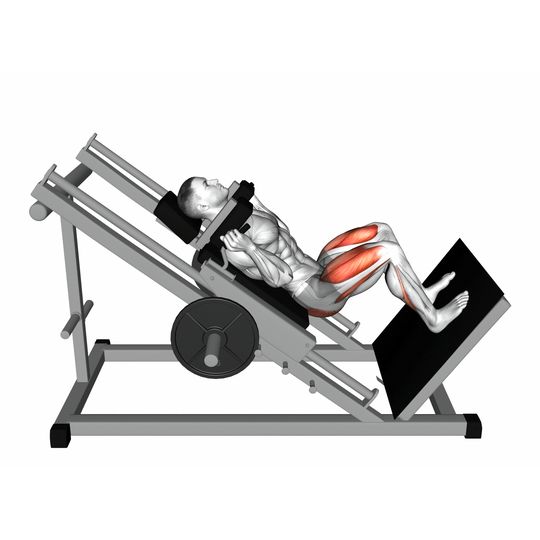 3 × 10–15
- 3 × 10–15
- 3 × 12–20
- 4 × 10–15
Day 4 – Shoulders
- 4 × 5–8
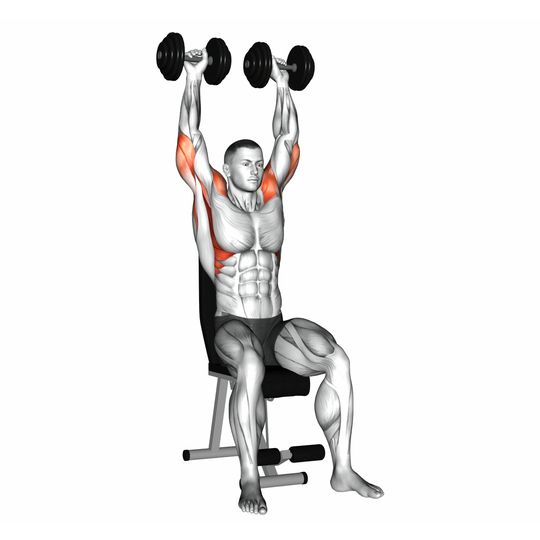 3 × 8–12
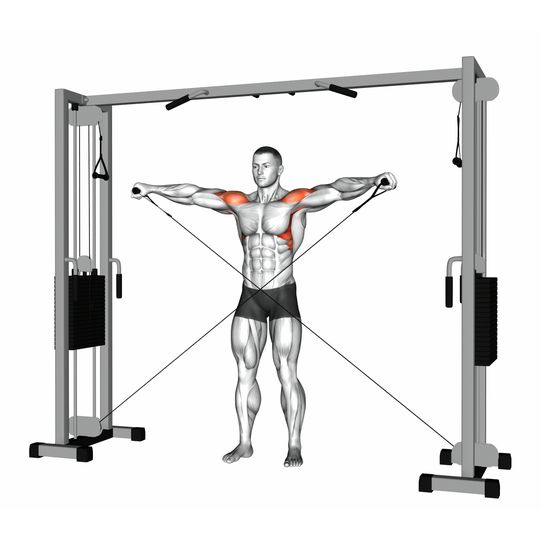 4 × 12–20
- 3 × 12–20
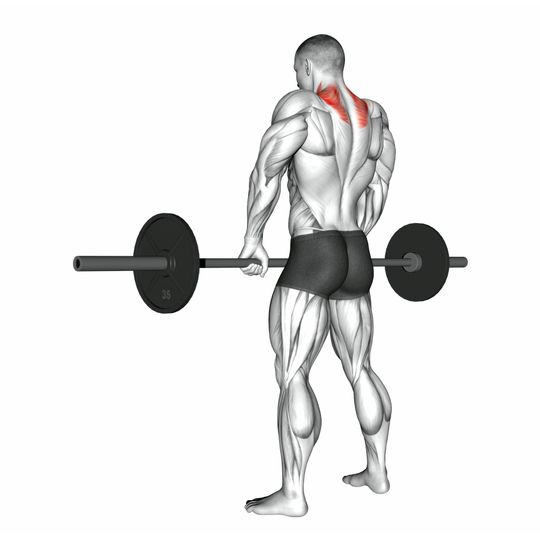 3 × 10–15
- 3 × 10–12 per leg
Day 5 – Arms
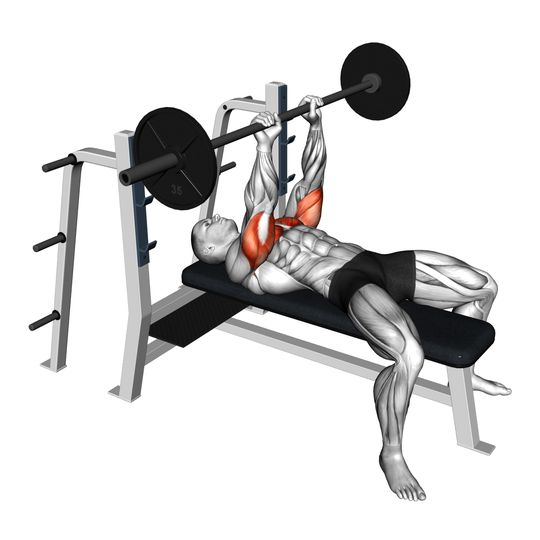 4 × 6–10
- 4 × 8–12
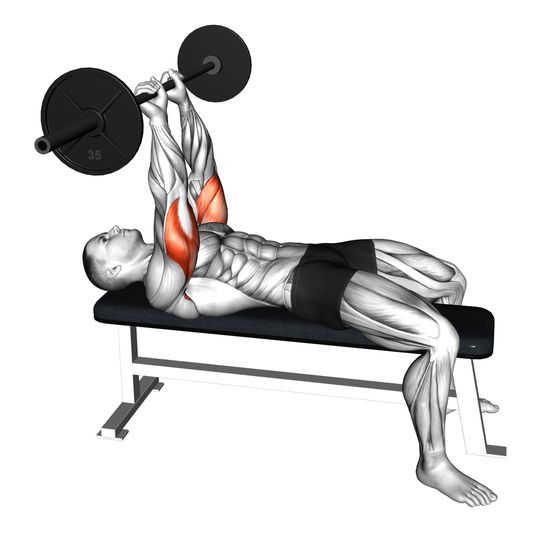 3 × 10–15
- 3 × 10–15
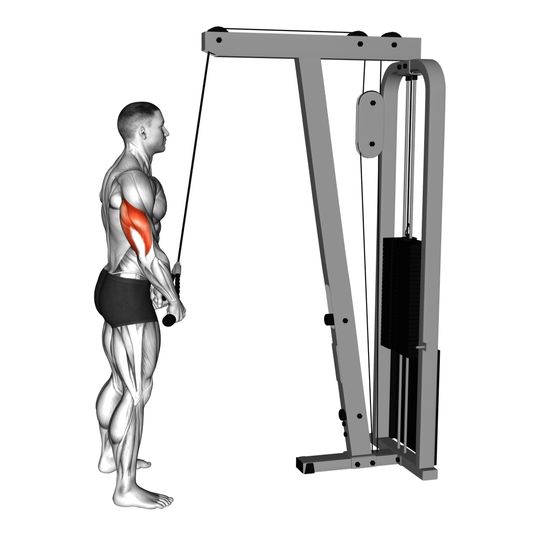 3 × 12–20
 3 × 12–20
Option 3: Body part rotation + weak point day#
Four training days on an upper/lower structure, plus a fifth day dedicated entirely to whatever is lagging. This is the most useful five-day split for intermediate and advanced lifters who know exactly what they need more of — narrow shoulders, flat upper back, calves that never grew.
| Day | Session |
|---|---|
| Monday | Upper (heavy) |
| Tuesday | Lower (heavy) |
| Wednesday | Weak point day |
| Thursday | Upper (volume) |
| Friday | Lower (volume) |
| Saturday | Rest |
| Sunday | Rest |
Run the four main days exactly as laid out in the 4-day upper/lower routine. The fifth day sits mid-week, uses machines and cables rather than heavy barbell work, and stays under 45 minutes so it does not interfere with the Thursday and Friday sessions. Three examples:
Weak point day – shoulders and upper back
- 4 × 12–20
- 4 × 15–20
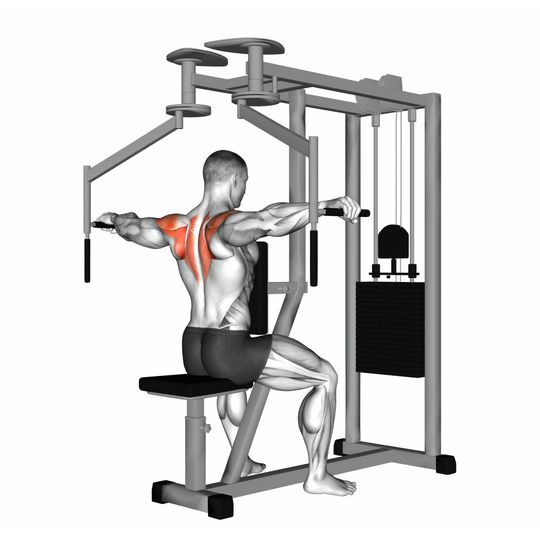 3 × 15–20
- 3 × 10–15
- 3 × 12–20
Weak point day – arms
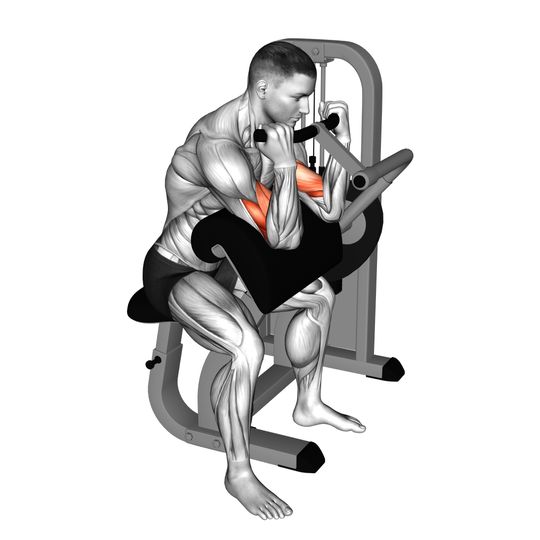 4 × 10–15
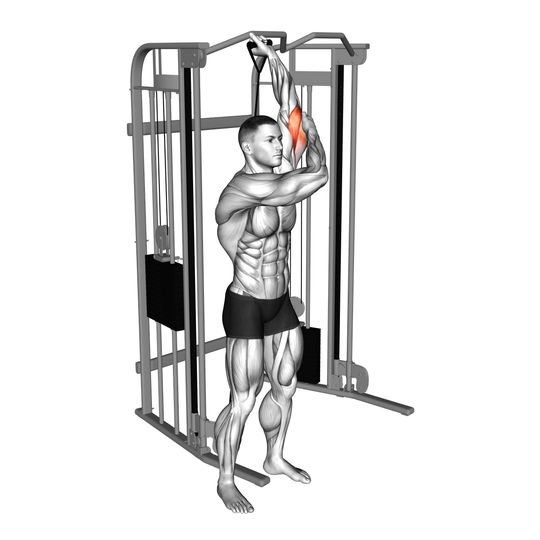 4 × 10–15
- 3 × 12–20
- 3 × 12–20
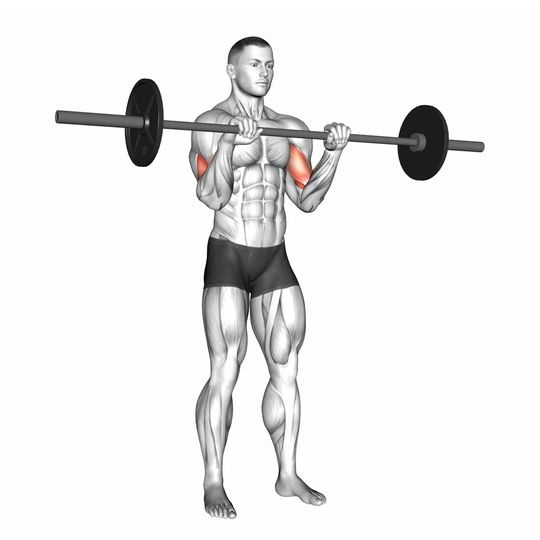 3 × 12–20
Weak point day – glutes and hamstrings
- 4 × 8–12
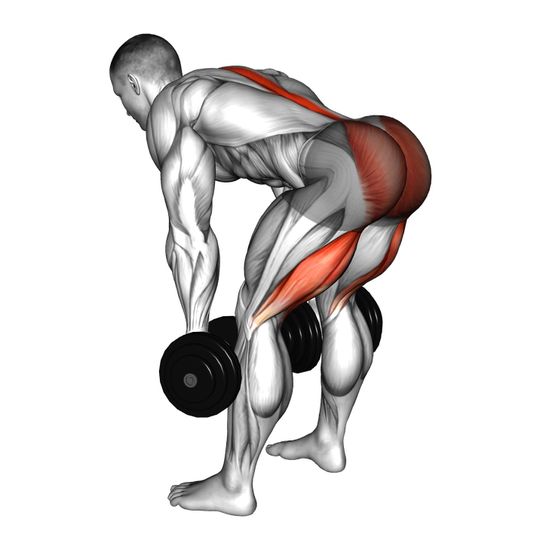 3 × 10–15
- 4 × 12–15
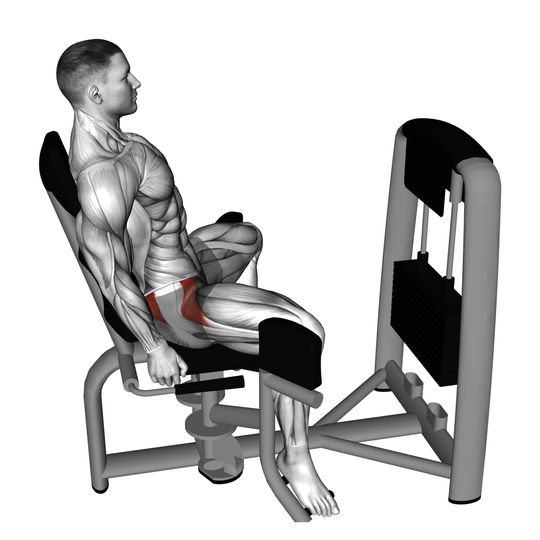 3 × 15–20
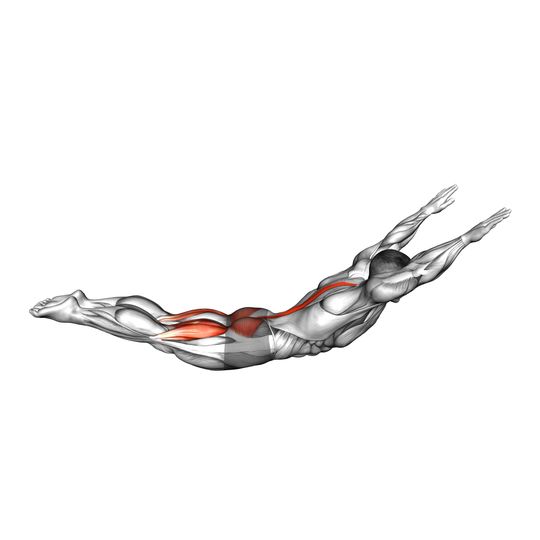 3 × 12–20
Which five-day split to pick#
| Split | Best for | Weakness |
|---|---|---|
| PPL + upper / lower | Most lifters — balanced, twice-weekly frequency | Five fixed days, little slack |
| Upgraded bro split | Lifters who love single-muscle sessions | Still lower frequency than the others |
| Upper / lower + weak point | Intermediates with a specific lagging muscle | Needs an honest assessment first |
If you are moving up from four days, start with option 1 — it is the smallest change from a structure you already know. If you are moving down from six, option 3 keeps the volume where it matters and drops the session you were skipping anyway.
Progression and recovery on five days#
Use double progression on every lift: pick a rep range, add reps at a fixed weight until you hit the top of the range on all sets, then add weight and restart at the bottom. Upper body lifts climb in 2.5 kg jumps and lower body in 5 kg. Work out percentage targets for heavy sets from the one rep max calculator if you prefer numbers to feel.
Five days is the point where recovery starts to matter as much as programming. Two consecutive rest days a week is not optional, sleep below seven hours will show up in your log within a fortnight, and a week where every session feels heavier than the last is a signal to cut the volume day in half rather than push through. Save each session as a routine in Gript with this guide so its progression suggestions can tell the difference between a stall and a bad day.
Common mistakes#
- Adding the fifth day to fix a stall: if four days stopped working, the loads stopped moving. A fifth session of the same effort does nothing.
- Making the fifth day another chest and biceps session: pick the day by what is lagging, not by what is fun.
- Five consecutive training days: Monday to Friday with the weekend off looks tidy but stacks all the fatigue in the second half of the week. Put a rest day mid-week.
- Treating five days as mandatory: a five-day plan that gets completed three times most weeks is worse than a four-day plan completed four times.
Five days rewards planning more than any other schedule. Decide what the extra sessions are for before you add them, keep the loads climbing, and protect the two rest days. If it starts feeling like a chore, the full body versus split comparison is a good place to reconsider the whole structure, and the 6-day split is the next step if five genuinely is not enough.