


Six days a week is the most volume a natural lifter can usefully absorb, and the point where the split stops being the main variable. On six days, recovery is the constraint — how you eat, sleep, and manage fatigue matters more than which sessions you pair together. Get that right and six days is excellent. Get it wrong and it is four productive days plus two you would have been better off resting. This guide covers the two structures worth running, complete routines, and the recovery caveats nobody mentions.
Who should train six days a week#
Intermediate and advanced lifters chasing size, with a genuinely flexible schedule, seven-plus hours of sleep, and enough food to support the work. That is a real list of requirements, not a disclaimer. Six sessions is roughly 25–30 hard sets more per week than a four-day plan, and unrecovered volume does not build muscle — it just makes the next session worse.
Beginners should not be here. New lifters progress fastest practising the main lifts three times a week on a 3-day full body program, where every session produces a visible jump. Six days of accessory volume is fatigue a beginner has no use for. If your schedule is unpredictable, a 4-day split delivers the same twice-weekly frequency and survives a missed day.
Option 1: PPL ×2 — the king of six-day splits#
Push, pull, legs, twice through. This is the default for six days and has been for decades, because the logic is hard to beat: every muscle gets two sessions a week, sessions group movements that share muscles, and the six days divide perfectly into two rotations.
| Day | Session |
|---|---|
| Monday | Push A (heavy) |
| Tuesday | Pull A (heavy) |
| Wednesday | Legs A (heavy) |
| Thursday | Push B (volume) |
| Friday | Pull B (volume) |
| Saturday | Legs B (volume) |
| Sunday | Rest |
The A and B rotations are not the same workout twice. A leans heavy — compound lifts in the 5–8 rep range with long rests. B leans toward volume — different angles, more machines and cables, 10–20 reps, shorter rests. That distinction is what makes six days survivable. Two identical heavy push days a week will wreck most shoulders inside two months.
Rest 2–4 minutes on the heavy compounds and 60–90 seconds on isolation work. Keep working sets 1–3 reps short of failure on the A days and closer to failure on the B days, where the loads are lighter and the recovery cost is lower. See the full push pull legs guide for variations on three, four, and five days.
Push A – heavy
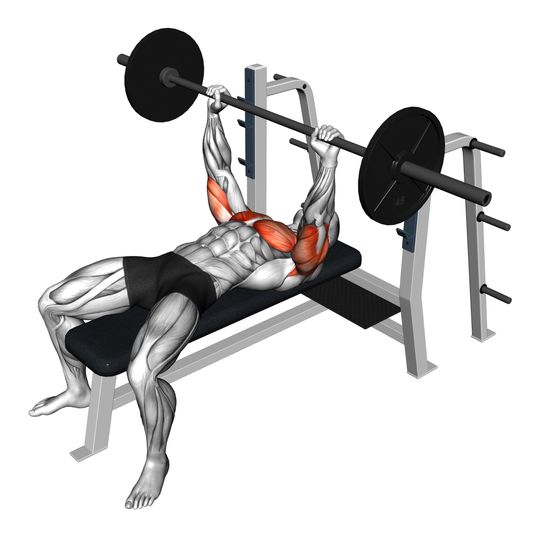 4 × 5–8
 4 × 5–8
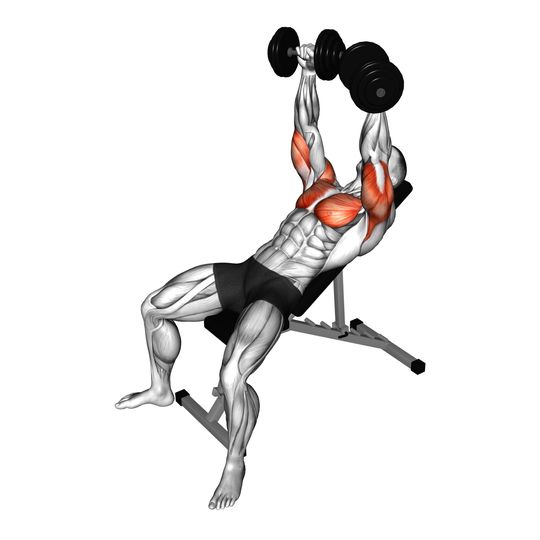 3 × 8–12
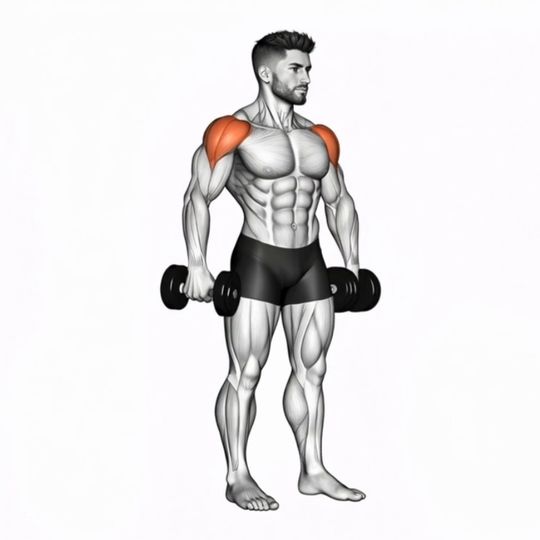 3 × 12–20
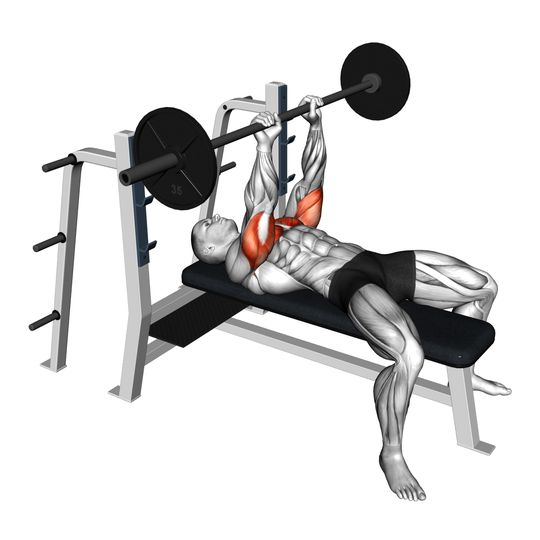 3 × 8–12
Pull A – heavy
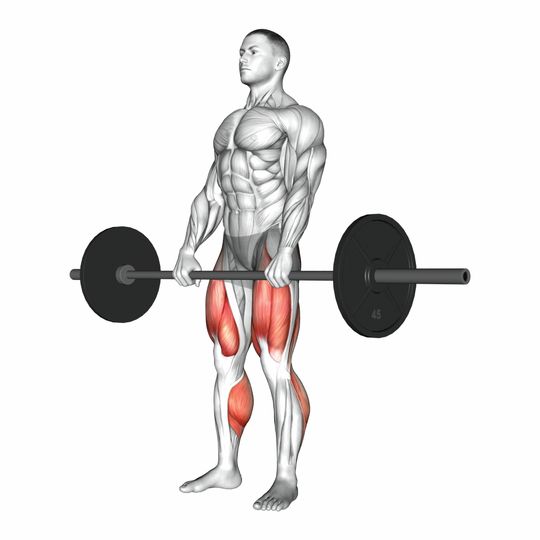 3 × 4–6
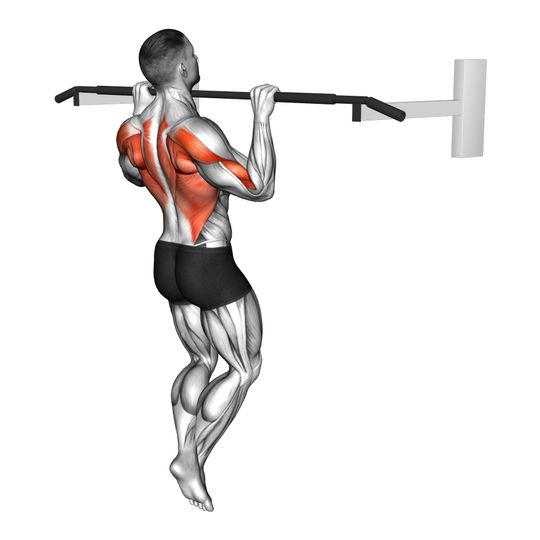 4 × 6–10
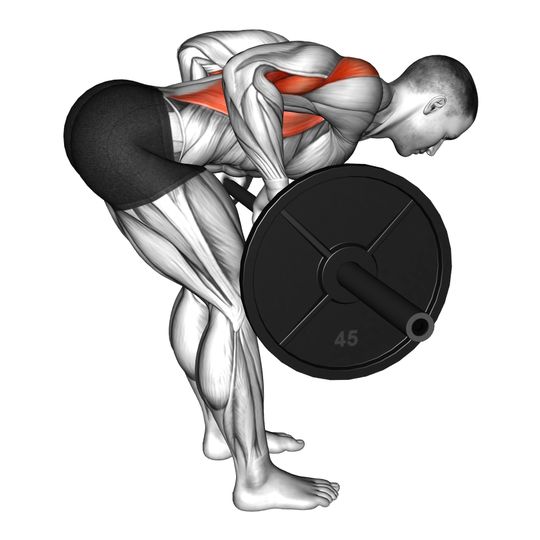 4 × 6–10
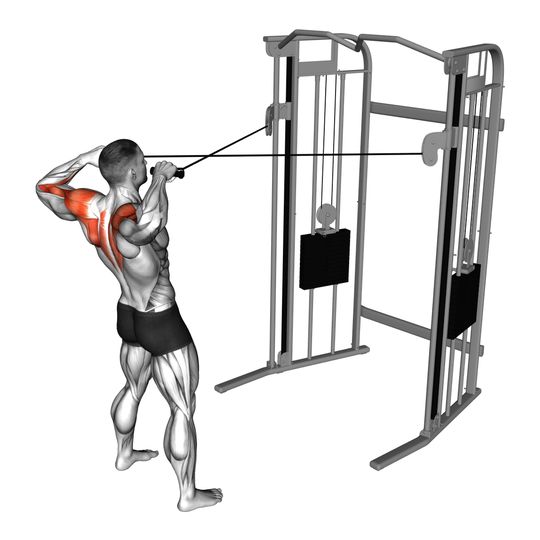 3 × 12–20
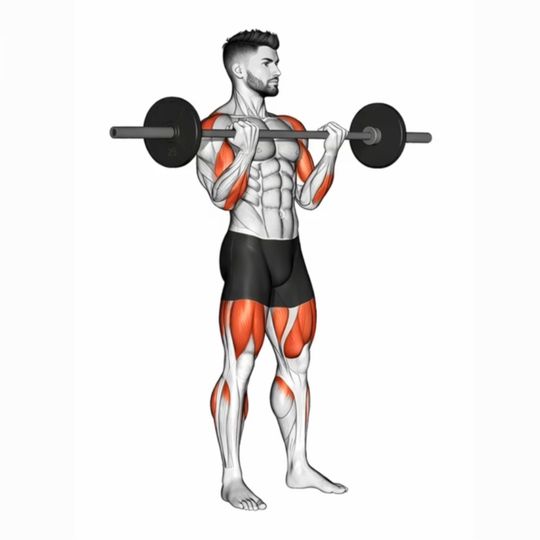 3 × 8–12
Legs A – heavy
 4 × 5–8
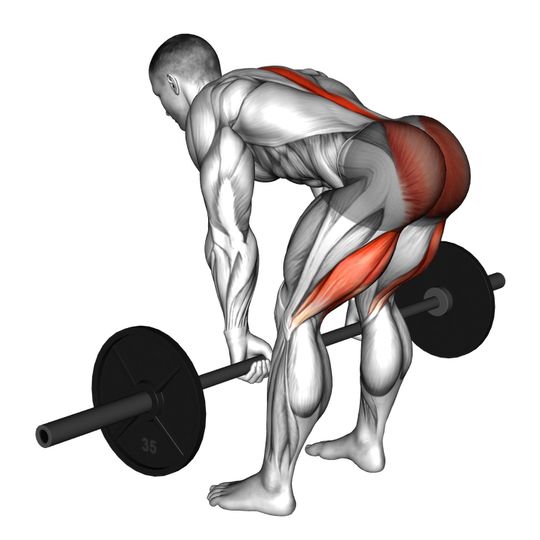 3 × 6–10
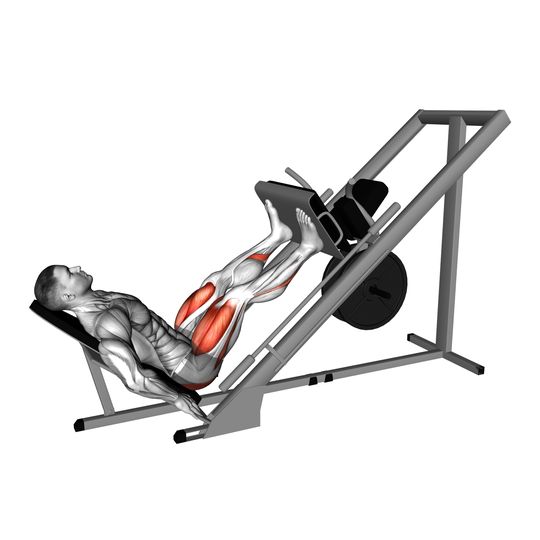 3 × 10–15
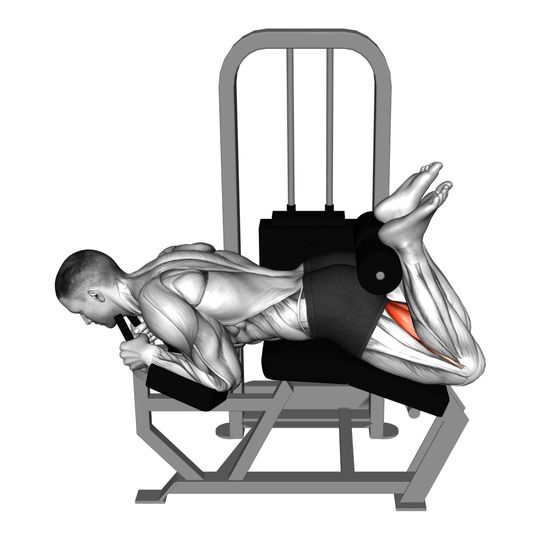 3 × 10–15
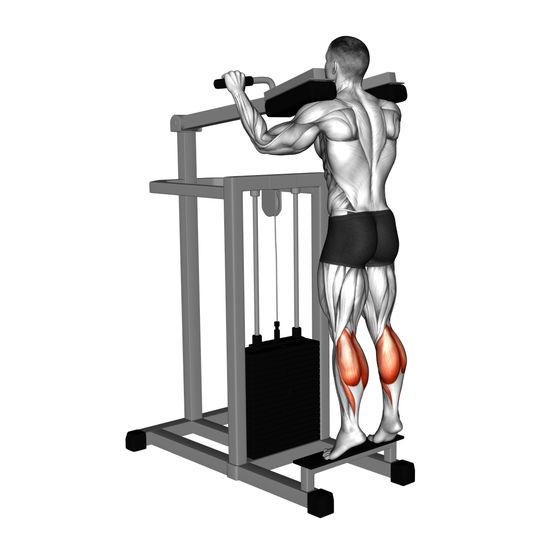 4 × 8–12
Push B – volume
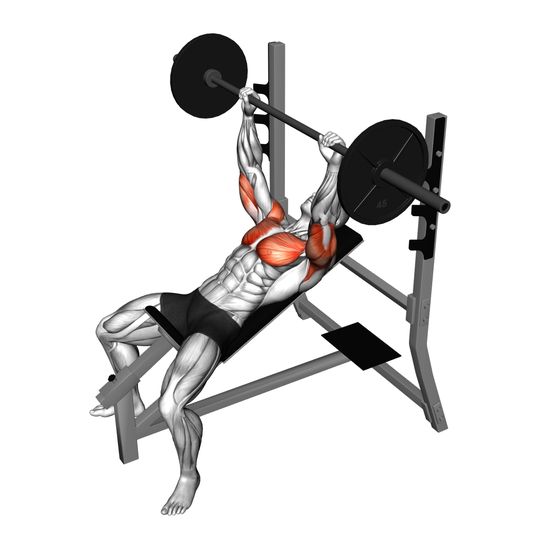 4 × 8–12
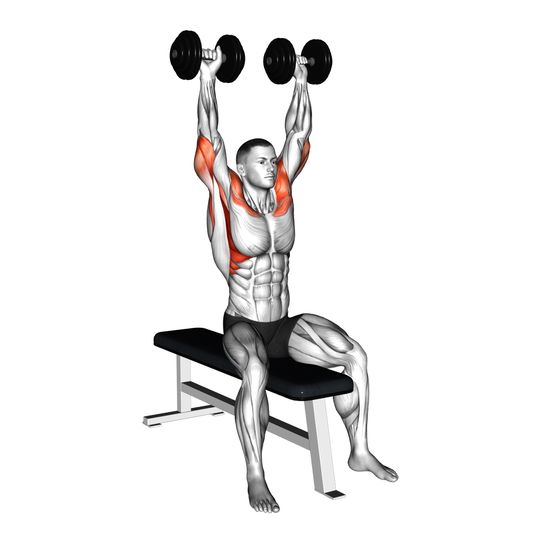 3 × 10–15
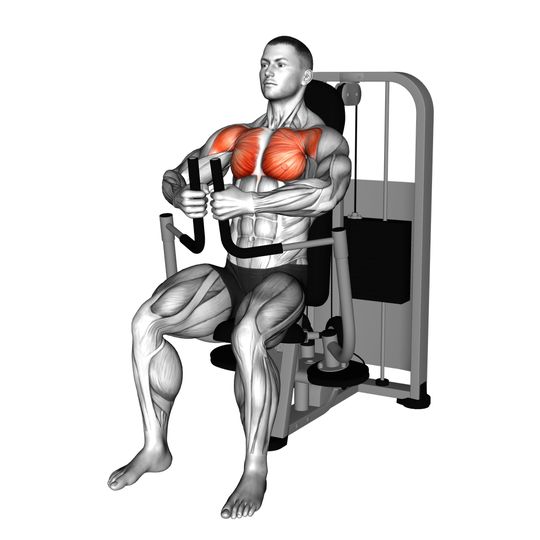 3 × 12–15
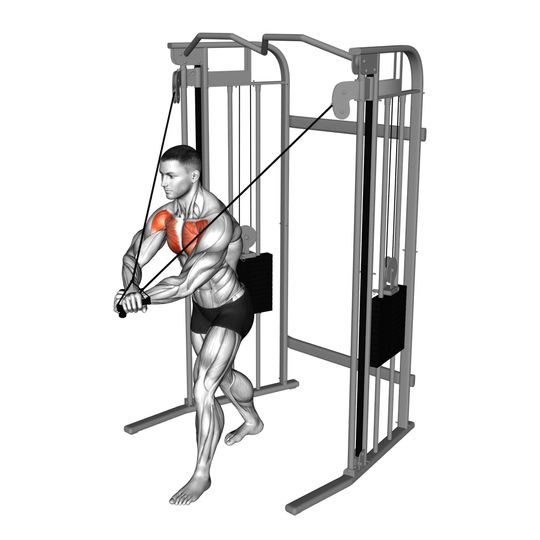 3 × 12–20
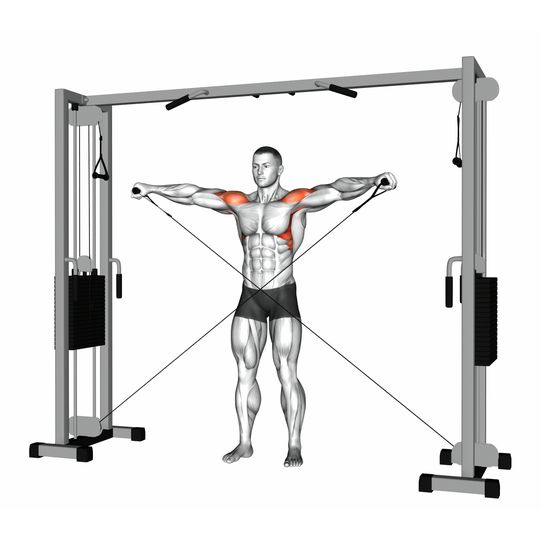 4 × 15–20
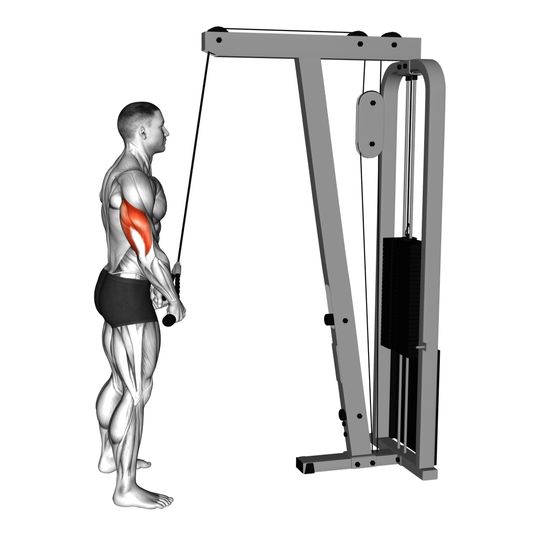 3 × 12–20
Pull B – volume
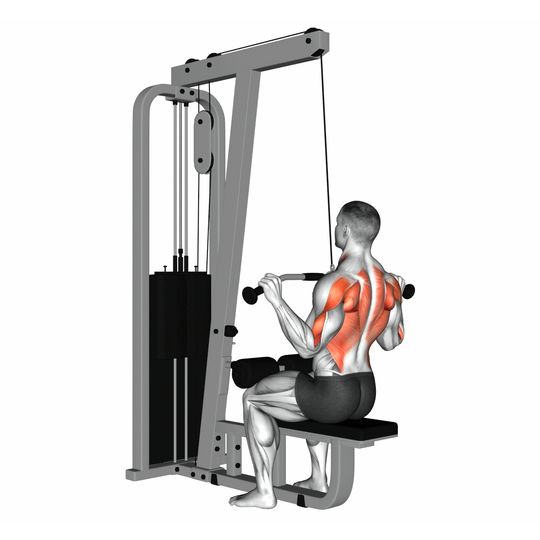 4 × 10–15
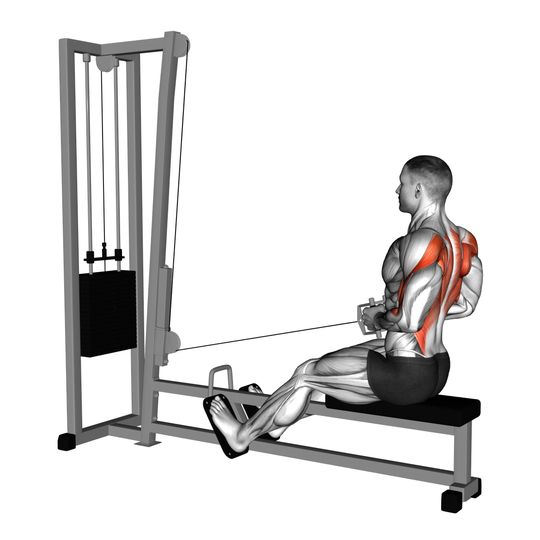 4 × 10–15
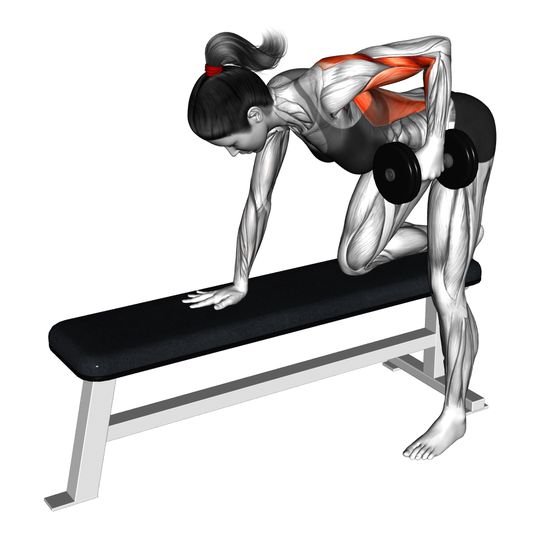 3 × 10–15
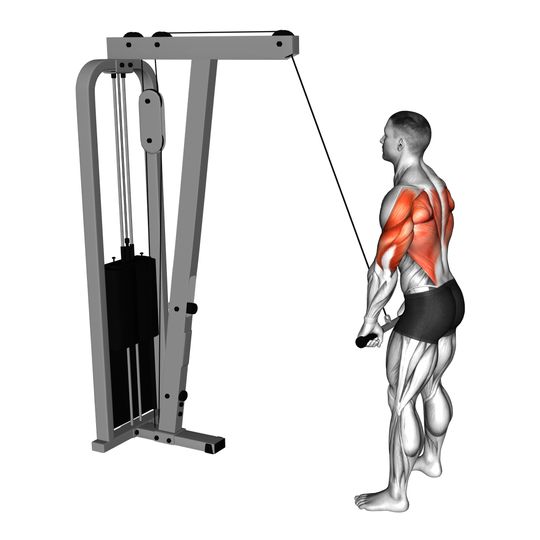 3 × 12–20
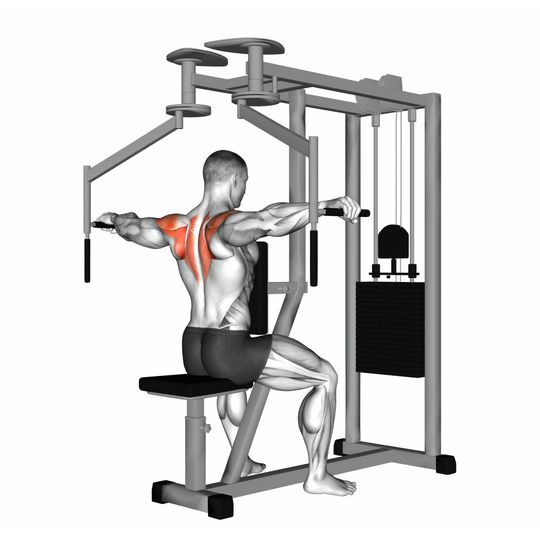 3 × 15–20
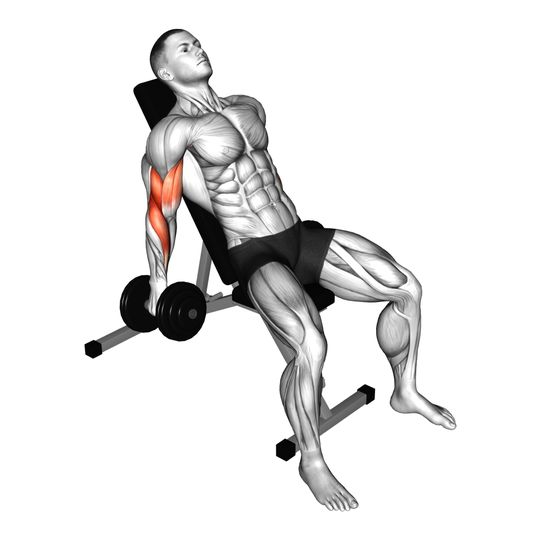 3 × 10–15
Legs B – volume
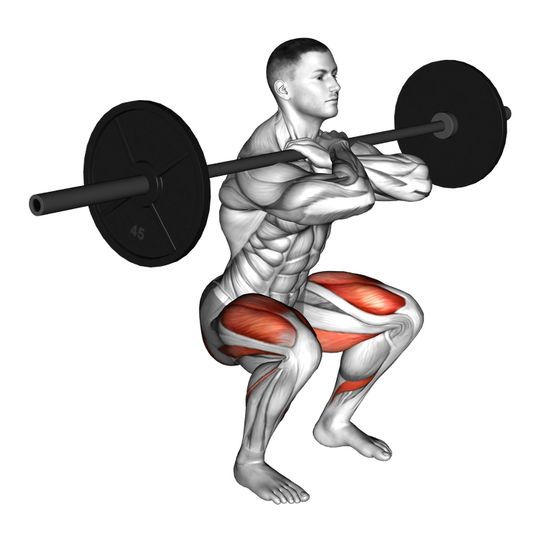 4 × 8–12
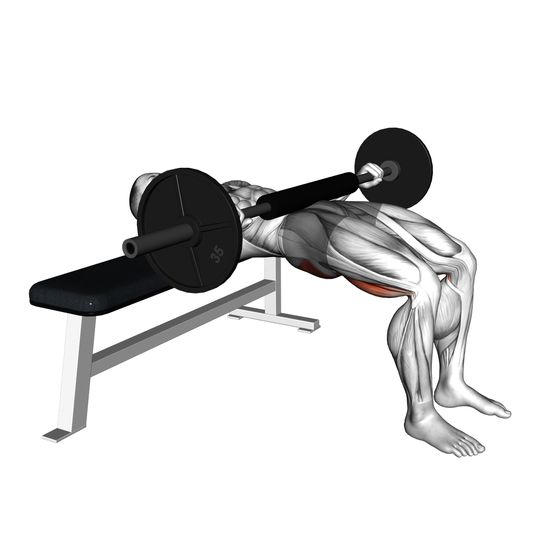 3 × 10–15
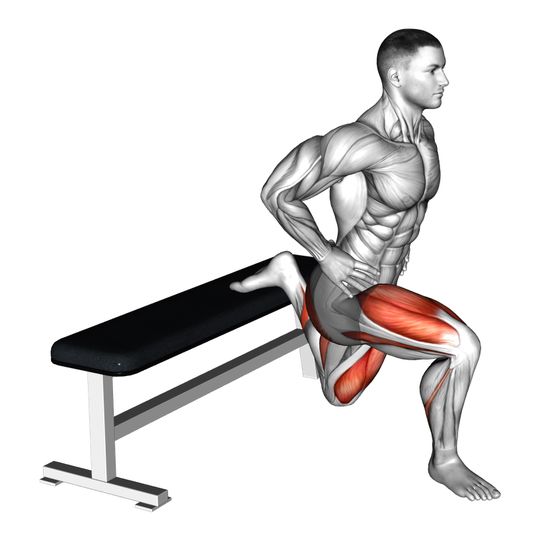 3 × 10–12 per leg
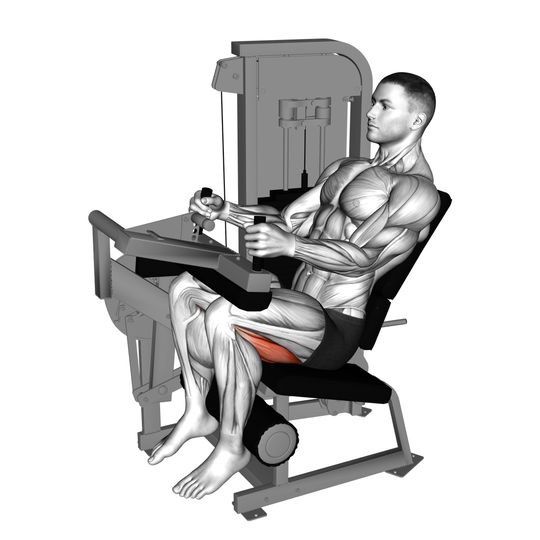 3 × 12–15
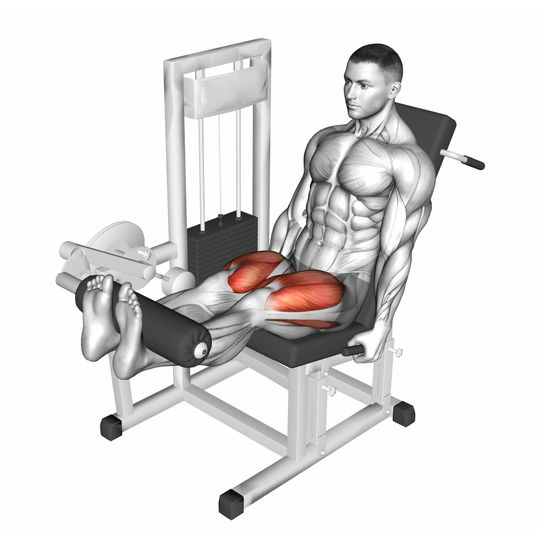 3 × 15–20
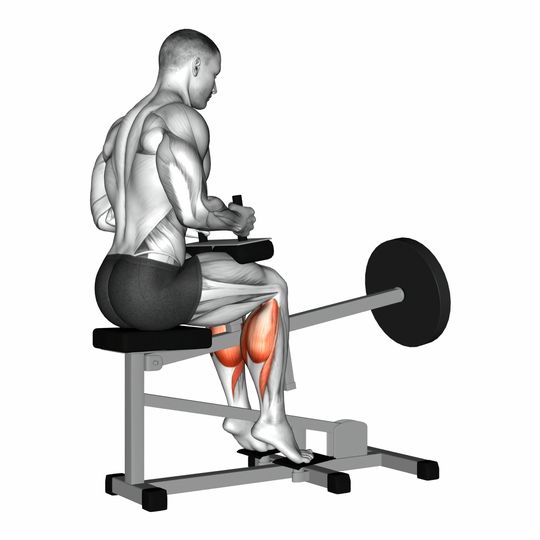 4 × 15–20
Option 2: Arnold split ×2#
The Arnold split uses the same six-day, twice-through structure with different pairings: chest and back as antagonists, shoulders and arms together, legs alone. The practical difference is where the arms live. PPL trains triceps after pressing and biceps after rowing, riding compound work that has already fatigued them. The Arnold split gives them a dedicated day on fresh elbows.
| Day | Session |
|---|---|
| Monday | Chest and back |
| Tuesday | Shoulders and arms |
| Wednesday | Legs |
| Thursday | Chest and back |
| Friday | Shoulders and arms |
| Saturday | Legs |
| Sunday | Rest |
The trade-off is pressing volume. Chest on Monday, shoulders on Tuesday, chest again Thursday and shoulders again Friday is a lot of front delt work in a week, and cranky shoulders are the most common reason lifters abandon this split. Choose it if arm development is a priority and your shoulders are healthy.
Chest and back
- 4 × 6–10
- 4 × 6–10
- 3 × 8–12
- 3 × 8–12
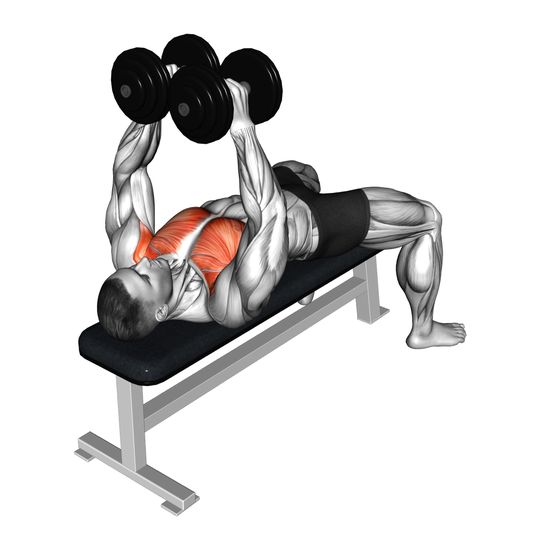 3 × 12–15
- 3 × 10–15
Shoulders and arms
- 4 × 6–10
- 4 × 12–20
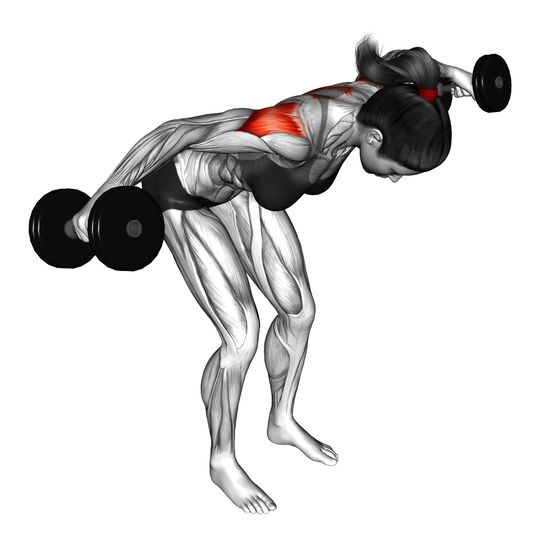 3 × 12–20
- 3 × 8–12
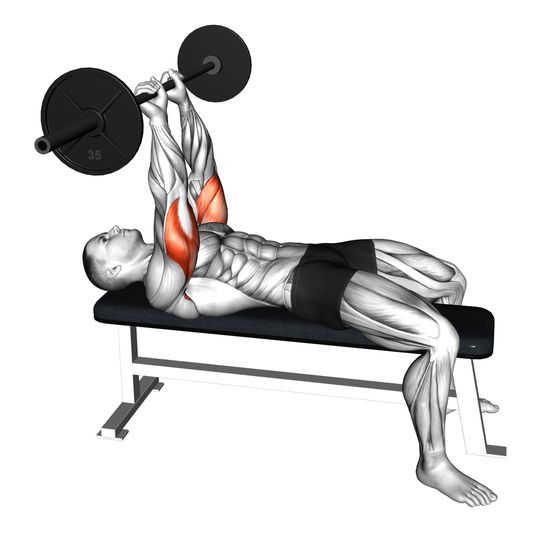 3 × 8–12
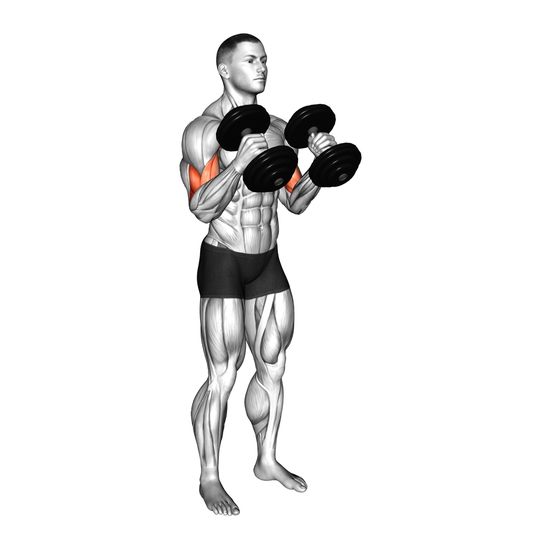 3 × 10–15
- 3 × 12–15
Legs
- 4 × 6–10
- 3 × 8–12
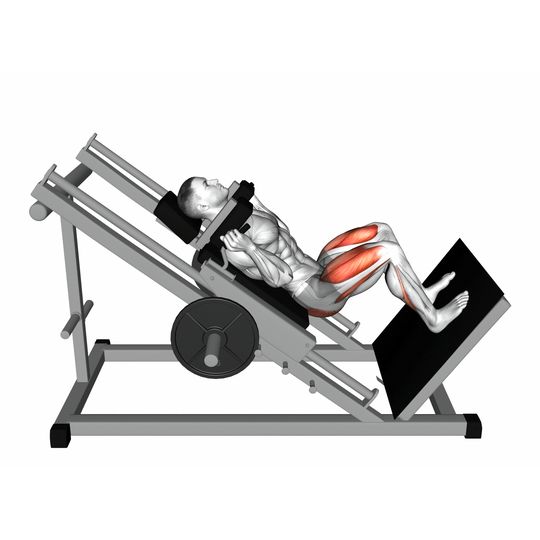 3 × 10–15
- 3 × 10–15
- 3 × 12–20
- 4 × 10–15
The recovery caveats#
Everything below matters more on six days than the choice of split. Skip them and both options fail identically.
- Volume per muscle, not per session: the useful range is 10–20 hard sets per muscle per week for most lifters. Six sessions makes it trivially easy to overshoot without noticing — one heavy day, one volume day, and incidental work from compounds adds up fast. Audit it with the training volume calculator.
- The rest day is training: one full day off is the minimum, and it belongs where the fatigue peaks, not wherever the weekend falls. If Monday consistently feels worse than Thursday, the rest day is in the wrong place.
- Sleep is the actual limiter: below seven hours, six sessions become five productive ones plus an injury risk. This shows up in the log as loads that stop moving on the B days first.
- Deload every 6–10 weeks: cut the volume days to half the sets and keep the heavy days at 80% of normal load for a week. Not optional at this frequency.
- Eat for it: six days on a deficit is a losing trade. If you are cutting, drop to a four-day split and keep the intensity instead.
PPL ×2 or Arnold ×2?#
| PPL ×2 | Arnold ×2 | |
|---|---|---|
| Frequency per muscle | 2× | 2× |
| Arm volume | Indirect plus a few direct sets | Full dedicated day, twice a week |
| Shoulder load | Moderate | High — two press days plus chest work |
| Session length | 50–70 minutes | 60–80 minutes |
| Best for | Most lifters, balanced development | Arm and shoulder priority |
PPL ×2 is the safer default and the one to run first. Switch to Arnold ×2 for a block if your arms have stalled and your shoulders feel good — then switch back.
How to progress on six days#
Use double progression, tracked separately for the A and B versions of each lift. Each exercise gets a rep range; you add reps at a fixed weight until you hit the top of the range on every set, then add weight and restart at the bottom. Comparing Monday's bench to Thursday's incline is meaningless — they are separate progressions that happen to train the same muscle.
Save all six sessions as separate routines in Gript with this guide so each keeps its own history, and let its progression suggestions handle the arithmetic per routine. If you want percentage targets on the heavy days, calculate them from the one rep max calculator, and use the progressive overload guide when a lift stalls three sessions running.
Common mistakes#
- Running both rotations identically: six days of maximum effort is not a program, it is a countdown. Heavy first, volume second.
- Adding a seventh day: there is no version of this where training every day beats six days plus a rest day.
- Six days on paper, four in practice: if the last two sessions of the week regularly vanish, you are running a badly designed four-day split. Switch to one that is designed for four.
- Leg days at the end: Saturday leg day is the most skipped session in lifting. Put legs mid-week where they will actually happen.
Six days is a big commitment that pays off for a narrow group of lifters. If you are in that group, pick PPL ×2, keep the two rotations genuinely different, deload on schedule, and log everything. If you are not sure you are in that group, you probably are not — and the 5-day split gives up almost nothing.