


The Arnold split trains chest and back together, shoulders and arms together, and legs on their own — then runs the whole rotation twice in a week. Six training days, one rest day, every muscle hit twice. It is Arnold Schwarzenegger's Golden Era template, and it survives because the pairing logic is genuinely good, not because of nostalgia. This guide covers the schedule, a complete routine, who should run it, and how to progress it without burying yourself.
What the Arnold split is#
Three session types, each pairing muscles that make sense together:
- Chest and back: antagonist pairing. Pressing and pulling use opposing muscles, so you can superset them, keep sessions dense, and get a better pump than either alone.
- Shoulders and arms: everything the chest and back day left partially fresh, trained directly. Delts, biceps, and triceps get their own dedicated volume.
- Legs: quads, hamstrings, glutes, and calves — the day most people wish they could skip.
Run twice a week, that lands every muscle at two sessions per week, which is where the hypertrophy evidence sits comfortably. The difference from a push pull legs split is where the arms live: PPL puts triceps on push day and biceps on pull day, riding the compound work; the Arnold split gives them a dedicated session with fresh elbows. That is why it tends to produce better arm development and worse pressing recovery.
The 6-day Arnold split schedule#
| Day | Session |
|---|---|
| Monday | Chest and back |
| Tuesday | Shoulders and arms |
| Wednesday | Legs |
| Thursday | Chest and back |
| Friday | Shoulders and arms |
| Saturday | Legs |
| Sunday | Rest |
The second rotation is not a copy of the first. Change the emphasis: heavier compounds and lower reps early in the week, more machine and cable work at higher reps later, or a flat-press focus on Monday and an incline focus on Thursday. Same muscles, different stimulus, less staleness.
The complete Arnold split routine#
Rest 2–4 minutes on the heavy compounds and 60–90 seconds on isolation work. Take working sets within 1–3 reps of failure — the last set of an isolation exercise can go to failure. Work up with a few progressively heavier singles and triples before your first working set; the warm-up calculator lays out the jumps.
Day 1 – Chest and back
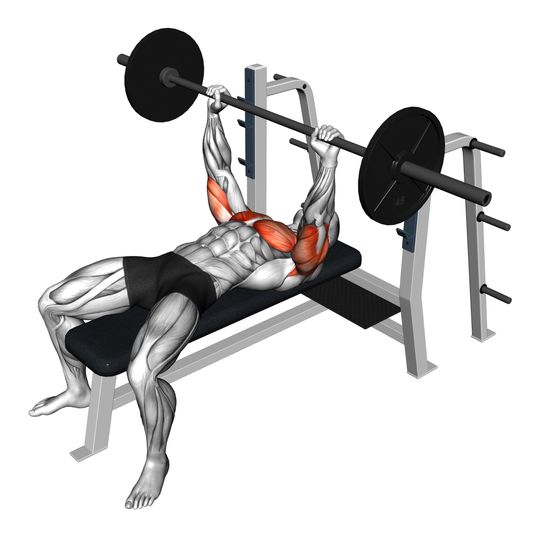 4 × 6–10
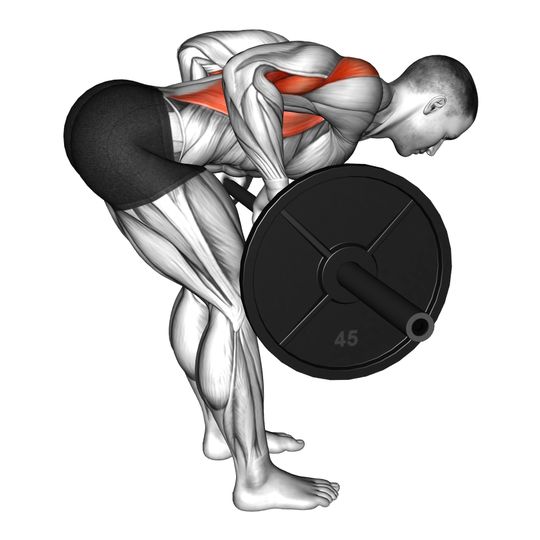 4 × 6–10
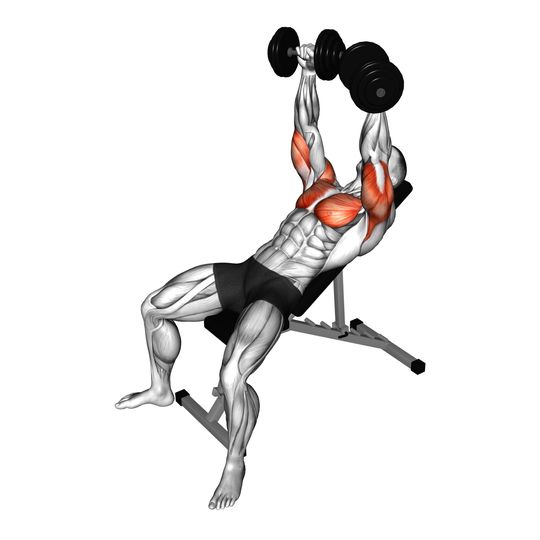 3 × 8–12
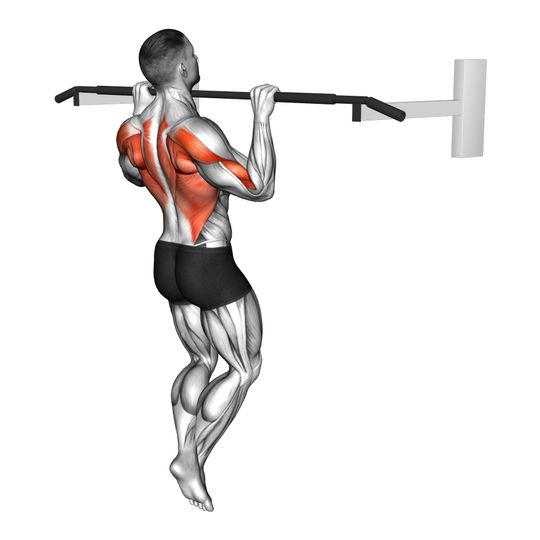 3 × 8–12
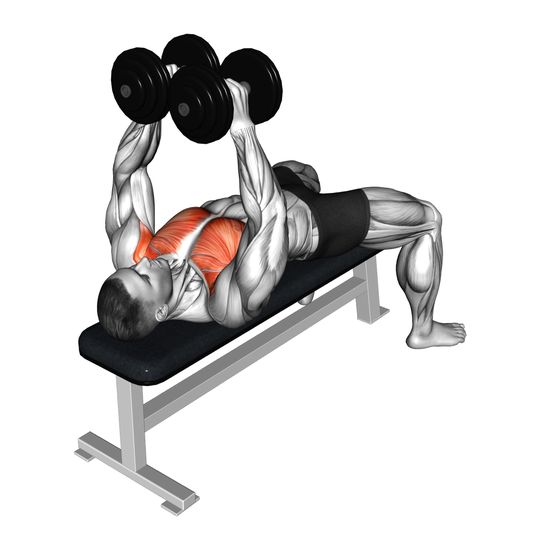 3 × 12–15
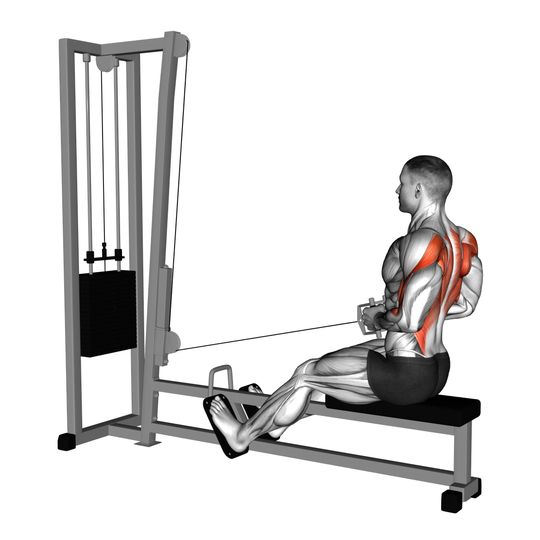 3 × 10–15
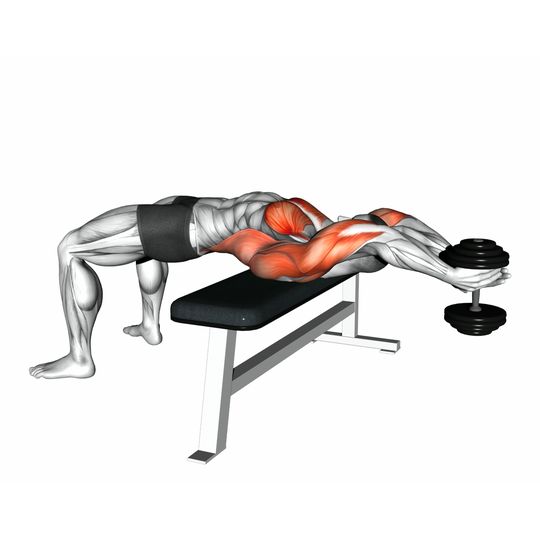 2 × 12–15
Day 2 – Shoulders and arms
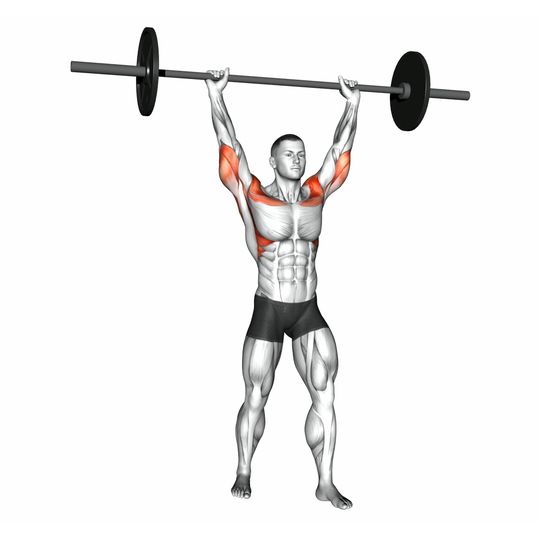 4 × 6–10
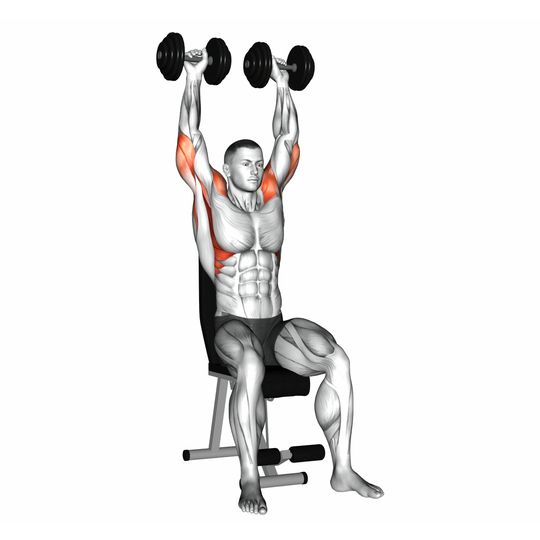 3 × 8–12
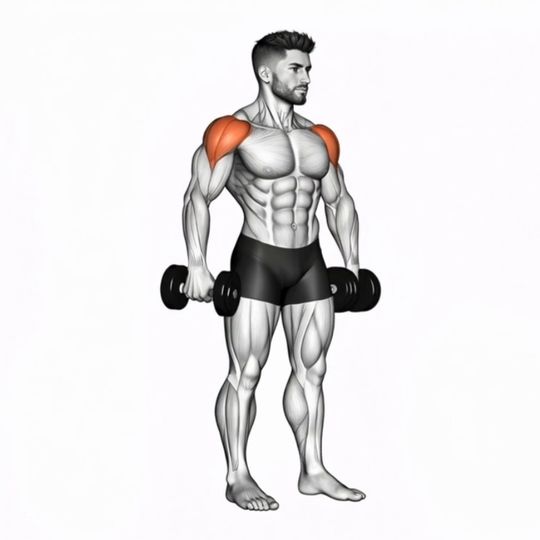 4 × 12–20
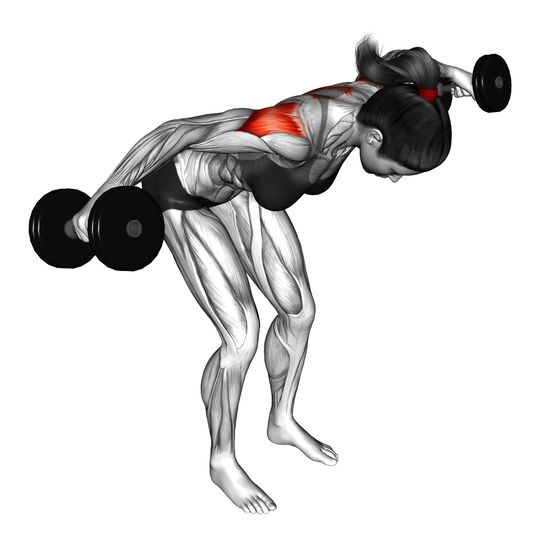 3 × 12–20
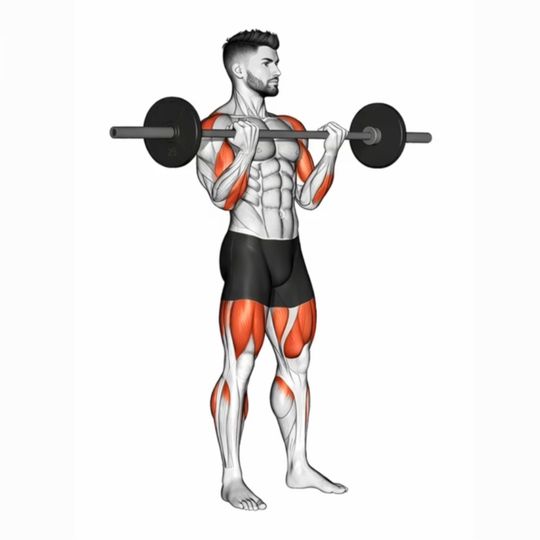 3 × 8–12
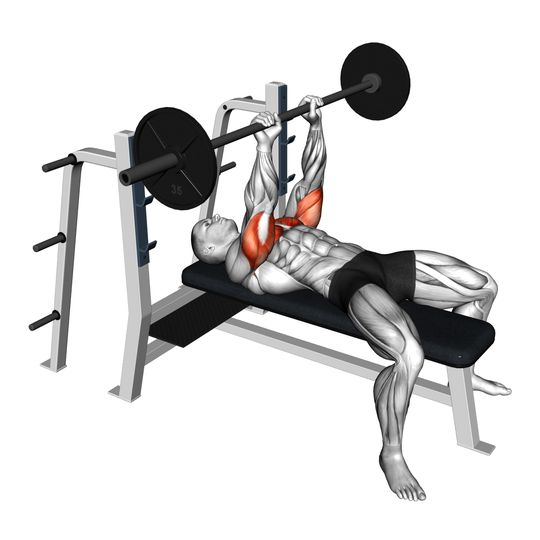 3 × 8–12
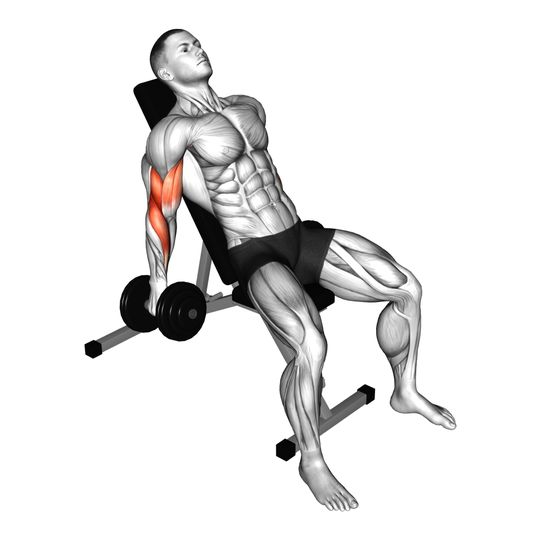 3 × 10–15
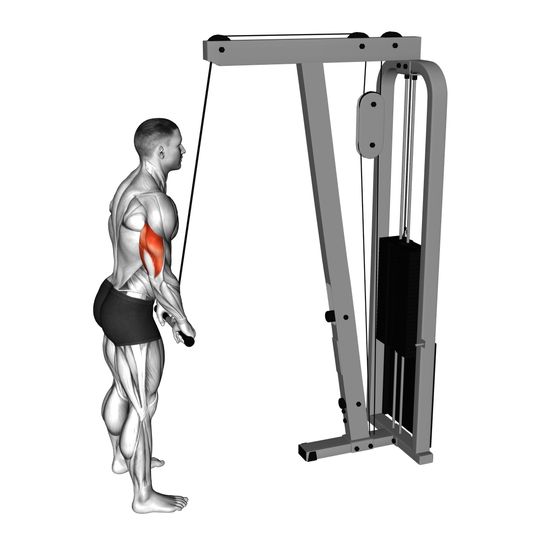 3 × 10–15
Day 3 – Legs
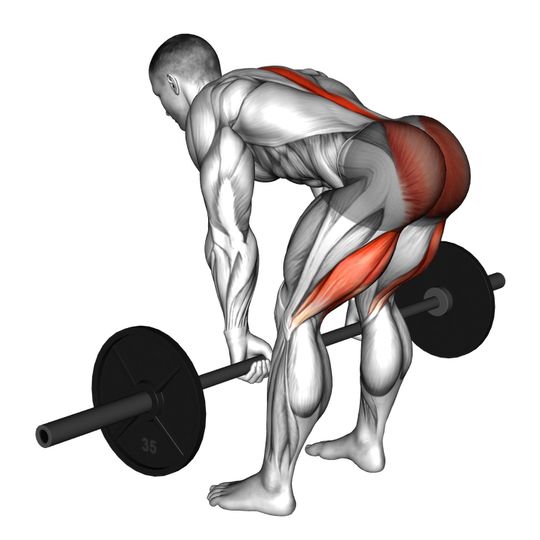
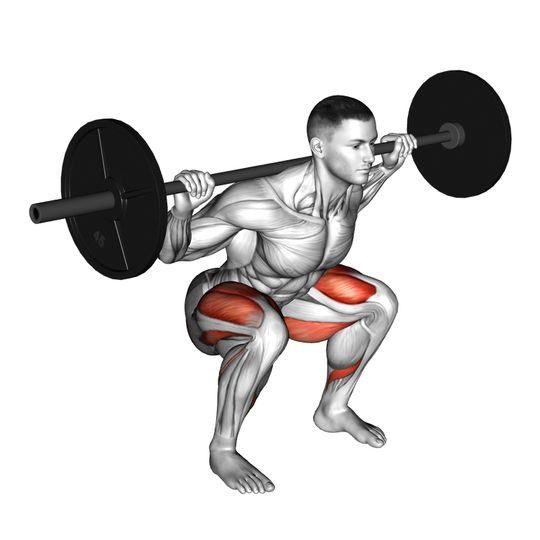 4 × 6–10
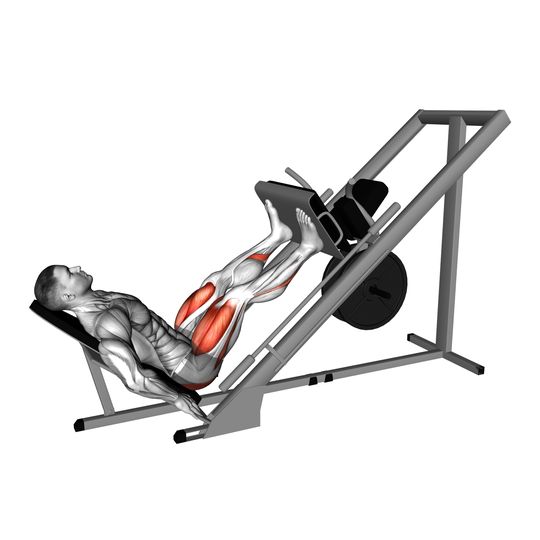
 3 × 8–12
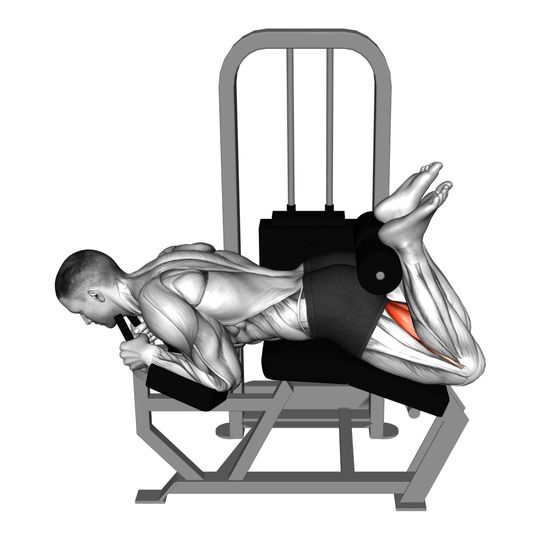
 3 × 10–15
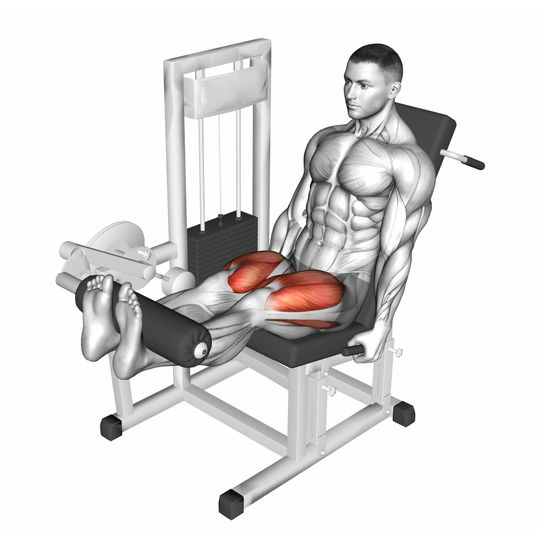
 3 × 10–15
 3 × 12–20
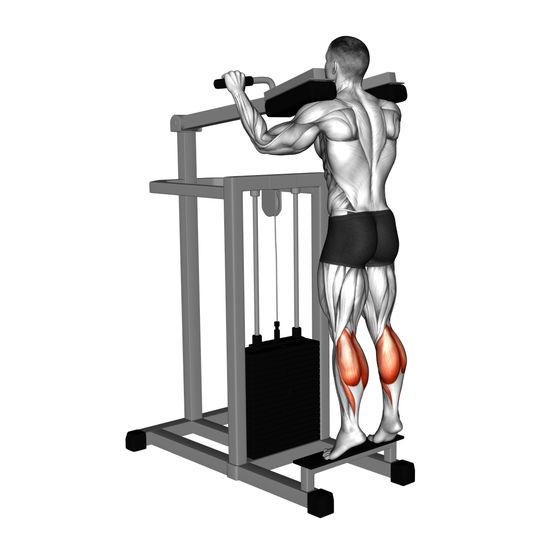 4 × 10–15
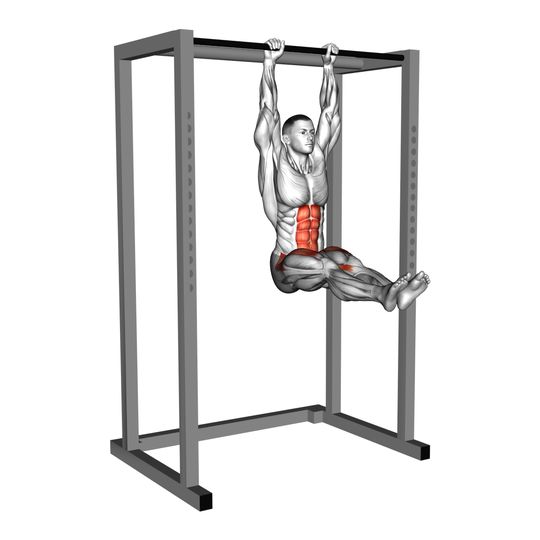 3 × 10–15
Arnold famously supersetted the press and the row. Pair them if the gym allows it — bench then row, minimal rest between the two, 2 minutes after the pair. It roughly halves the session length, and the chest–back pump is the whole point of the pairing.
Alternate a biceps exercise with a triceps exercise rather than finishing all the curls first. Opposing arm muscles recover while the other works, so the session moves faster and every set lands harder.
Build the three days as routines in Gript — creating a routine takes about a minute each — and the app puts last session's numbers next to every set, which is the entire difference between training twice a week and progressing twice a week.
Who the Arnold split is for#
It suits intermediate and advanced lifters chasing size who can genuinely train six days a week and recover from it. You need the schedule flexibility, the sleep, and the food. If you have all three, the volume and frequency combination is excellent.
It is a poor fit for beginners, who progress faster practising the big lifts more often on a 3-day full body split, and for anyone whose week regularly loses a day or two. A split that only works when all six sessions happen is fragile. If your schedule is unpredictable, an upper lower split delivers the same twice-weekly frequency in four sessions.
Is the Arnold split good for beginners?#
No — not for your first six to twelve months. The problem is not that the split is badly designed, it is that a beginner needs something it does not provide. Early progress comes almost entirely from practising the main lifts often enough to get good at them, and the Arnold split touches each pattern twice a week inside sessions that are mostly accessory volume. A 3-day full body split squats and presses three times a week in half the sessions.
Recovery is the second problem. Six training days only pay off if you can eat and sleep like someone who trains six days, and a new lifter usually gets more from three hard sessions plus four days of walking around fresh than from six sessions run at seventy percent. The volume that builds an experienced lifter is simply wasted fatigue on someone whose bench is going up 2.5 kg a week regardless.
There is also a strength cost that people notice a year later. Beginners who start on a body-part split typically arrive at their second year with decent arms and a squat that has never been trained heavy. Running a 5x5 program or full body first means you reach the Arnold split with numbers worth adding volume to — check where yours sit against the squat strength standards and the bench press standards before you decide you have outgrown a beginner program.
If you are set on the Arnold pairings anyway, run the four-day version below rather than the six-day one. It keeps the structure, cuts the weekly volume to something a newer lifter can actually recover from, and leaves three days a week free to do nothing.
Can you run the Arnold split 4 days a week?#
Yes, by rolling the three sessions through a fixed four-day week instead of tying them to particular days. You train Monday, Tuesday, Thursday, and Friday, and you simply take the next session in the rotation each time you walk in. The pairing that opens the week changes week to week, which looks untidy on a calendar and works perfectly well in practice.
| Day | Week 1 | Week 2 |
|---|---|---|
| Monday | Chest and back | Shoulders and arms |
| Tuesday | Shoulders and arms | Legs |
| Wednesday | Rest | Rest |
| Thursday | Legs | Chest and back |
| Friday | Chest and back | Shoulders and arms |
| Saturday | Rest | Rest |
| Sunday | Rest | Rest |
Over three weeks that lands each session four times, an average of roughly 1.3 times a week rather than two. That is the real trade: you keep the pairings, the session structure, and the dedicated arm work, and you give up some of the frequency that made the six-day version worth running in the first place.
Two adjustments make the four-day version hold up. Add two or three sets per muscle to each session, since you are now getting fewer sessions to accumulate the same weekly volume — the training volume calculator will tell you whether you have actually replaced what you cut. And lead every session with its heaviest compound, because a lift you only train four times a fortnight cannot afford to be done tired.
If a fixed weekly schedule matters more to you than the Arnold pairings, an upper lower split gives you genuine twice-weekly frequency in the same four sessions, on the same days, every week. The four-day Arnold rotation is the right answer when you want these specific sessions and only have four days; it is the wrong answer when what you actually wanted was frequency.
How to progress it#
Six days of training is meaningless if the loads never move. Use double progression: every exercise gets a rep range, you add reps at a fixed weight until you hit the top of the range on every set, then add weight and start again at the bottom. Benching 4 × 6 at 90 kg becomes 4 × 7, 4 × 8, eventually 4 × 10 — then 95 kg for 4 × 6.
Track both rotations separately. Monday's chest work and Thursday's chest work progress independently, and comparing one to the other will only confuse you. Gript's progression suggestions handle the arithmetic per routine, and the progressive overload guide covers what to do when a lift stalls for three sessions running.
Common mistakes#
- Copying Arnold's actual volume: the Golden Era programs ran 20–30 sets per session, twice a day, with pharmacological support. Ten to twenty hard sets per muscle per week is the working range for natural lifters — check yours with the training volume calculator.
- Running both rotations identically: two identical chest and back days is a fast route to stale sessions and cranky shoulders. Vary the angle, the equipment, and the rep range.
- Letting the shoulders and arms day stack up: pressing on day 1, pressing again on day 2, and pressing again on day 4 is a lot of front delt work. If your shoulders ache, drop the overhead press on the second rotation and lead with lateral raises instead.
- Treating leg day as optional: six days on paper often becomes four in practice, and the two that vanish are always the leg sessions. Put them mid-week rather than at the end.
The Arnold split is a high-volume, high-frequency template that rewards a lifter with time and recovery to spare. Match the volume to what you can actually recover from, vary the two rotations, and log every set so the six days turn into six data points instead of six workouts.