


The bro split — chest day, back day, shoulder day, arm day, leg day — is the most mocked structure in lifting and still the most common one on a commercial gym floor. The honest position is somewhere between the two reactions: it is not optimal, it is not useless, and for a specific kind of lifter it is a perfectly reasonable way to train. This guide covers what the evidence actually says, a full 5-day routine, and how to fix the version most people run.
What a bro split is#
One muscle group per session, each trained once per week, usually across five days. The name comes from its association with gym-bro folklore rather than any coaching tradition, but the structure is inherited from 1970s and 1980s bodybuilding, where it made sense for athletes doing enormous session volumes with pharmacological recovery.
What the evidence says#
The case against once-weekly training is frequency. Muscle protein synthesis rises after a hard session and returns to baseline within roughly 48–72 hours. Train chest on Monday and it spends Thursday through Sunday doing nothing. Meta-analyses comparing training frequencies generally favour hitting a muscle twice a week over once, though the effect is modest.
The important caveat is that most of those comparisons are volume-equated. When weekly sets are held constant, two sessions beat one by a small margin. When they are not — when the once-weekly lifter simply does more total sets — the gap largely closes. Volume is the primary driver; frequency is mostly a tool for distributing volume so that each set is done fresh.
That is where the practical problem shows up. There is a ceiling on how many productive sets you can do for one muscle in one session. Somewhere past 8–10 hard sets, per-set returns fall off sharply: the twelfth set of chest presses is done by a fatigued muscle with a reduced load. So the bro split's structure caps the weekly volume you can usefully accumulate, right when volume is the thing that matters most.
The verdict: a bro split is a below-average way to organise training for most people, and a perfectly workable one if you keep per-session volume sane, train hard, and stay consistent for years. Consistency beats structure. A bro split you enjoy will out-produce an upper lower split you abandon in March.
The 5-day bro split schedule#
| Day | Session |
|---|---|
| Monday | Chest |
| Tuesday | Back |
| Wednesday | Shoulders |
| Thursday | Legs |
| Friday | Arms |
| Saturday | Rest |
| Sunday | Rest |
Legs sit on Thursday rather than Friday deliberately: the last session of the week is the one that gets skipped, and it should not be the one that covers half your body.
A complete 5-day bro split routine#
Volume here is capped at roughly 10–14 hard sets per session, which is about as much as a single muscle group can absorb productively. Rest 2–3 minutes on compounds and 60–90 seconds on isolation work, and take sets within 1–3 reps of failure.
Monday – Chest
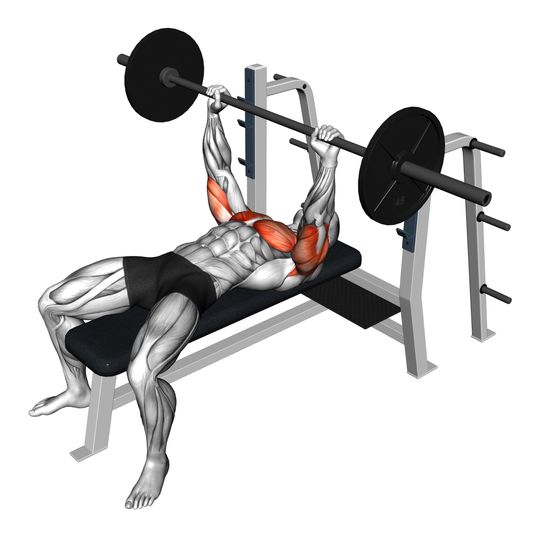 4 × 5–8
 3 × 8–12
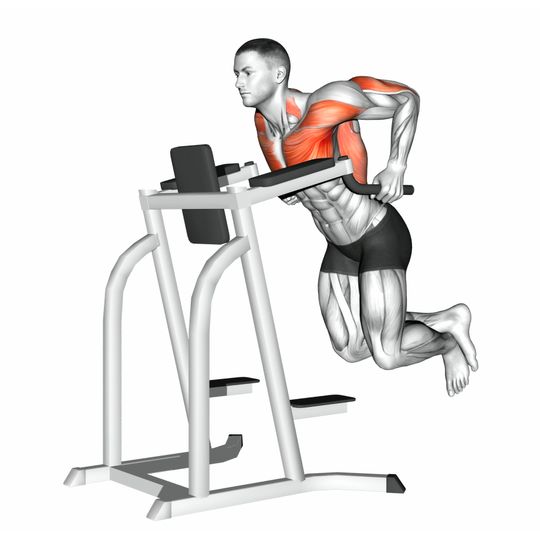 3 × 8–12
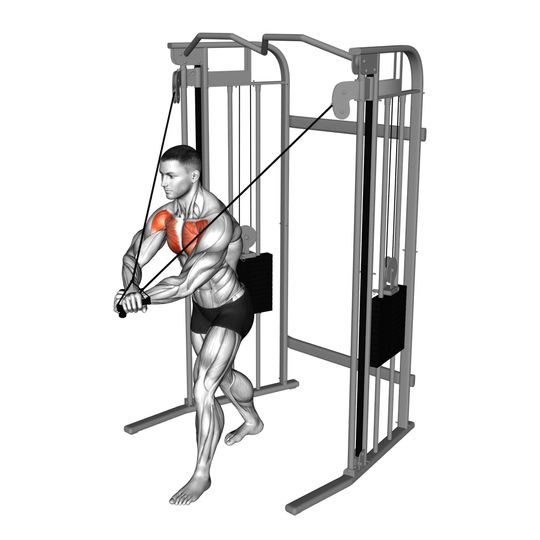 3 × 12–20
Tuesday – Back
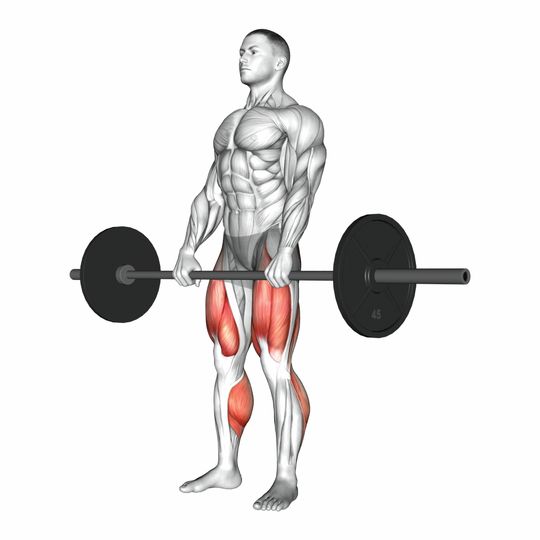 3 × 4–6
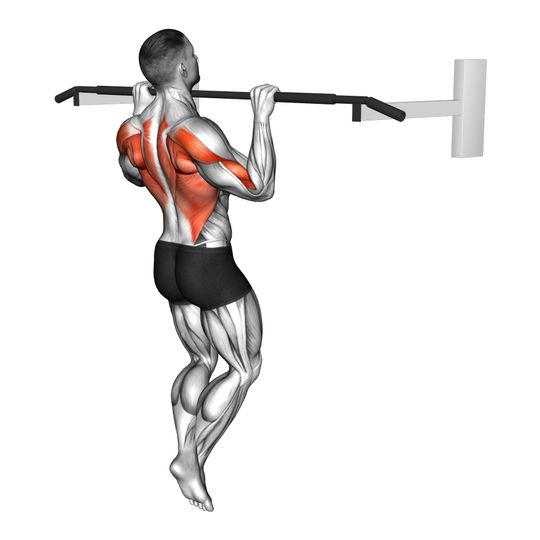 4 × 6–10
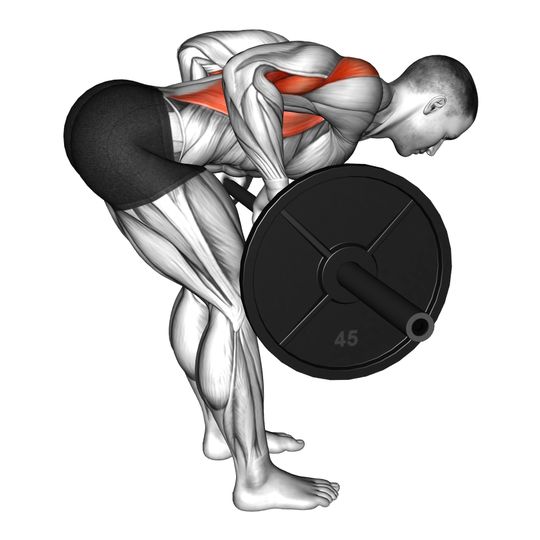 3 × 8–12
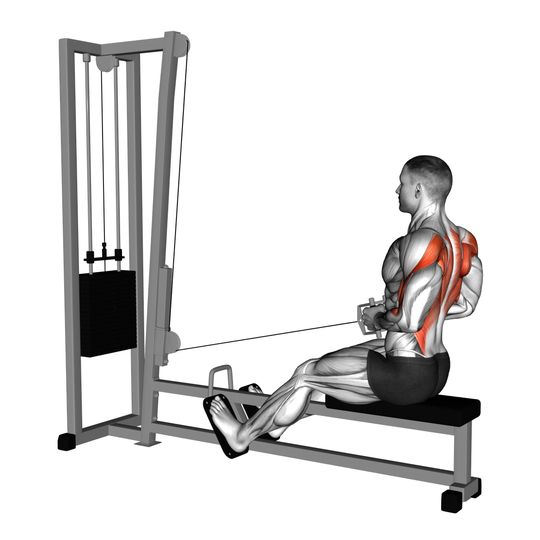 3 × 10–15
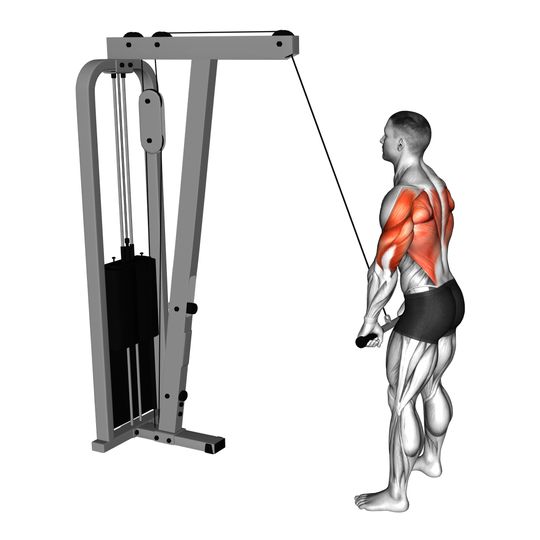 2 × 12–20
Wednesday – Shoulders
 4 × 5–8
 3 × 8–12
 4 × 12–20
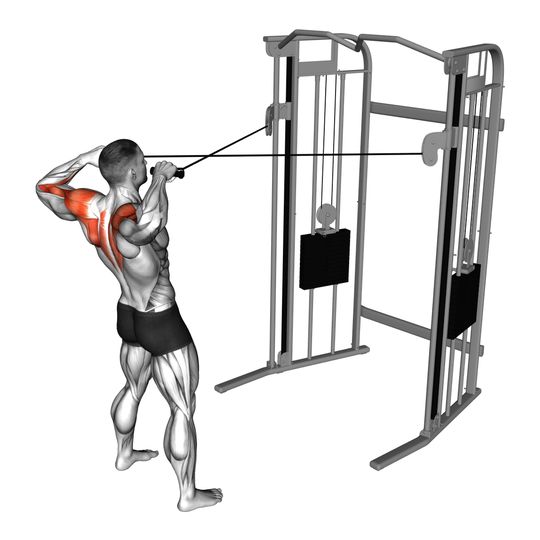 3 × 15–20
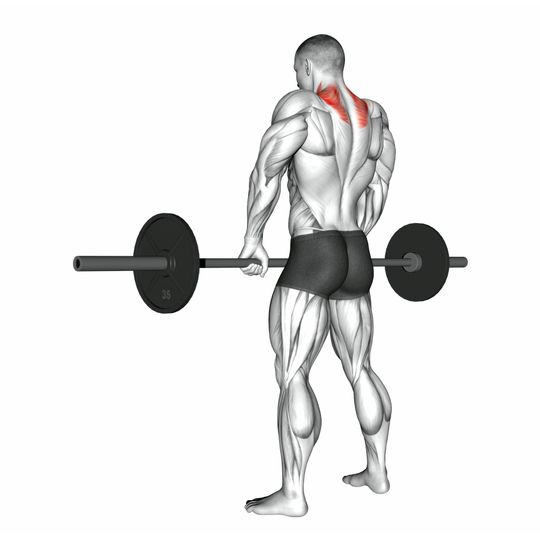 3 × 10–15
Thursday – Legs
 4 × 5–8
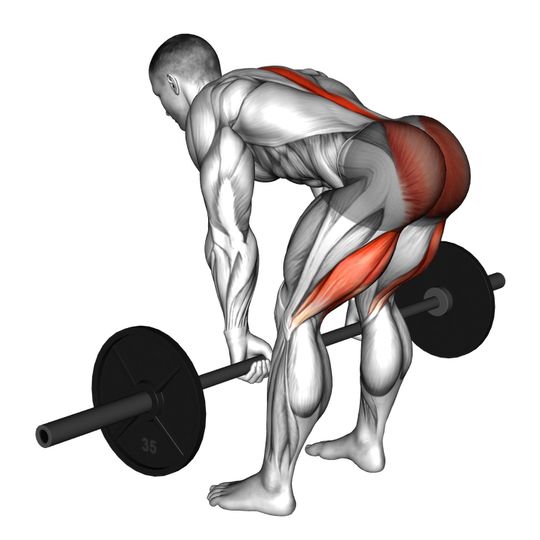 3 × 8–12
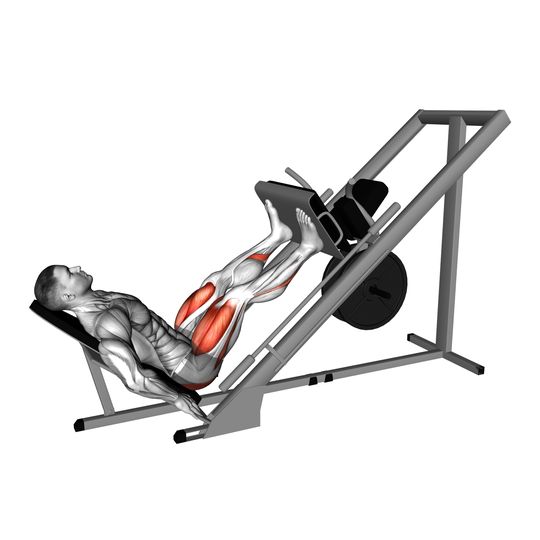 3 × 10–15
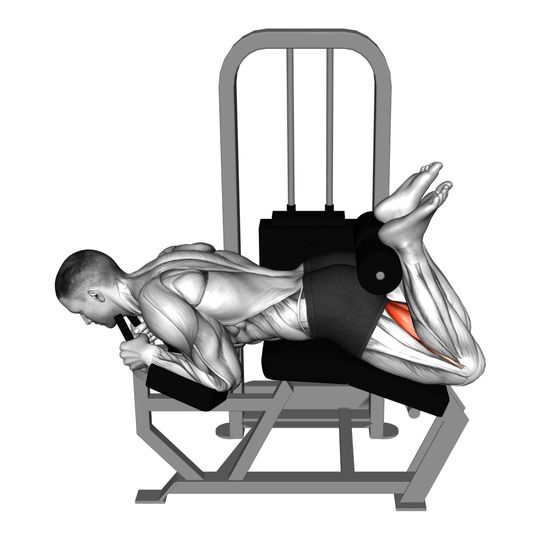 3 × 10–15
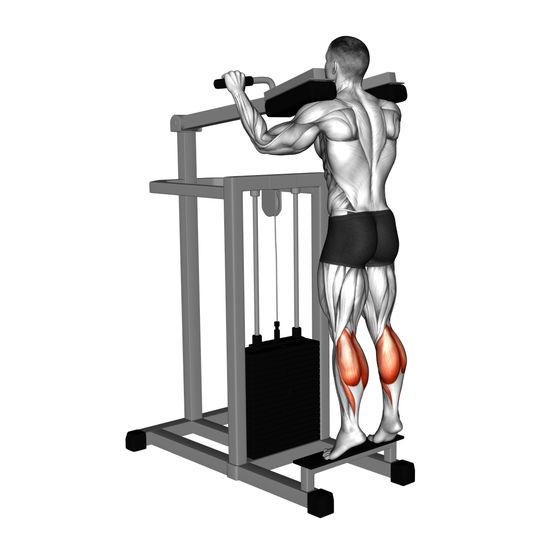 4 × 10–15
Friday – Arms
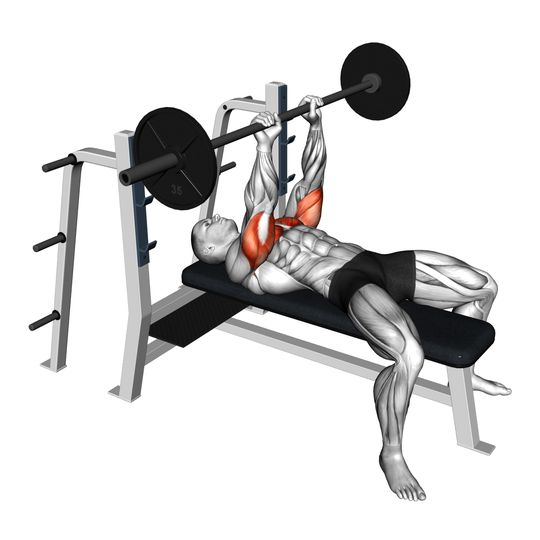 3 × 6–10
 3 × 8–12
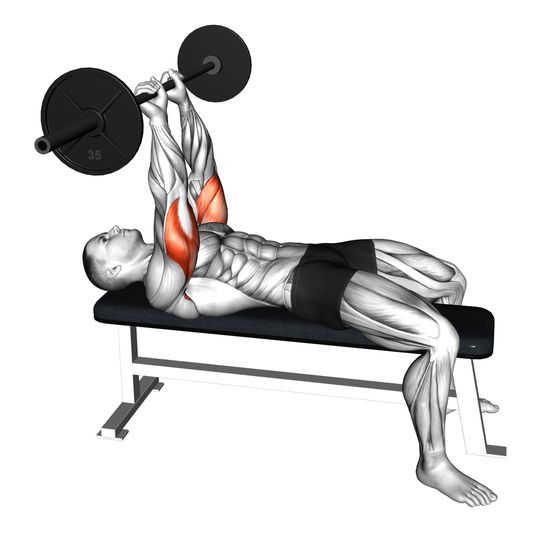 3 × 8–12
 3 × 10–15
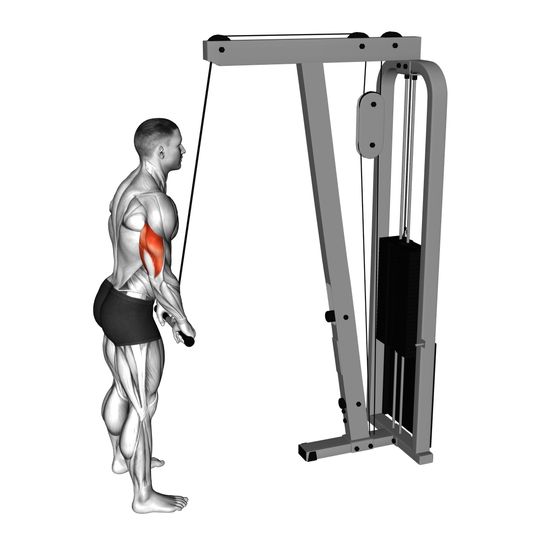 3 × 12–15
 2 × 12–15
Who it actually works for#
- Lifters who will train five days but not four hard ones. Motivation is a real variable. If one-muscle-per-day is what gets you into the gym, that structure is doing something no spreadsheet can.
- Advanced lifters bringing up a lagging body part. A dedicated session lets you throw a lot of focused, varied work at one area.
- People with joint issues that need spacing. Pressing once a week gives cranky shoulders a long window to settle.
It works poorly for beginners, who need frequent practice of the main lifts far more than they need a dedicated arm day, and for anyone training fewer than five days — a bro split on three days means each muscle gets trained about every ten days.
How to make a bro split better#
- Cap the sets per session. Ten to fourteen hard sets for one muscle is plenty. Twenty is mostly junk volume — check what you are actually accumulating with the training volume calculator.
- Add a second, smaller dose. Three or four sets of chest at the end of shoulder day, or curls on back day, quietly turns a once-weekly muscle into a twice-weekly one without adding a session.
- Keep some heavy work. One compound in the 5–8 rep range per session keeps strength moving. Bro splits drift toward pumps and machines, and the loads stop climbing.
- Progress deliberately. Once-weekly frequency means seven days between chances to beat a number. Log every set, and use progression suggestions so you know exactly what to beat.
If you want the training-day feel of a bro split with better frequency, the Arnold split pairs muscle groups and runs each twice a week, and push pull legs does the same across three session types. Both are upgrades that keep the body-part flavour.
The bro split is not the disaster the internet says it is. It is a structure that caps your useful volume and asks a lot of days in exchange — run it with sane per-session volume and real progression and it will build muscle just fine.