

The push pull legs split — PPL for short — is probably the most widely run training split in gyms today, and for good reason. It organizes training by movement pattern rather than by body part, which keeps sessions focused, spreads volume sensibly across the week, and scales from three days to six without changing the underlying logic. This guide covers how PPL works, who it suits, a complete 6-day routine, and how to actually progress on it.
What the push pull legs split is#
PPL divides the week into three session types. Push days train the muscles that push a weight away from you: chest, shoulders, and triceps. Pull days train the muscles that pull a weight towards you: back, rear delts, and biceps. Legs days train quads, hamstrings, glutes, and calves.
Grouping by movement pattern has a practical advantage: muscles that work together get trained together, then rest together. Your triceps are already working on every press, so training them on push day means they recover fully before the next push session instead of being half-fatigued by a random arm day mid-week. The split is popular because it feels intuitive, every session has a clear job, and the six-day version hits each muscle twice per week — the frequency most evidence points to as a sweet spot for hypertrophy.
Who PPL suits — and who it does not#
The full 6-day version suits intermediate and advanced lifters who can genuinely train six days a week, recover from it, and want high weekly volume. If that is you, PPL is hard to beat for structure.
It is a poor fit for beginners and for anyone training three days or fewer on a fixed weekly schedule. Run Push on Monday, Pull on Wednesday, and Legs on Friday and each muscle gets trained once every seven days — a real frequency cost. Beginners also progress faster practising the big lifts more often, which a 3-day full body split or an upper lower split delivers better. If you can only train four days, upper lower is usually the stronger choice.
The complete 6-day PPL routine#
Run the three days below twice per week — for example Monday to Saturday with Sunday off. Rest 2–5 minutes between sets on the big compound lifts and 1–2 minutes on isolation work. On the second pull day of the week, swap deadlifts for another set of rows so you are not pulling heavy off the floor twice weekly. Take most sets within 1–3 reps of failure; use a few warm-up sets to work up to your first heavy set — the warm-up calculator lays those out for you.
- MonPush
- TuePull
- WedLegs
- ThuPush
- FriPull
- SatLegs
Push day
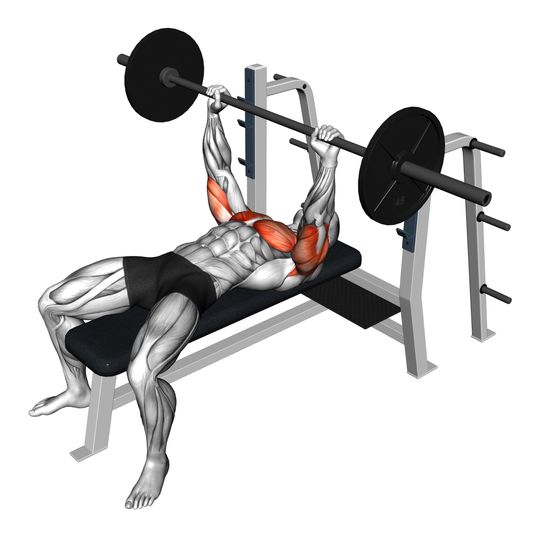 4 × 6–10
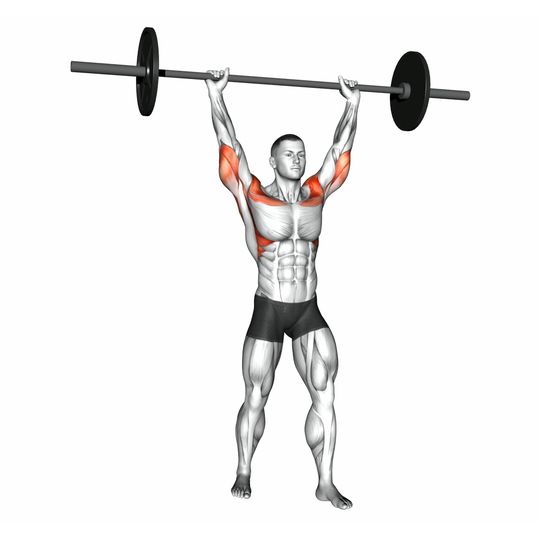 3 × 8–12
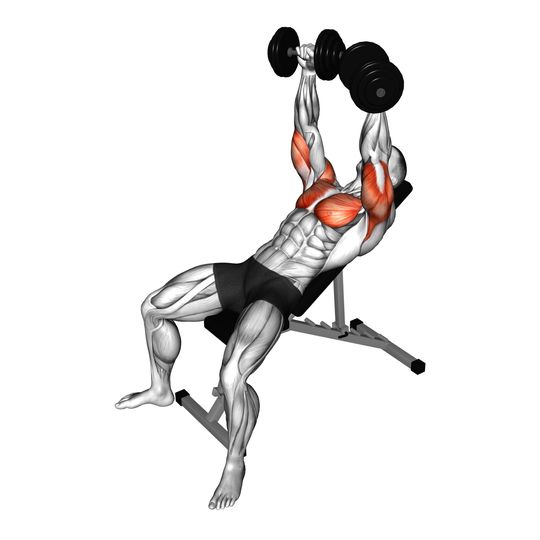 3 × 8–12
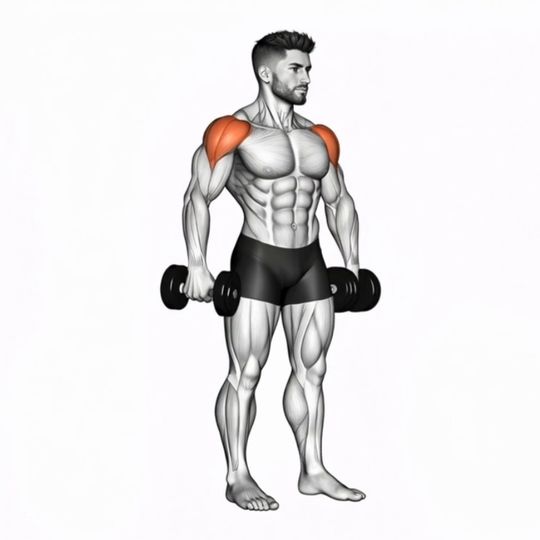 3 × 12–20
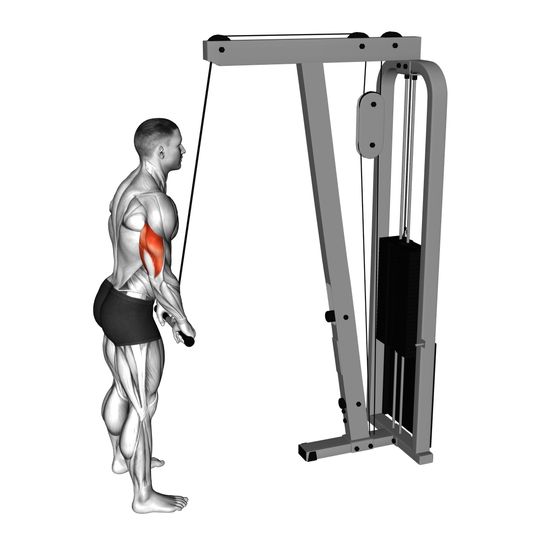 3 × 10–15
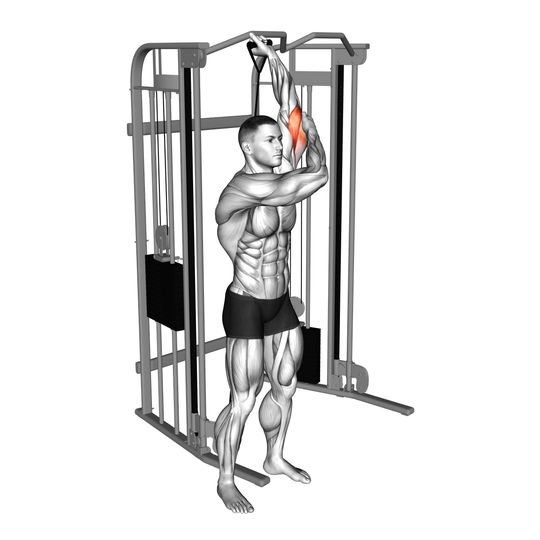 2 × 10–15
Pull day
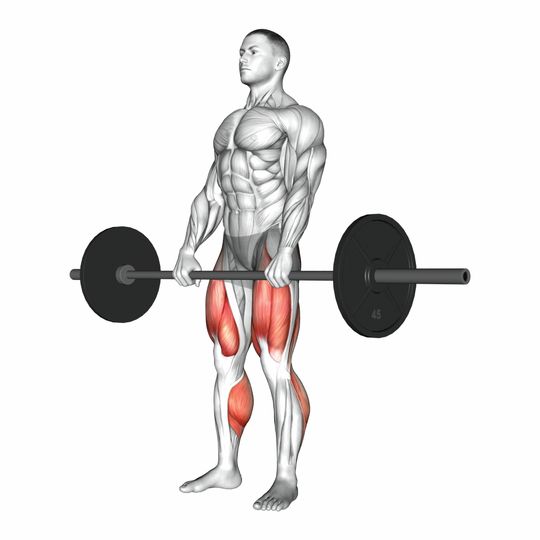 3 × 5–8
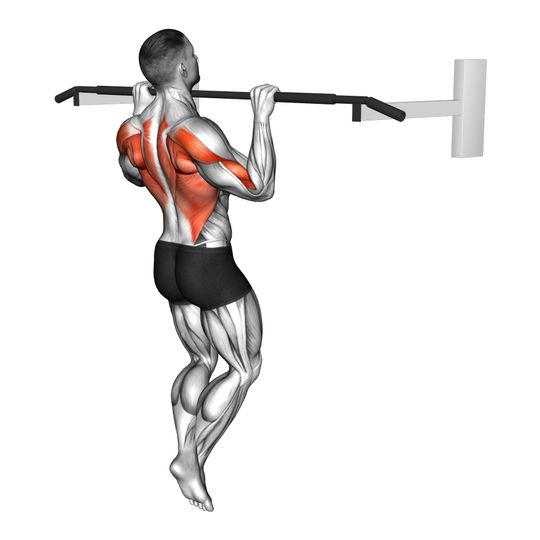 3 × 6–10
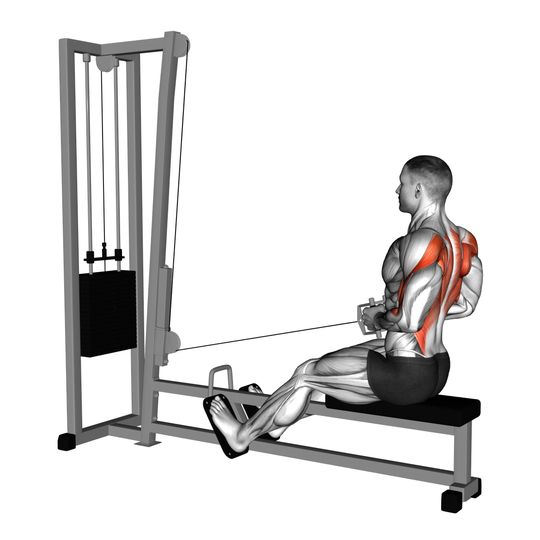 3 × 8–12
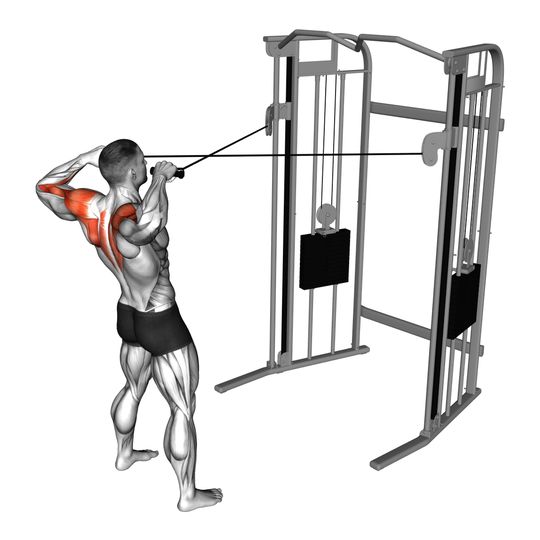 3 × 12–20
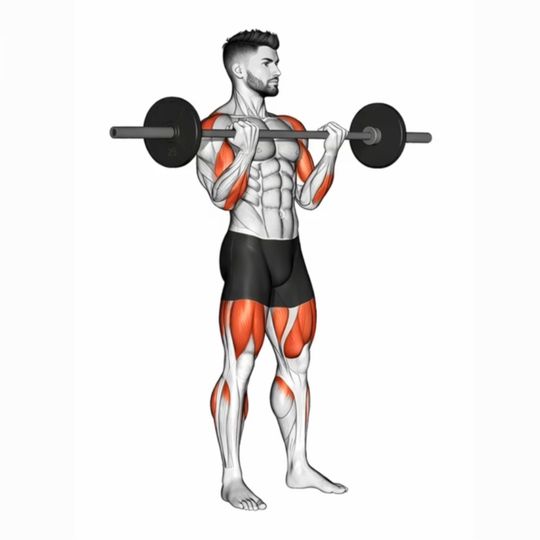 3 × 8–12
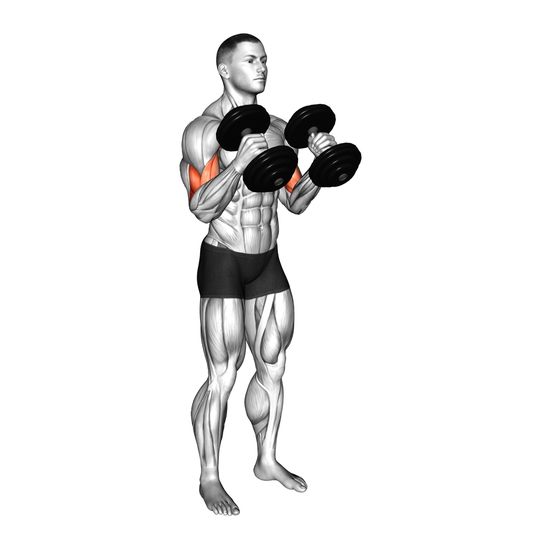 2 × 10–15
Legs day
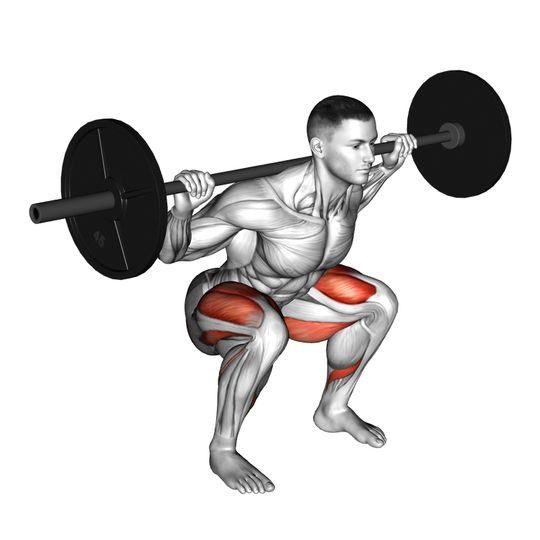 4 × 5–8
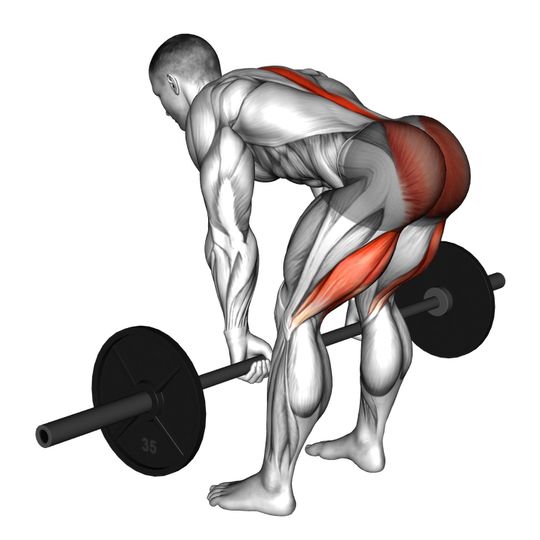 3 × 8–12
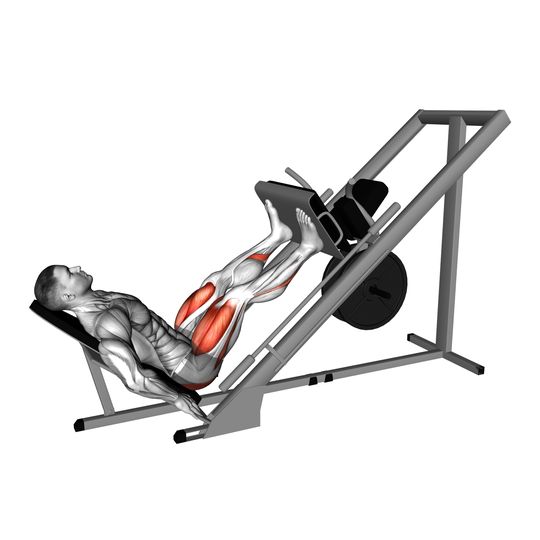 3 × 10–15
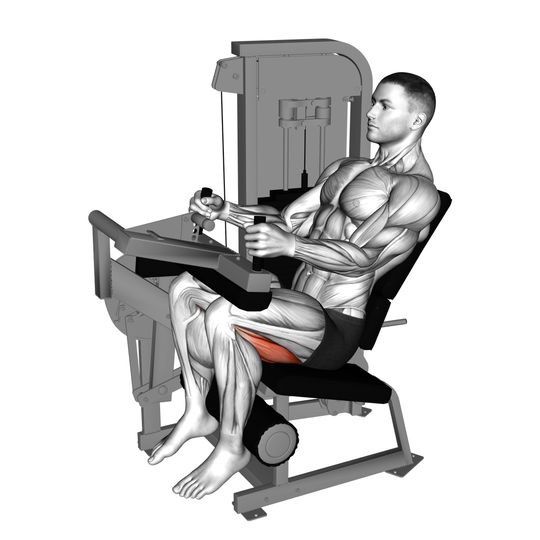 3 × 10–15
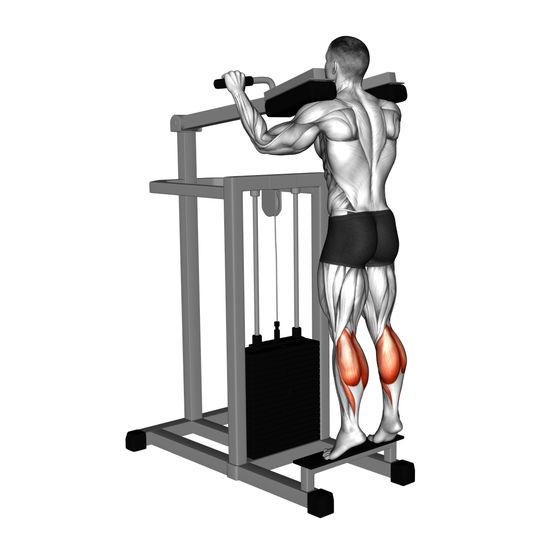 4 × 10–15
Set the three days up as separate routines in Gript — here is how — and the app will show your previous numbers next to every set, so beating last session takes zero memory work.
Running PPL on 3, 4, or 5 days#
You do not need six days. The cleanest approach on fewer days is to run Push, Pull, and Legs in rotation rather than pinning them to fixed weekdays:
- 3 days: Push, Pull, Legs once each week. Simple, but each muscle is trained only once every seven days. Fine for maintenance; for growth, a full body or upper lower structure usually serves three days better.
- 4 days: rotate continuously — week one is Push, Pull, Legs, Push; week two is Pull, Legs, Push, Pull. Each muscle averages about 1.3 sessions per week.
- 5 days: the same rolling rotation, landing each muscle at roughly 1.7 sessions per week — close to the 6-day version with an extra rest day.
The rotation means your training week no longer matches the calendar week. That is fine — just follow the sequence and take rest days wherever life demands them. If you want five fixed days and every muscle trained twice, run push, pull, legs once and add an upper lower pair instead of rotating: that is the PPLUL split, and it is the version most five-day lifters end up on.
How to progress PPL#
The routine only works if the numbers go up. Use double progression: every exercise has a rep range, and you work within it. Keep the weight fixed and add reps session to session until you hit the top of the range on all sets — then add weight, drop back to the bottom of the range, and climb again. Benching 3 × 6 at 80 kg becomes 3 × 7, then 3 × 8, eventually 3 × 10 — then 82.5 kg for 3 × 6.
This is exactly the logic behind Gript's progression suggestions, which flag when you have topped out a range and it is time to load the bar. For the bigger picture on why this matters more than any exercise selection, read the progressive overload guide.
Common PPL mistakes#
- Junk volume: six days of gym access tempts people into 25–30 sets per muscle per week, most of them nowhere near failure. Aim for 10–20 hard sets per muscle per week and make every set count.
- Skipping legs: the classic PPL failure mode is turning the split into push, pull, and rest. A weekly view of sets per muscle group — like Gript's muscle balance chart — makes the neglect visible before it shows up in the mirror.
- No progression plan: showing up six days a week means nothing if the weights are the same in month three as in month one. Pick rep ranges, track every set, and apply double progression relentlessly.
- Running six days without the recovery to match: if sleep and food are not in order, the 4- or 5-day rotation will out-produce a poorly recovered 6-day week.
PPL rewards consistency and punishes autopilot. Pick the version that matches your real schedule, log everything, and let double progression do the rest.