

The PPLUL split — push, pull, legs, upper, lower — is what most lifters end up running when they have five days a week and want every muscle trained twice. It takes one rotation of push pull legs and adds an upper lower pair on top, so the week has three focused sessions and two broad ones. This guide covers how PPLUL works, who it suits, a complete five-day PPLUL workout plan with sets and reps, how it compares to PPL and ULPPL, and how to progress it.
What the PPLUL split is#
Five sessions, each with a clear job. Push day trains chest, shoulders, and triceps. Pull day trains back, rear delts, and biceps. Legs day trains quads, hamstrings, glutes, and calves. Then the upper day trains the whole upper body again in one session, and the lower day trains the whole lower body again. Every muscle gets one focused session with high volume and one broad session that tops it up.
The point of the structure is frequency in a fixed week. A six-day PPL hits everything twice but needs six sessions. A rolling five-day PPL hits everything about 1.7 times a week but never lands on the same weekdays. PPLUL gets you to two sessions per muscle in five fixed days, which is why it has become the default five-day split for physique-focused lifters.
Who PPLUL suits — and who it does not#
Intermediate lifters who can train five fixed days a week, recover from it, and have stalled on a four-day upper lower split. If you want more direct volume for chest, back, and shoulders than four days allows, and you do not want to commit to six, this is the split.
It is not a beginner program. Five days of volume is more than a beginner needs while learning the lifts, and the progress you would make here is available faster from a 3-day full body routine. It is also a poor fit if your week is unpredictable: PPLUL has five sessions and two rest days, and a missed session breaks the twice-a-week frequency for whatever that day covered. If you regularly lose a day, a 4-day upper lower split survives that far better.
The PPLUL schedule#
Push, pull, legs, rest, upper, lower, rest is the standard layout. The rest day between the PPL rotation and the upper lower pair matters: the upper day carries pressing and rowing volume for muscles that trained on Monday and Tuesday, and a day off in between is what lets that second session be productive rather than a repeat of Monday's fatigue.
| Day | Session |
|---|---|
| Monday | Push |
| Tuesday | Pull |
| Wednesday | Legs |
| Thursday | Rest |
| Friday | Upper |
| Saturday | Lower |
| Sunday | Rest |
If your weekend is the busy part of the week, shift everything forward: Sunday push through Tuesday legs, Wednesday off, Thursday upper, Friday lower, Saturday off. The sequence matters more than the weekday names.
The complete PPLUL workout plan#
Rest 2–4 minutes between sets on the big compound lifts and 60–90 seconds on isolation work. Keep working sets 1–3 reps short of failure; the last set of an isolation exercise can go to failure. The push, pull, and legs days carry most of the weekly volume and the heavier loading. The upper and lower days use different exercises and slightly higher rep ranges so that the second exposure of the week adds volume without repeating the same joint stress. Work up to your first heavy set with a few ramping sets — the warm-up calculator lays them out.
Day 1 – Push
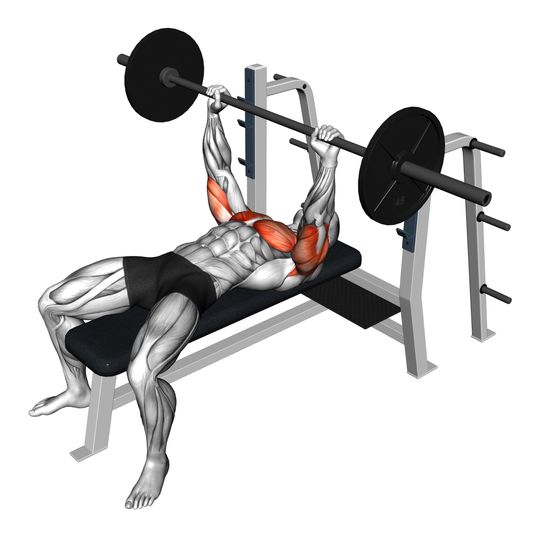 4 × 5–8
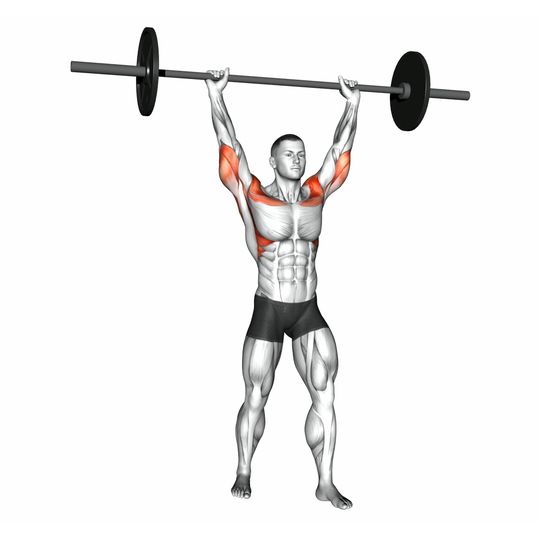 3 × 6–10
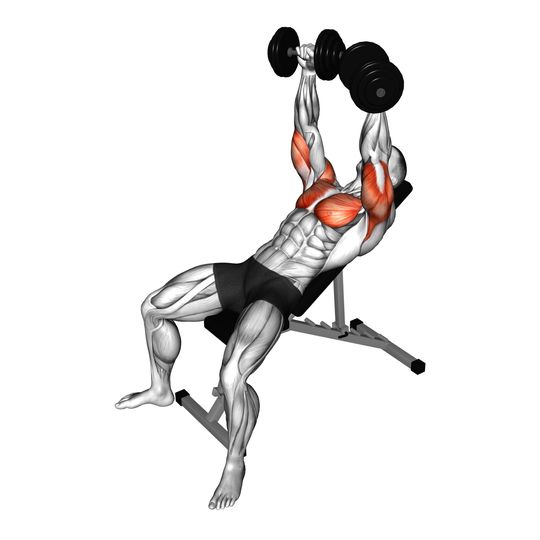 3 × 8–12
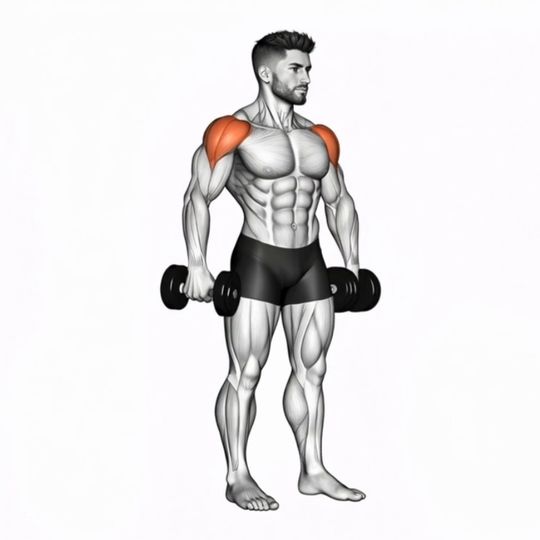 4 × 12–20
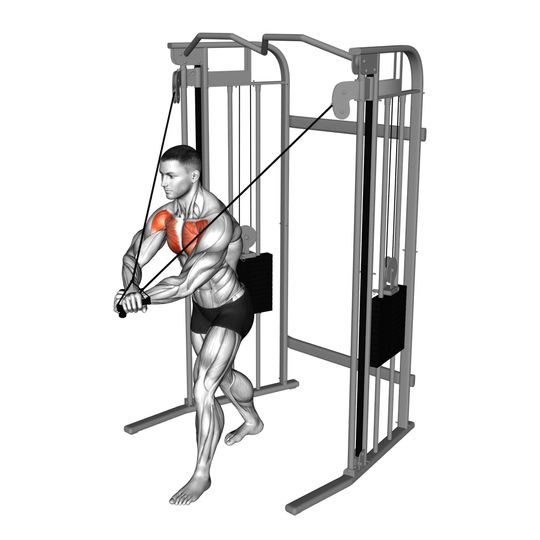 3 × 12–15
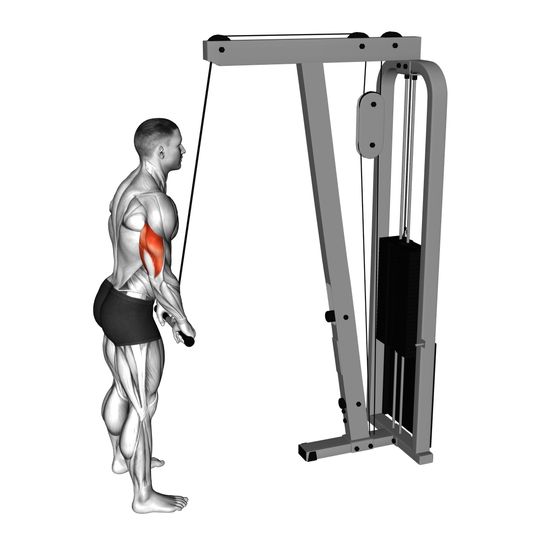 3 × 10–15
Day 2 – Pull
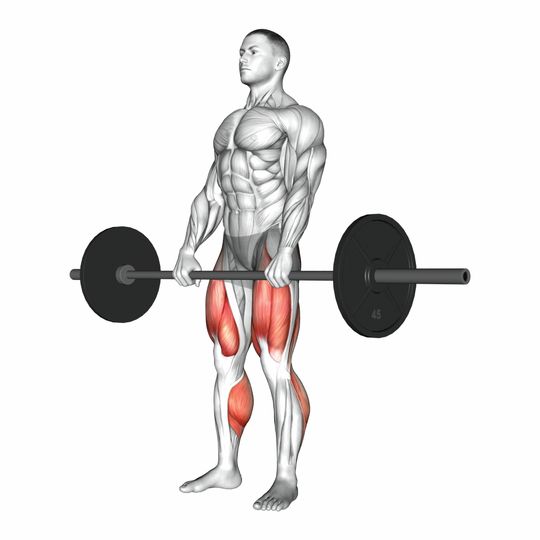 3 × 4–6
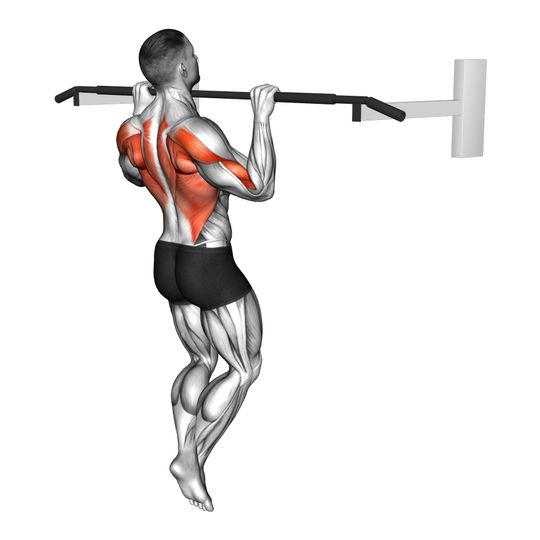 4 × 6–12
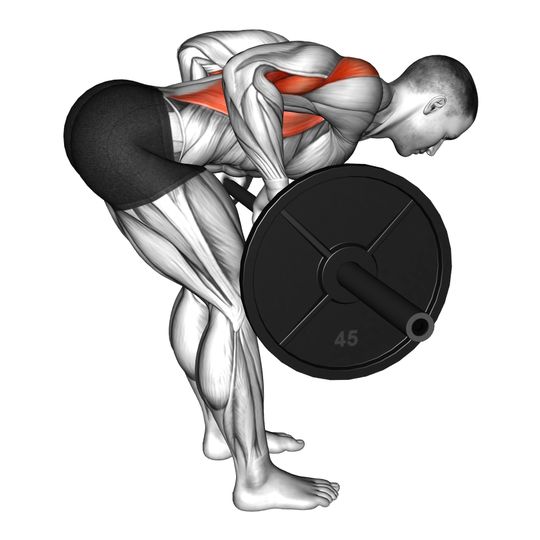 3 × 6–10
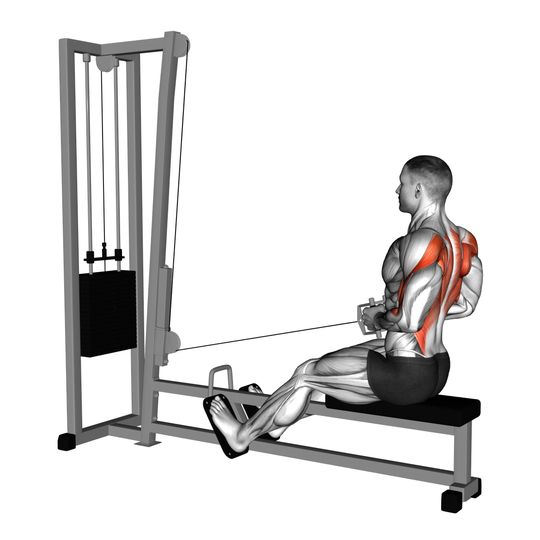 3 × 10–15
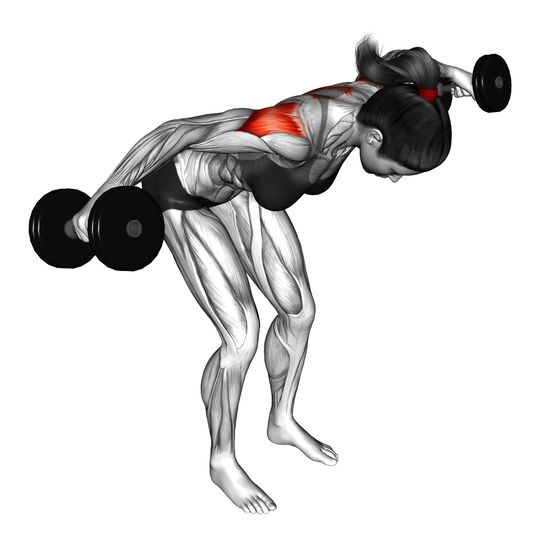 3 × 12–20
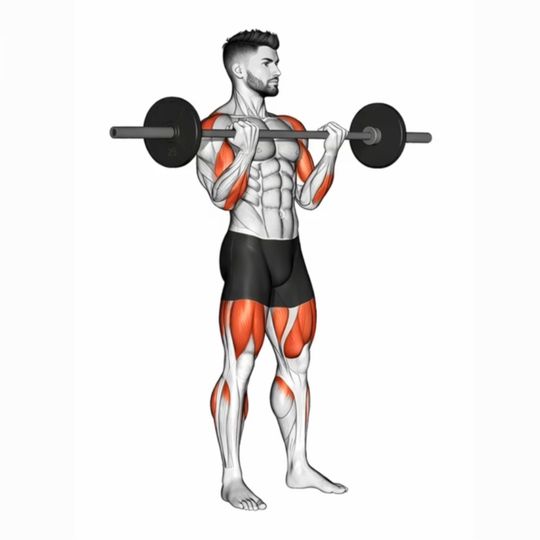 3 × 8–12
Day 3 – Legs
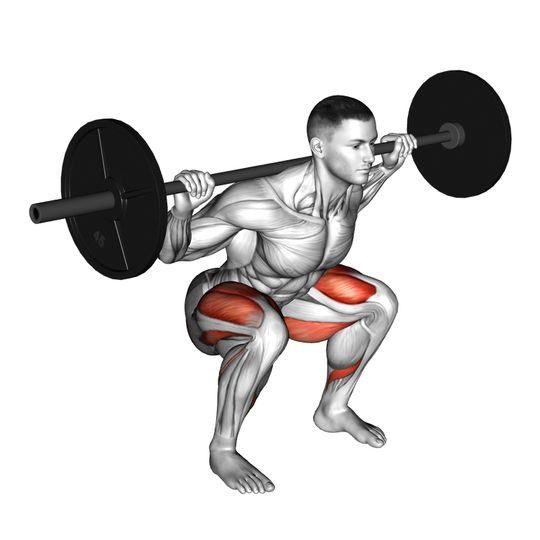 4 × 5–8
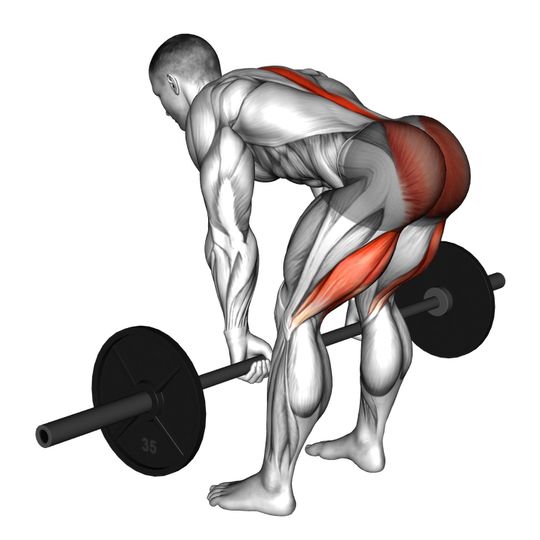 3 × 8–12
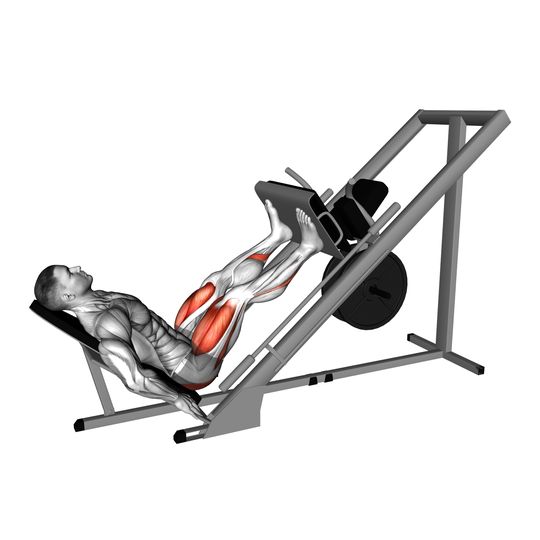 3 × 10–15
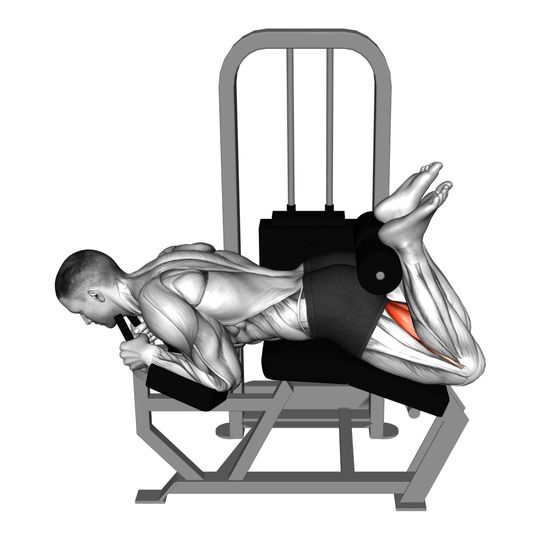 3 × 10–15
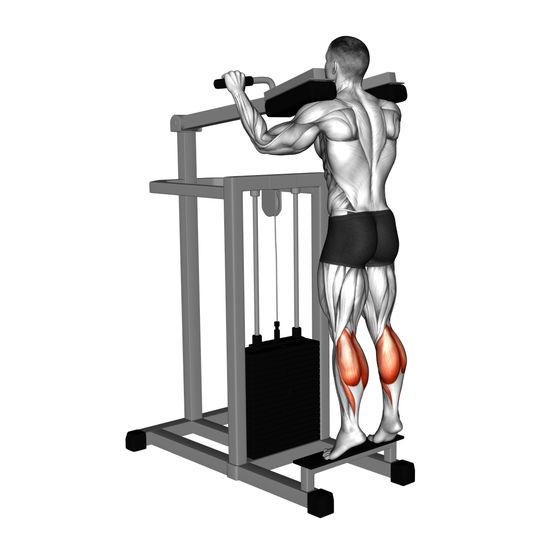 4 × 10–15
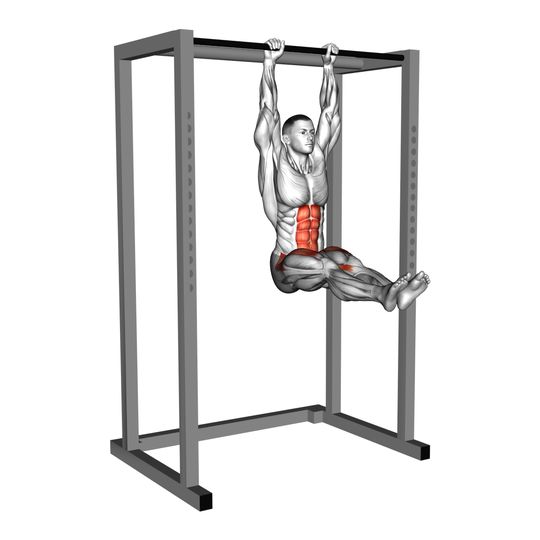 3 × 10–15
Day 4 – Upper
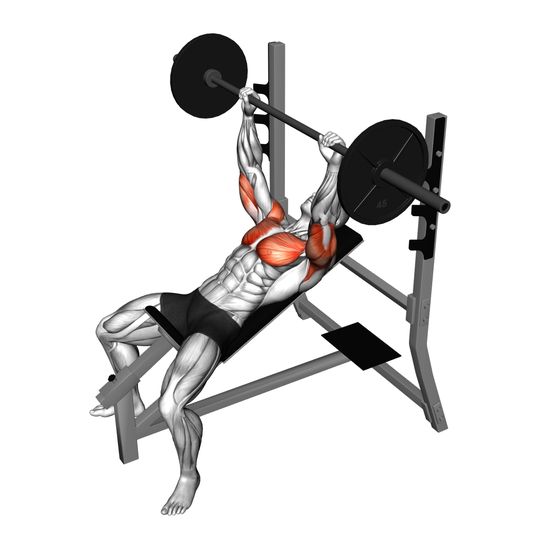 4 × 8–12
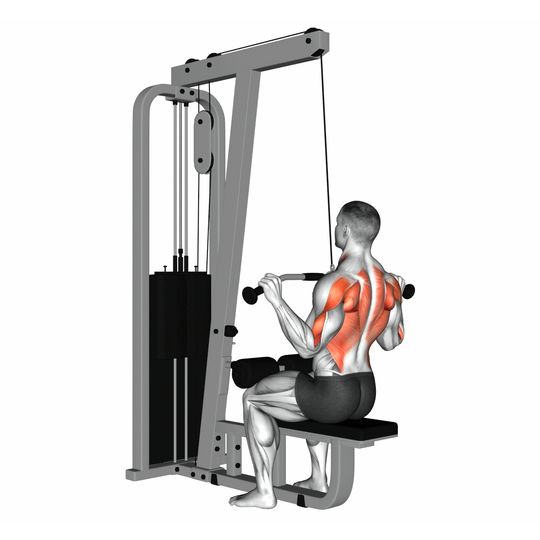 4 × 8–12
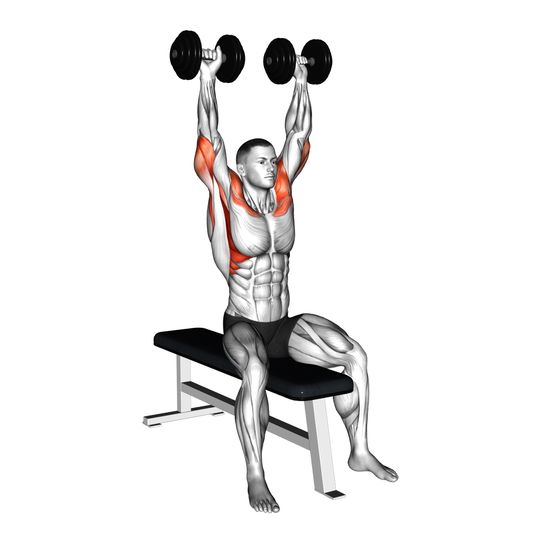 3 × 8–12
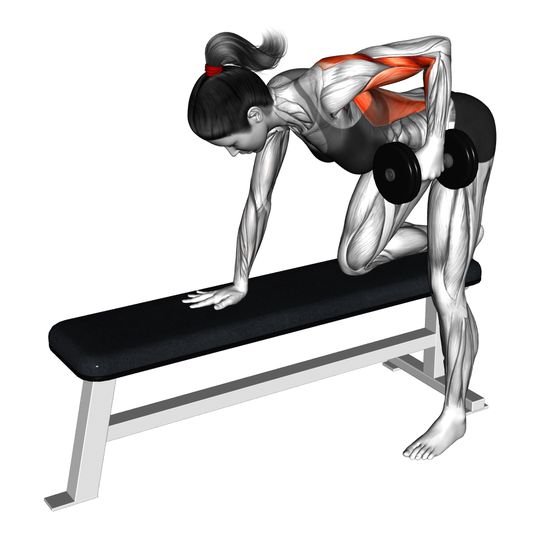 3 × 8–12
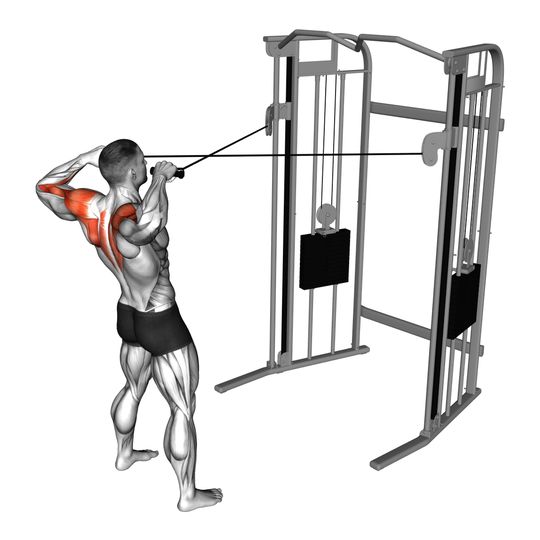 3 × 12–20
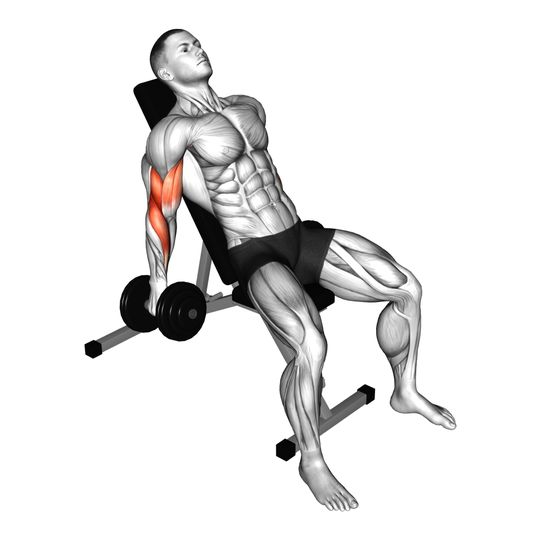 3 × 10–15
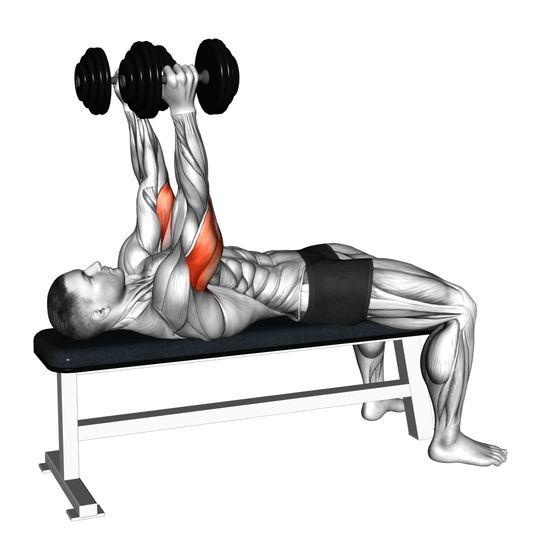 3 × 10–15
Day 5 – Lower
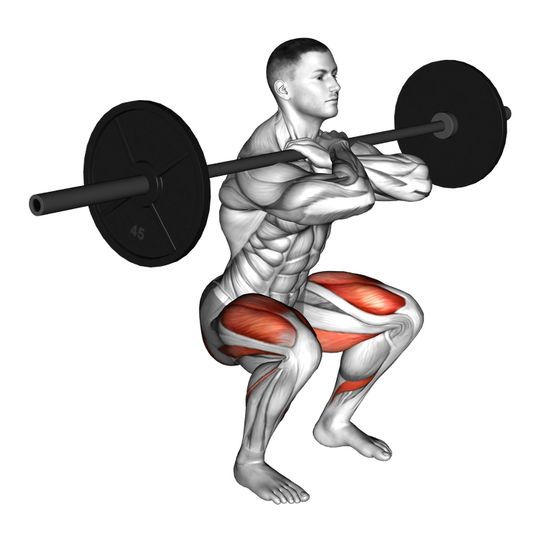 4 × 6–10
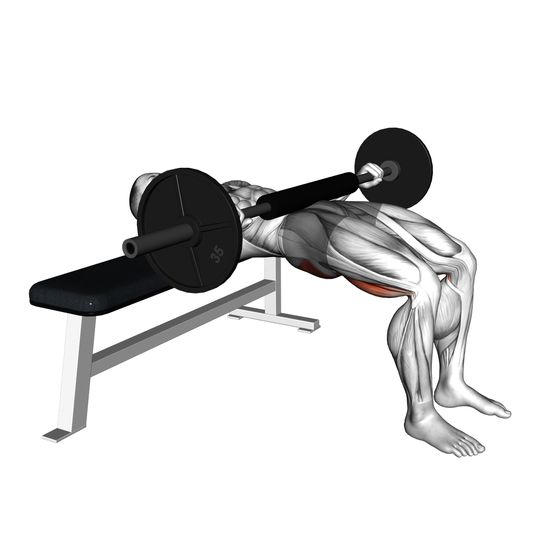 3 × 8–12
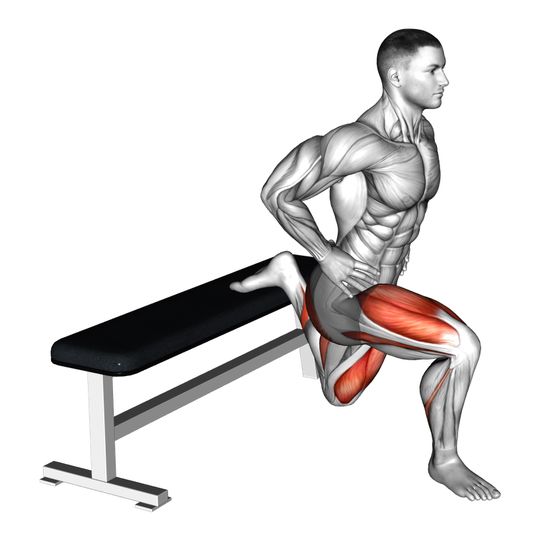 3 × 10–12 per leg
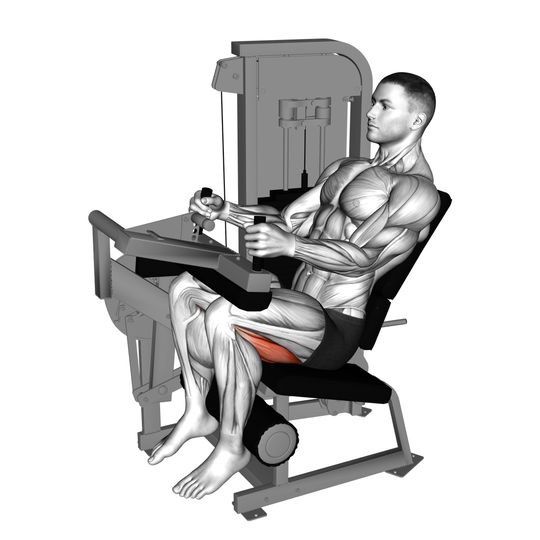 3 × 12–15
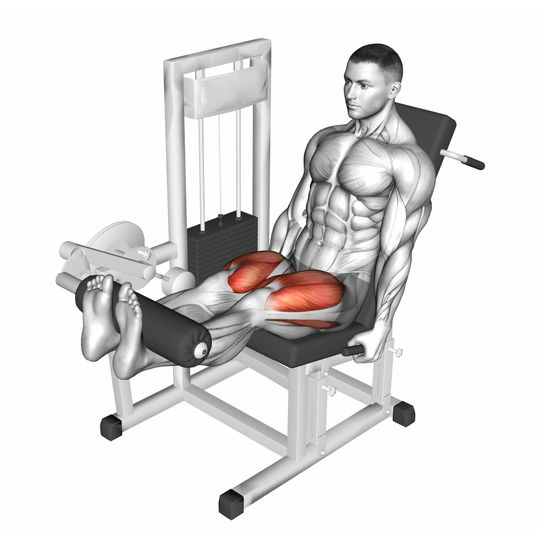 3 × 12–20
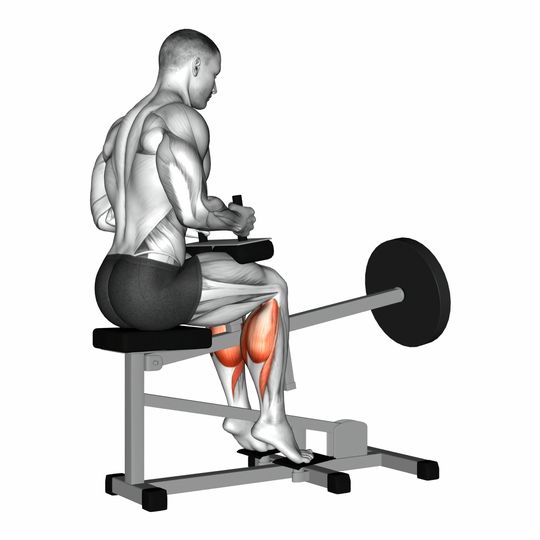 4 × 12–20
Set the five days up as separate routines in Gript — here is how — so each session keeps its own history and the app shows your previous numbers next to every set.
How much volume PPLUL gives each muscle#
Counted across both sessions, the plan above lands most muscles in the 12–18 hard sets per week range, which is the middle of the evidence-based 10–20 range. Chest gets around 13 sets, back around 16, quads around 12, hamstrings and glutes around 12, shoulders around 14. Arms get direct work on three of the five days.
That is plenty. The most common PPLUL mistake is treating the upper and lower days as a second full push, pull, and legs rotation crammed into two sessions, which pushes weekly volume past 25 sets per muscle and turns the second half of the week into junk. Check where you actually stand with the training volume calculator before adding anything.
PPLUL vs PPL vs ULPPL#
| PPLUL | 6-day PPL | ULPPL | |
|---|---|---|---|
| Days per week | 5 | 6 | 5 |
| Sessions per muscle | 2 | 2 | 2 |
| Fixed weekly schedule | Yes | Yes | Yes |
| Heaviest sessions | Start of week (P, P, L) | First rotation | Start of week (U, L) |
| Volume per muscle | Moderate–high | High | Moderate–high |
| Best for | Physique focus on five days | Maximum volume, six days available | Strength on the big lifts |
PPLUL and ULPPL are the same five sessions in a different order. PPLUL starts the week with the focused push, pull, and legs days and finishes with the broader upper and lower sessions. ULPPL flips that, putting the heavy upper and lower compounds first when you are freshest. If your priority is chest, back, and shoulder development, run PPLUL. If your priority is squat, bench, and deadlift numbers, ULPPL puts them where they get your best effort.
Against a full six-day PPL, PPLUL gives up a little volume in exchange for an extra rest day. For most intermediates that trade is a good one — the sixth day is where recovery usually breaks down first. The 6-day split guide covers when six days is worth it.
How to progress PPLUL#
Double progression, tracked separately for every exercise. Each exercise has a rep range; add reps at a fixed weight until you hit the top of the range on every set, then add weight and drop back to the bottom. The bench press on push day and the incline press on upper day are separate progressions — do not compare them, just make each one go up.
On the compound lifts, keep the push, pull, and legs days as the heavier exposure and let the upper and lower days sit a rep range higher. If the heavy lifts stall for three sessions running, check the progressive overload guide before changing the split — the answer is almost always effort, recovery, or a deload rather than a new program.
Common PPLUL mistakes#
- Making the upper day a second push day: it is easy to load the upper session with more pressing and forget the rows. Keep pressing and pulling volume roughly equal across the week — Gript's muscle balance chart makes an imbalance visible before your shoulders do.
- Skipping the mid-week rest day: running five days straight and resting Saturday and Sunday puts the upper day right after legs and pull with no recovery in between. The rest day belongs after legs.
- Deadlifting heavy twice: the plan has one heavy pull from the floor per week for a reason. Lower day uses the hip thrust and front squat, not a second deadlift.
- Five days on paper, four in practice: if the lower day disappears most weeks, you are running a badly designed four-day split. Switch to a real one.
PPLUL is the five-day split that rewards consistency: five fixed sessions, two rest days, every muscle twice. Log every set, run double progression, and give it at least twelve weeks before judging it.