

The ULPPL split — upper, lower, push, pull, legs — is the five-day split that puts the heavy work first. The week opens with an upper lower pair built around the big barbell lifts, takes a rest day, and finishes with one rotation of push pull legs for volume. Every muscle is trained twice a week in five fixed days. This guide covers how ULPPL works, why the order matters, a complete five-day routine with sets and reps, how it compares to PPLUL, and how to progress it.
What the ULPPL split is#
Five sessions in a fixed order. Upper day trains the whole upper body with heavy compounds — bench, row, overhead press, pull-up. Lower day trains the whole lower body the same way — squat and deadlift, then machines. After a rest day, push day trains chest, shoulders, and triceps with more isolation and higher reps; pull day does the same for back, rear delts, and biceps; legs day does the same for quads, hamstrings, glutes, and calves.
The structure exists because of one observation: your best sets happen when you are freshest. Putting the heavy upper and lower sessions on Monday and Tuesday, after the weekend, means squat, bench, deadlift, and overhead press get your most recovered effort of the week. The push, pull, and legs days then add volume with exercises that are easier to recover from.
Who ULPPL suits — and who it does not#
Intermediate lifters who want their strength numbers to keep moving while they build size — the powerbuilding crowd. If you care about your squat, bench, and deadlift and also want the direct chest, back, and shoulder work that a plain upper lower split runs short on, ULPPL is the natural five-day answer.
It is not for beginners, who progress faster on a 3-day full body routine, and it is not for lifters with an unpredictable week. Five fixed sessions means a missed day breaks the twice-a-week frequency for whatever it covered. If that happens often, a 4-day upper lower split gives the same frequency with a day of slack.
The ULPPL schedule#
Upper, lower, rest, push, pull, legs, rest. The rest day after the heavy pair is the important one — it is what lets push day train chest and shoulders productively two days after a heavy bench and press session.
| Day | Session |
|---|---|
| Monday | Upper (heavy) |
| Tuesday | Lower (heavy) |
| Wednesday | Rest |
| Thursday | Push |
| Friday | Pull |
| Saturday | Legs |
| Sunday | Rest |
If you would rather train on the weekend, run upper and lower on Saturday and Sunday, rest Monday, and do push, pull, and legs Tuesday to Thursday. The two heavy days should follow your longest stretch of rest.
The complete ULPPL routine#
Upper and lower days are heavy: compound lifts in the 4–8 rep range, 3–5 minutes rest between sets, working sets at 1–2 reps in reserve. Push, pull, and legs days are for volume: 8–20 reps, 60–120 seconds rest, and the last set of an isolation exercise can go to failure. Ramp up to your first heavy set with a few warm-up sets — the warm-up calculator lays them out.
Day 1 – Upper (heavy)
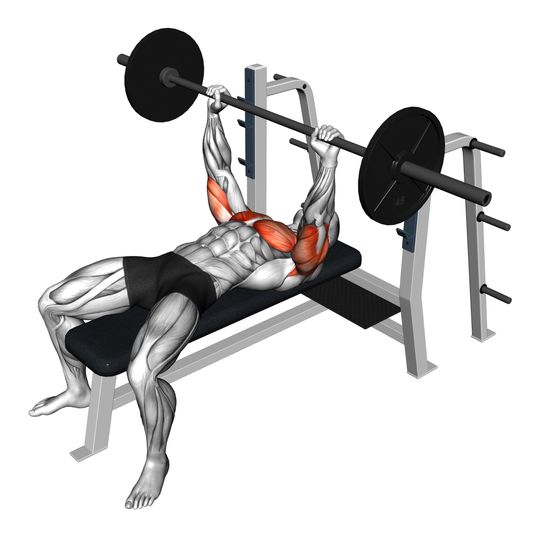 4 × 4–6
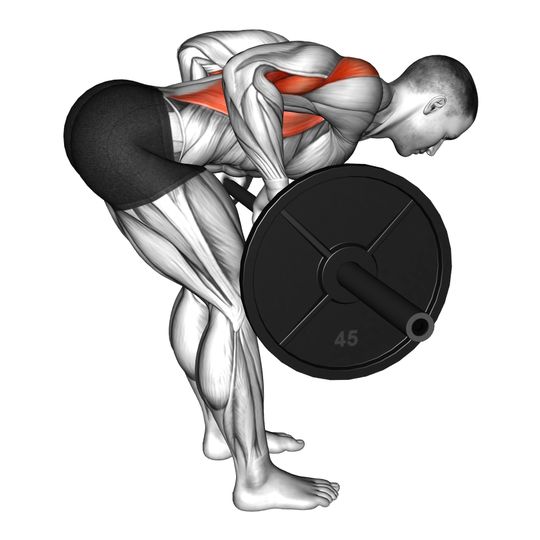 4 × 5–8
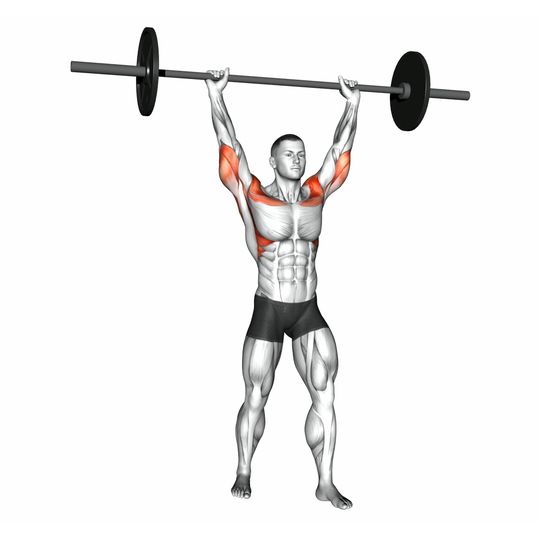 3 × 5–8
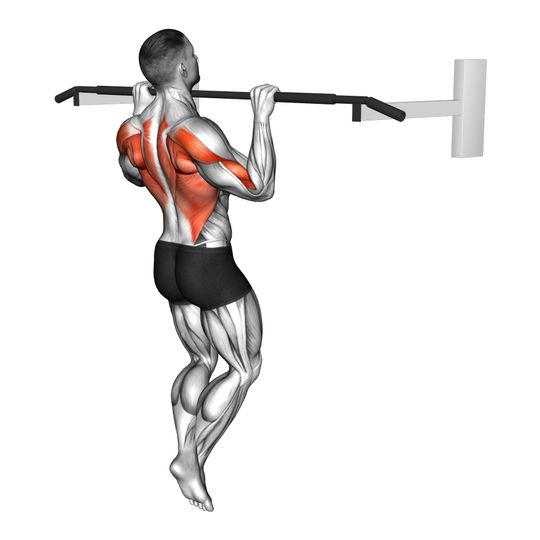 3 × 6–10
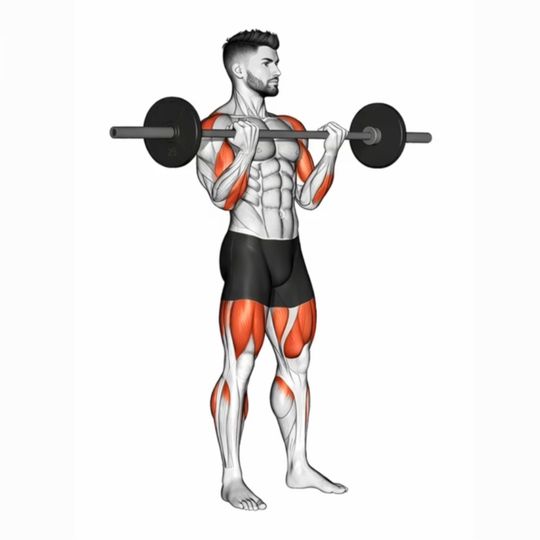 2 × 8–12
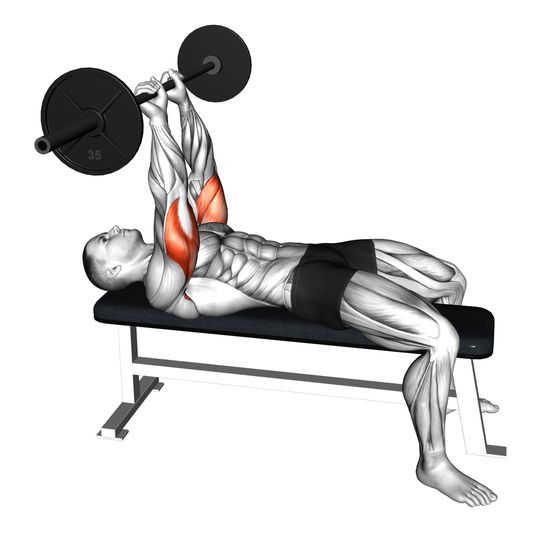 2 × 8–12
Day 2 – Lower (heavy)
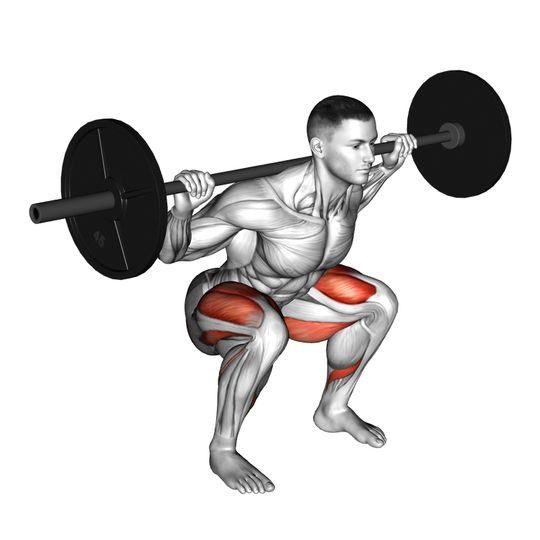 4 × 4–6
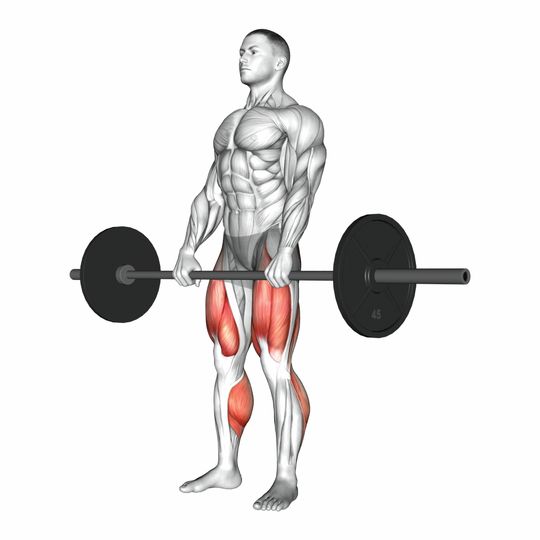 3 × 3–5
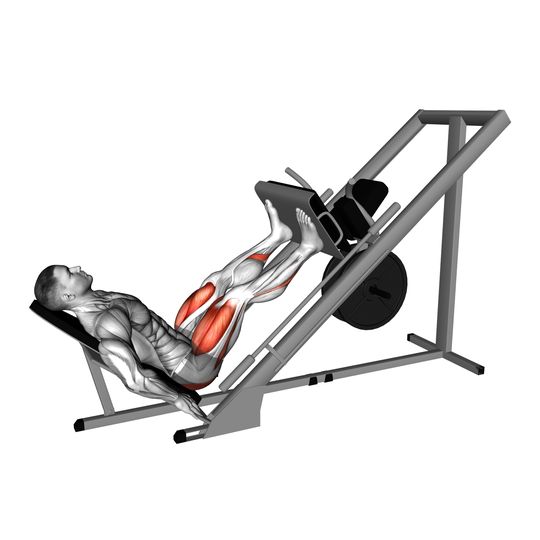 3 × 8–12
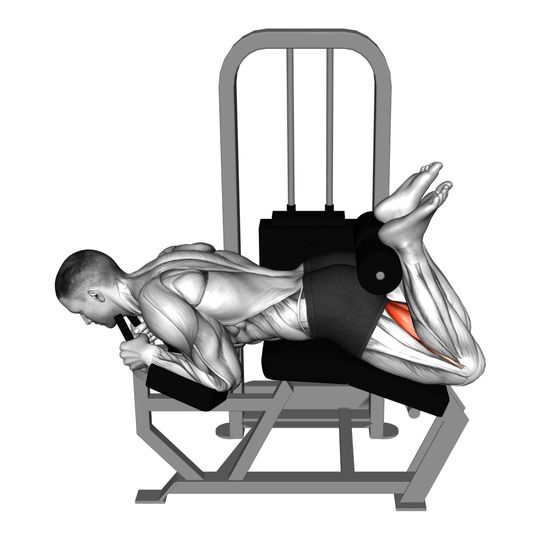 3 × 8–12
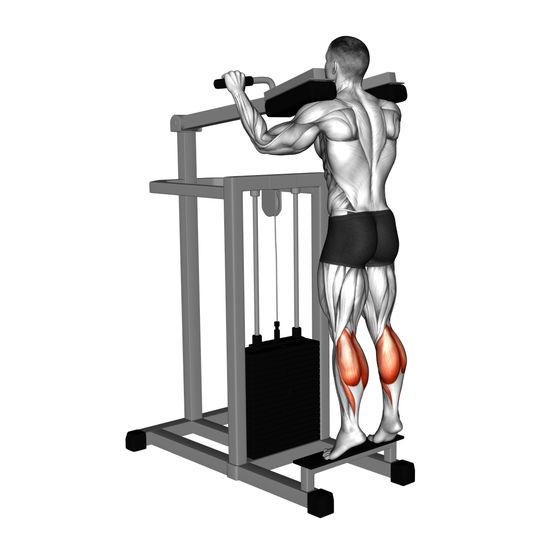 4 × 8–12
Day 3 – Push
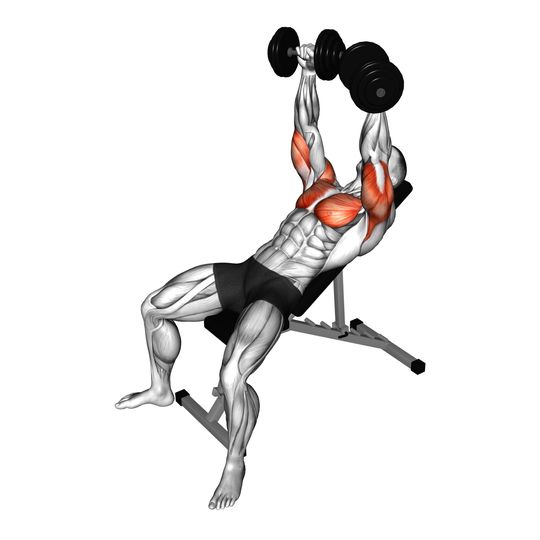 4 × 8–12
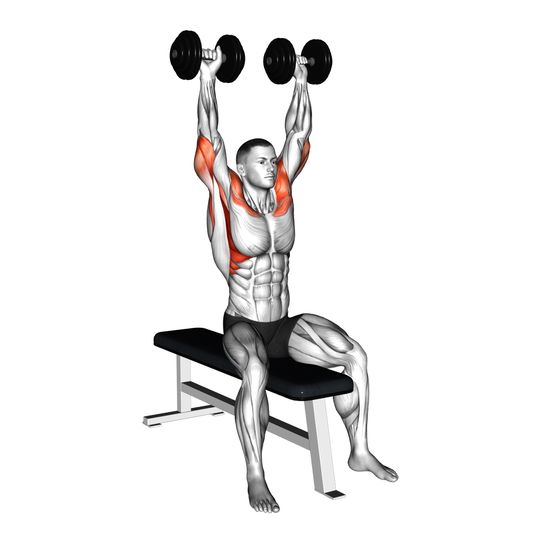 3 × 8–12
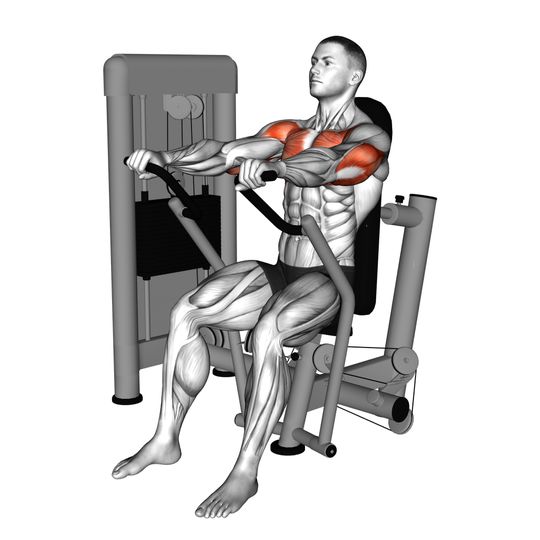 3 × 10–15
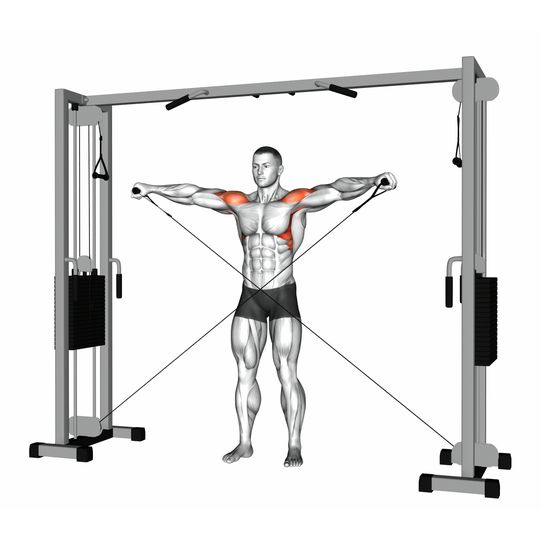 4 × 12–20
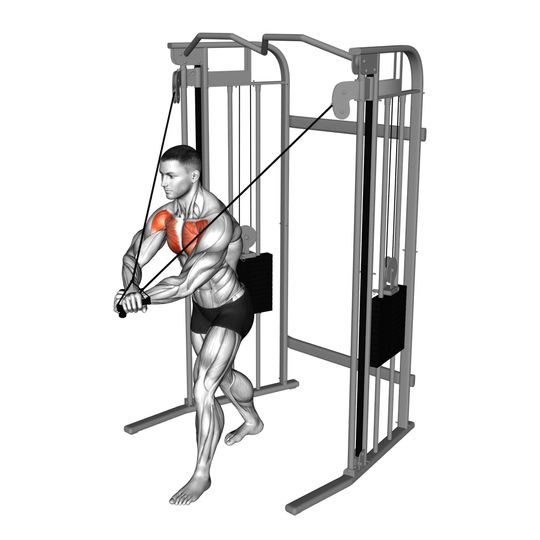 3 × 12–15
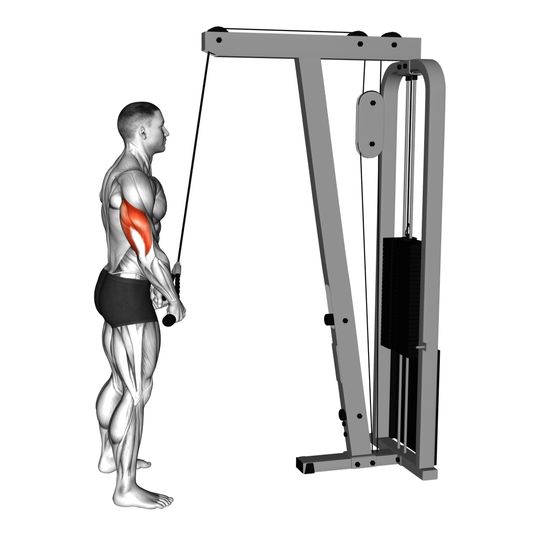 3 × 12–15
Day 4 – Pull
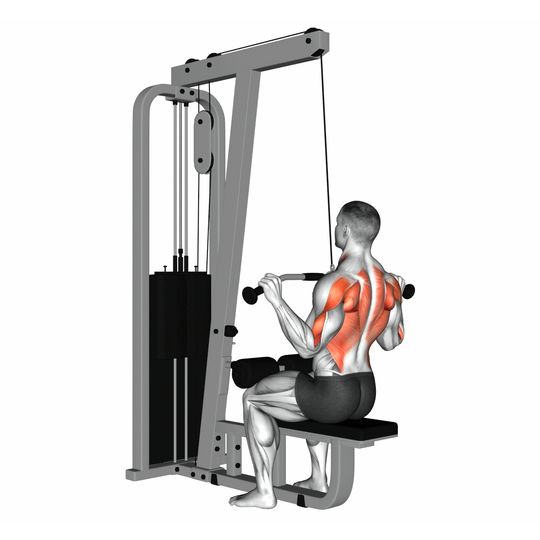 4 × 8–12
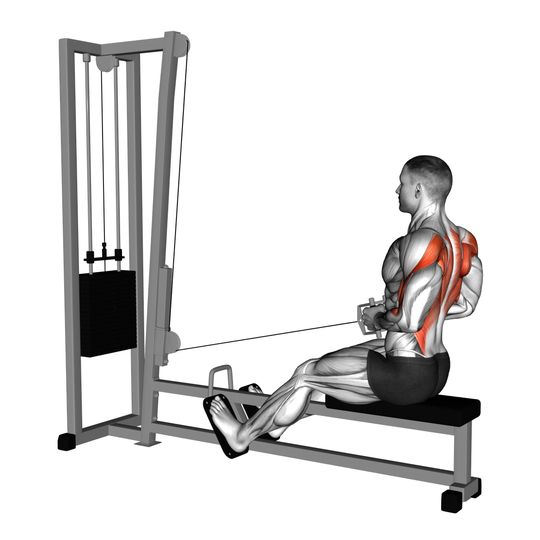 4 × 10–15
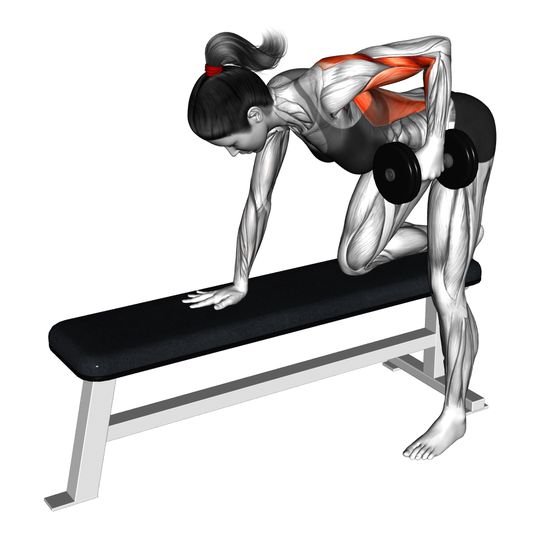 3 × 10–12
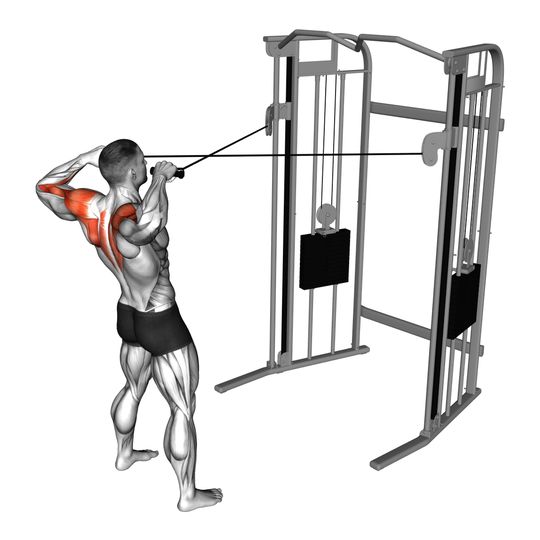 3 × 15–20
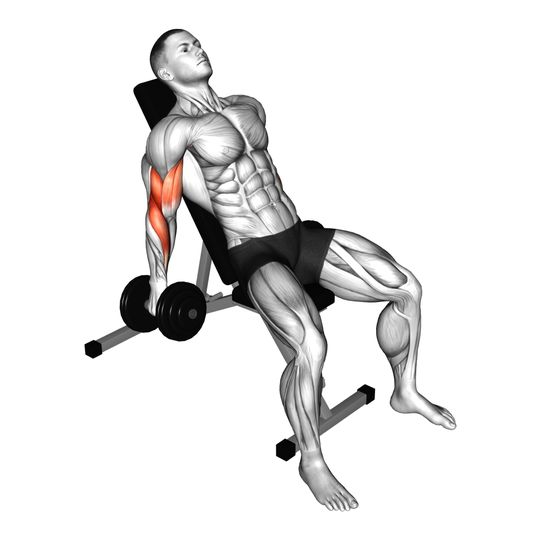 3 × 10–15
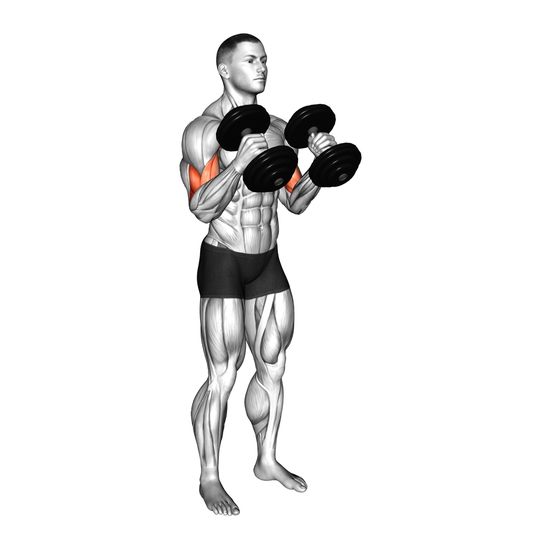 2 × 12–15
Day 5 – Legs
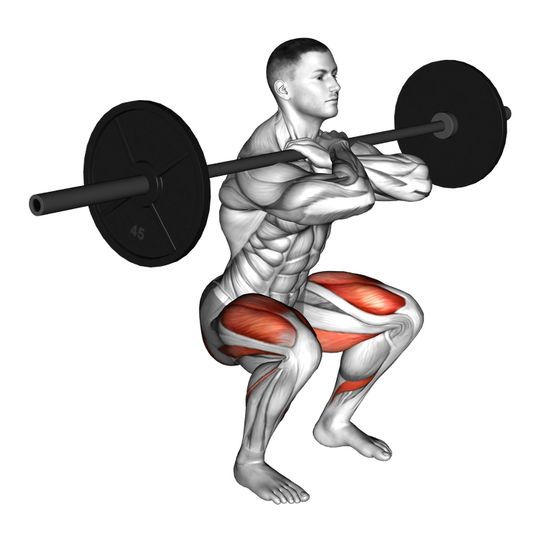 3 × 8–12
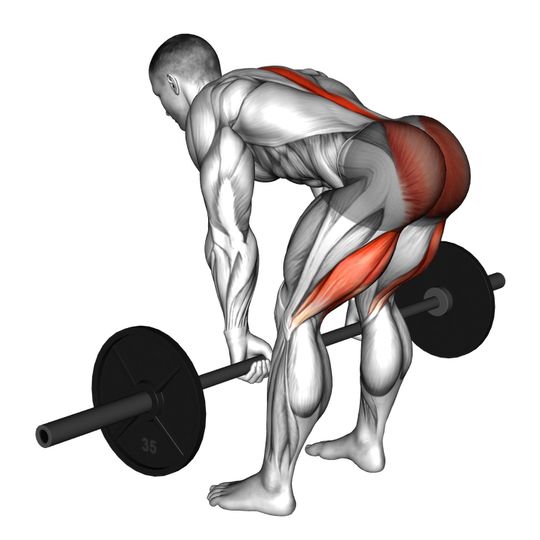 3 × 8–12
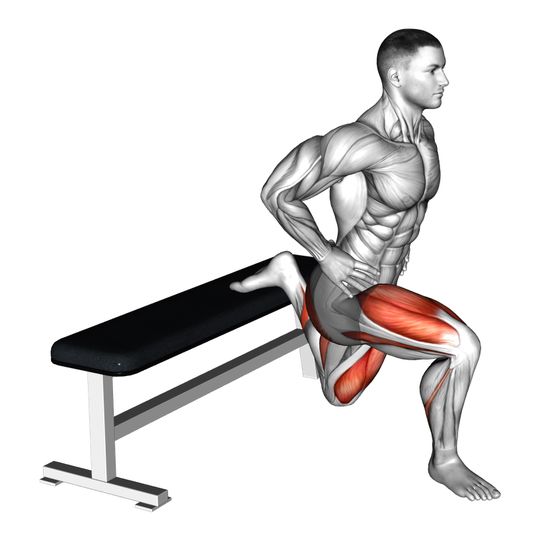 3 × 10–12 per leg
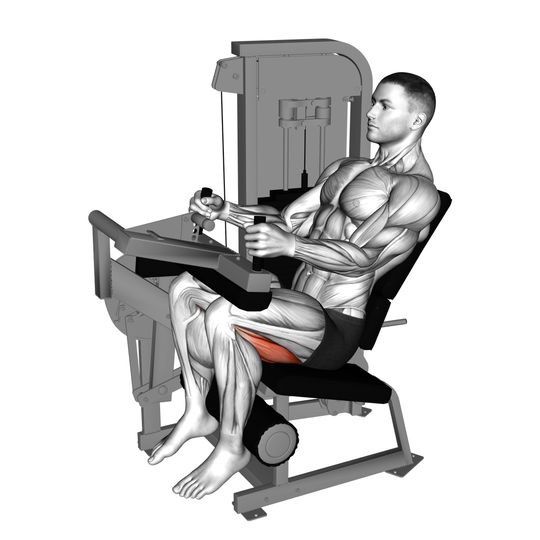 3 × 12–15
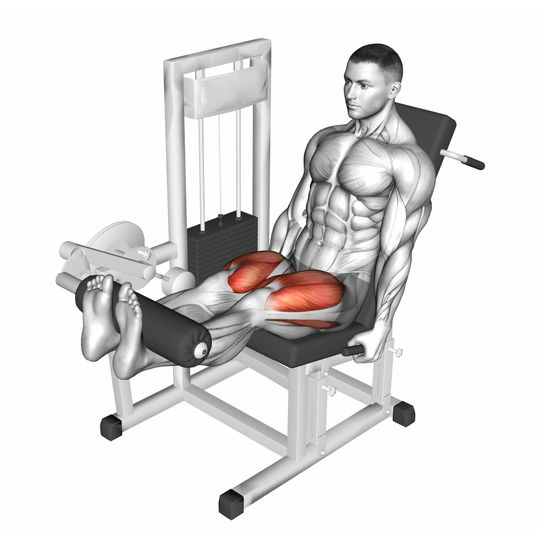 3 × 12–20
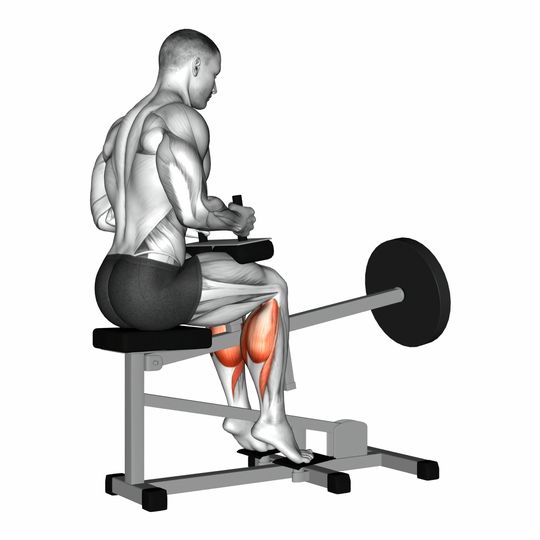 4 × 12–20
Save the five days as separate routines in Gript — here is how — so the heavy bench on upper day and the incline press on push day each keep their own history.
Why the order matters: ULPPL vs PPLUL#
PPLUL and ULPPL contain the same five sessions. The difference is entirely about which sessions get your freshest effort and which ones you finish the week with.
| ULPPL | PPLUL | |
|---|---|---|
| Order | Upper, lower, rest, push, pull, legs | Push, pull, legs, rest, upper, lower |
| Freshest sessions | Heavy upper and lower | Push, pull, legs |
| Best for | Strength on squat, bench, deadlift, press | Chest, back, and shoulder development |
| Heavy lifting | Concentrated in two days | Spread across three days |
| Week finishes with | Volume work, easier when tired | Broad upper and lower sessions |
Pick ULPPL if the barbell numbers are the priority and you want them trained heavy while you are fresh. Pick PPLUL if the priority is size on the upper body and you prefer the focused sessions first. Neither is wrong; run one for a full block before switching.
How to progress ULPPL#
Two progression schemes run side by side. On the heavy upper and lower days, add weight in small jumps whenever every set hits the top of its rep range at the planned effort — 2.5 kg on upper-body lifts, 5 kg on squat and deadlift. If you use RPE, keep those sets at RPE 7–8 and let the RPE calculator tell you what that means in reps in reserve. On the push, pull, and legs days, use double progression: add reps within the rep range first, then weight.
When a heavy lift stalls for three sessions, the fix is almost never a new split. Run through the progressive overload guide — effort, recovery, deload — before changing anything structural.
Common ULPPL mistakes#
- Going heavy on the PPL days too: five heavy sessions a week is not a program, it is a countdown. Push, pull, and legs days are for volume with exercises that do not tax recovery like a heavy squat does.
- Moving the rest day to the weekend: running upper, lower, push, pull, legs back to back puts push day the morning after a heavy lower session and pull day two days after heavy rows and pull-ups with nothing in between. Keep Wednesday off.
- Ignoring the volume total: the heavy days count too. The plan above lands most muscles in the 12–16 hard sets a week range; check yours with the training volume calculator before adding a sixth exercise to push day.
- Skipping legs day because Saturday: the last session of the week is the one that gets dropped. If that is happening, swap it with push day — quads and hamstrings need the second exposure more than your triceps do.
ULPPL is the five-day split for lifters who want to stay strong while they grow. Heavy first, volume second, one rest day in the middle, and every muscle twice a week. Log everything and give it twelve weeks.