


PHAT — Power Hypertrophy Adaptive Training — is Layne Norton's five-day program: two heavy power days followed by three high-volume hypertrophy days, each opening with speed work on the movement you trained heavy earlier in the week. Norton built it as a powerlifter who also had to look like a bodybuilder, and the design shows. It is demanding, it is long, and for an intermediate with five days and good recovery it is one of the best templates going.
What PHAT is#
PHAT runs two upper/lower power days and three body-part-style hypertrophy days in the same week. The power days use 3–5 reps on the main lifts. The hypertrophy days open with dynamic effort work — 6 sets of 3 at roughly 65–70% of your 3–5 rep max, moved fast — then move into 8–20 rep work across a long list of accessories.
The speed sets are the part most people misunderstand and the part that makes PHAT what it is. They rehearse the heavy pattern without adding meaningful fatigue, so the hypertrophy day still contributes to your strength practice while the rest of the session chases size. Each muscle ends up trained twice a week: once heavy, once with volume.
The PHAT weekly schedule#
| Day | Session |
|---|---|
| Monday | Upper power |
| Tuesday | Lower power |
| Wednesday | Rest |
| Thursday | Back and shoulders hypertrophy |
| Friday | Lower hypertrophy |
| Saturday | Chest and arms hypertrophy |
| Sunday | Rest |
The complete PHAT routine#
Rest 3–5 minutes on the power lifts, 45–60 seconds on the speed sets, and 60–120 seconds on hypertrophy work. Power sets stay 1–2 reps in reserve. Speed sets are about bar velocity, not effort — if a set of 3 feels hard, the weight is too heavy. Work out your speed-day loads from your power-day numbers with the 1RM percentage chart.
Day 1 – Upper power
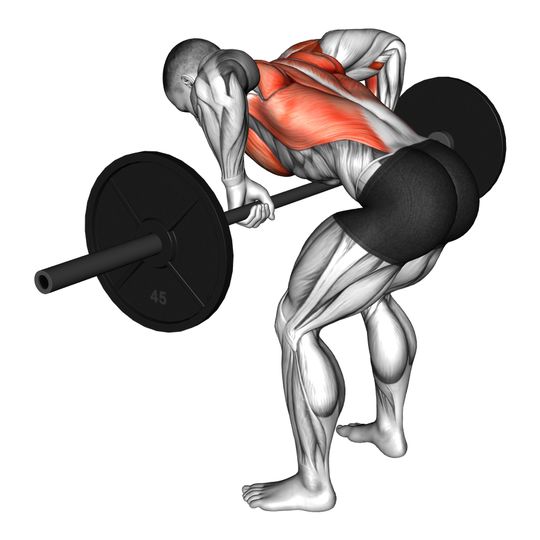 3 × 3–5
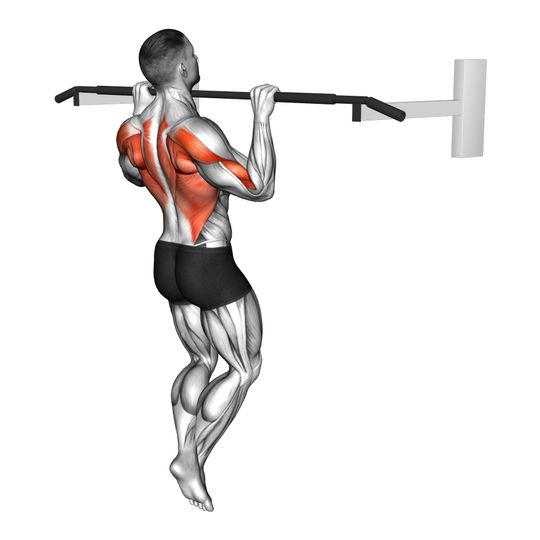 2 × 6–10
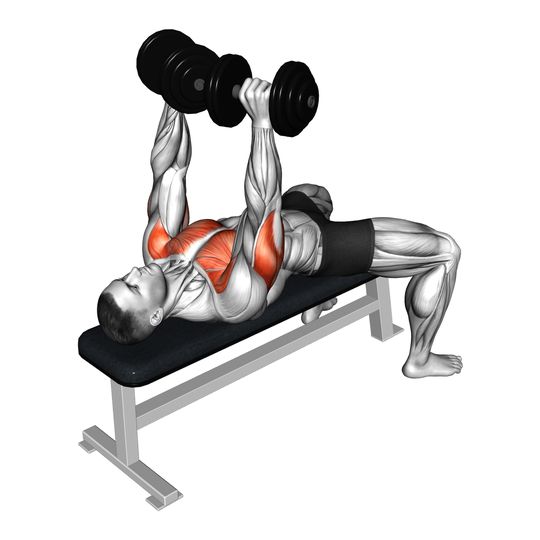 3 × 3–5
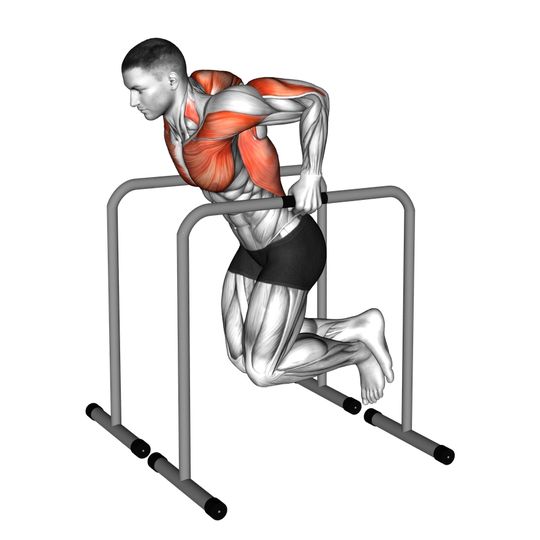 2 × 6–10
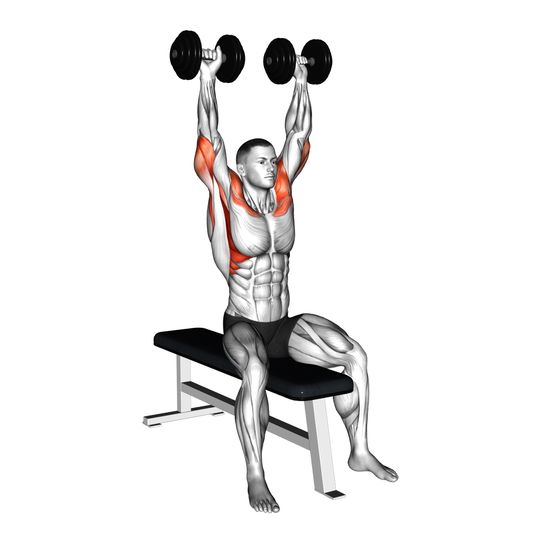 3 × 6–10
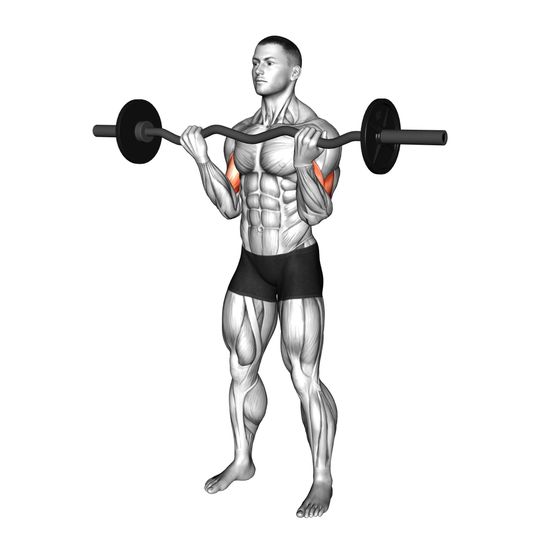 3 × 6–10
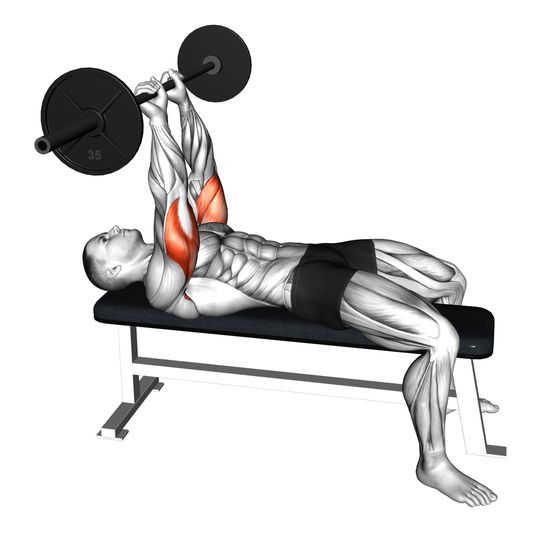 2 × 6–10
Day 2 – Lower power
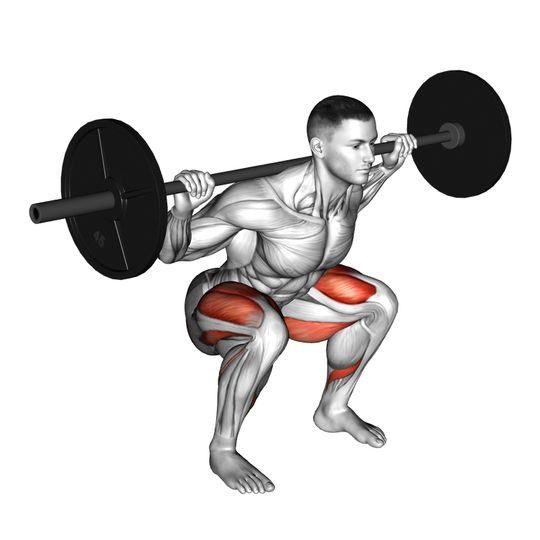 3 × 3–5
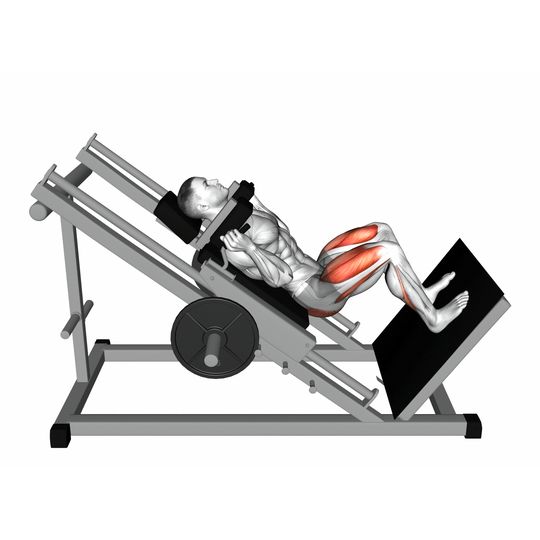 2 × 6–10
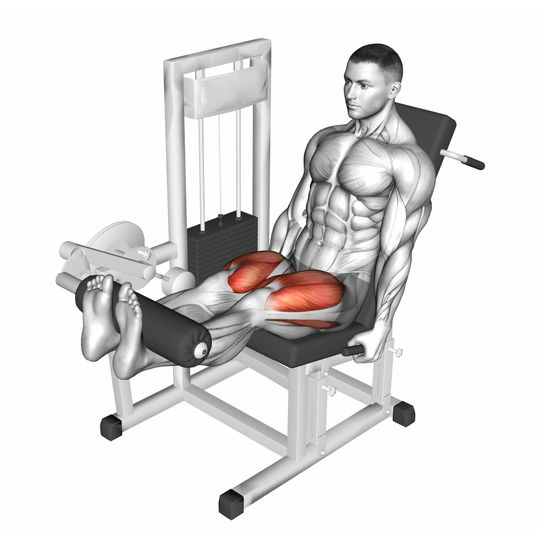 2 × 6–10
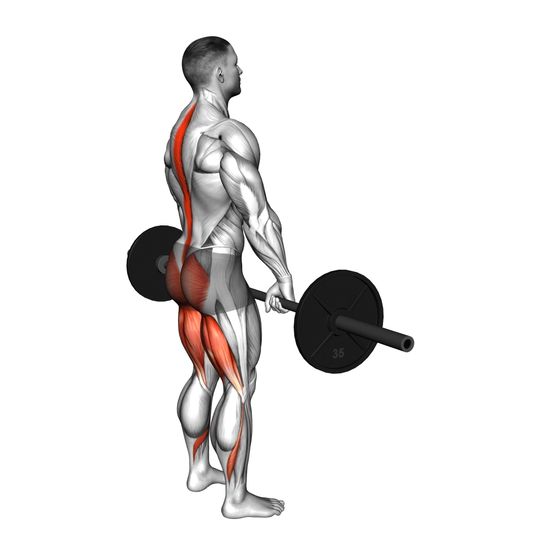 3 × 5–8
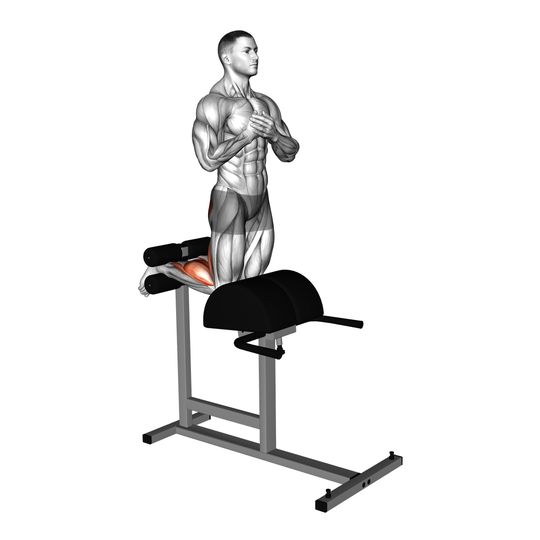 2 × 6–10
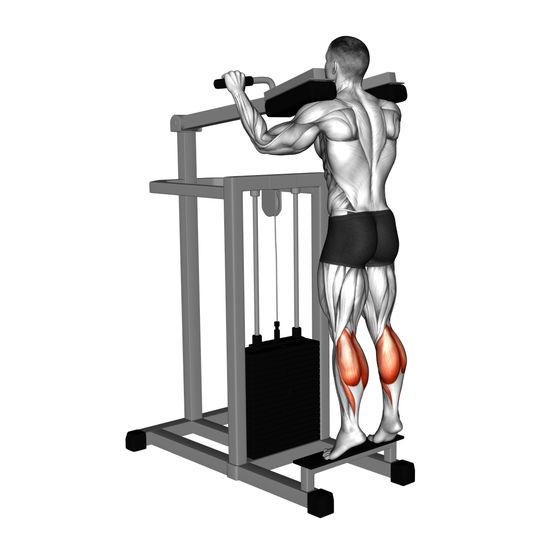 3 × 6–10
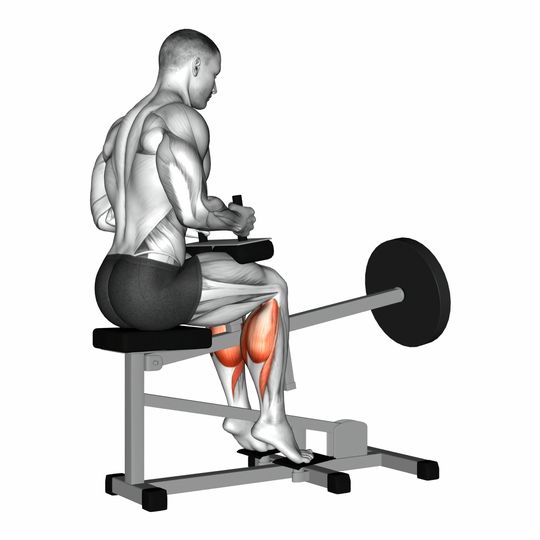 2 × 6–10
Day 3 – Back and shoulders hypertrophy
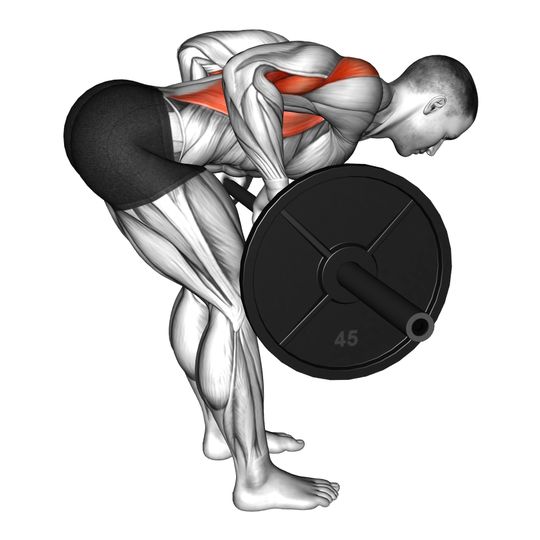 6 × 3
6 × 3- 3 × 8–12
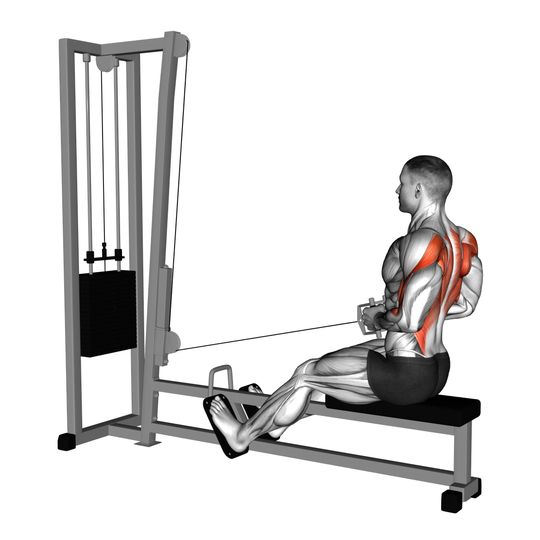 3 × 8–12
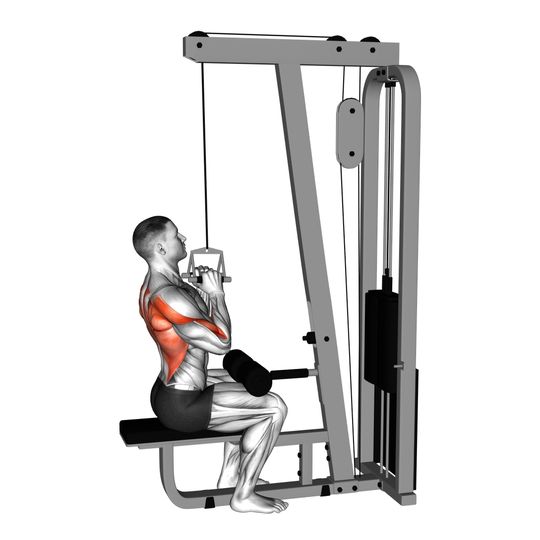 2 × 15–20
- 3 × 8–12
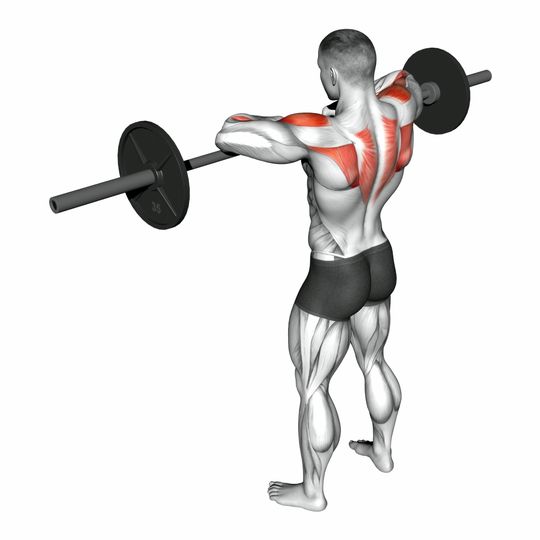 2 × 12–15
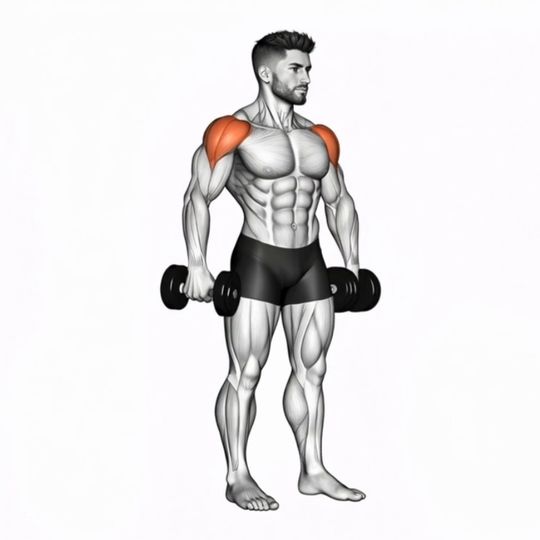 3 × 12–20
Day 4 – Lower hypertrophy
- 6 × 3
- 3 × 8–12
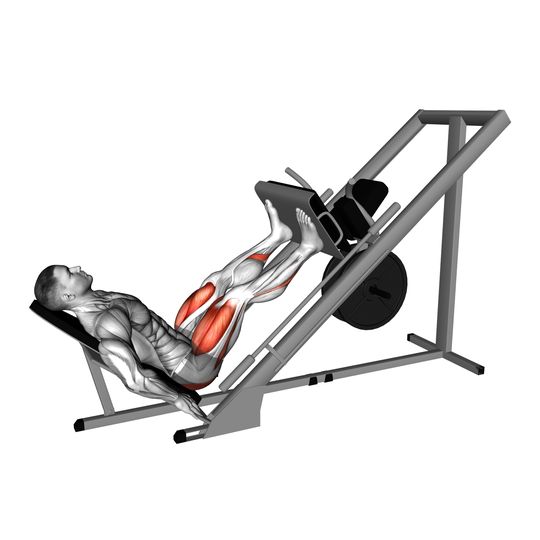 2 × 12–15
- 3 × 15–20
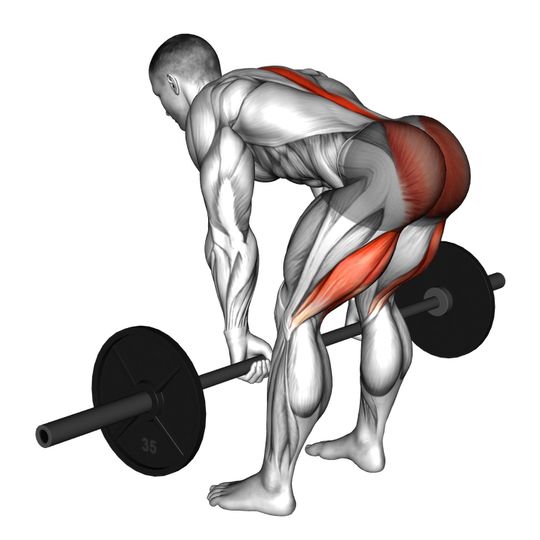 3 × 8–12
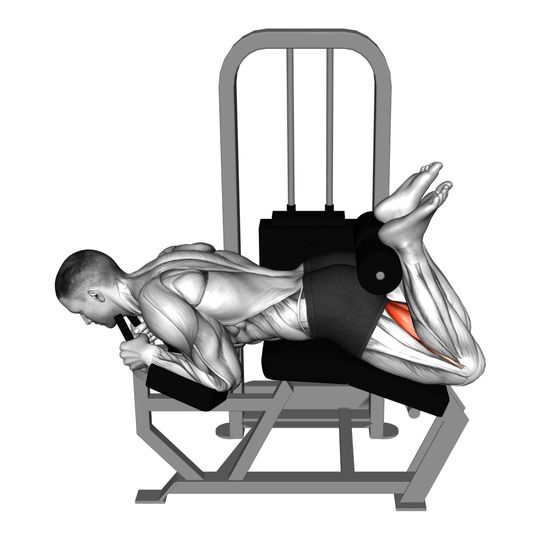 2 × 12–15
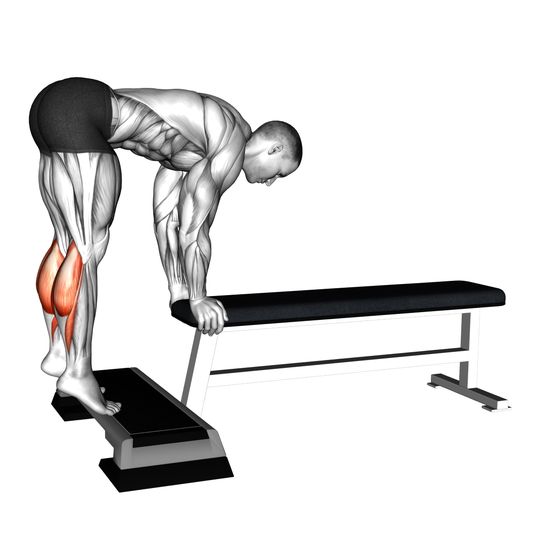 4 × 10–15
Day 5 – Chest and arms hypertrophy
- 6 × 3
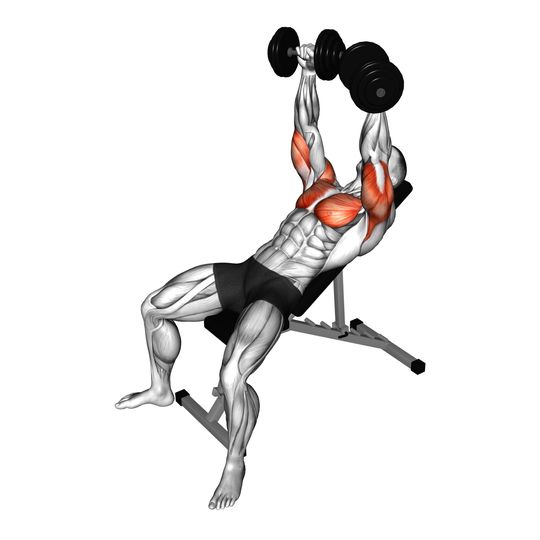 3 × 8–12
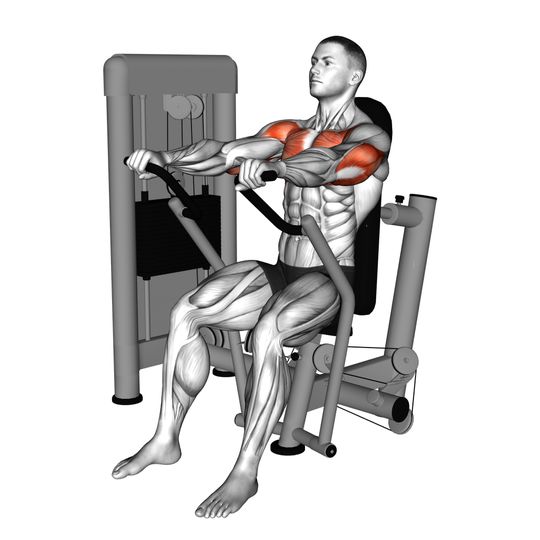 3 × 12–15
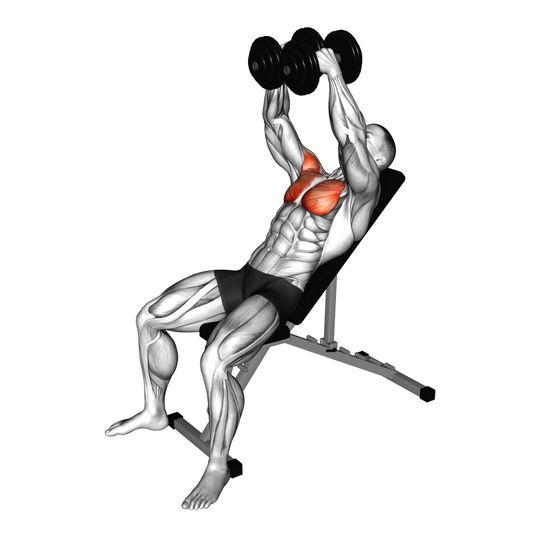 2 × 15–20
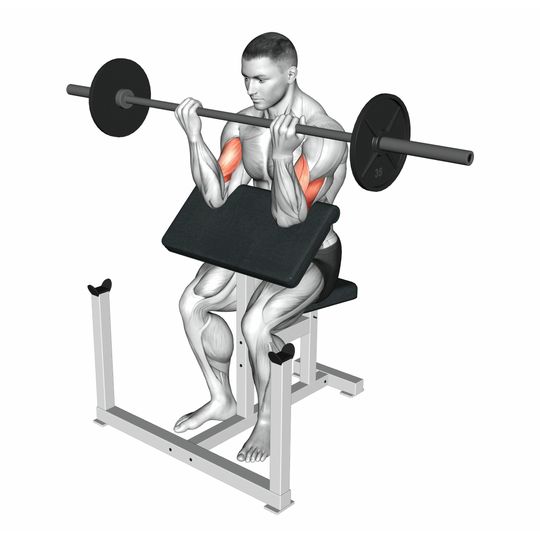 3 × 8–12
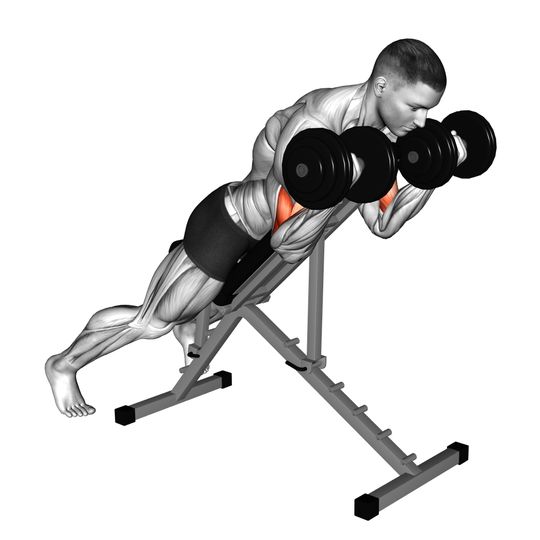 2 × 15–20
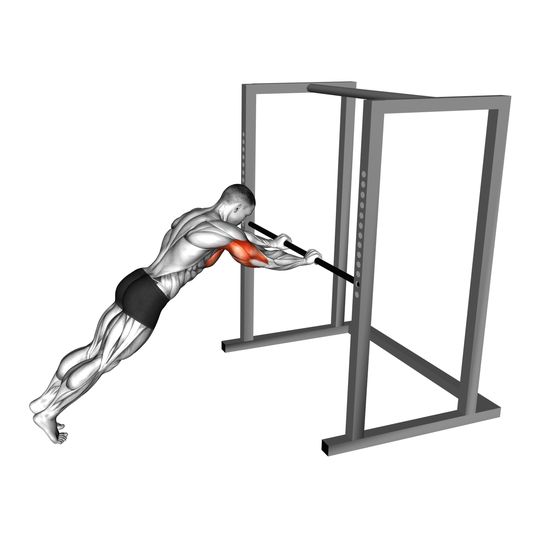 3 × 8–12
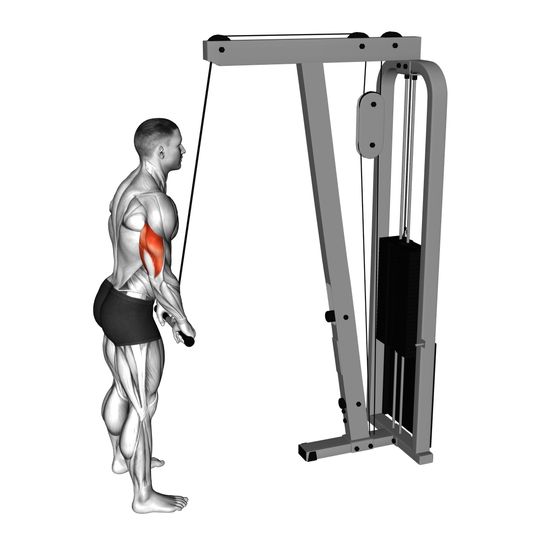 2 × 12–15
These are long sessions — 60 to 90 minutes once you account for the rest periods. Set the five days up as routines in Gript so you are not rebuilding the list from memory on Saturday; the rest timer matters more here than on most programs, because the speed sets only work if the rests stay short.
PHAT vs PHUL#
| PHUL | PHAT | |
|---|---|---|
| Days per week | 4 | 5 |
| Hypertrophy days | 2 (upper/lower) | 3 (body-part style) |
| Speed work | None | 6 × 3 to open each hypertrophy day |
| Weekly volume | Moderate | High |
| Session length | 45–70 minutes | 60–90 minutes |
| Best for | Intermediates on four days | Intermediates with five days and good recovery |
If you are choosing between them, be honest about the fifth day and the session length. Four completed PHUL weeks beat three completed PHAT weeks every time — PHUL is the safer default.
How to progress on PHAT#
Power days drive the program. Add weight when you hit the top of the 3–5 range across all sets, and recalculate your speed-day loads whenever a power lift goes up — the 6 × 3 should always sit near 65–70% of your current working weight, not the weight you used in January.
Hypertrophy accessories run on double progression inside their rep ranges. Because PHAT has so many exercises, progress is easiest to see per lift rather than per session; Gript's performance charts make the trend obvious, and the progressive overload guide explains how to tell a real stall from a bad week.
Common mistakes#
- Treating speed sets as work sets: 6 × 3 is not 18 hard reps. If you are loading 85% and grinding, you have turned Thursday into a second power day and will be flat by Saturday.
- Running it as a beginner: PHAT assumes you already know your 3–5 rep maxes and can recover from five sessions. Start with a 3-day full body program and come back in a year.
- Adding exercises: the template is already at the top end of sensible volume. Check the totals with the training volume calculator before adding anything.
- Ignoring the diet: a five-day, high-volume program on a deep deficit will not go well. PHAT is a maintenance or surplus program.
PHAT asks a lot: five sessions, long ones, and the discipline to keep the speed work light. Give it those things and you get powerlifting frequency on the main lifts with bodybuilding volume around them.