


Two sessions a week is not a compromise programme for people who are not serious. It is the minimum effective dose, and it works: two hard full body sessions per week will build strength and muscle in anyone who is not already advanced. What it will not tolerate is wasted work. This guide covers how to structure two days, two complete routines, realistic expectations, and how to protect the plan when the week goes sideways.
What two days a week can realistically do#
With two well-built full body sessions you can expect to add strength steadily for a year or more, put on muscle at a slower but genuine rate, and hold onto everything you have. What you cannot expect is the accessory volume for detailed physique work — arms, delts, and calves get maintenance doses, not specialisation.
The number that matters is hard sets per muscle per week. Ten to twenty is the productive range for growth; around five to eight will maintain and slowly build for most people. Two sessions can deliver roughly 6–10 sets for the big muscle groups if every set counts, which puts you at the low end of growth territory and well above maintenance.
Why two days means full body#
Split the week into an upper day and a lower day and each muscle gets trained once every seven days. Run full body twice and each muscle gets trained twice, which is the frequency the evidence favours. On two days there is no real argument — full body wins, and the only reason to run upper/lower on two days is a specific reason like a lower-body injury.
| Day | Session |
|---|---|
| Monday | Full body A |
| Tuesday | Rest |
| Wednesday | Rest |
| Thursday | Full body B |
| Friday | Rest |
| Saturday | Rest or optional third session |
| Sunday | Rest |
Aim for three or four days between sessions. Monday and Thursday, or Tuesday and Saturday — anything except two days back to back, which turns your week into one long session followed by five days of nothing.
The two-day routine#
Two days that share the same movement patterns but use different exercises and rep ranges. Day A leans heavy with squat, bench, and row; day B covers the hinge, the overhead press, and the vertical pull. Rest 2–3 minutes on compounds and 60–90 seconds on the rest, and take every set within 1–2 reps of failure. With only two sessions a week, there is no room for easy sets.
Day A
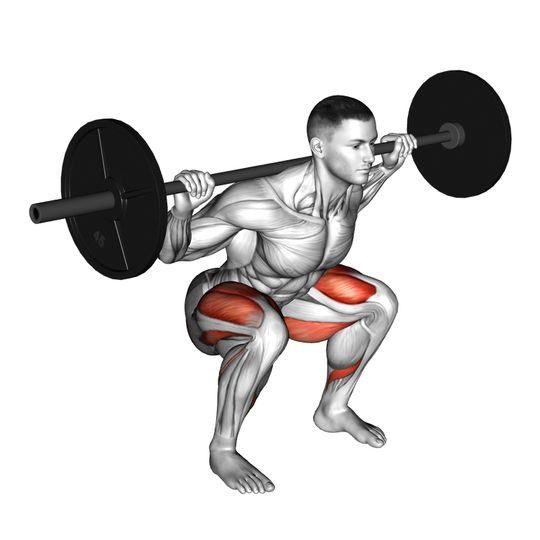 4 × 5–8
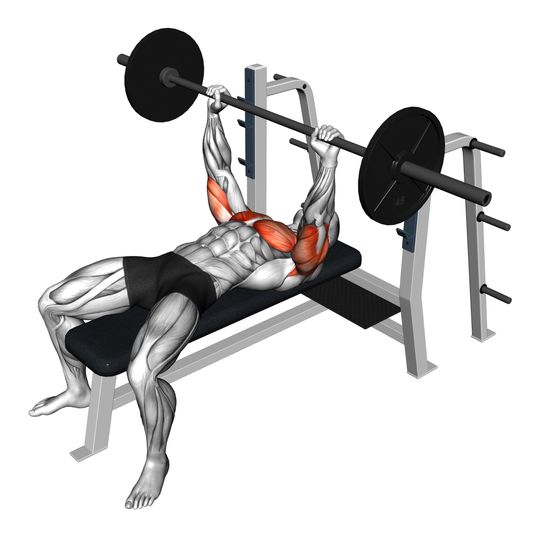 4 × 5–8
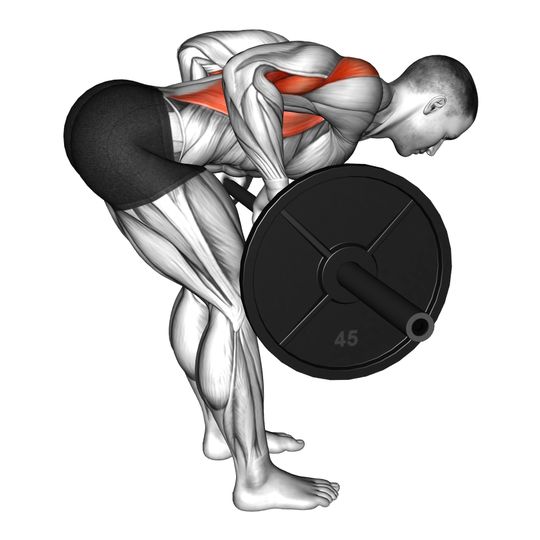 4 × 6–10
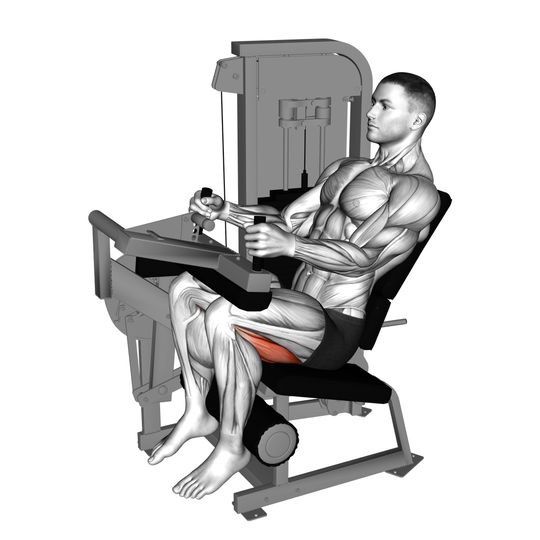 3 × 10–15
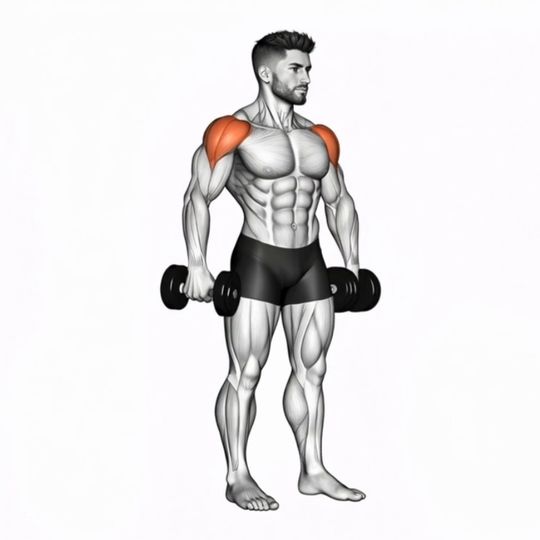 3 × 12–20
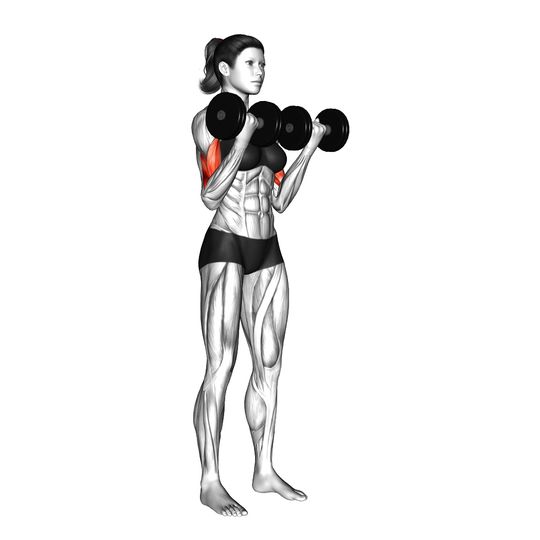 2 × 10–15
Day B
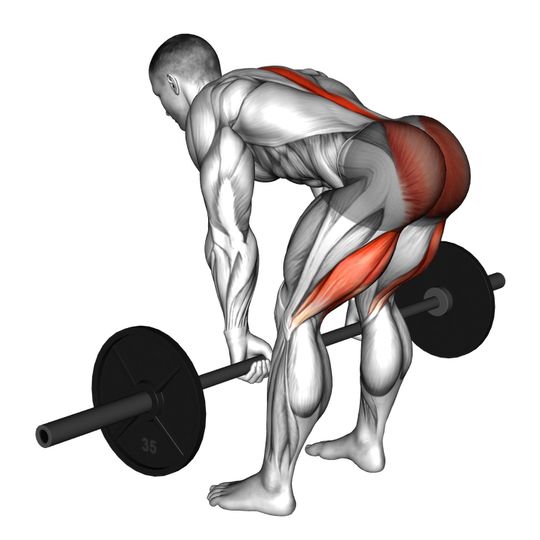 4 × 6–10
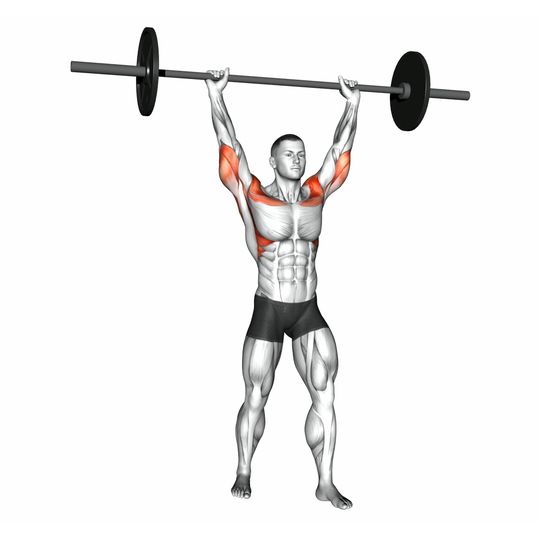 4 × 5–8
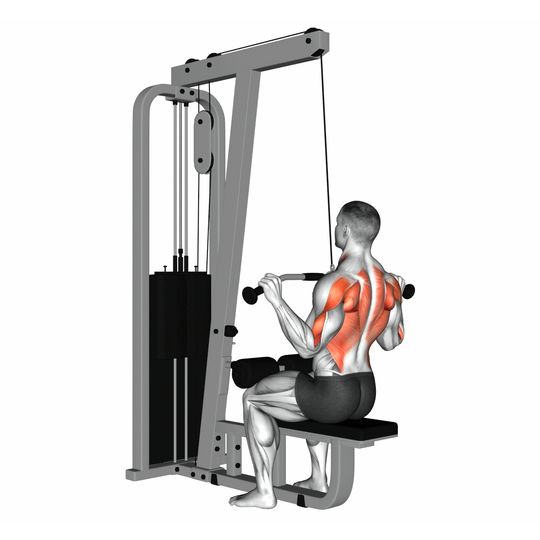 4 × 6–10
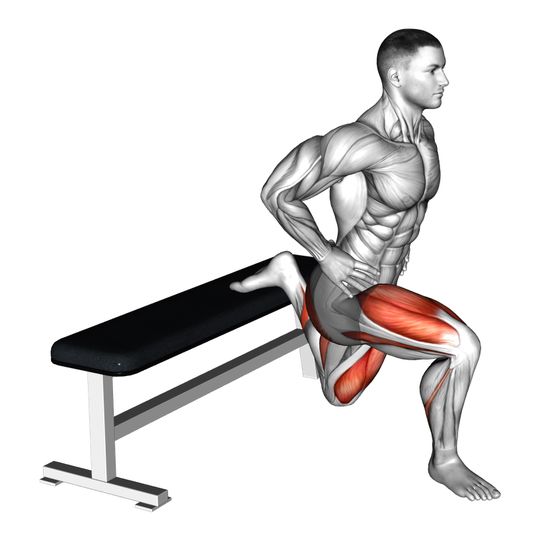 3 × 8–12 per leg
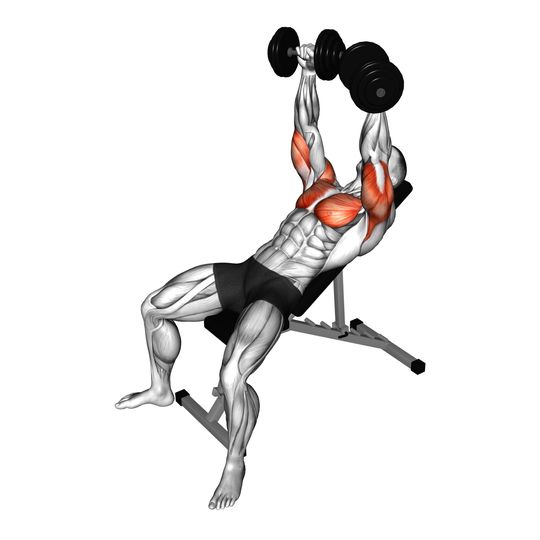 3 × 8–12
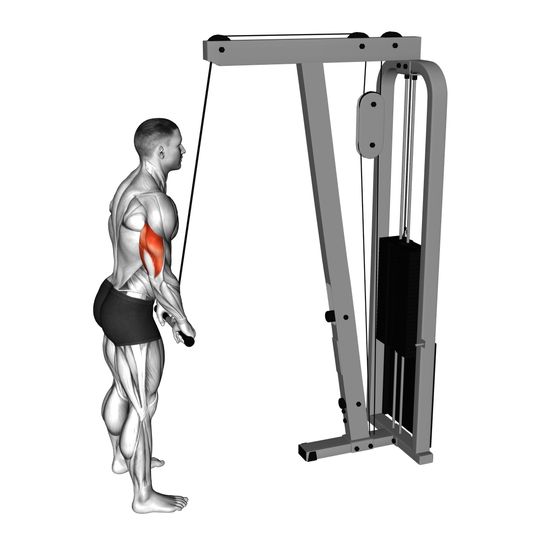 2 × 10–15
Six exercises, around 20 sets, 60–75 minutes including warm-ups. That is the ceiling for a productive session for most people — adding a seventh and eighth exercise mostly adds time. Set both days up as routines in Gript so the whole plan is two taps away; creating a routine takes a minute.
The rules that make two days work#
- Compounds only, or nearly. Every exercise should cover multiple muscles. Two days is not the place for cable kickbacks and wrist curls.
- Every set close to failure. At low weekly volume, effort is what carries the stimulus. One to two reps in reserve, honestly judged — the RPE guide covers how to calibrate that.
- Never skip the first exercise. If you are short on time, cut from the bottom of the list. Squats and presses are the session; curls are the garnish.
- Progress every session. Two sessions a week means about 100 chances a year to beat a number. Waste none of them — progression suggestions tell you what to hit before you start the set.
Making the most of a short week#
If a session runs long, superset the accessory work: curls with triceps pushdowns, lateral raises with leg curls. Non-competing pairs cut ten minutes with no cost to quality. In Gript you can build these as supersets so the app handles the alternating for you.
If you occasionally get a third day, do not build the programme around it. Add an optional short session — 20 minutes of the accessory work the main days cannot fit — and treat it as a bonus. The core two days must stand alone, otherwise a busy fortnight takes the whole plan down.
When to add a third day#
Add a day when two things are true: you have held the two sessions for at least two or three months without missing, and progress on the main lifts has slowed. Then move to a 3-day split, which adds volume without changing the full body logic. Jumping straight from two days to a five-day bro split is how people end up training zero days by week six.
Two days a week, done properly for a year, beats five days a week done for three weeks in January. Keep the sessions short, the effort high, and the log honest.