

Reverse Plank

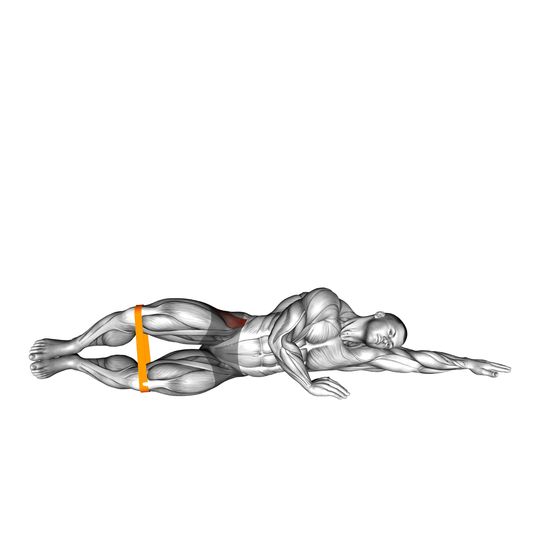
Lift and hold your torso off the floor in a straight line while supporting yourself on your hands and heels to work the back and abdominals.

How to do the Reverse Plank#

  1. Sit with your legs extended and place your hands on the floor behind your hips about shoulder-width apart.
  2. Press through your hands and heels to raise your hips until your body forms a straight line from shoulders to heels.
  3. Engage your core and contract your quads to maintain a rigid position.
  4. Keep your chest lifted toward the ceiling and breathe steadily while holding for the desired time.

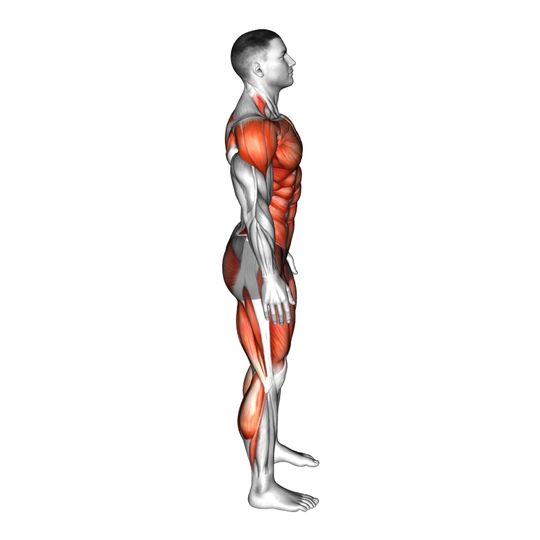
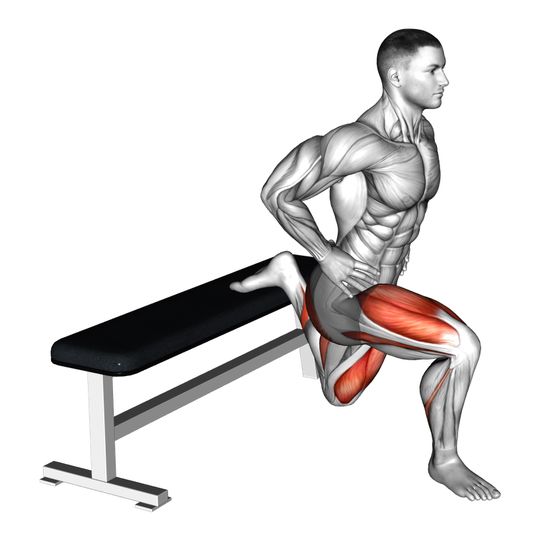
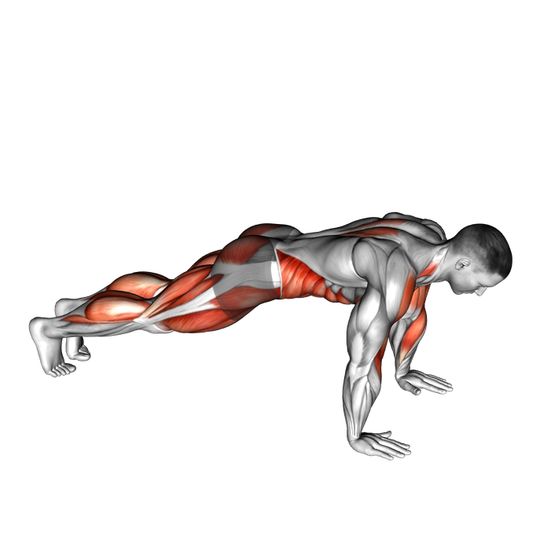
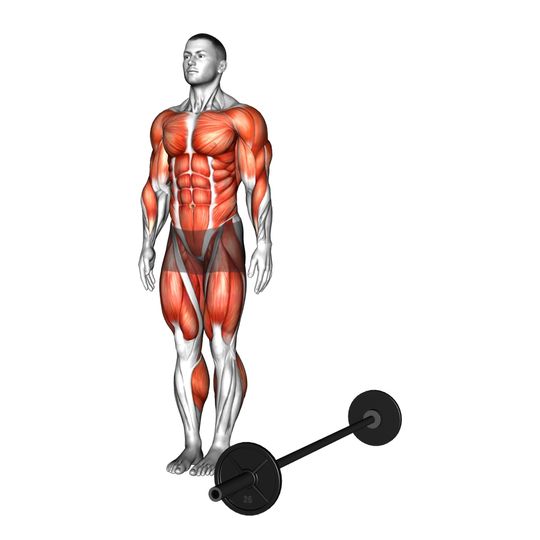
Muscles worked#

Track the Reverse Plank in Gript: your previous sets in view while you train, records detected automatically, and an estimated 1RM chart from every hard set.

Download on the App StoreGet it on Google Play
4.7 average ratingLoved worldwide

You're already in Gript

Everything on this page is also available inside the app — this article opens from Help, and the calculators live under Tools.

Frequently asked questions#

What muscles does the Reverse Plank work?

The Reverse Plank primarily works the glutes, hamstrings, lower back. The abs, rear delts, triceps assist as secondary muscles — they stabilise the movement and take over when the main target fatigues. If you feel it mostly in the abs, rear delts, triceps, lighten the load and slow the lowering phase.

What equipment do I need for the Reverse Plank?

None. The Reverse Plank is a bodyweight exercise, so all you need is enough space to move through the full range of motion.

Is the Reverse Plank suitable for beginners?

Yes. The Reverse Plank is rated beginner: the technique is quick to pick up and forgiving when a rep goes slightly off. Start light and add weight once the form repeats itself without you thinking about it.

What are good alternatives to the Reverse Plank?

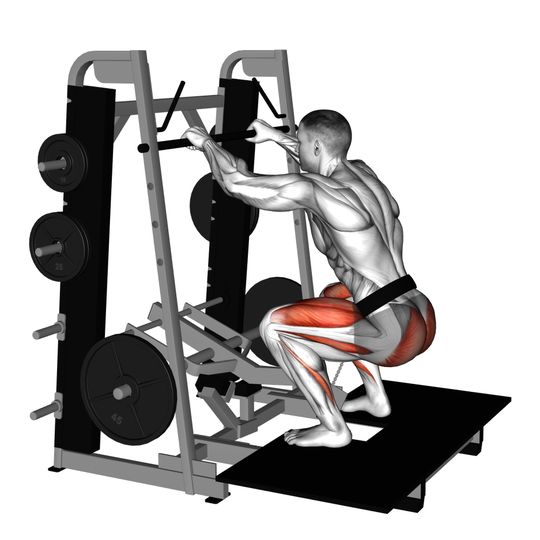
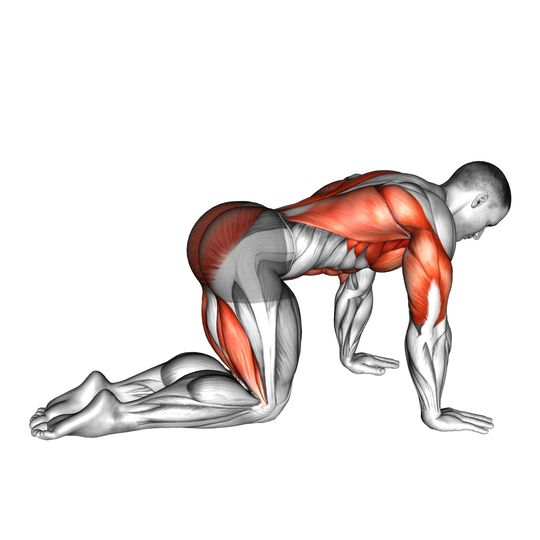
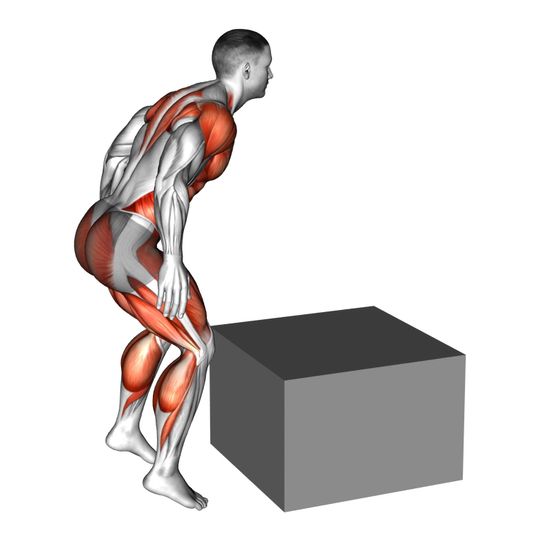
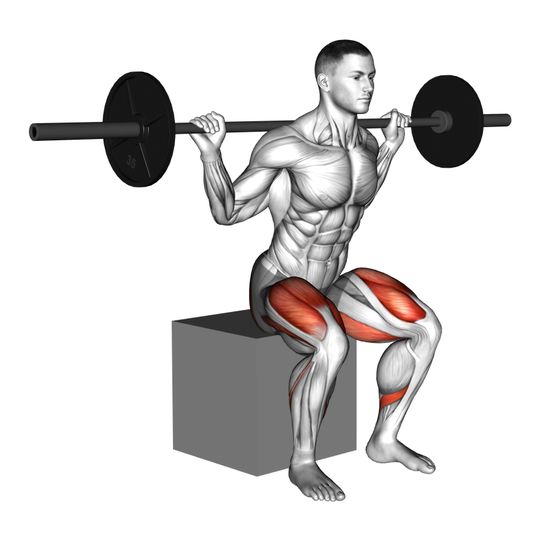
Aerobics, Belt Squat, Bird Dog all train the same primary muscles as the Reverse Plank. Pick whichever one matches the equipment in front of you.