

Skating

Perform lateral plyometric hops that raise your heart rate while engaging the lower body and core.

How to do the Skating#

  1. Stand with feet hip-width and knees slightly bent, weight on the balls of your feet.
  2. Push off one foot and jump laterally, landing softly on the opposite foot in a staggered stance.
  3. Swing your arms across your body to help generate momentum and maintain balance.
  4. Absorb the landing by bending the knee and hip, then immediately push off to the other side.
  5. Keep a quick, rhythmic tempo and controlled landings for continuous movement.

Muscles worked#

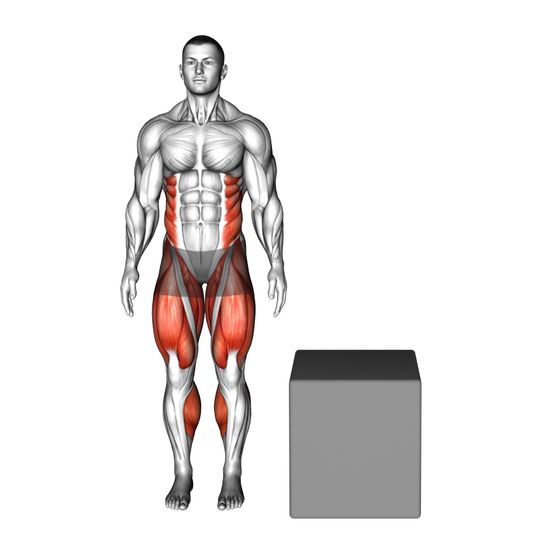
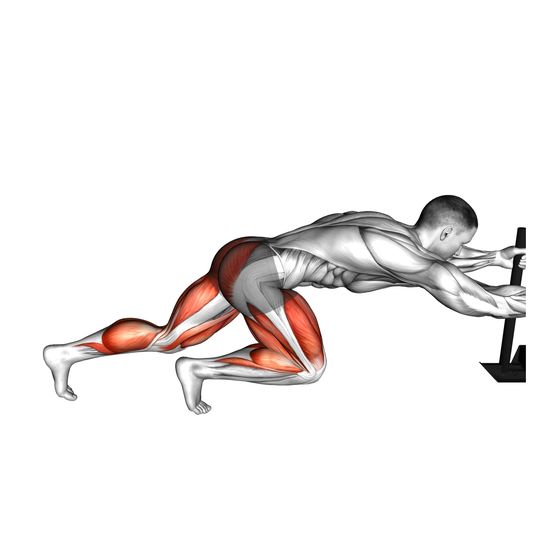
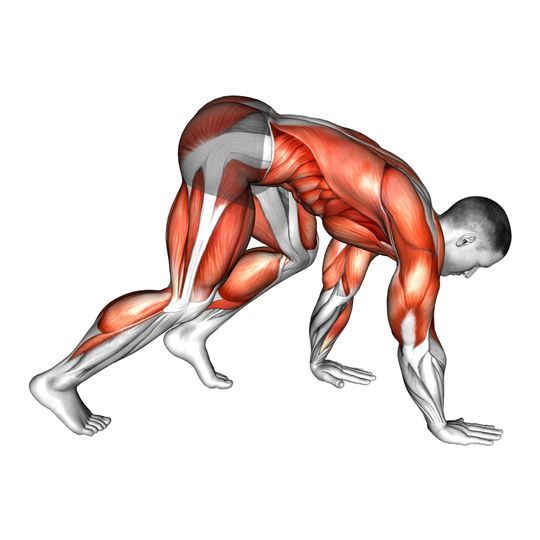
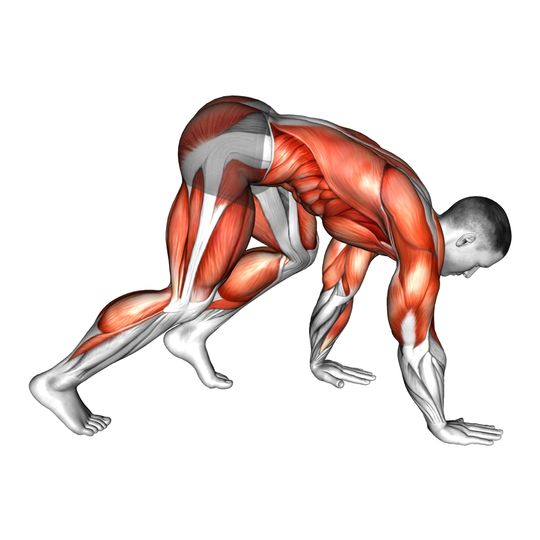
  • Primary: Quads (Quadriceps Femoris), Glutes (Gluteus Maximus), Abductors (Gluteus Medius & Minimus (Hip Abductors))
  • Secondary: Hamstrings (Biceps Femoris, Semitendinosus & Semimembranosus), Adductors (Adductor Magnus, Longus & Brevis (Hip Adductors)), Calves (Gastrocnemius & Soleus), Abs (Rectus Abdominis)

Common mistakes#

Track the Skating in Gript: your previous sets in view while you train, records detected automatically, and an estimated 1RM chart from every hard set.

Download on the App StoreGet it on Google Play
4.7 average ratingLoved worldwide

You're already in Gript

Everything on this page is also available inside the app — this article opens from Help, and the calculators live under Tools.

Frequently asked questions#

What muscles does the Skating work?

The Skating primarily works the quads, glutes, abductors. The hamstrings, adductors, calves, abs assist as secondary muscles — they stabilise the movement and take over when the main target fatigues. If you feel it mostly in the hamstrings, adductors, calves, abs, lighten the load and slow the lowering phase.

What equipment do I need for the Skating?

The Skating needs the following: Other equipment. Nothing beyond that is required to run the movement as described above.

Is the Skating suitable for beginners?

Not as one of your first exercises. The Skating is rated intermediate, so it suits lifters who already have a few months of consistent training behind them. Build the pattern on an easier variation first, then come back to it.

What are good alternatives to the Skating?

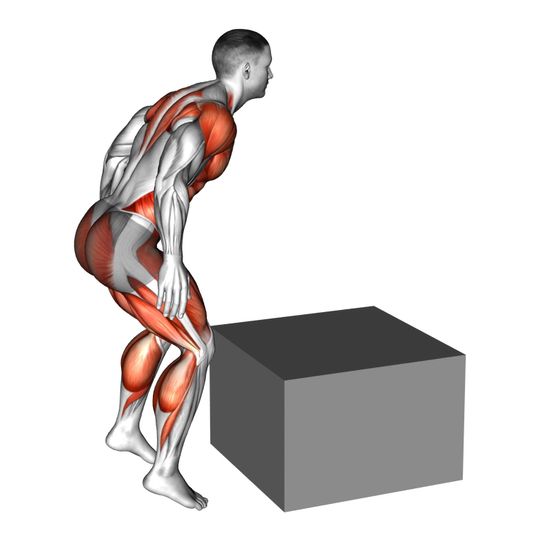
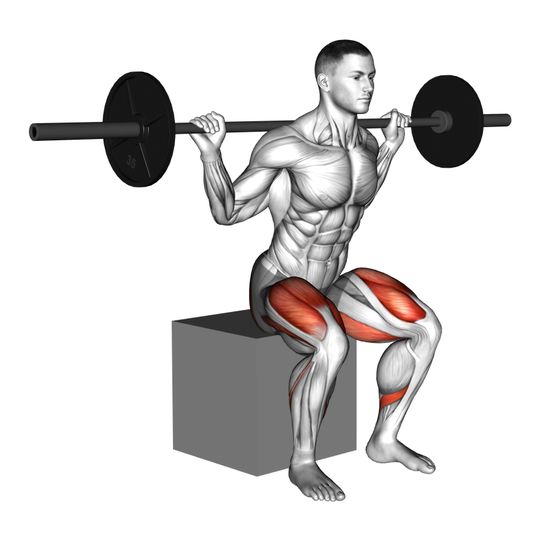
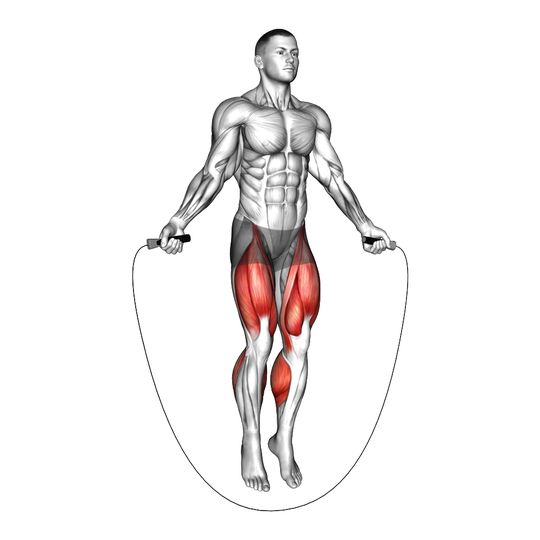
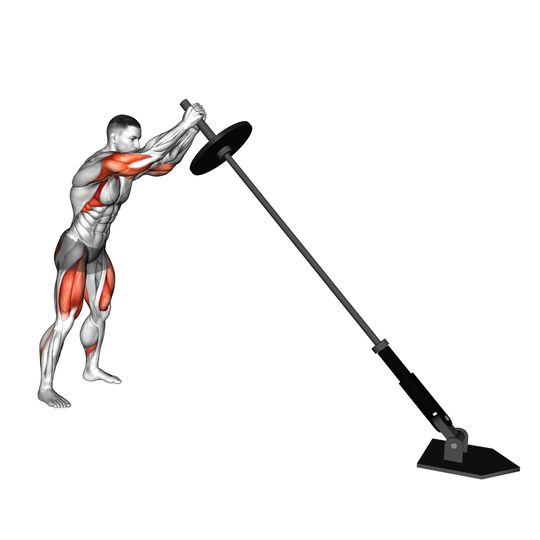
Box Jump, Box Squat, Cycling all train the same primary muscles as the Skating. Pick whichever one matches the equipment in front of you.