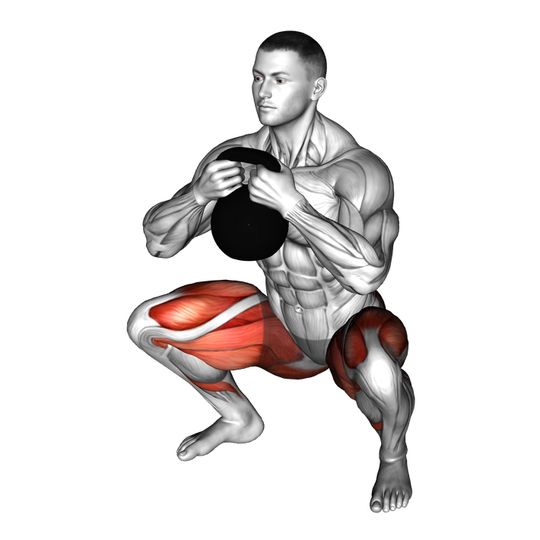


Seated on a leverage adduction machine, bring your thighs together against resistance to work the hip adductors. The motion is a controlled inward squeeze of the legs.
How to do the Hip Adduction Machine#
- Open the leg pads to a comfortable width and set the resistance.
- Sit with your back against the pad and hold the side handles to stabilize your torso.
- Exhale and press your thighs inward, driving the pads together with a controlled contraction.
- Hold briefly at the point of full adduction.
- Inhale and slowly allow the pads to return to the start position with control.
Muscles worked#
The hip adduction machine trains the inner thigh: the adductor longus, brevis and magnus, plus the gracilis and pectineus. These muscles pull the legs together, and the adductor magnus in particular is one of the biggest muscles in the leg, larger than any single hamstring. Almost no other common exercise loads them directly, which is why the machine exists.
There is little secondary involvement. The lower abs brace the pelvis as the pads come together, and the glutes and hamstrings only stabilise. You should feel the squeeze along the inside of the thigh from the groin down toward the knee, and a stretch across the same region when the legs are opened wide at the start of each rep.
- Primary: Adductors (Adductor Magnus, Longus & Brevis (Hip Adductors))
Why it works#
The adductors are a large muscle group most training ignores. Squats and lunges work them somewhat, but only the machine takes them through a full range under load. Training them fills out the inner thigh, and it is a cheap insurance policy for the groin, since adductor strains are among the most common injuries in football, hockey and any sport with cutting or kicking.
Strong adductors also help the lifts you care about more. They assist hip extension out of the bottom of a deep squat and they keep the knees from caving on wide-stance squats and sumo deadlifts. The machine trains them with no balance demand and no spinal load, so it fits at the end of any leg day.
Sets, reps and setup#
Three sets of 12-15 reps, once or twice a week, at the end of a leg session. The adductors respond well to moderate loads and a full range; heavy sets of five with a partial range are not what this machine is for.
- Setup
- Sit with your back against the pad and the pads against the inside of your knees or lower thighs. Open the legs to a comfortable stretch, not the widest the machine allows, then squeeze the legs together under control until the pads meet. Hold for a second and open again over two to three seconds without letting the weight pull you apart.
- Progression
- Increase the weight when you can hold a one-second squeeze at the closed position on every rep. Then widen the starting position gradually as the stretch tolerance improves, add a slow opening phase, or finish sets with short pulses in the closed position. Keep the range pain-free; the groin does not like surprises.
Variations#
- Hip Abduction (Machine) The opposite movement on the same machine, pushing the legs apart to train the outer hip and glutes.
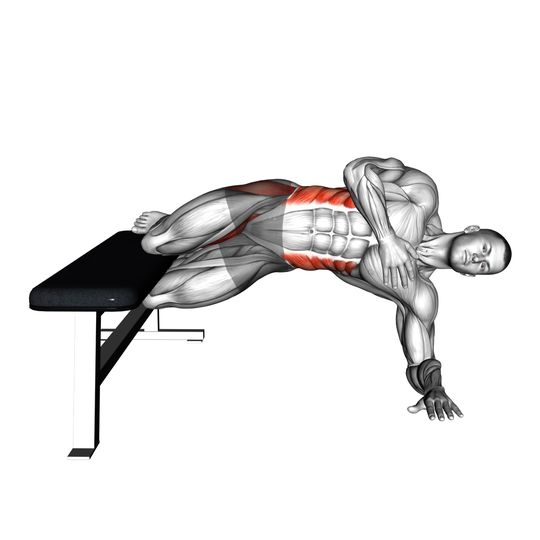
- Copenhagen Plank A side plank with the top leg on a bench that loads the adductors isometrically and is the go-to groin-injury prevention drill.
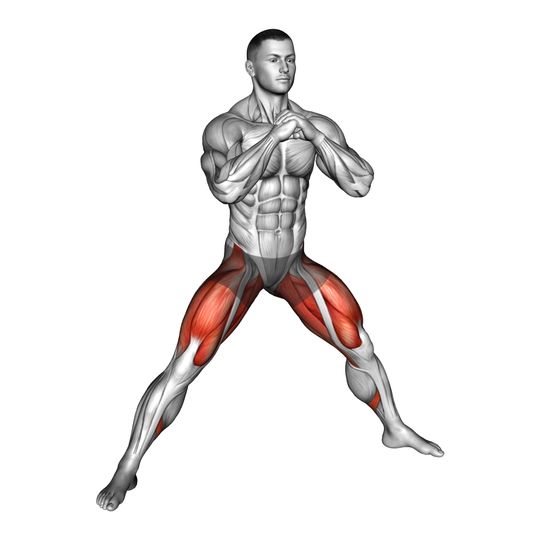
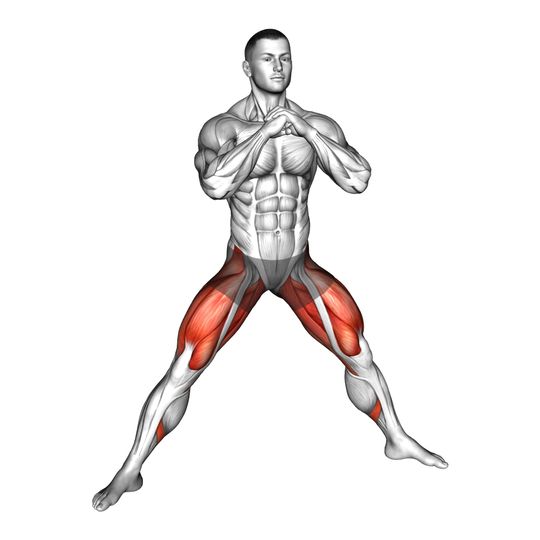
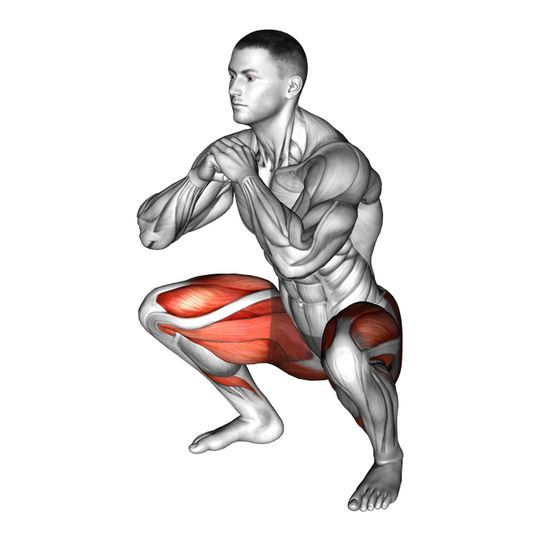
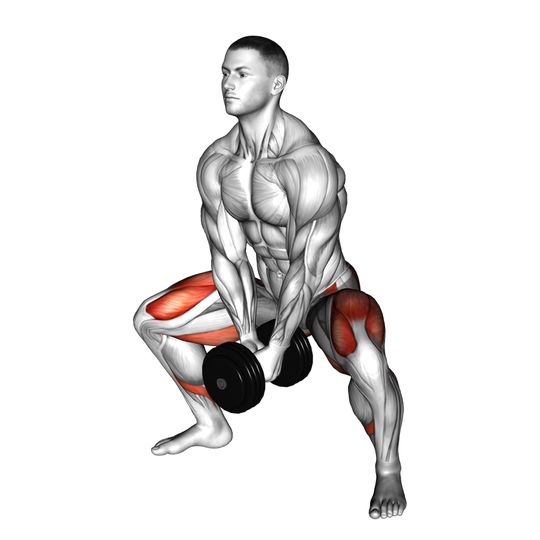
- Sumo Squat (Dumbbell) A wide-stance squat that works the adductors together with the quads and glutes.
- Lateral Lunge A sideways lunge that stretches and loads the inner thigh of the straight leg while the other leg squats.
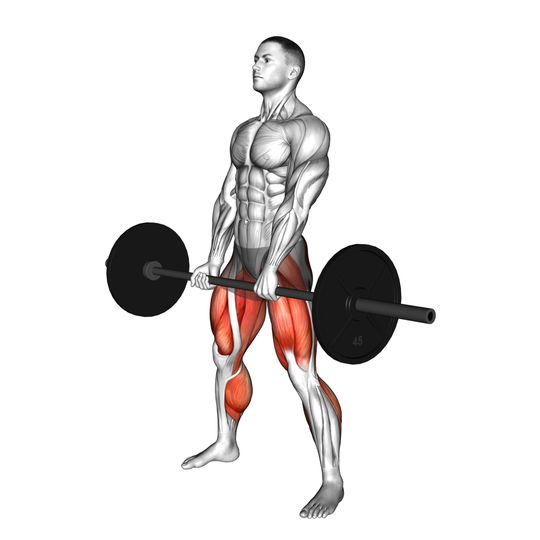
- Sumo Deadlift (Barbell) The wide-stance pull that makes the adductors part of a heavy compound lift.
Hip adduction vs hip abduction#
The two machines look alike and train opposite muscles. Adduction squeezes the legs together and works the inner thigh; abduction pushes the legs apart and works the gluteus medius and minimus on the outer hip. Neither replaces the other, and doing both keeps the hip balanced.
If you only have time for one, pick based on what you are missing. Lifters who squat and lunge a lot already train the adductors somewhat and often benefit more from abduction work for the glute medius. Athletes in kicking or cutting sports, and anyone with a history of groin strains, should prioritise adduction. Most people are best served alternating the two at the end of leg day.
Common questions#
What muscles does the hip adduction machine work?
The adductor group of the inner thigh: adductor magnus, longus and brevis, plus the gracilis and pectineus. The lower abs brace the pelvis and the glutes stabilise, but the inner thigh does all the moving.
Does the hip adduction machine slim the inner thighs?
It strengthens and builds the adductors, and it does not burn fat from the area specifically. Body fat comes off according to your overall energy balance, not the muscle you train. What the machine gives you is a firmer, stronger inner thigh under whatever fat is there.
Should I lean forward on the adduction machine?
Sit upright against the back pad. Leaning forward is popular on the abduction machine to shift emphasis toward the glutes, but on adduction it only rounds the lower back and does not change what the inner thigh is doing. Keep the torso still and let the legs do the work.
How wide should I open my legs?
To a firm but comfortable stretch, not the machine's maximum. The adductors are easy to strain when loaded at their longest length, so pick a start position you can control on the first rep and widen it over weeks as the stretch feels easier.
Is the adduction machine good for preventing groin injuries?
Yes, as part of the picture. Direct adductor strength is protective, and the machine is the simplest way to build it. Pair it with the Copenhagen plank, which trains the same muscles in the isometric, lengthened position that sports actually stress.