


Muscle does not respond to training differently based on sex. The same principles apply: hard sets close to failure, loads that climb over time, each muscle trained about twice a week. What does differ is what most women want out of a program — usually more glute and hamstring development than a standard template provides, and rarely a dedicated arm day. This guide covers three splits built around that priority, with complete routines and no watered-down programming.
What actually changes, and what does not#
Start with what does not change. Rep ranges are the same — 5–8 for strength, 8–15 for hypertrophy, 15–20 for isolation work. Progressive overload is the same. Barbells are the same. There is no lighter-weights-higher-reps version of muscle growth, and training legs hard does not produce a bulky physique by accident; that outcome takes years of deliberate surplus eating.
Three things are genuinely worth adjusting:
- Lower body emphasis: if glutes, hamstrings and quads are the priority, the split should give them two dedicated sessions plus accessory work — not one leg day out of five.
- Upper body distribution: most women want back and shoulder development for posture and shape more than a bigger bench. Reallocate the pressing volume rather than adding sessions.
- Fatigue recovery between sets: women tend to recover slightly faster between sets and fatigue less on submaximal loads, which means you can often handle a set or two more per exercise, or shorter rests on isolation work, than a generic template assumes.
That is the whole list. Everything else is programming, and the programming is the same as it is for anyone else.
Option 1: 3-day full body (beginner)#
The best starting point, full stop. Three sessions a week, every muscle trained three times, and the main lifts practised often enough that technique and load improve quickly. Add glute work to every session rather than saving it for one day.
| Day | Session |
|---|---|
| Monday | Full body A |
| Tuesday | Rest |
| Wednesday | Full body B |
| Thursday | Rest |
| Friday | Full body A (or B) |
| Saturday | Rest |
| Sunday | Rest |
Alternate A and B across the week and keep going — week two starts with B. Rest 2–3 minutes on compounds and 60–90 seconds on isolation work. Leave 1–3 reps in reserve; the last set of an isolation exercise can go to failure. The warm-up calculator lays out the jumps to your first working weight.
Full body A
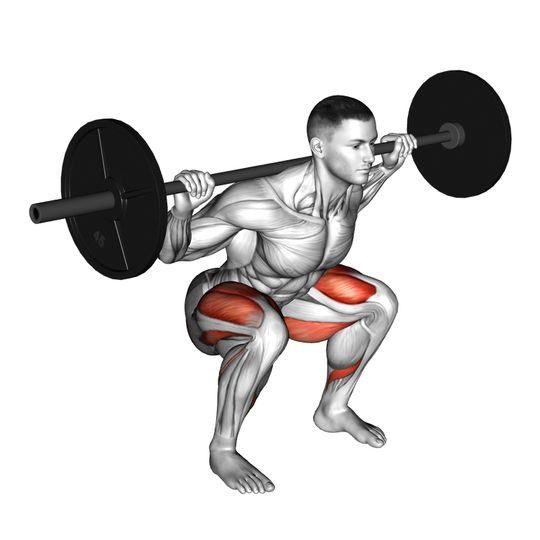 3 × 5–8
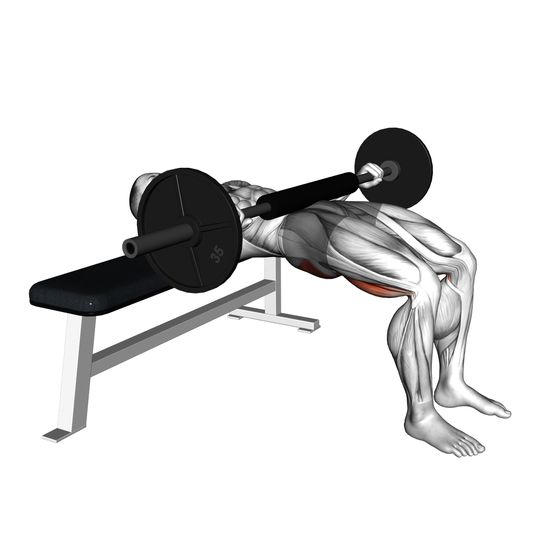 3 × 8–12
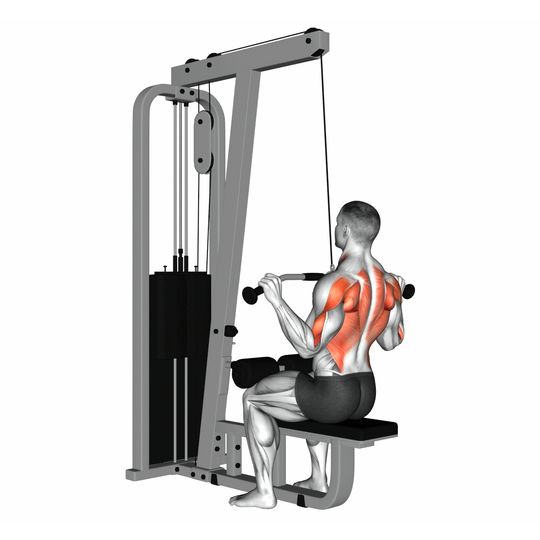 3 × 8–12
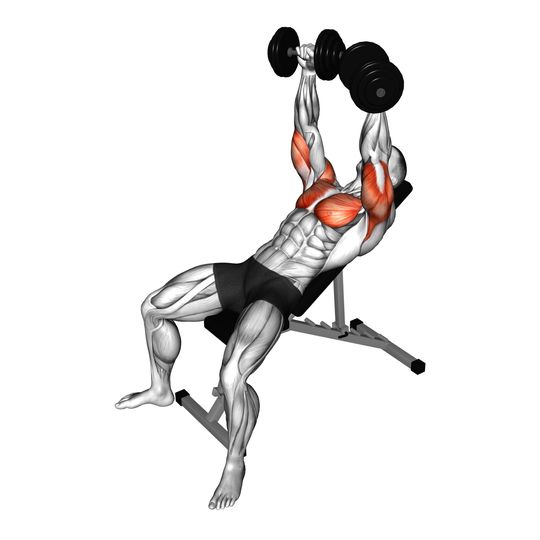 3 × 8–12
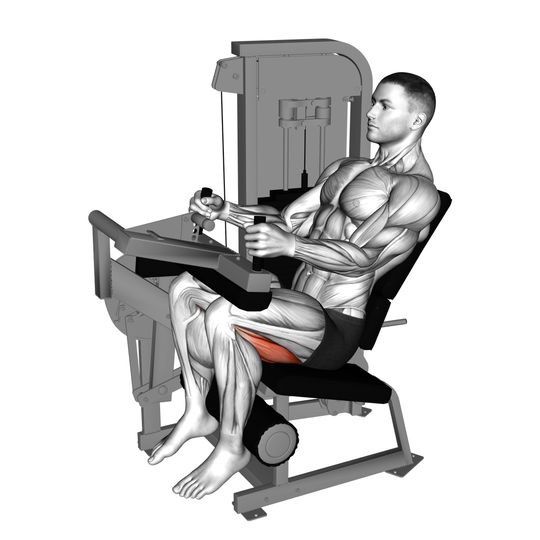 3 × 10–15
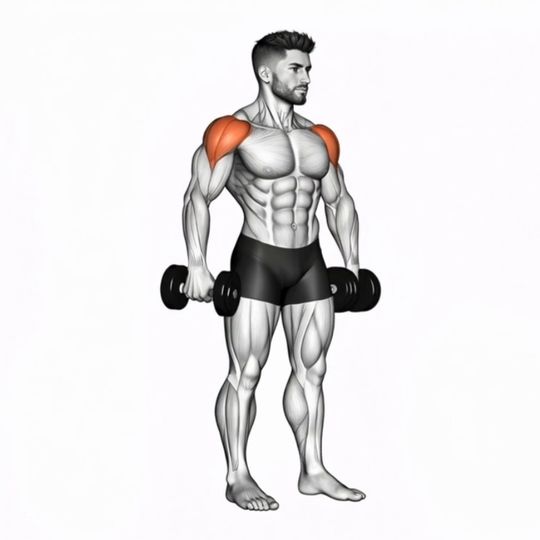 2 × 12–20
Full body B
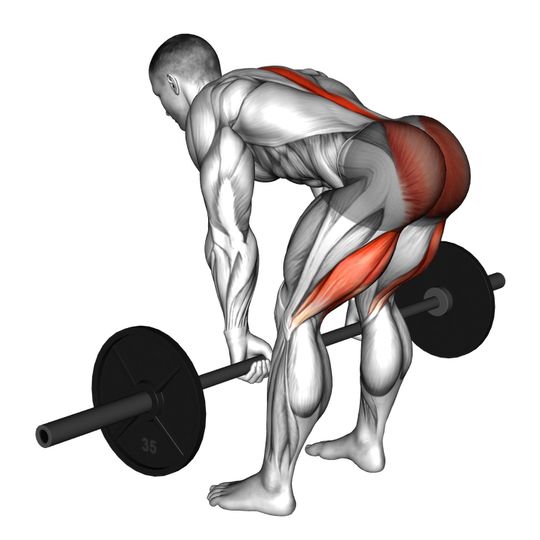 3 × 6–10
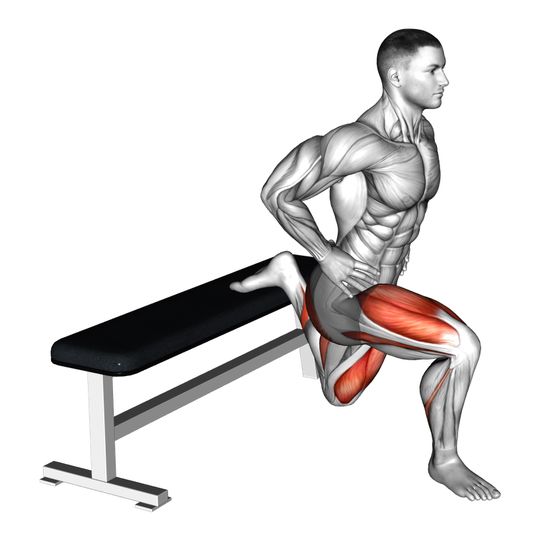 3 × 8–12 per leg
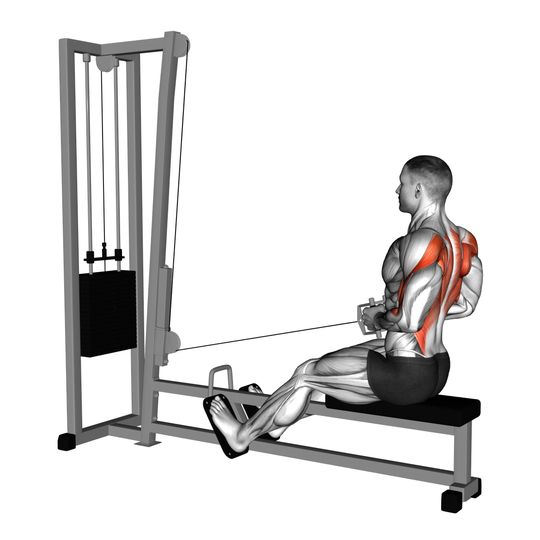 3 × 8–12
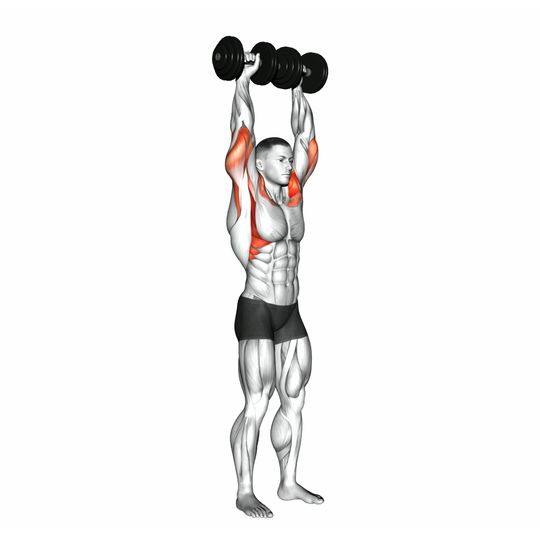 3 × 8–12
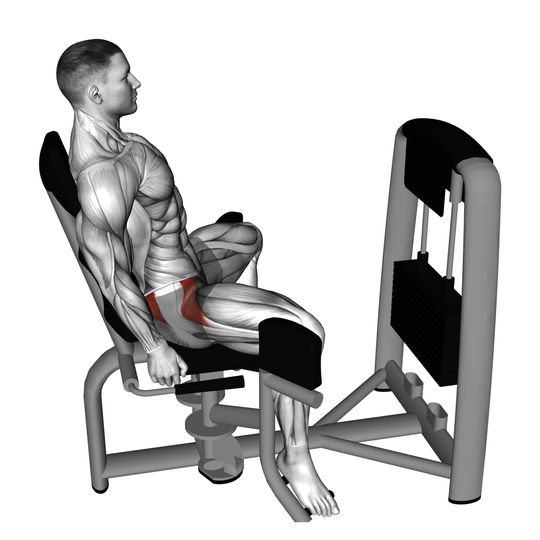 3 × 15–20
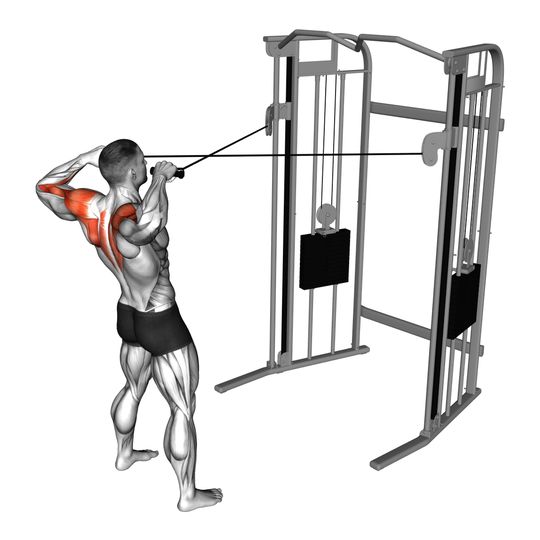 2 × 15–20
Option 2: 4-day upper / lower with lower body emphasis#
The best all-round choice once you have six months of training behind you. Two lower days, two upper days, every muscle twice a week — but the lower days are longer and the upper days trimmed, which is the whole adjustment. The first lower day is squat-led, the second is hip-hinge and glute-led, so quads and posterior chain each get a session where they are the priority.
| Day | Session |
|---|---|
| Monday | Lower A (squat focus) |
| Tuesday | Upper A |
| Wednesday | Rest |
| Thursday | Lower B (glute and hamstring focus) |
| Friday | Upper B |
| Saturday | Rest |
| Sunday | Rest |
Lower A – squat focus
- 4 × 5–8
- 4 × 8–12
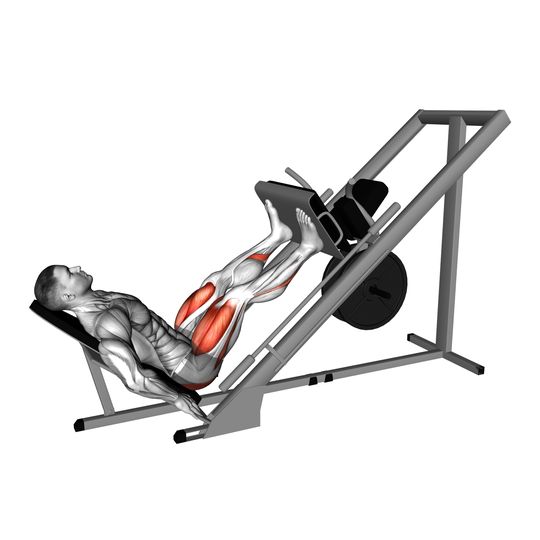 3 × 10–15
- 3 × 10–15
- 3 × 15–20
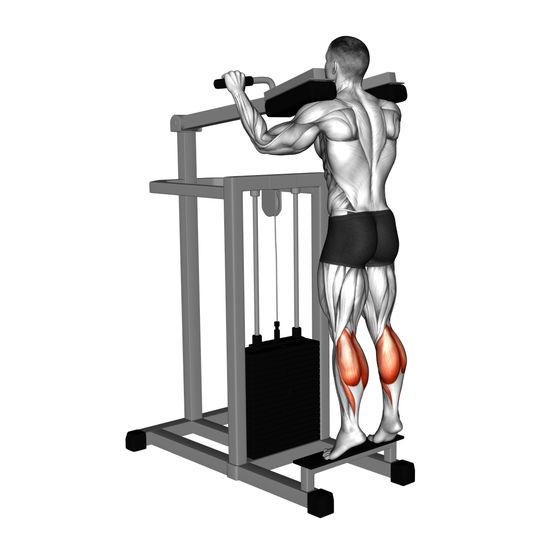 3 × 12–20
Upper A
- 4 × 8–12
- 3 × 8–12
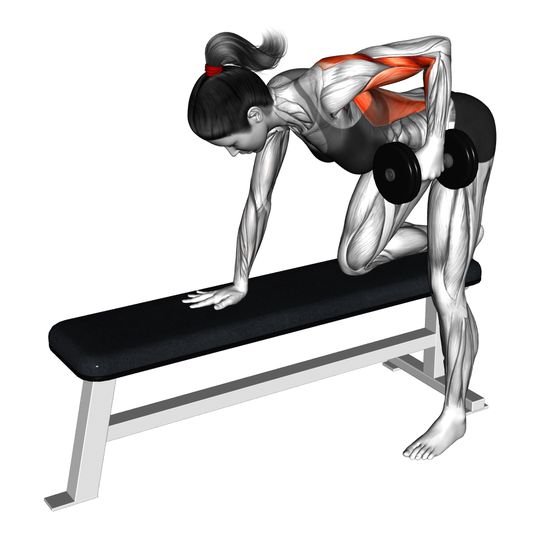 3 × 8–12
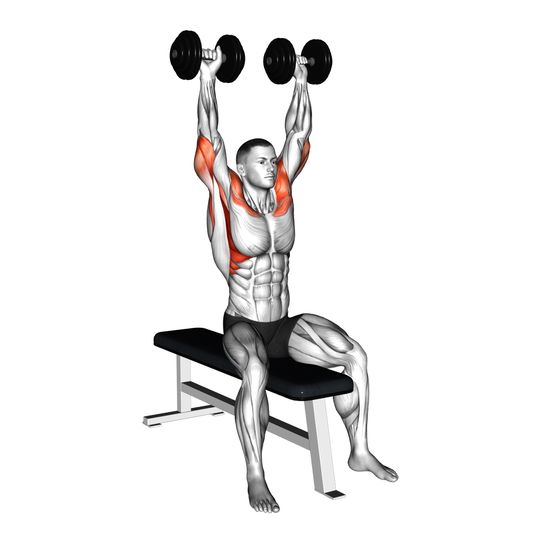 3 × 8–12
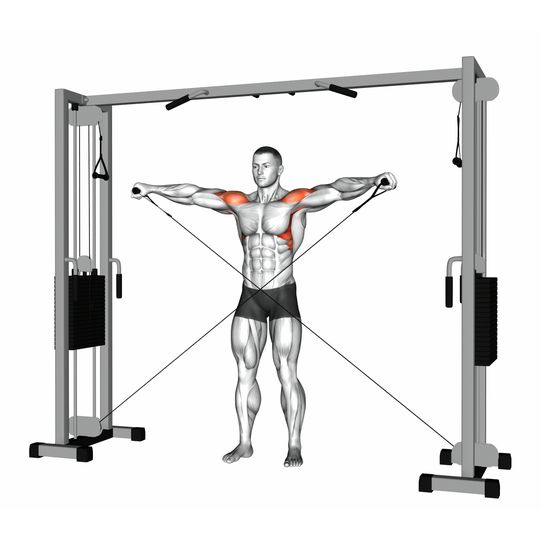 3 × 12–20
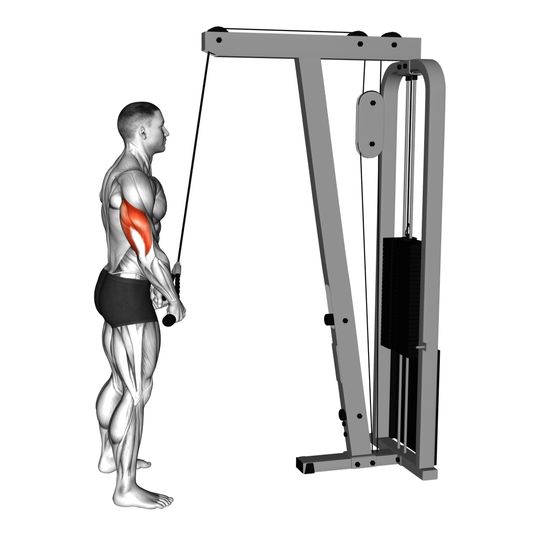 2 × 12–20
Lower B – glute and hamstring focus
- 4 × 6–10
- 3 × 8–12 per leg
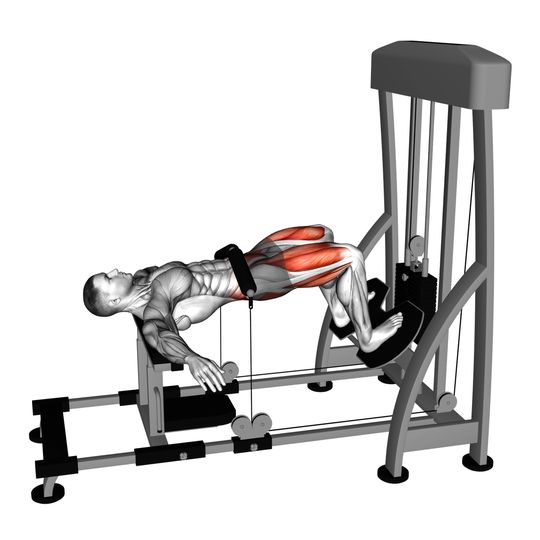 3 × 10–15
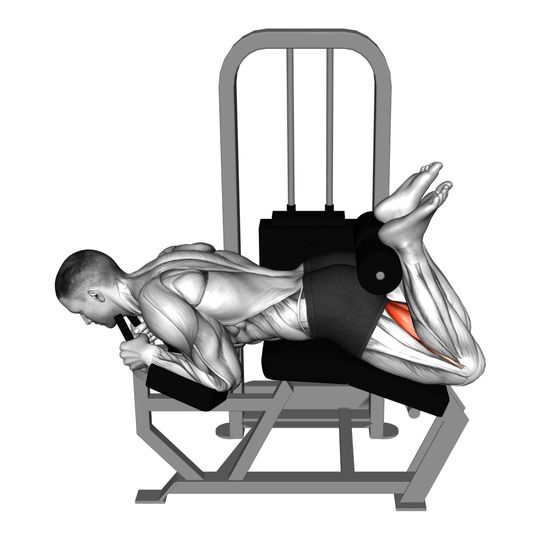 3 × 12–15
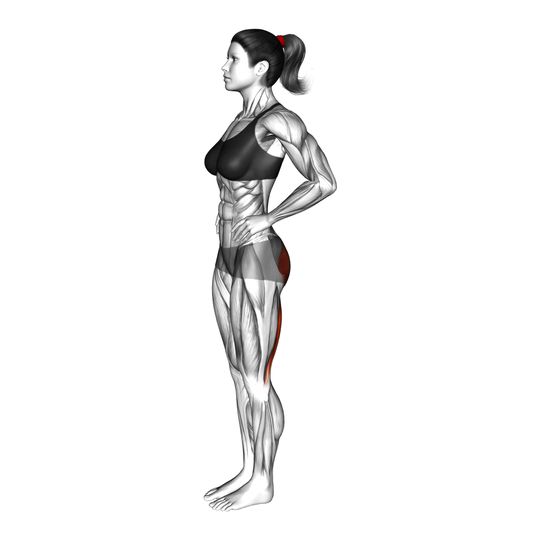 3 × 15–20 per leg
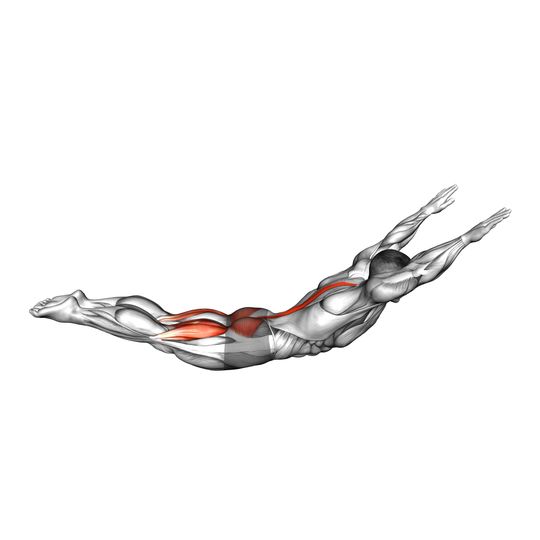 3 × 12–20
Upper B
- 4 × 10–15
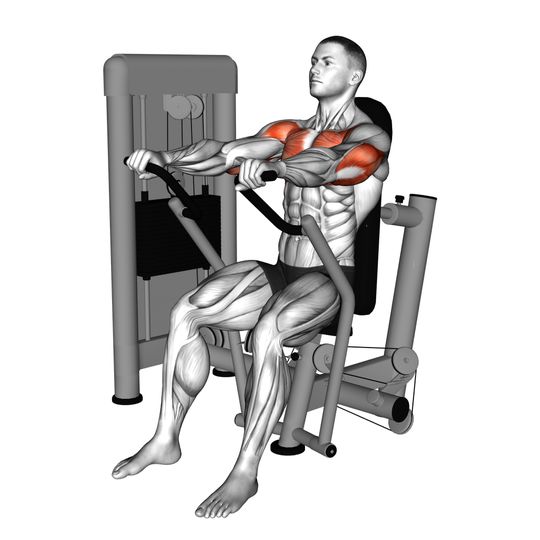 3 × 10–15
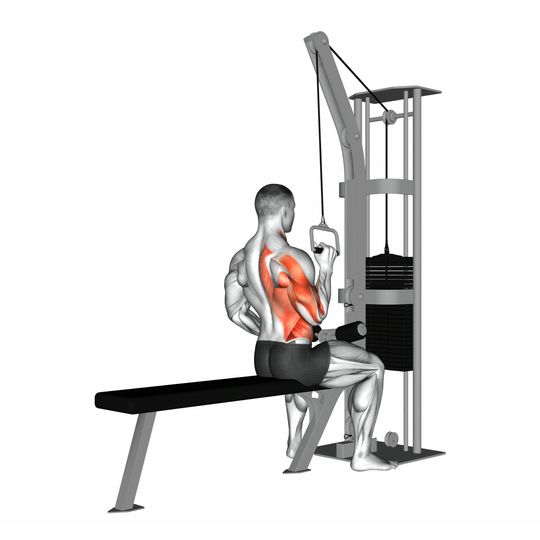 3 × 10–15
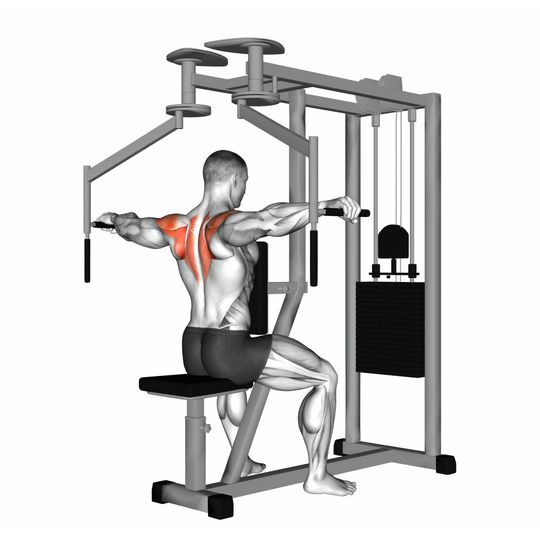 3 × 15–20
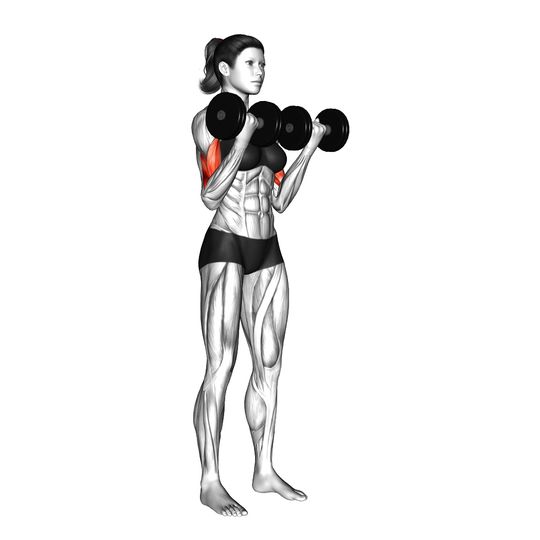 2 × 12–20
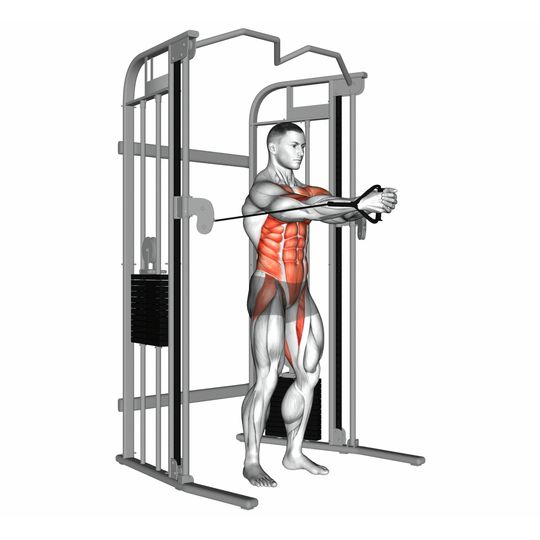 3 × 10–12 per side
Option 3: 5-day PPL with a glute day#
For lifters who want more volume and can commit to five sessions. It borrows the push pull legs structure but splits legs into two distinct days: one quad-led, one glute-led. Everything gets trained twice a week except the dedicated glute work, which effectively gets three exposures.
| Day | Session |
|---|---|
| Monday | Lower (quad focus) |
| Tuesday | Pull |
| Wednesday | Glutes and hamstrings |
| Thursday | Rest |
| Friday | Push |
| Saturday | Lower (full) |
| Sunday | Rest |
Glutes and hamstrings
- 4 × 8–12
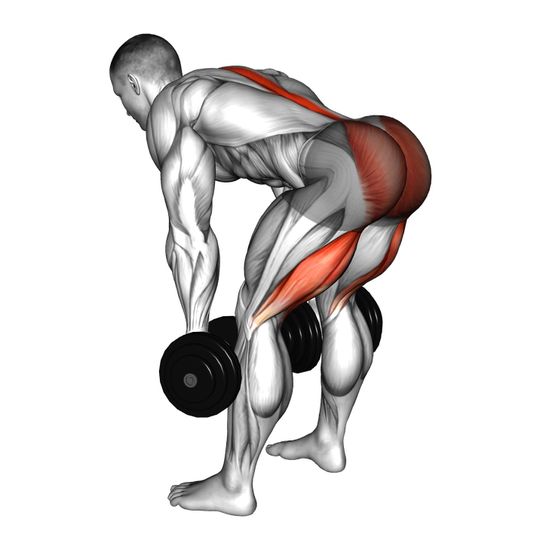 4 × 10–15
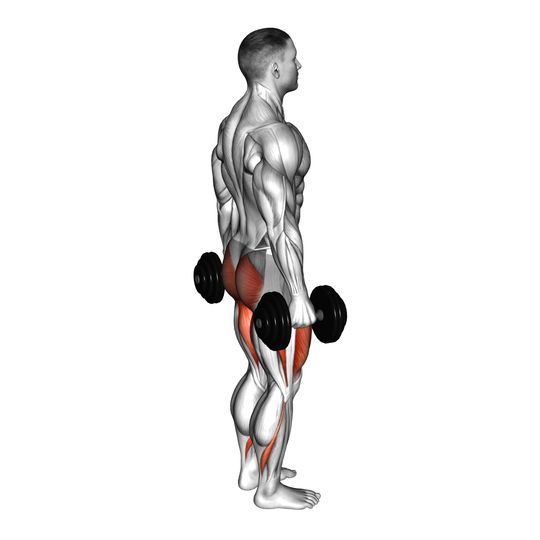 3 × 10–12 per leg
- 4 × 12–15
- 4 × 15–20
- 3 × 12–15 per leg
Pull
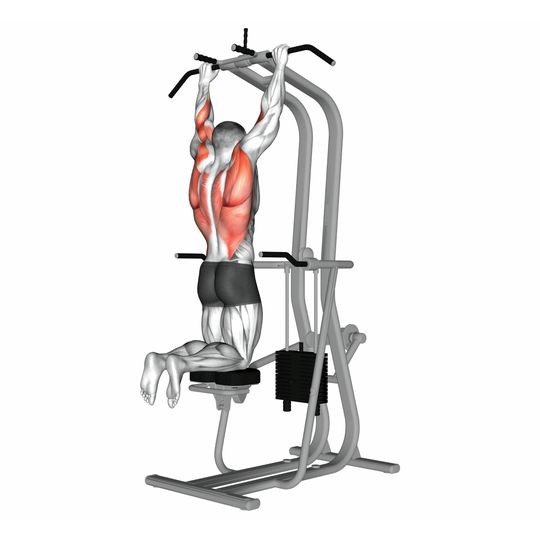 4 × 5–10
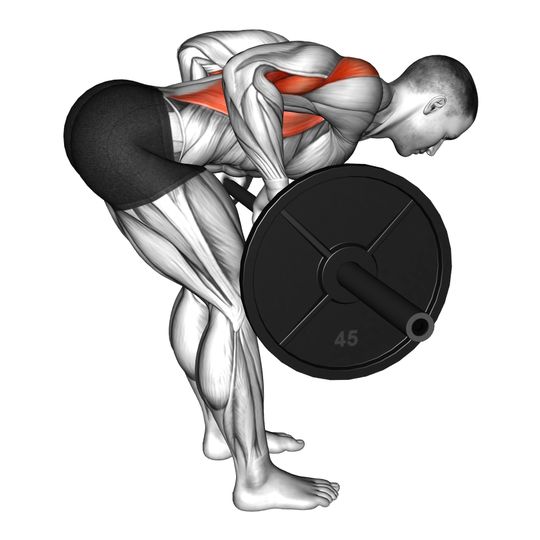 3 × 8–12
- 3 × 10–15
- 3 × 15–20
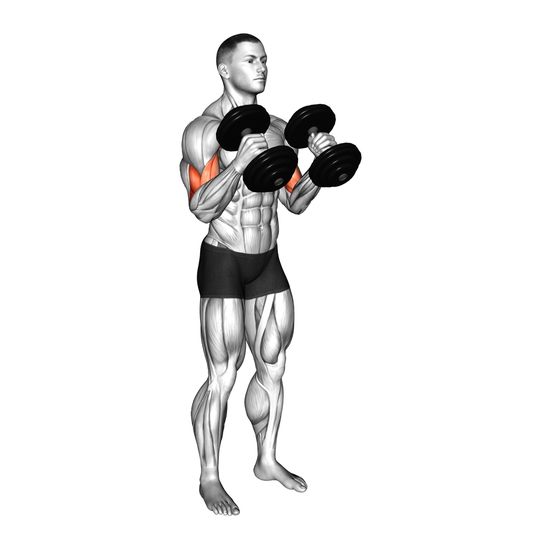 3 × 12–20
Push
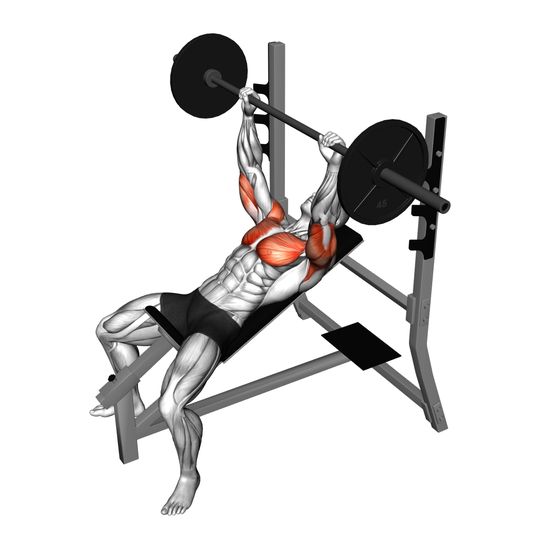 4 × 6–10
- 3 × 8–12
- 3 × 10–15
- 4 × 15–20
- 3 × 12–20
The two lower days follow the Lower A and Lower B templates from option 2. Build all five as routines in Gript with this guide so the app puts last session's numbers next to every set.
Which one to pick#
| Days | Split | Best for |
|---|---|---|
| 3 | Full body A/B | Beginners, or anyone with limited time |
| 4 | Upper / lower, lower body emphasis | The default for most lifters |
| 5 | PPL with a dedicated glute day | Intermediates chasing more lower body volume |
Pick by the number of days you will genuinely train, not the number you would like to. A four-day plan finished every week beats a five-day plan finished three times. The full body versus split guide walks through the same decision in more detail, and the 4-day split guide covers the general upper/lower version if you would rather not skew toward the lower body.
How to progress#
Double progression, on everything. Each exercise gets a rep range; you add reps at a fixed weight until you hit the top of the range on every set, then add weight and restart at the bottom. A hip thrust at 4 × 8 with 70 kg becomes 4 × 9, 4 × 10, up to 4 × 12 — then 80 kg for 4 × 8.
Add weight in 2.5 kg jumps on upper body lifts and 5 kg on hip thrusts, squats and deadlifts. Progress is not linear forever: expect fast gains for the first six to twelve months, then months where the numbers move a little rather than a lot. That is normal and it is why logging matters — a lift that added 5 kg over eight weeks feels like nothing in the moment and is clear progress on a chart. Gript's progression suggestions flag when a lift is ready for more weight, and the progressive overload guide covers what to do when one stalls.
Training through the menstrual cycle#
The honest answer is that the research does not support restructuring your program around your cycle. Studies comparing phase-based periodisation to standard programming find little to no difference in strength or muscle outcomes, and the individual variation is larger than the average effect.
What is worth doing is autoregulating. Some days you will feel strong and some days you will not, for cycle reasons and for a dozen other reasons. Using RPE to set the day's load — same target effort, whatever weight that turns out to be — handles all of it without needing to predict anything. Keep the sessions, adjust the loads, and let the log show the trend.
Common mistakes#
- Training too light: the single biggest limiter. If you could have done six more reps, the set did almost nothing. Working sets belong within 1–3 reps of failure.
- Endless glute activation work: bands and kickbacks are accessories, not the program. Glutes grow from heavy hip thrusts, squats, and Romanian deadlifts that get heavier over time.
- Skipping upper body: two trimmed upper days a week is the minimum. Dropping them entirely costs you posture, shoulder health, and the shape most people are actually after.
- Changing the program monthly: a split needs eight to twelve weeks before the numbers tell you anything. Switching sooner means never knowing what worked.
- Cardio replacing the last exercise: if time is tight, cut a set from each exercise rather than dropping the compound lift at the end of the session.
The right split for you is the one that matches your training days, gives your priority muscles two real sessions a week, and gets logged so the loads climb. Start with the four-day upper/lower, run it for three months, and let the numbers decide what comes next.